



The digital underworld of Welcome to the Game 3 presents players with a gauntlet of persistent threats, each with unique mechanics and terrifyingly effective methods of pursuit. As players navigate the shadowy corners of the internet and the increasingly perilous real world, understanding these adversaries is paramount to survival. This in-depth guide dissects the operational tactics, psychological profiles, and crucial counter-strategies for each killer, offering a tactical advantage in the relentless pursuit of information and survival.
The core premise of Welcome to the Game 3 centers on the player character, often referred to as Simon, a hacker or investigator delving into illicit online activities. This pursuit inevitably attracts the attention of dangerous individuals operating within the dark web’s ecosystem. Unlike previous installments, Welcome to the Game 3 introduces a more dynamic and persistent threat landscape, where killers are not merely fleeting encounters but constant dangers that players must actively evade or neutralize. The game’s design emphasizes strategic preparation, environmental awareness, and resource management as key pillars for overcoming these formidable opponents. The overarching narrative often involves uncovering a conspiracy or solving a mystery, with each killer representing a facet of the dangerous world Simon is attempting to expose or escape.
Initial Preparations: Setting the Stage for Survival
Effective survival in Welcome to the Game 3 begins with proactive preparation. Killers typically commence their hunts around 9:30 PM in normal game mode, necessitating a strategic approach in the initial in-game hours. Players are strongly advised to leverage early-game opportunities to establish a robust operational base. This includes utilizing VirtMesh for cryptocurrency mining, which generates the necessary funds to acquire essential items from DarkDrop. These procured items often facilitate surveillance and early warning systems, crucial for anticipating killer movements.

Simultaneously, engaging with A.C.R.S. (a simulated dark web marketplace and communication platform) is vital for accumulating Reputation (Rep) and in-game currency. This is achieved by fulfilling requests, which often involve gathering and selling sensitive data from the dark web, and by actively blocking incoming hacking attempts, demonstrating competence and deterring digital adversaries. The ShadowFetch tool serves a critical function by converting disparate URLs into accessible MP4 files, a common objective for many in-game requests.
A critical, yet often overlooked, mechanic involves the timed nature of channels within the game. Pinging users on these channels before they reset every half hour is essential. This action effectively saves their associated requests, providing a persistent reference point should the player need to revisit them later to locate specific video content. This meticulous approach to information gathering and network management forms the bedrock of a player’s defense against the unfolding threats.
The Persistent Menace: Profiling Welcome to the Game 3 Killers
The game features a diverse array of antagonists, each with a distinct modus operandi. Understanding these patterns is not just beneficial; it is a prerequisite for survival.
The Bomb Maker: A Race Against Time
The Bomb Maker, a spiritual successor to the Dollmaker from Welcome to the Game 2, poses a unique and time-sensitive threat. This killer’s presence is contingent on the player visiting their specific website. While not a guaranteed spawn in every playthrough, clicking on the Bomb Maker’s site triggers a dramatic countdown timer. Upon activation, players must immediately check CryptChat, where the Bomb Maker will have sent a personal message containing a disarm code. The player then has a mere 90 seconds to locate and defuse the bomb. Failure to do so results in an immediate game over.
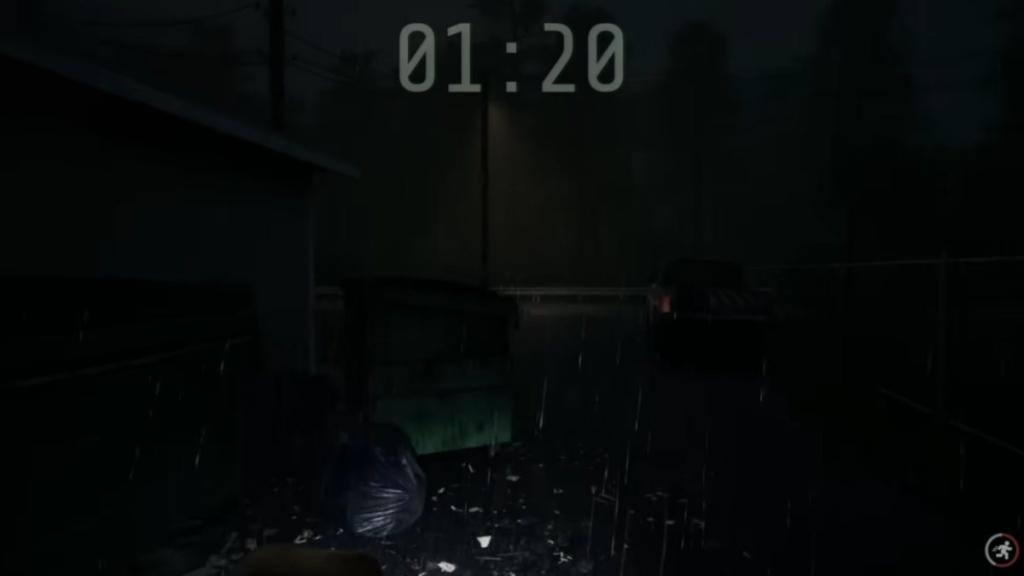
Countermeasure: The most effective countermeasure against the Bomb Maker is to simply avoid visiting their website altogether. If the website is inadvertently accessed, swift action in checking CryptChat and executing the disarm sequence is the only recourse.
The Breather: The Drone Stalker
A recurring antagonist across the Welcome to the Game series and Dead Signal, the Breather is characterized by its predatory behavior towards Amazon Prime drones. This killer only becomes active when the player is retrieving packages from a dead drop location, typically situated beneath a lit bridge on the far left of the motel exterior. The Breather’s primary tactic involves lethal pursuit if the player deviates from the designated path.
Mechanics and Counter: Upon retrieving packages from the dead drop, the Breather is scripted to spawn and initiate a chase. Players must ensure their stamina is at maximum capacity before attempting to collect these items. If pursued, the optimal strategy is to retreat to the motel. The Breather typically disengages once the player re-enters the motel parking lot, providing a brief window of safety.
Cletus: The Addicted Pursuer
Cletus presents one of the most intriguing and resource-dependent mechanics among the killers. His aggression is directly tied to the player’s possession of his required supply: methamphetamine. Cletus will only leave the player alone if they have his "product" readily available.
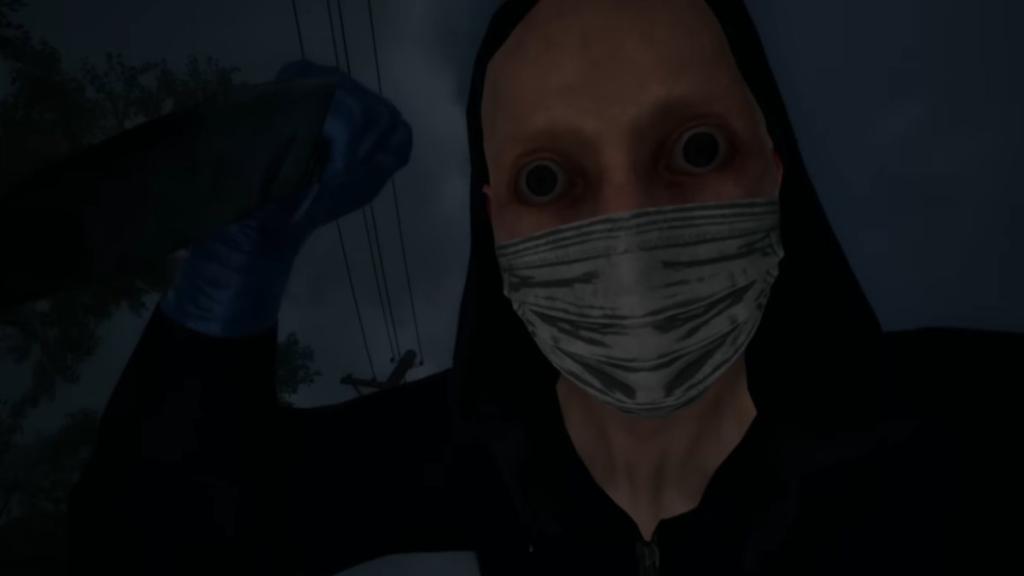
Mechanics and Counter: Players must acquire meth from designated motel rooms and around the parking lot at the commencement of each run. When the supply dwindles, players must locate and contact dealers through A.C.R.S. This involves checking their Reputation level and using the PING function to initiate contact. Successful contact provides a Dealer ID, which is entered into DAREdash. It is crucial to note that these Dealer IDs do not persist across save files. Purchasing crystal from dealers follows a similar interface to acquiring items from DarkDrop.
A critical aspect of managing Cletus is maintaining a single baggie of meth in the inventory at all times, and ideally, not carrying more than one. If Cletus apprehends the player with multiple baggies, he will confiscate the entire supply. While he refrains from killing the player if appeased, being caught by Cletus outside will result in being moved into a motel room, disrupting the player’s current objectives.
The Kidnapper: The Van Ambush
The Kidnapper employs a straightforward yet highly disruptive mechanic. This killer manifests as a presence in a white van, typically parked in the motel’s parking lot. The primary threat arises when the player attempts to exit the motel through either the front or back doors while the van is present.
Mechanics and Counter: Players must avoid exiting the motel when the white van is visible. Waiting inside until the van departs is the safest course of action. Prolonged waiting periods for the van’s departure can increase the likelihood of other threats, such as Noir, appearing, especially if multiple lights are switched off to counter other dangers.

Lucas: The Persistent Hitman
Lucas remains the most consistent and formidable threat across the Welcome to the Game franchise, making his return in Welcome to the Game 3. As a seasoned hitman, Lucas’s primary method of attack involves infiltrating the player’s location through back entrances. This includes the Electrical Room door, which can be unlocked by the player.
Mechanics and Counter: It is imperative to keep all back doors locked from the outset of a run. Unlocking them should only occur when absolutely necessary for critical tasks like restoring power or internet connectivity. A subtle audio cue signals Lucas unlocking a back door, providing a brief window to reach one of two designated hiding spots: the lockers to the far right or the laundry basket to the far left of the computer terminal.
Once in a hiding spot, a minigame is triggered, requiring the player to maintain a ring within two moving dotted circles by pressing and releasing the spacebar. The gauge will not deplete until Lucas departs. The player is safe when the hiding minigame concludes. To mitigate Lucas’s threat, it is advisable to turn off two to three lights at the start of each run and to shut down the computer when Lucas is detected to prevent him from stealing DOS coins.
Motion sensors are a crucial investment. When triggered, they emit an audible beep and a visual red flash on the computer’s taskbar. Positioning two motion sensors on the backside of the main building (ALLEY), away from direct exterior doors, provides ample time to turn off lights and seek cover. Activating the sensor icon on the taskbar allows players to monitor detected motion.

Noir: The Evasive Duo
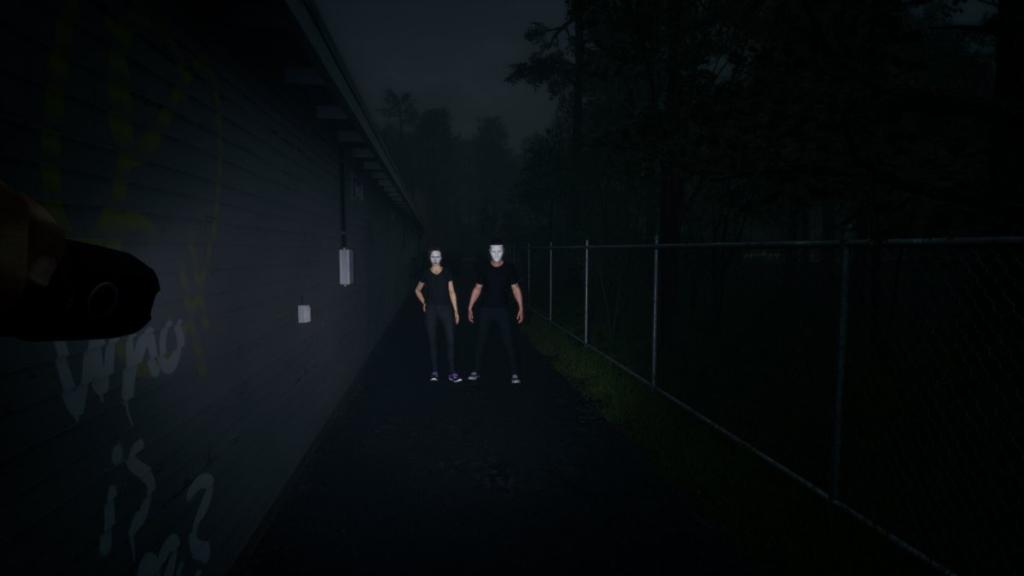
The unsettling duo of Noir, known from Dead Signal, returns as a persistent threat. Keeping the lights off in the game environment significantly increases their chances of spawning, making power restoration a particularly perilous endeavor.
Mechanics and Counter: When Noir appears outside, players must identify their positions. If the male figure is on the left, shining a light and then looking away for approximately five seconds is required. If the female figure is on the left, this duration extends to ten seconds. Players must confirm their absence before proceeding. Occasionally, one member of Noir may enter the player’s immediate vicinity while they are at the computer. In such instances, looking away for a few seconds and waiting for a whispered cue indicating their departure is the recommended course of action.
Tanner: The Desperate Antagonist
Tanner, a character originating from Scrutinized, returns in Welcome to the Game 3 with heightened desperation. His attacks can occur both inside motel rooms and by leaping over the counter in the main building.
Mechanics and Counter: A panic button, located to the right of the computer, temporarily disables the automatic doors. Properly timed activation can cause Tanner to collide with the glass, missing his opportunity to inject the player with a lethal dose. However, over-reliance on the panic button can lead to network issues, forcing players to venture outside to resolve them.

Installing cameras can help spot Tanner, though their deployment and opening can be time-consuming. Alternatively, motion sensors can be strategically placed on the thin pillars at the edge of the motel parking lot, near the road. Clicking the sensor icon on the taskbar reveals motion detection points. If movement is detected in the FRONT_OUTER_LOT, the panic button should be activated.
When entering motel rooms, players should lock the doors behind them and utilize the peephole to check for Tanner’s presence. Spotting him indicates he is on a cooldown period, granting the player a temporary reprieve to focus on other threats.
Tucker: The Stealthy Assailant
Tucker’s attacks are most frequently encountered when the player is outside, attempting to repair the internet router. The rustling of leaves serves as an auditory warning of his proximity. This often occurs while the player is locked in an animation of unplugging the router.
Mechanics and Counter: Upon hearing the rustling leaves, players should stand still and listen for a second rustle, indicating Tucker has moved away. If music is heard playing from a speaker outside, players must immediately run into the parking lot and search for an "Ace of Spaces" playing card on one of the motel doors. Entering the designated room and locking the door behind them is crucial. Players must wait until a triumphant tune plays, signaling Tucker’s departure.
Broader Implications and Strategic Analysis
The introduction of these persistent killers fundamentally alters the gameplay loop of Welcome to the Game 3. It shifts the focus from purely reactive problem-solving to a more proactive and strategic approach to survival. Players must constantly balance the need to gather information and complete objectives with the imperative of managing their immediate safety. The interconnectedness of in-game systems – from resource management for buying equipment to environmental factors like lighting and door security – creates a complex web of decisions with potentially lethal consequences.
The psychological impact of these threats is also significant. The constant threat of immediate death, coupled with the often-unpredictable nature of killer spawns and behaviors, creates a high-stakes environment that tests player nerve and adaptability. Success in Welcome to the Game 3 is not solely about technical skill in hacking or puzzle-solving; it is about developing a deep understanding of the game’s emergent systems and mastering the art of calculated risk.
The game’s design implicitly suggests a critique of the dangers inherent in the pursuit of illicit information and the shadowy individuals who operate within these unregulated spaces. Each killer represents a different facet of this danger: the immediate, explosive threat of the Bomb Maker; the relentless pursuit of the Breather; the addiction-driven violence of Cletus; the opportunistic abduction by the Kidnapper; the professional lethality of Lucas; the unsettling psychological warfare of Noir; the desperate desperation of Tanner; and the opportunistic ambush of Tucker. Collectively, they paint a grim picture of the digital and physical perils faced by those who venture into the dark web. Mastering their mechanics is not just about winning the game; it is about understanding the inherent risks of the world it portrays.