



In the high-stakes digital underworld of Welcome to the Game 3 (WTTG3), players are thrust into a race against time and a shadowy network of competitors, all vying to uncover critical "Key Hashes." This intense pursuit forms the core gameplay loop, demanding players master a complex array of mechanics introduced by developer Reflect Studios. Success hinges on strategic resource management, cunning infiltration of digital systems, and the calculated elimination of rivals. This comprehensive guide delves into the essential elements of WTTG3, from farming the in-game currency, DOS Coins, to building a formidable reputation and ultimately locating the elusive Key Hashes that unlock the game’s progression.
The Economy of the Dark Net: Farming DOS Coins
DOS Coins are the lifeblood of survival and progression within Welcome to the Game 3. This digital currency is paramount for acquiring essential tools and services from DarkDrop, the game’s marketplace for illicit goods and information. Beyond its utility for personal advancement, DOS Coins also empower players to actively disrupt and hinder the progress of their adversaries, transforming the game into a dynamic battle of economic warfare.

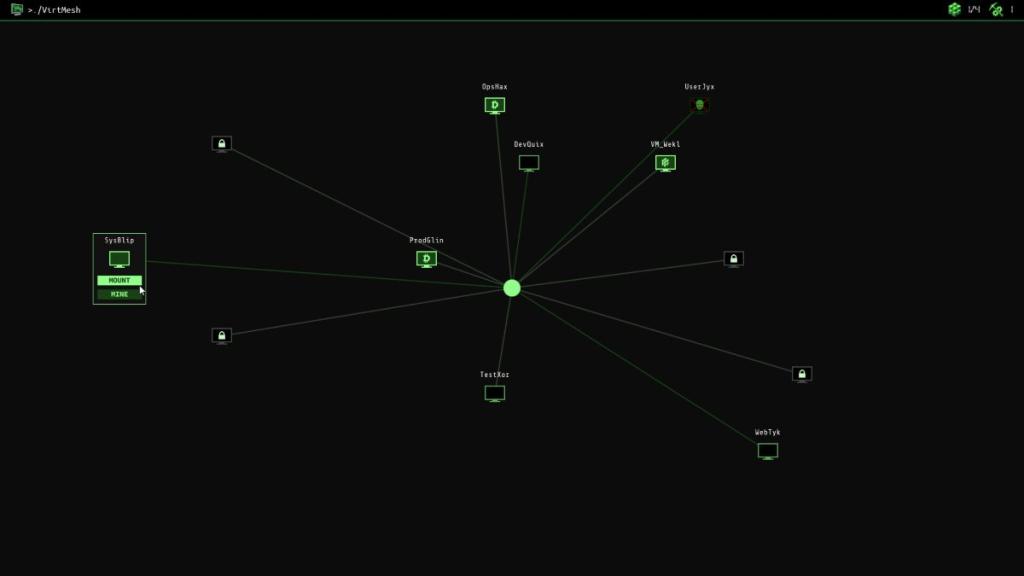
The primary method for accumulating DOS Coins is through the VirtMesh application, a sophisticated hacking tool that serves as the player’s initial gateway into the digital ether. VirtMesh allows users to either "mount" a computer, granting them access to its systems for mining operations, or directly "mine" for DOS Coins. This initial software installation is crucial, but its effectiveness is not without limitations. Similar to navigating the broader Dark Net or remaining vigilant against in-game threats like the notorious Tanner and Lucas, players cannot remain static. The VirtMesh software imposes restrictions on prolonged access to any single hijacked computer. To circumvent these limitations and avoid lockout, players must strategically rotate their activities, shifting between mining and mounting different systems to maintain their operational foothold.
The process of hijacking computers involves a minigame known as INJ3KT-R. This grid-based challenge requires players to chart a path from a starting point (A) to an endpoint (B) using directional keys. The crucial rule is that the path must strictly alternate between light and dark tiles. Any deviation from this pattern results in failure, immediately severing access to the targeted computer. Within the base network of VirtMesh, players are advised to prioritize mining from specific nodes known for their yield: NetVorn (offering 1.45 DOS Coins per cycle), UserJyx (1.80 DOS Coins), and WebTyk (1.84 DOS Coins). These early-game targets provide a foundational income stream, enabling further investment in more advanced tools and strategies.
Beyond direct mining, DOS Coins can also be earned by successfully completing various in-game requests, a mechanic that will be explored in greater detail later. This adds a layer of objective-based earning, rewarding players who engage with the game’s narrative and its various NPCs.
Safeguarding Your Digital Wealth: Protecting DOS Coins
The precarious nature of the Dark Net means that players are constantly under threat from entities seeking to pilfer their hard-earned DOS Coins. Both Lucas, a persistent antagonist, and rival players will actively attempt to seize these assets. Lucas is known to initiate his raids whenever he appears at the player’s motel location. Meanwhile, competing players, also on the hunt for Key Hashes, will deploy their own hackers to infiltrate and steal from the player’s digital holdings.
To counter Lucas’s intrusions, a simple yet effective strategy involves shutting down the computer system immediately upon hearing his approach. This can be achieved by interacting with the power button located in the bottom-left corner of the screen. The implementation of motion sensors can provide an early warning, granting players the crucial time needed to power down their systems before Lucas can gain access.
For players seeking a more proactive defense against hacking attempts, the NOP Sled utility offers a way to bypass certain hacking minigames entirely. Furthermore, players can turn the tables on their adversaries by leveraging the A.C.R.S. (Advanced Communication and Response System) platform. By contacting specific hackers available through A.C.R.S., players can initiate counter-hacks, targeting a chosen competitor’s systems and potentially draining their DOS Coin reserves.
The risk of a successful hack against a competitor is amplified if they have a "Backdoor" installed on their system. In such cases, an unsuccessful hacking attempt by the player can backfire, resulting in a deduction of DOS Coins from their own account. Conversely, a successful hack against an NPC who has not implemented defensive measures, or who fails to repel the intrusion, can result in the player siphoning a portion of the NPC’s DOS Coin supply. This can significantly impede an opponent’s ability to acquire crucial items from DarkDrop or to hire the services of assassins, effectively setting them back in their own pursuit of the Key Hashes.
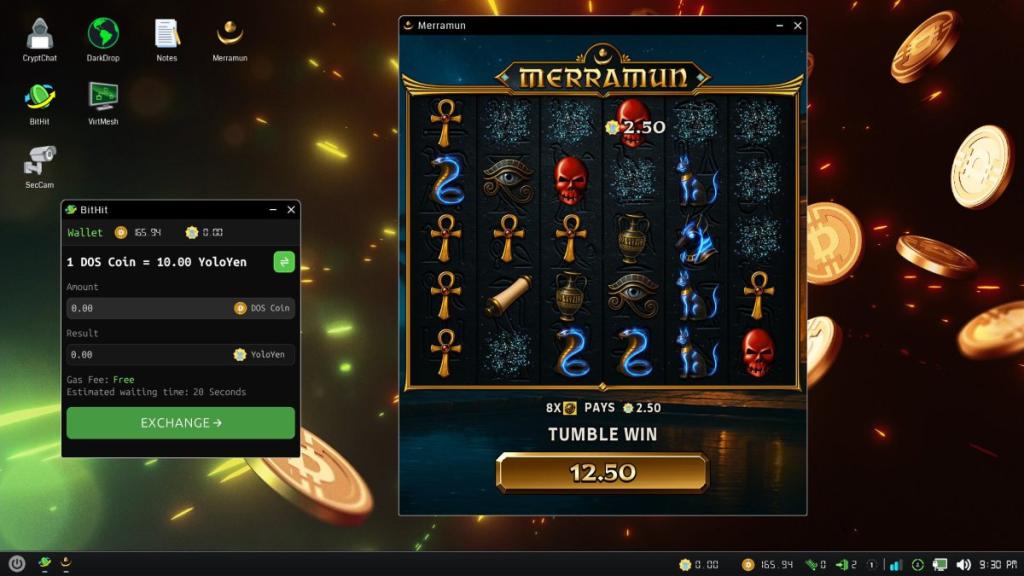
In more extreme scenarios, players can convert their DOS Coins into YoloYen via the BitHit exchange. This digital currency can then be gambled within the Merramun application, a high-risk, high-reward gambling minigame. Successful gambles can lead to a substantial increase in YoloYen, which can then be reconverted back into DOS Coins on BitHit, potentially yielding a significant profit. This high-stakes approach, however, carries the inherent risk of substantial loss.
Cultivating Influence: How to Build Reputation (Rep)
Beyond the accumulation of wealth, establishing a strong reputation (Rep) is another cornerstone of success in Welcome to the Game 3. Two additional applications, ShadowFetch and A.C.R.S., are introduced early in the game and are instrumental in building this crucial standing. ShadowFetch serves the purpose of converting Universal Resource Locators (URLs) into MP4 video files. These video files can then be shared with other users who have been contacted via A.C.R.S. The conversion process incurs a DOS Coin fee, making it imperative for players to only convert files when they are certain a recipient is actively seeking that specific content.
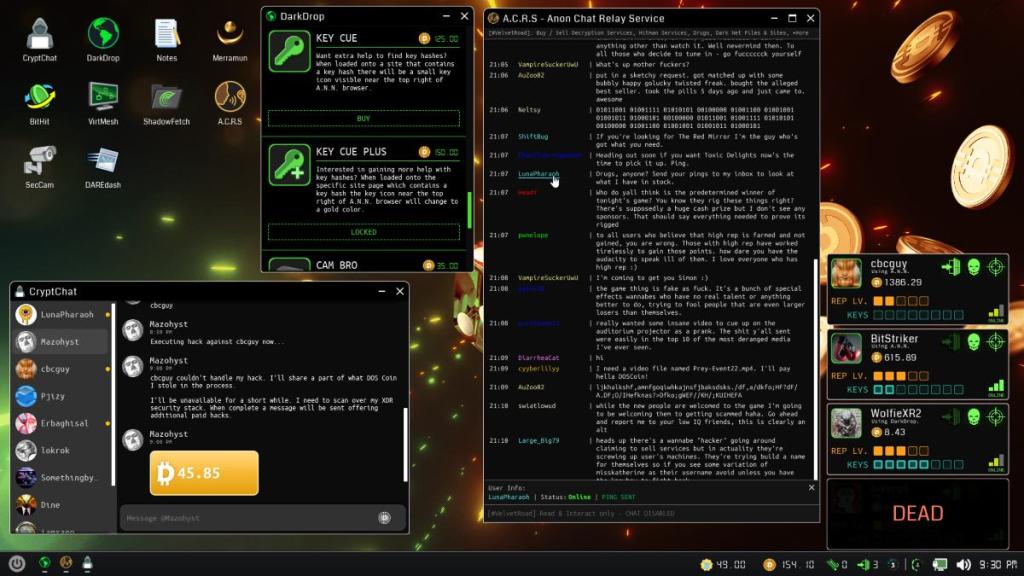
The most effective method for increasing a player’s Rep level lies in the diligent completion of requests issued by Non-Player Characters (NPCs). These requests are typically discovered within the A.C.R.S. chat room, a bustling hub where competitors, hackers, dealers, and general Dark Web denizens congregate. This environment can be analogized to the side-quest system found in role-playing games. It is important to note that the A.C.R.S. chat room resets every thirty minutes. To ensure that a particular request remains accessible, players must "PING" the user who posted it, effectively flagging it for their attention. Successfully evading incoming hacking attempts also contributes to gaining Rep experience points, rewarding players for their defensive prowess.
While A.C.R.S. is generally a useful tool for managing various interactions, including dealing with entities like "Cletus," the most valuable interactions revolve around specific video file requests. To fulfill these, players must first acquire Fetch URLs from various corners of the Dark Net. These URLs are then converted into downloadable MP4 files using ShadowFetch. These videos can then be sold for both DOS Coins and Rep.
NPCs will frequently solicit specific website URLs and video content. The Dark Wiki serves as an invaluable resource for locating this information. Even if direct network access to a particular site is blocked, the URL can still be copied and pasted. Players are encouraged to scour the A.C.R.S. chat room for these opportunities. Any dealer whose Rep level matches the player’s, or any user explicitly asking for URLs, videos, or offering a task, can be selected by clicking on their username. This action initiates a private messaging session on CryptChat, allowing for direct negotiation and transaction.
The Digital Hunt: Where to Find Keys
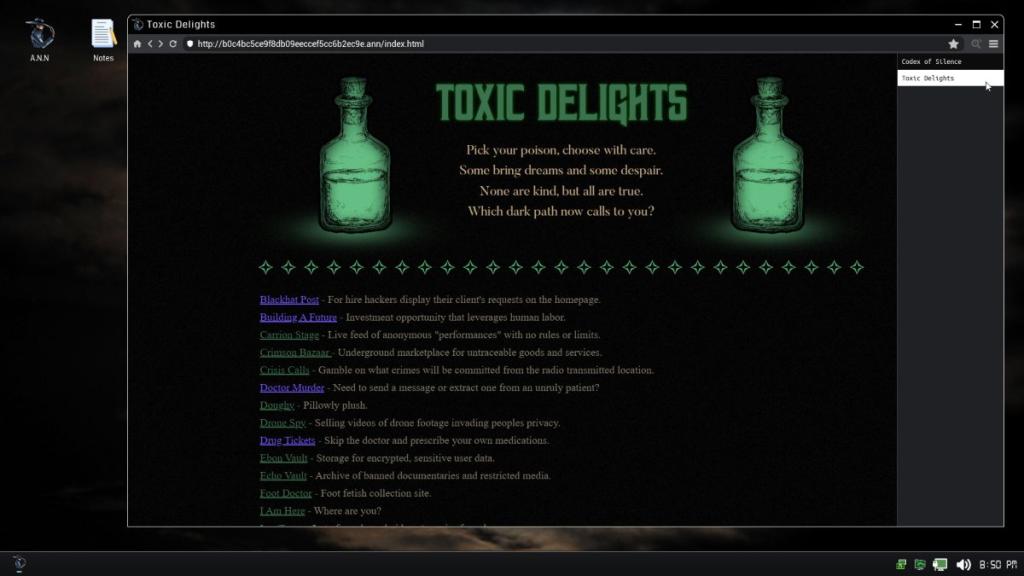
The ultimate objective in Welcome to the Game 3 is the discovery and decryption of eight critical Keys. This pursuit necessitates a continuous exploration of the Dark Net, uncovering additional Dark Wikis that serve as gateways to further websites, many of which harbor potential Key Hashes. These Wiki pages typically manifest as ".ann" URLs. Copying and pasting these URLs directly into the A.N.N. (Advanced Network Navigator) browser grants access to a new list of indexed websites. This endeavor is not a solitary one; four other competitors are simultaneously engaged in the same race, creating a high-pressure environment where time is as much an adversary as the other players.
The spawn locations of the Keys are randomized with each new game session. Given that websites can be either permanently open, time-limited, or entirely inaccessible, a strategic approach is vital. Players must be aware of what they are looking for to avoid wasting precious time. Keys can appear in plain sight on a webpage, typically denoted by a number between one and eight, followed by a seemingly random alphanumeric string.
When a Key is concealed behind page elements, players must meticulously hover over letters and images. Furthermore, the source code of a webpage can be accessed by clicking the magnifying glass icon in the top-right corner of the A.N.N. browser. Within the source code viewer, Key Hashes are often presented in their complete form. On the visible page itself, a hidden Key Hash can often be revealed by hovering directly over it, at which point the player’s cursor will change to indicate interactivity.
A significant departure from previous installments in the series, the objective in WTTG3 is not merely to locate all the Keys. Instead, each discovered Key Hash must then be decrypted by a specialized agent accessible through A.C.R.S. This decryption service comes at a cost, further emphasizing the importance of managing DOS Coin resources effectively.
Defensive Maneuvers and Offensive Strikes: Blocking and Sending Hacks
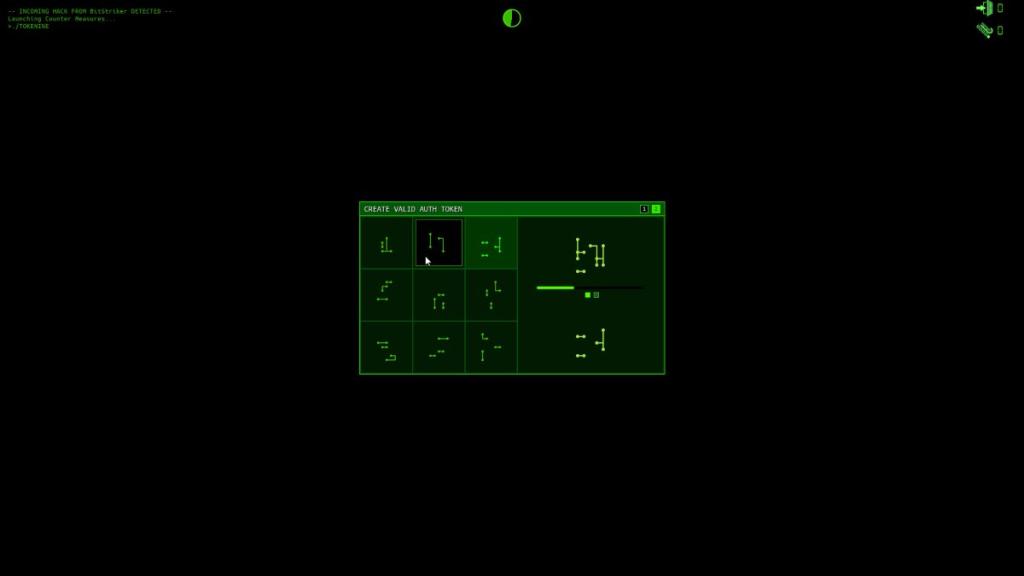
As the in-game clock progresses, specifically from 9:30 PM onwards, players can anticipate an increasing barrage of hacking attempts. These assaults are designed to escalate in difficulty as the game progresses, reflecting the growing desperation and resourcefulness of opponents who are willing to invest more heavily to impede the player’s progress and even orchestrate assassination attempts. Understanding the nature of these hacks is crucial for survival. While the original article contained a placeholder for detailed hack information, it is understood that each hack presents a unique challenge, requiring specific countermeasures or quick reflexes to mitigate damage and prevent system compromise. These could range from simple denial-of-service attacks to more sophisticated data exfiltration attempts, each with its own associated risks and potential for DOS Coin loss.
Dominating the Competition: How to Take Out Rivals
In certain critical junctures of the game, players may find it strategically advantageous to dispatch an assassin to eliminate a competitor. This high-level tactic involves engaging with specific users on the A.C.R.S. platform. For a substantial fee, these contacts can be persuaded to "doxx" a target, gathering and revealing their personal information. Subsequently, the player must secure another contact who specializes in initiating hit contracts, utilizing the doxxed information to carry out the assassination. This is arguably one of the most expensive, yet potentially most rewarding, actions available to players, particularly as they approach the endgame and the stakes are at their highest. The successful elimination of a key competitor can remove a significant obstacle, freeing up resources and time to focus on acquiring the final Key Hashes and achieving victory. The strategic deployment of such lethal measures underscores the unforgiving nature of the Dark Net environment depicted in Welcome to the Game 3.