


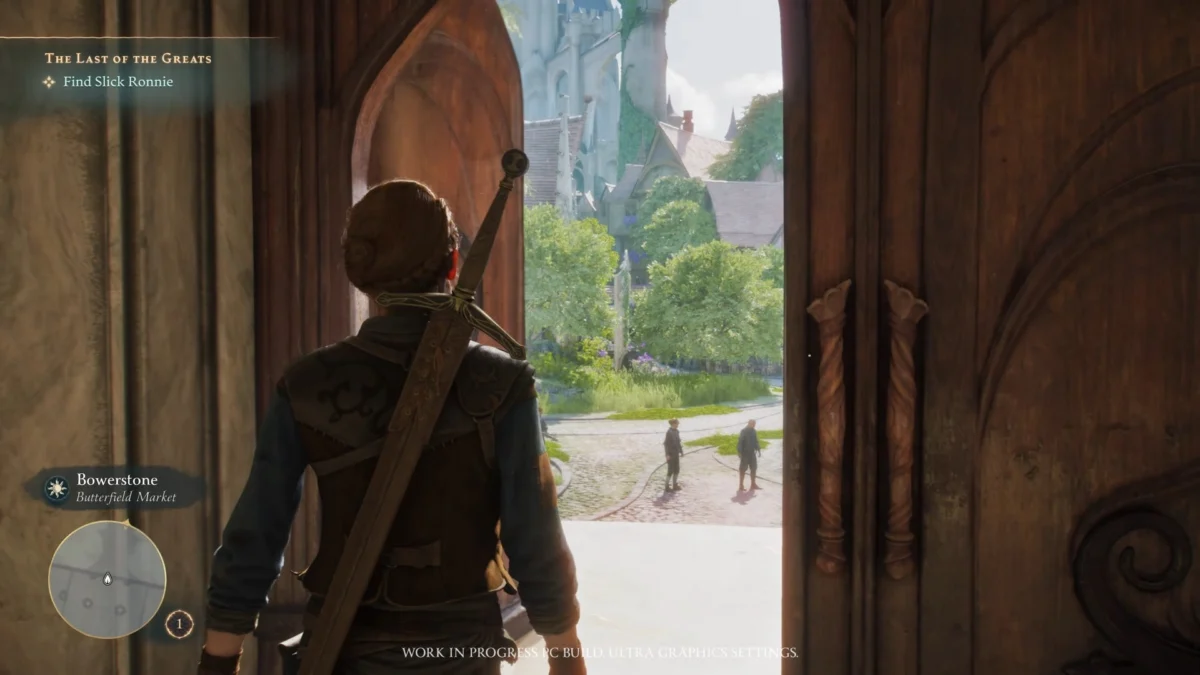
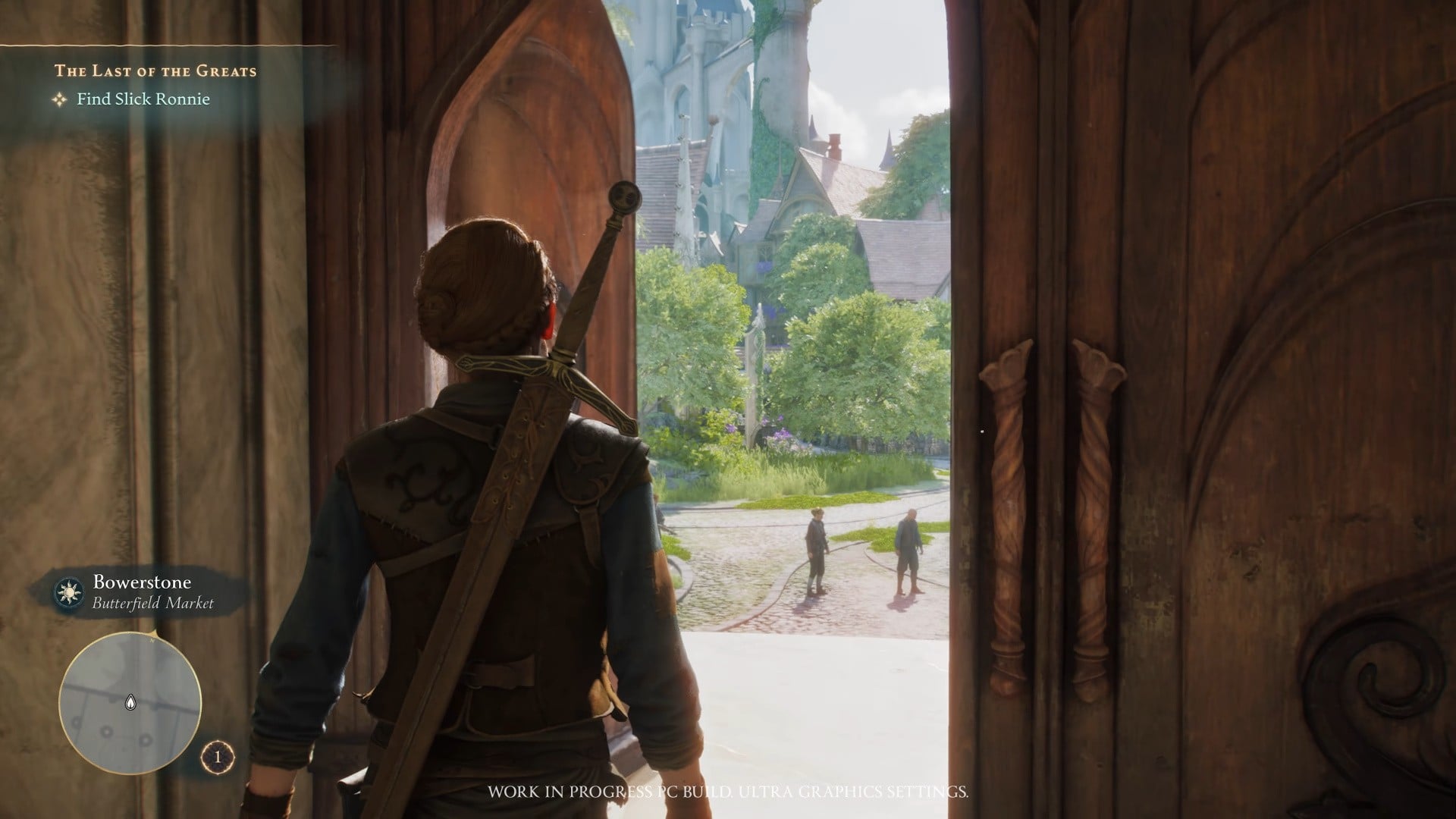
The highly anticipated role-playing game Fable, developed by Playground Games and published by Xbox Game Studios, was originally targeting an October 2026 release before a strategic decision led to its postponement to February 2027. Ralph Fulton, the director of Fable, recently revealed this initial timeline during a Gamescom interview, expressing profound relief and gratitude for the delay. The primary catalyst for this shift, as widely inferred and now implicitly confirmed, was the impending launch of Grand Theft Auto 6, a title expected to command an unprecedented share of market attention and consumer spending upon its release. Fulton’s sentiments underscore a pragmatic approach by Xbox to safeguard one of its most significant first-party titles from direct competition with a behemoth of the entertainment industry.
A Legacy Reimagined: The Fable Franchise and Its Return
The Fable series holds a unique and cherished place within the gaming landscape. Originating in 2004 with the release of Fable on the original Xbox, the franchise quickly distinguished itself through its whimsical humor, distinctive British charm, and innovative "choice and consequence" gameplay mechanics. Players were immersed in Albion, a fantastical world where their moral decisions visibly altered their character’s appearance and how non-player characters reacted to them. Subsequent titles, Fable II (2008) and Fable III (2010), continued to build upon this foundation, garnering critical acclaim for their engaging narratives, open-world exploration, and beloved companions. The series, initially spearheaded by Lionhead Studios and the visionary Peter Molyneux, cultivated a dedicated fanbase that appreciated its blend of action, adventure, and quirky storytelling.
However, the closure of Lionhead Studios in 2016 left the future of Fable uncertain, casting a long shadow over one of Xbox’s most iconic intellectual properties. For years, fans yearned for a new installment that would honor the series’ legacy while pushing its boundaries. The announcement of a new Fable game at the Xbox Games Showcase in July 2020, spearheaded by Playground Games, sent waves of excitement through the gaming community. This revelation signaled not just a revival, but a reimagining, entrusting a beloved fantasy RPG to a studio predominantly known for its mastery of open-world racing games with the Forza Horizon series. The choice of Playground Games, celebrated for its technical prowess, stunning visuals, and expansive world design, suggested a commitment from Xbox to deliver a Fable experience that would meet contemporary AAA standards while retaining the series’ core identity. The anticipation surrounding this reboot has been palpable, as it represents a critical tentpole title for Xbox’s first-party lineup, aimed at attracting new players to the Xbox ecosystem and reinforcing the value proposition of Xbox Game Pass.
The Strategic Imperative: Avoiding the Grand Theft Auto 6 Juggernaut
The decision to move Fable from its original October 2026 target to February 2027 was, according to industry observers and now confirmed by director Ralph Fulton, a calculated strategic maneuver. Fulton’s statement to IGN — "I think the rationale behind moving us out of October, the date that we were in previously, is pretty apparent to everybody. I feel great about that. I mean, I was really looking forward to shipping this game this year… But the rationale for it is absolutely sound. I’m glad that we’re avoiding that chaotic window" — highlights the undeniable influence of Grand Theft Auto 6.
Grand Theft Auto V, released in 2013, has achieved unprecedented commercial success, selling over 195 million units worldwide and generating billions in revenue, making it one of the best-selling entertainment products of all time. Its cultural footprint is immense, with a dedicated online community that has sustained its relevance for over a decade. The sequel, Grand Theft Auto 6, is expected to eclipse these figures, not merely as a video game but as a global entertainment event. Its marketing campaigns will be ubiquitous, its launch will dominate news cycles across all media, and consumer spending on the title is projected to be astronomical. Any game launching in close proximity to Grand Theft Auto 6 would inevitably struggle for visibility, media attention, and ultimately, sales. Industry analysts frequently point to the phenomenon of "mega-releases" that effectively clear the market, as publishers understand the futility of competing head-on.
Historically, major releases have often adjusted their schedules to avoid direct clashes with perceived juggernauts. While specific examples vary, the general principle is well-established: a staggered release strategy allows each major title its moment in the spotlight, maximizing its commercial and critical impact. For a high-profile, first-party title like Fable, which is not only a significant investment for Xbox but also carries the weight of a beloved legacy, securing an optimal launch window is paramount. Launching in the shadow of Grand Theft Auto 6 would risk Fable being overshadowed in critical reviews, overshadowed in player discussions, and potentially underperforming commercially, despite its own merits. The delay, therefore, is not an indication of developmental issues but rather a shrewd business decision aimed at giving Fable the best possible chance to succeed.
A Timeline of Anticipation and Adjustment
The journey for the new Fable has been one marked by both excitement and strategic repositioning.
- July 2020: The game is officially announced during the Xbox Games Showcase with a brief cinematic trailer, confirming Playground Games as the developer and igniting widespread enthusiasm. At this point, no release window is provided, consistent with early AAA game announcements.
- Late 2022 – Early 2023: Industry whispers begin to circulate, suggesting that Fable is making significant progress in development, with an internal target potentially set for 2026. These rumors often accompany the normal progression of large-scale game development as milestones are met.
- June 2023: A new gameplay trailer is showcased during the Xbox Games Showcase, offering a first look at the game’s world, characters, and signature whimsical tone. While still not providing a concrete release date, the trailer indicates that development is maturing.
- May 2026: Xbox officially announces the delay of Fable to February 2027. While the announcement does not explicitly mention Grand Theft Auto 6, the timing aligns with industry speculation regarding the latter’s potential late 2026 release, leading to widespread assumptions about the rationale.
- August 2026 (Gamescom Interview): Ralph Fulton confirms the prior internal target of October 2026 during an interview with IGN, directly addressing the strategic thinking behind the subsequent delay. He reiterates the team’s initial excitement to ship in 2026 but emphasizes the "sound rationale" for avoiding a "chaotic window."
This chronology illustrates a typical development cycle for a large-scale title, with initial excitement followed by strategic adjustments necessitated by both internal development needs and external market forces. The transparency regarding the original target and the reasons for the shift offers valuable insight into the complex decision-making processes within the AAA game industry.
Navigating the New Landscape: February 2027 and Beyond
While the move away from Grand Theft Auto 6 is unequivocally a win for Fable, the new release window in February 2027 is not without its own set of competitors. Ralph Fulton acknowledged this in the IGN interview, stating that while they specifically wanted to "avoid entirely" GTA 6, his team is prepared to go "toe-to-toe" with other titles expected around the same time. These include games like Stranger Than Heaven, Tomb Raider: Legacy of Atlantis, and Persona 4 Revival.
An analysis of these competitors suggests a different dynamic than facing Grand Theft Auto 6:
- Stranger Than Heaven: As a potentially new intellectual property (IP), Stranger Than Heaven would need to build its audience from scratch. While it could be a strong title, new IPs rarely command the same immediate, overwhelming market presence as established giants like Grand Theft Auto. Its impact would likely be significant within its genre but less encompassing across the broader gaming landscape.
- Tomb Raider: Legacy of Atlantis: The Tomb Raider franchise is well-established and boasts a loyal fanbase. However, recent installments, while generally well-received, have not typically achieved the same sales figures or cultural saturation as the Grand Theft Auto series. Furthermore, the action-adventure genre, while popular, often appeals to a slightly different core demographic than a whimsical open-world RPG like Fable.
- Persona 4 Revival: The Persona series, a niche Japanese role-playing game (JRPG) franchise, has grown significantly in popularity in recent years, particularly in Western markets. While Persona 4 is a beloved entry, a "revival" (likely a remaster or remake) would appeal primarily to its dedicated fanbase and JRPG enthusiasts. Its audience, while passionate, is distinct from the broad appeal that Fable aims for.
Fulton’s confidence in competing with these titles underscores a strategic calculation. February, while not entirely barren, often presents a less congested market than the holiday season. It allows games to breathe, build momentum through word-of-mouth, and benefit from sustained media coverage without being immediately drowned out by a monolithic release. The "toe-to-toe" sentiment suggests that Playground Games and Xbox believe Fable possesses the quality and appeal to stand out even amongst other strong contenders, a testament to their faith in the game’s potential.
Broader Implications and Future Prospects
The delay of Fable carries several significant implications for various stakeholders:
- For Playground Games: The additional development time, effectively several months, is invaluable. It provides a crucial window for further polish, bug fixing, and potentially the addition of extra content or refinement of existing features. For a studio transitioning from racing games to a complex open-world RPG and inheriting a beloved IP, this extra time is not just beneficial, but potentially critical for meeting the high expectations set by fans and critics. It allows the team to meticulously craft the world of Albion, ensuring the narrative, gameplay systems, and technical performance are all optimized for launch. This commitment to quality aligns with Playground Games’ reputation and Xbox’s broader strategy for its first-party studios.
- For Xbox Game Studios and Microsoft: The decision highlights Xbox’s strategic commitment to maximizing the success of its first-party titles. By carefully positioning Fable, Xbox aims to secure a dominant launch window, ensuring the game receives the attention it deserves and drives subscriptions to Xbox Game Pass. This move reflects a mature understanding of the competitive landscape and a willingness to make difficult, but ultimately beneficial, decisions to protect significant investments. It also reinforces the idea that Xbox is prioritizing quality and market positioning over simply rushing games out the door, a perception that is crucial for building consumer trust and loyalty.
- For Players: While the initial disappointment of a delay is a common sentiment, the ultimate benefit for players is the promise of a more refined and complete game. An extra few months of development can transform a good game into a great one, mitigating launch day issues and enhancing the overall player experience. The delay positions Fable as a major event to look forward to in early 2027, offering a fresh, high-quality experience after the anticipated whirlwind of Grand Theft Auto 6‘s launch has subsided. This prolonged anticipation also builds hype, potentially leading to a more engaged and excited player base upon release.
- For the Industry at Large: Fable‘s delay underscores the growing influence of "mega-releases" like Grand Theft Auto 6 on the entire gaming industry’s release calendar. Publishers are increasingly aware that launching alongside such titles can be detrimental, leading to a more strategic and often more staggered release schedule for other major games. This trend could lead to more evenly distributed major releases throughout the year, benefiting consumers who might otherwise be overwhelmed or forced to choose between multiple highly anticipated titles in a short span.
The wait for the new Fable has undoubtedly been long, and the recent delay extends that anticipation further. However, the rationale behind this strategic postponement is sound and indicative of a meticulous approach by Playground Games and Xbox. By choosing to step aside from the unprecedented gravitational pull of Grand Theft Auto 6, Fable is given the crucial space it needs to shine. With additional polish time and a clearer path to market, the hopes that Fable could emerge as a genuine Game of the Year contender for 2027 appear increasingly well-founded, promising a truly special return to Albion for fans old and new.