


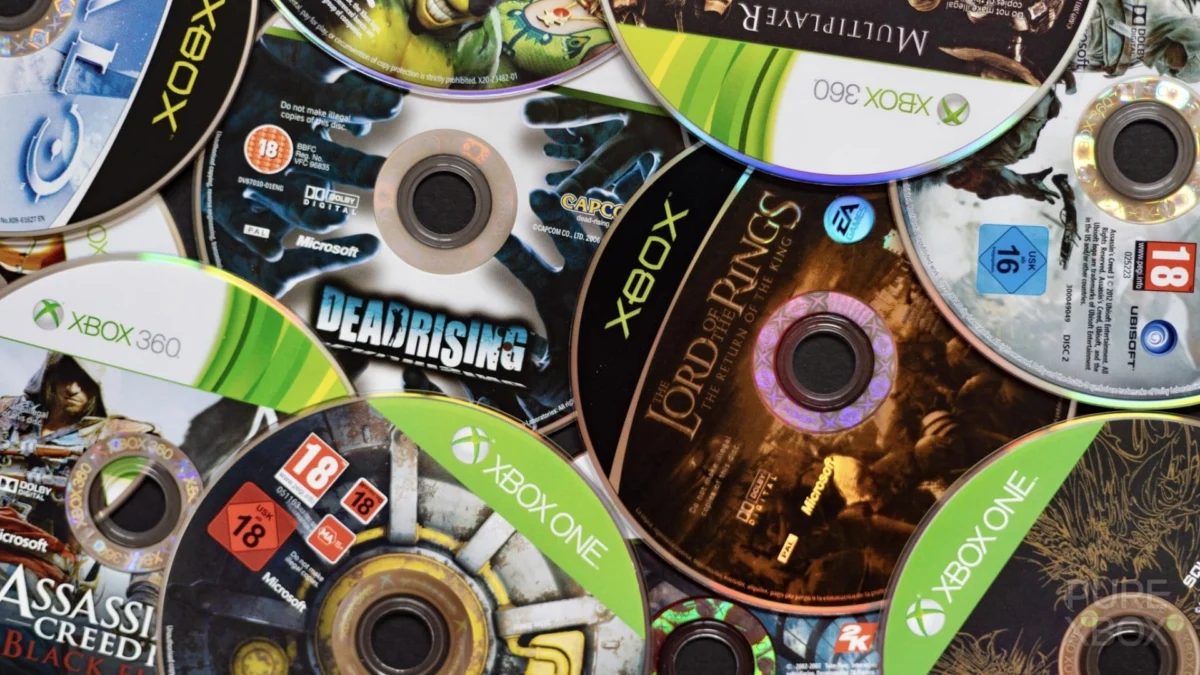
The gaming industry stands at a pivotal juncture, grappling with the accelerating shift towards digital distribution. For Xbox, this transition appears to be underscored by a significant, albeit largely unacknowledged, challenge: the reported collapse of the optical disc drive supply chain. This development casts a long shadow over the future of physical media on the platform, particularly regarding the highly anticipated "Project Helix" console, for which there remains no official confirmation on disc support. However, recent credible reports, coupled with Xbox’s introduction of a "Disc to Digital" conversion feature, strongly suggest an inevitable move towards an all-digital ecosystem, driven by both market forces and manufacturing realities.
The Deteriorating Optical Disc Drive Supply Chain
Central to the discussion is the critical decline in the availability and production of optical disc drives (ODDs) and their constituent components. Two prominent and respected outlets in the technology and gaming sphere, Windows Central and Digital Foundry, have independently reported on this alarming trend, painting a consistent picture of a supply chain in distress.
Windows Central, citing internal sources, elucidated that Microsoft’s deliberations regarding disc support for future hardware are less about a philosophical stance on physical media and more about the stark realities of hardware procurement. According to their reporting, "the entire supply chain for the components required to make optical disc drives is collapsing, with assembly lines pivoting away from the tech as users actively opt for digital-only." This statement highlights a dual pressure point: dwindling demand from consumers for disc-based products, which in turn leads manufacturers to reallocate resources and production capabilities away from ODDs. The economic rationale for component manufacturers is clear; as the market for optical drives shrinks across various industries (not just gaming, but also PCs and other entertainment devices), the incentive to maintain dedicated production lines diminishes.
Digital Foundry corroborated these concerns, adding further granularity to the issue. Their well-placed sources indicated that Microsoft is encountering increasing difficulty in sourcing Blu-ray disc drives, which are the standard for current-generation consoles. Furthermore, they pointed to a parallel decline in the number of disc manufacturing facilities. This dual constraint—difficulty in acquiring the drives themselves and a reduction in the infrastructure for producing the physical discs—creates a formidable hurdle for any console manufacturer committed to physical media. The combined effect of these factors suggests that even if Xbox wished to incorporate a disc drive into every Project Helix console, the logistical and economic challenges would be unprecedented, potentially driving up manufacturing costs and subsequently, consumer prices.
The implications of a collapsing supply chain extend beyond mere inconvenience. It signals a fundamental shift in industrial priorities and technological focus. Manufacturers, facing reduced demand and increasing costs for niche components, will naturally divest from these areas, accelerating the obsolescence of the technology. For a global corporation like Microsoft, securing millions of reliable, cost-effective ODDs for a mass-market console launch would become an increasingly complex and potentially unsustainable endeavor.
Xbox’s Disc to Digital Program: A Strategic Transition
In light of these supply chain challenges, Xbox’s recent announcement and rollout of its "Disc to Digital" feature appear less as an arbitrary policy shift and more as a pragmatic and strategic response. This program allows users to convert eligible physical Xbox One game discs into digital licenses, effectively enabling them to retain access to their existing libraries in a disc-less future.
The timing of this program is critical. It serves as a vital bridge for consumers who have invested significantly in physical game collections over the years. By offering a pathway to digitize these assets, Xbox is proactively addressing a major pain point associated with transitioning to an all-digital console. It mitigates the immediate backlash from users concerned about losing access to their purchased games, thereby smoothing the adoption curve for future hardware that may lack an ODD.
The program’s existence lends substantial weight to the theory that Project Helix will indeed be an all-digital console. As Digital Foundry succinctly put it, "the existence of the programme does lend more evidence to the idea that Helix will be an all-digital console. That makes this programme a much-needed stepping stone that lets users take their full Xbox libraries into the new generation." This strategic move allows Xbox to manage the generational transition gracefully, offering a solution to a problem that an all-digital console would inherently create. It also positions Xbox as a forward-thinking platform, anticipating and addressing consumer needs in an evolving market.
Project Helix and the All-Digital Imperative
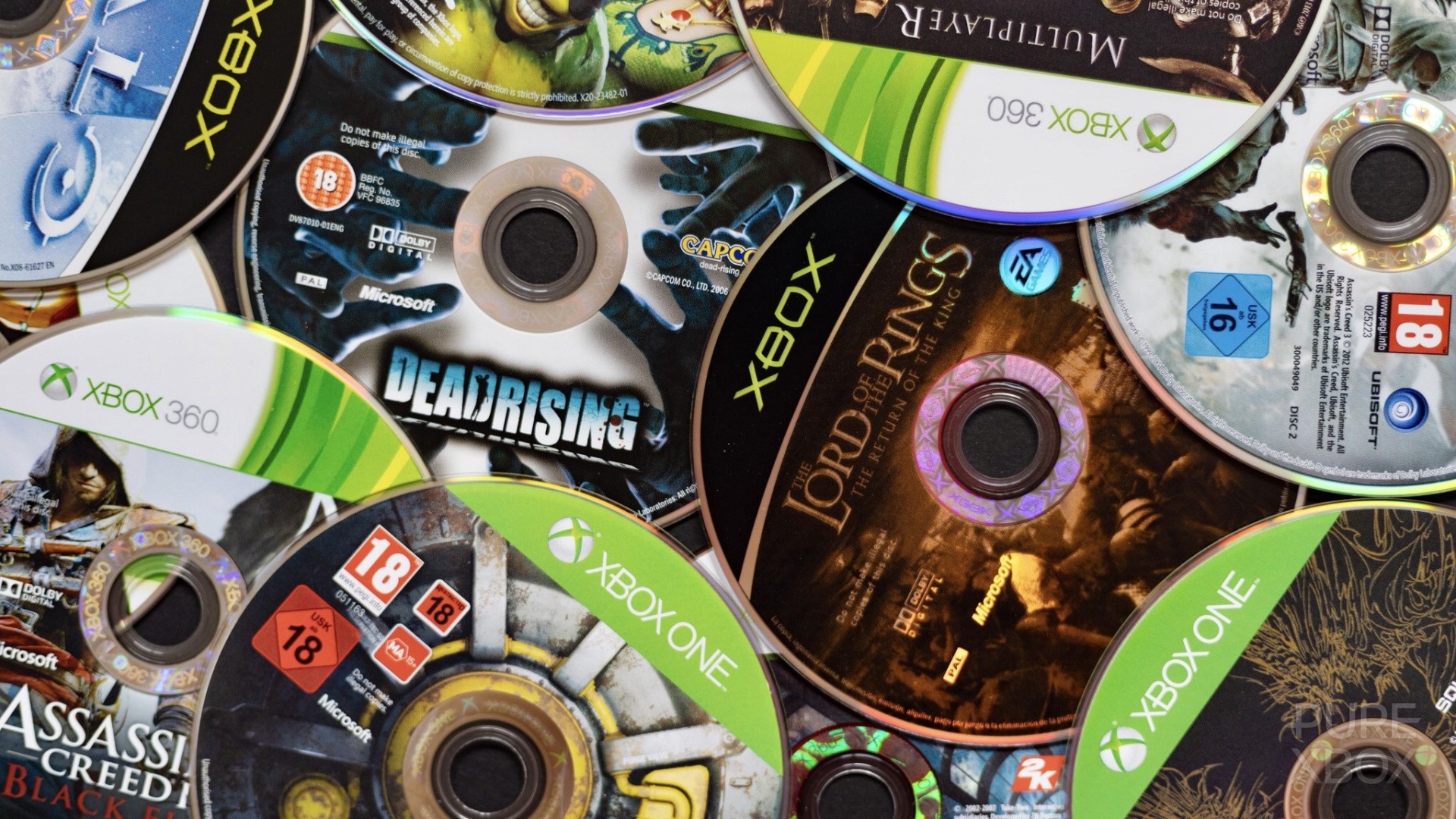
The confluence of a failing optical disc drive supply chain and the introduction of the Disc to Digital program paints a compelling picture for Project Helix. While official details remain under wraps, the industry consensus and logical inferences point strongly towards an all-digital console.
This potential move aligns with broader trends within Xbox’s recent history. The company has already experimented with disc-less hardware, notably with the Xbox One S All-Digital Edition. More recently, the Xbox Series S, a purely digital console, has proven successful, demonstrating a significant market appetite for more affordable, streamlined, and disc-free gaming experiences. Project Helix, expected to launch around 2026, would logically build upon these precedents, refining the all-digital approach for the next console generation.
Furthermore, comments from Xbox executives offer indirect clues. Asha Sharma, a key figure in Xbox’s hardware division, has previously stated that "efficiency and affordability are top of mind for Xbox Project Helix." Eliminating a disc drive from the console design offers significant benefits in both these areas. It reduces manufacturing complexity and cost, removes the need to source increasingly scarce and expensive ODD components, and simplifies the overall bill of materials. These cost savings could potentially translate into a more competitively priced console for consumers, or at least help maintain current price points amidst rising component costs elsewhere. The removal of the drive also frees up internal space, potentially allowing for more efficient cooling, smaller form factors, or reallocation of space for other components.
Broader Industry Context: A Universal Shift
The challenges faced by Xbox are not isolated; they reflect a wider industry-wide gravitation towards digital distribution. This trend has been evident across various entertainment sectors for over a decade. Music moved from CDs to digital downloads and streaming, movies from DVDs/Blu-rays to streaming services, and PC gaming almost entirely transitioned to digital storefronts like Steam, Epic Games Store, and GOG years ago.
In console gaming, the shift has been more gradual but equally undeniable. Digital sales have consistently outpaced physical sales for several years. For example, by 2023, digital game sales accounted for well over 80% of the total game market revenue, a figure that continues to climb. Consumers increasingly value the convenience of instant downloads, avoiding physical clutter, and accessing vast libraries through subscription services like Xbox Game Pass.
Perhaps the most significant external corroboration of this shift comes from Sony’s PlayStation. In a move that sent ripples through the industry, PlayStation announced its intention to cease physical disc-based releases from 2028. This declaration by Xbox’s primary competitor solidifies the perception that the era of physical media in console gaming is rapidly drawing to a close. If both major console manufacturers are moving in this direction, it signals an industry-wide consensus driven by evolving consumer habits, technological advancements, and the underlying economics of manufacturing and distribution.
Economic and Environmental Implications
The transition to an all-digital console future, spearheaded by platforms like Project Helix, carries significant economic and environmental implications.
Economic Benefits:
- Reduced Manufacturing Costs: Eliminating the ODD, disc presses, and associated packaging significantly lowers production costs for both hardware and software. This can free up capital for R&D or allow for more aggressive pricing strategies.
- Streamlined Distribution: Digital distribution removes the complexities and costs associated with manufacturing, shipping, warehousing, and retailing physical units. This directly benefits publishers and developers by reducing middlemen and allowing for direct-to-consumer sales.
- Faster Updates and Iterations: Digital platforms allow for immediate patches, content updates, and quicker deployment of new titles or expansions.
- New Revenue Streams: The focus on digital often enhances subscription services (like Game Pass), which provide recurring revenue and foster ecosystem loyalty.
Environmental Benefits:
- Reduced Material Consumption: Less plastic for discs and cases, less paper for inserts, and less metal/plastic for ODDs.
- Lower Carbon Footprint: Significant reduction in emissions from manufacturing processes, transportation (shipping discs and consoles globally), and retail operations.
- Less Waste: Fewer physical products end up in landfills, contributing to a more sustainable consumption model.
However, it’s crucial to acknowledge the counterarguments. While digital distribution reduces physical waste, it increases energy consumption for data centers, network infrastructure, and user downloads. The overall net environmental impact is a complex calculation, but the tangible reduction in physical manufacturing and logistics is undeniable.
Consumer Reactions and Concerns: The Ownership Debate
Despite the industry’s clear trajectory, the move towards an all-digital future is not without its critics and challenges, primarily from consumers.
A central point of contention is the concept of "ownership." With physical discs, consumers traditionally felt they truly owned their games, with the ability to lend, resell, or retain them indefinitely, irrespective of platform servers. Digital licenses, by contrast, are often perceived as mere rentals, subject to the terms of service of the platform holder. Concerns about games being delisted, servers shutting down (rendering digital purchases inaccessible), or accounts being banned are frequently voiced. The Disc to Digital program partially addresses this for existing libraries but doesn’t solve the fundamental "digital ownership" debate for future purchases.
The disappearance of the secondary market for games is another significant concern. Used game sales have long been a vital part of the gaming economy for many consumers, offering affordable access to titles and a means to recoup some investment from completed games. An all-digital ecosystem effectively eliminates this market, concentrating control over pricing and distribution solely with publishers and platform holders.
Other practical considerations include the increased reliance on robust internet connections for downloading large game files, the need for ample internal storage, and the potential for digital storefronts to be less competitive on pricing compared to physical retailers vying for sales.
There is still a vocal segment of the gaming community holding out hope for an optional disc drive attachment for Project Helix, similar to peripheral drives offered for other devices. This would cater to purists or those with slower internet connections while allowing Xbox to still pursue an all-digital primary console. However, the feasibility of such an attachment is subject to the same supply chain constraints. If sourcing ODDs for a primary console is difficult, manufacturing them as optional, lower-volume peripherals might still be economically challenging or result in a prohibitively expensive add-on.
Official Silence and the Road Ahead
As of now, Microsoft has maintained an official silence regarding the specific hardware configuration of Project Helix, including its stance on disc support. This is standard practice in the highly competitive console market, where companies typically withhold details until a formal reveal event to maximize impact and prevent competitors from gaining an advantage.
However, the confluence of compelling external reports about the collapsing optical disc drive supply chain, Xbox’s proactive launch of the Disc to Digital program, and the clear industry-wide shift towards digital distribution makes the inference of an all-digital Project Helix increasingly difficult to ignore. The logistical and economic pressures on Microsoft to integrate a disc drive appear to be mounting, while the strategic benefits of omitting it become clearer.
Consumers and industry observers alike will be keenly awaiting an official announcement, which is likely to occur closer to Project Helix’s anticipated launch window in 2026. When that announcement comes, it will not merely confirm hardware specifications; it will likely represent a definitive statement on the future direction of console gaming, signaling a nearly complete embrace of the digital frontier. The path forward for Xbox, it appears, is being paved not just by technological ambition, but by the stark realities of a changing global supply chain.