


The video game industry is experiencing a significant downturn in hardware sales, with July marking a stark contrast to the previous year. According to data released by industry analytics firm Circana, total hardware unit sales plummeted by a staggering 39 percent year-over-year. This sharp decline, occurring against a backdrop of increased hardware prices, has resulted in a 29 percent overall decrease in consumer expenditure on gaming consoles and accessories.
July’s Hardware Slump: A Comprehensive Overview
Mat Piscatella, a prominent industry analyst at Circana, reported that July 2023 witnessed a substantial contraction in the video game hardware market. The overall unit sales decrease of 39 percent is a significant indicator of shifting consumer behavior and market dynamics. Compounding this issue, the average selling price of gaming hardware has seen an increase of approximately 16 percent compared to the previous year. This price hike, coupled with the reduced volume of sales, has translated into a 29 percent drop in total dollar expenditure by consumers on gaming hardware during the month.
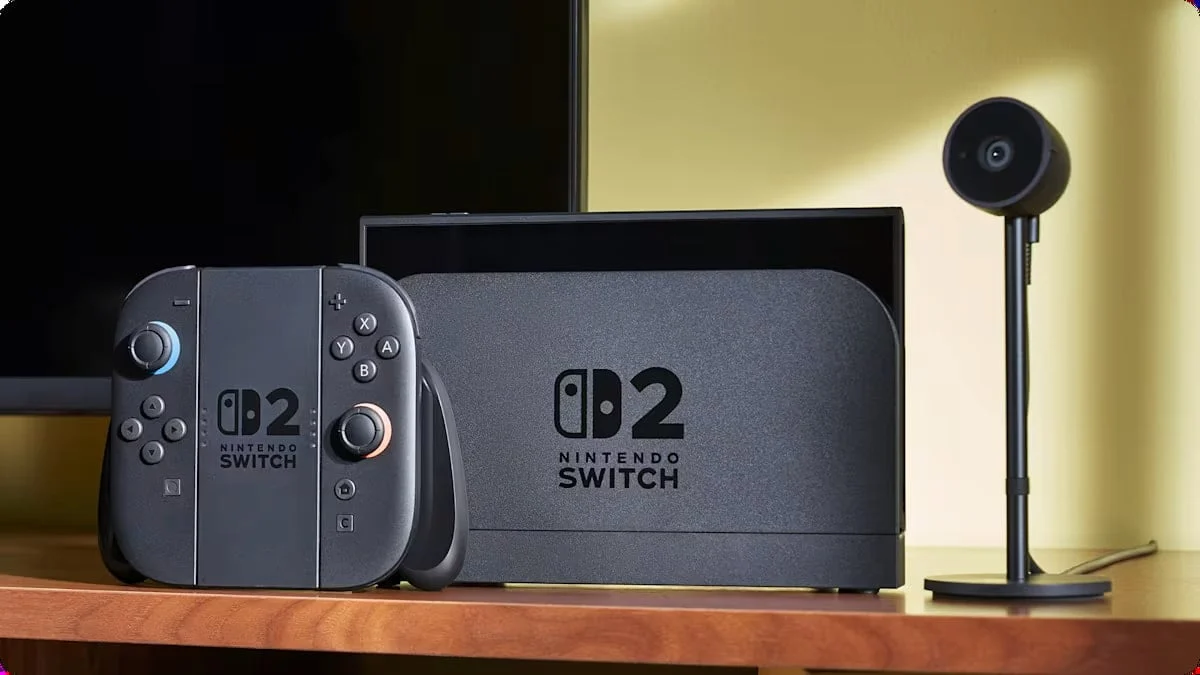
The impact of these broader market trends has not been uniform across all console manufacturers. The PlayStation 5, despite facing challenges, demonstrated resilience with the smallest decline in unit sales, registering a modest decrease of 6 percent. The Xbox platform experienced a more pronounced dip, with hardware sales falling by 18 percent. However, the most significant contraction was observed with the Nintendo Switch, which saw a dramatic 51 percent decline in unit sales when comparing July 2023 to July 2022. This substantial drop raises questions about the future trajectory of the current Nintendo Switch model and the company’s upcoming hardware strategy.
Despite the sharp decline in sales for its current iteration, the Nintendo Switch family of consoles continues to hold the title of the best-selling console in terms of cumulative units sold. Piscatella’s analysis suggests that the Switch is on a trajectory to surpass the all-time sales figures of its predecessor. This enduring popularity in cumulative sales underscores the significant install base the Switch has cultivated over its lifespan. However, it also highlights the comparatively lower raw unit sales volumes for both the PlayStation 5 and Xbox, even as their higher price points may contribute to more favorable profit margins on individual sales.
The AI Factor: A Lingering Influence on Hardware Availability and Pricing
The underlying cause for the elevated prices and, consequently, the dampened consumer spending, is deeply intertwined with the burgeoning demand for Artificial Intelligence (AI) technologies. The insatiable appetite of AI development for advanced computing resources, particularly high-bandwidth memory (HBM) and specialized processors, has created significant supply chain pressures. These critical components are not only essential for AI training and inference but are also integral to the production of a wide array of consumer electronics, including gaming consoles.
The global semiconductor industry, which forms the backbone of modern hardware production, has been grappling with a bifurcated demand. On one hand, the rapid advancement and deployment of AI models have led to an unprecedented surge in the need for cutting-edge chips. On the other hand, the production capacity for these sophisticated components is finite and requires substantial lead times for expansion. This dynamic has resulted in a prioritization of AI-related chip orders by manufacturers, often at the expense of other sectors.
This imbalance has directly impacted the availability and cost of essential components for gaming hardware. Memory chips, graphics processing units (GPUs), and other specialized silicon are now subject to higher demand from AI applications, leading to increased manufacturing costs and longer procurement cycles for console makers. Consequently, these elevated costs are inevitably passed on to consumers in the form of higher retail prices for consoles, accessories, and even PC components. The ripple effect extends beyond gaming, influencing the pricing of smartphones, smart home devices, and virtually any product incorporating digital components.
Chronology of Impact: From AI Boom to Hardware Slowdown
The current situation is not an overnight development but rather a culmination of trends that have been building over the past couple of years. The initial surge in demand for gaming hardware during the COVID-19 pandemic, fueled by lockdowns and increased leisure time, already strained supply chains. However, the rapid acceleration of AI research and development, particularly in the last 18-24 months, has introduced a new and potent factor into the equation.
- Early 2022: Initial signs of memory chip shortages and increased pricing begin to surface, partly attributed to pandemic-related disruptions and a general increase in demand for consumer electronics.
- Late 2022 – Early 2023: The generative AI boom gains significant traction with the public release of models like ChatGPT. This marks a turning point in the demand for AI-specific hardware, particularly high-end GPUs and specialized memory.
- Mid-2023: The impact of AI-driven demand on the semiconductor supply chain becomes increasingly apparent. Reports emerge of manufacturers prioritizing AI chip orders, leading to extended lead times and rising costs for components used in a broader range of electronics.
- July 2023: Circana data reveals the dramatic decline in video game hardware sales, directly correlating with the sustained period of elevated prices and potentially constrained availability influenced by the AI hardware race.
This timeline illustrates how the accelerating pace of AI innovation has superimposed itself onto existing supply chain vulnerabilities, creating a complex economic environment for the consumer electronics market.
Supporting Data and Market Trends
The Circana report provides a quantitative snapshot of the current market sentiment. The 39 percent year-over-year decline in hardware unit sales is a significant contraction, indicating a broad reluctance among consumers to invest in new gaming consoles at current price points.
- Total Hardware Unit Sales (July 2022 vs. July 2023): Down 39%
- Average Hardware Price Increase: Up 16%
- Total Hardware Expenditure (July 2022 vs. July 2023): Down 29%
Breaking down the performance by console:
- PlayStation 5: Unit sales down 6%
- Xbox: Unit sales down 18%
- Nintendo Switch: Unit sales down 51%
While the Nintendo Switch has seen the most dramatic percentage decline, its continued dominance in cumulative unit sales remains a key factor in the overall market landscape. This suggests that while new Switch purchases are slowing considerably for the current model, its established user base and unique appeal continue to resonate. Conversely, the smaller percentage declines for PS5 and Xbox might be attributed to their higher price points, which could mean fewer units sold but potentially higher revenue per unit, especially when factoring in the 16% overall price increase.
Broader Implications and Industry Reactions
The current hardware sales downturn has several significant implications for the video game industry and beyond.
- Impact on Game Development and Sales: A smaller installed base of new consoles could lead to a slowdown in the adoption of cutting-edge gaming technologies and potentially impact the sales of new AAA titles that rely on the latest hardware capabilities. Developers might face a more cautious market, potentially influencing their investment in next-generation game development.
- Shift in Consumer Spending: Consumers may be reallocating their discretionary spending away from expensive hardware towards other forms of entertainment or essential goods. This could also lead to an increased focus on digital game sales and subscription services, which offer more accessible entry points into gaming.
- Future of Console Generations: The current pricing and availability challenges could influence the strategies of console manufacturers for future hardware generations. There might be a greater emphasis on cost-effective component sourcing, staggered release strategies, or a more pronounced focus on digital-only consoles to mitigate some of the hardware production costs.
- Interplay with PC Gaming: The high cost of gaming GPUs, also affected by AI demand, could make PC gaming a less attractive option for some consumers, potentially driving more users towards consoles if they become relatively more affordable or accessible. However, the current trends suggest a widespread issue across all hardware segments.
While official statements from major console manufacturers regarding the July sales figures have been limited, the data from Circana is widely respected as a key indicator of market health. Industry observers anticipate that manufacturers will closely monitor these trends and potentially adjust their production, pricing, and marketing strategies in response. The long-term impact of AI’s demand on the consumer electronics supply chain remains a critical factor to watch, as it influences not only the gaming industry but also the broader technological landscape. The current market dynamics suggest a complex interplay between technological innovation, consumer purchasing power, and global supply chain realities, all of which are contributing to a challenging environment for hardware sales.