


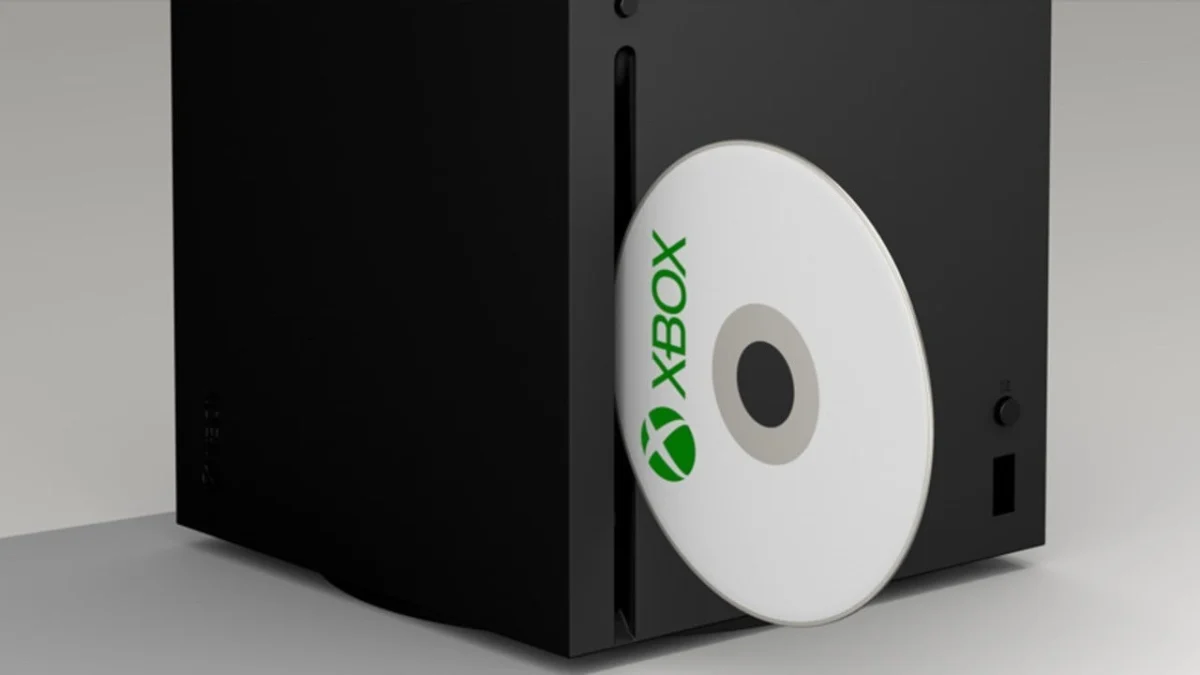
Redmond, WA – Xbox has officially unveiled its highly anticipated "Disc to Digital" program, a groundbreaking initiative designed to allow gamers to convert their physical Xbox One and Xbox Series X game libraries into digital entitlements. This move, which has been the subject of industry rumors for months, represents a significant evolution in game ownership and preservation, aiming to bridge the gap between traditional physical media and the growing prevalence of digital distribution. The program is set to roll out to a select group of Xbox Insiders next week, with a broader public launch slated for August 31st.
A New Era for Game Ownership: Bridging Physical and Digital
The "Disc to Digital" program addresses a long-standing desire within the gaming community to retain the value and access of their physical game collections while embracing the convenience and modern features of digital formats. For years, gamers have debated the merits of physical discs versus digital downloads, with each format offering distinct advantages and disadvantages. Physical games provide tangible ownership, often allowing for resale and collection, but come with the inconvenience of disc swapping and reliance on optical drives. Digital games offer instant access, portability across consoles, and integration with cloud services, but often lack the resale value and sense of true ownership that physical media provides. Xbox’s new program seeks to offer the best of both worlds.
Upon launch, thousands of Xbox One and Xbox Series X disc-based games will be eligible for conversion. The process is remarkably straightforward: players simply insert a supported physical game disc into an Xbox One or Xbox Series X console and launch the game. This action will trigger the claim of a digital entitlement linked to their Xbox account. Crucially, Xbox has confirmed that "your physical disc continues to work exactly as it always has," indicating that the conversion process does not invalidate the original physical disc. This detail carries significant implications for game preservation, the used game market, and consumer choice, ensuring that gamers retain full functionality of their original purchase while gaining a digital counterpart.
The benefits of claiming a digital entitlement are substantial. Once converted, games will support Xbox Play Anywhere, allowing users to play eligible titles across both Xbox consoles and Windows PCs with a single purchase. Furthermore, converted titles will integrate with Xbox Cloud Gaming where supported, offering the flexibility to stream games on various devices without the need for a console. This significantly enhances accessibility and convenience, transforming a static physical library into a dynamic, cross-platform experience.
Timeline of a Transformation: From Whispers to Official Rollout
The journey to the "Disc to Digital" program has been a protracted one, rooted in evolving industry trends and persistent community feedback.
- Early 2010s: The gaming industry witnesses a rapid acceleration in digital distribution, spearheaded by platforms like Steam on PC and the burgeoning digital storefronts on consoles (Xbox Live Marketplace, PlayStation Store). This period sees initial discussions and concerns about the future of physical media.
- 2013: Xbox One’s Initial Stance: Microsoft’s original vision for the Xbox One sparked significant controversy with its initial focus on an "always-online" requirement and restrictions on used physical games. The proposed system, which involved linking physical discs to a single user account, was met with widespread backlash, leading Microsoft to reverse course before the console’s launch. This early attempt highlighted the complexities and sensitivities surrounding physical game rights in a digital age.
- Mid-2010s: Digital Dominance Grows: Digital game sales steadily increase, with many publishers shifting focus to digital-first releases, downloadable content, and season passes. The convenience of digital purchases, especially for new releases, becomes a major draw.
- Late 2010s: The Rise of Disc-less Consoles: Microsoft introduces the Xbox One S All-Digital Edition in 2019, followed by the Xbox Series S in 2020 – both consoles designed without an optical disc drive. These consoles underscore Microsoft’s commitment to a digital-centric future, yet simultaneously highlight the dilemma for gamers with extensive physical libraries who wished to upgrade to disc-less hardware.
- Early 2020s: Rumors Intensify: Speculation regarding a "disc-to-digital" conversion feature gains traction. Patents and insider reports begin to circulate, detailing potential mechanisms for verifying physical discs and granting digital licenses. The community’s demand for such a feature grows louder, especially among those who feel their physical collections are being left behind by digital-only hardware.
- July 2026: Official Announcement: Xbox officially confirms the "Disc to Digital" program, validating years of rumors and addressing a critical need for many users. The announcement positions the feature as a cornerstone of Xbox’s broader commitment to game preservation and player choice.
- Next Week (Late July/Early August 2026): Insider Rollout: The program will first be available to a select group of Xbox Insiders, allowing Microsoft to gather crucial feedback and fine-tune the system before a wider release. This phased rollout is standard practice for significant platform features.
- August 31st, 2026: Public Launch: The "Disc to Digital" program becomes available to all Xbox One and Xbox Series X owners, enabling a widespread conversion of physical libraries.
Official Stance and Supporting Data: A Commitment to Preservation
Xbox emphasizes that the "Disc to Digital" initiative is a core component of its "broader commitment to game preservation." In an official statement, the company articulated its philosophy: "As technology, devices, and distribution continue to evolve, preserving access to the games people own matters more than ever." This statement resonates deeply with gamers who have witnessed beloved titles become inaccessible due to platform obsolescence, expiring licenses, or the discontinuation of physical media.
The drive for digital preservation is supported by robust industry trends. Data from various market research firms consistently show a decline in physical game sales over the past decade. For instance, reports from analytics groups like NPD Group (now Circana) and GfK have indicated a steady year-over-year decrease in physical software revenue, while digital sales continue to dominate the market. In 2023, digital sales accounted for well over 80% of total game sales revenue across major platforms. This shift, while beneficial for publishers in terms of distribution costs and direct sales, raises concerns among consumers about the long-term viability and accessibility of their purchased content. The "Disc to Digital" program offers a potential solution, safeguarding physical purchases against the eventual obsolescence of disc drives or the physical degradation of media.
While the initial launch will focus exclusively on Xbox One and Xbox Series X physical games, the door remains open for future expansion. The announcement currently provides no details on potential support for original Xbox or Xbox 360 discs. However, given Xbox’s long-standing backward compatibility efforts – which already allow many original Xbox and Xbox 360 titles to be played on newer consoles – it is not unreasonable to infer that support for these legacy formats could be considered in future updates, further cementing the platform’s dedication to preserving gaming history.
Implications and Broader Impact: A Paradigm Shift for Gaming
The introduction of Xbox’s "Disc to Digital" program carries profound implications for various stakeholders within the gaming ecosystem:
For Consumers:
- Enhanced Convenience: Gamers can now enjoy their physical library without the need to insert discs, making titles accessible instantly from their digital library, regardless of which Xbox console they are using (including disc-less Series S models).
- Future-Proofing Collections: By converting physical discs to digital entitlements, players gain a layer of security against disc damage, loss, or the eventual removal of optical drives from future console generations. This ensures long-term access to their purchased games.
- Cross-Platform Access: The integration with Xbox Play Anywhere and Xbox Cloud Gaming expands where and how players can access their games, offering unprecedented flexibility.
- Impact on Used Game Market: The fact that the physical disc "continues to work exactly as it always has" is a critical detail. This implies that the digital entitlement is a bonus or additional copy granted to the account, rather than a consumption or invalidation of the physical disc. This could potentially allow the disc to be sold or given away, while the original owner retains a digital copy. If this interpretation holds, it could significantly alter the dynamics of the used game market, potentially leading to a more robust secondary market for physical discs, as they effectively become "keys" for a digital copy, even if that key is tied to a specific account upon first use. Alternatively, if the digital entitlement is truly a one-time claim per unique disc ID and account, it might not directly impact the secondary market beyond providing an option for the original owner. The precise terms of repeated claims or transferability will be crucial.
- Digital Parity: Owners of Xbox Series S consoles, which lack a disc drive, will finally be able to access their legacy physical collections, removing a significant barrier that previously forced them to re-purchase games digitally or maintain an older disc-enabled console.
For Game Developers and Publishers:

- Expanded Reach for Back Catalog: Older titles, once confined to physical media, can now reach a broader audience through digital storefronts and cloud services, potentially extending their lifecycle and generating renewed interest.
- Data Insights: Microsoft could gain valuable data on physical game ownership and usage patterns, which could inform future development and marketing strategies.
- No Direct Revenue Model (Currently): As the announcement does not mention a fee for conversion, it appears to be a value-added service rather than a direct revenue generator for publishers or Xbox. This makes it a significant goodwill gesture towards consumers.
For Retailers (Especially Physical Game Stores):
- Potential for Further Shift to Digital: While the program does not invalidate physical discs, it removes a key advantage of physical ownership (the ability to play without re-downloading or on disc-less consoles). This could subtly encourage more players to move towards purely digital purchases in the future.
- Used Game Market Dynamics: Depending on the exact implementation of the "physical disc continues to work" clause, the used game market could experience complex shifts. If discs can effectively "unlock" a digital copy for a new owner (e.g., after the original owner sells it), it could create new value. If it’s a one-time claim per unique disc ID and account, the impact might be less direct on the secondary market’s overall value proposition.
For the Broader Gaming Industry and Competitors:
- Competitive Pressure: This move places pressure on competitors like Sony (PlayStation) and Nintendo to consider similar initiatives. PlayStation has previously patented concepts related to disc-to-digital conversion, indicating that the idea has been explored within the industry. If Xbox’s program is successful, it could become a standard expectation for console platforms.
- Redefining "Ownership": The program further blurs the lines between physical and digital ownership, suggesting a future where content access is paramount, regardless of the original purchase format. It could lead to a more unified approach to content libraries across platforms.
- Sustainability: Reducing reliance on physical media production and distribution, even incrementally, aligns with broader environmental sustainability goals.
Analyst and Community Reactions
Industry analysts have largely hailed the "Disc to Digital" program as a strategic win for Xbox. "This is a forward-thinking move that directly addresses a major pain point for a significant segment of the gaming population," stated Dr. Eleanor Vance, a lead analyst at Gaming Market Insights. "It enhances the value proposition of the Xbox ecosystem, particularly for Series S owners, and demonstrates a genuine commitment to game preservation that resonates deeply with long-time players. The fact that the physical disc remains functional is a particularly generous aspect that differentiates it from previous attempts at similar systems."
The gaming community’s reaction has been overwhelmingly positive. Forums and social media platforms are abuzz with excitement, with many players expressing relief and gratitude for a feature they have long requested. "Finally! I can clear out my disc cases but still keep my games," commented one user on a popular gaming forum. Another added, "This is huge for my Series S. Now I don’t have to rebuy my entire Xbox One library."
The Path Forward: A Vision for Unified Gaming
The "Disc to Digital" program is more than just a convenience feature; it represents a significant philosophical statement from Xbox about the future of game ownership. By empowering players to convert their physical libraries, Xbox is not only enhancing accessibility and choice but also reinforcing its commitment to game preservation in an increasingly digital world. While questions remain about the eventual expansion to original Xbox and Xbox 360 titles, and the precise long-term effects on the used game market, the immediate impact is clear: Xbox is taking a bold step towards a more unified, player-centric gaming experience where the format of purchase becomes less of a barrier and more of a choice. As the program rolls out to Insiders next week and then globally on August 31st, the gaming world will be watching closely to see this transformative vision unfold.