


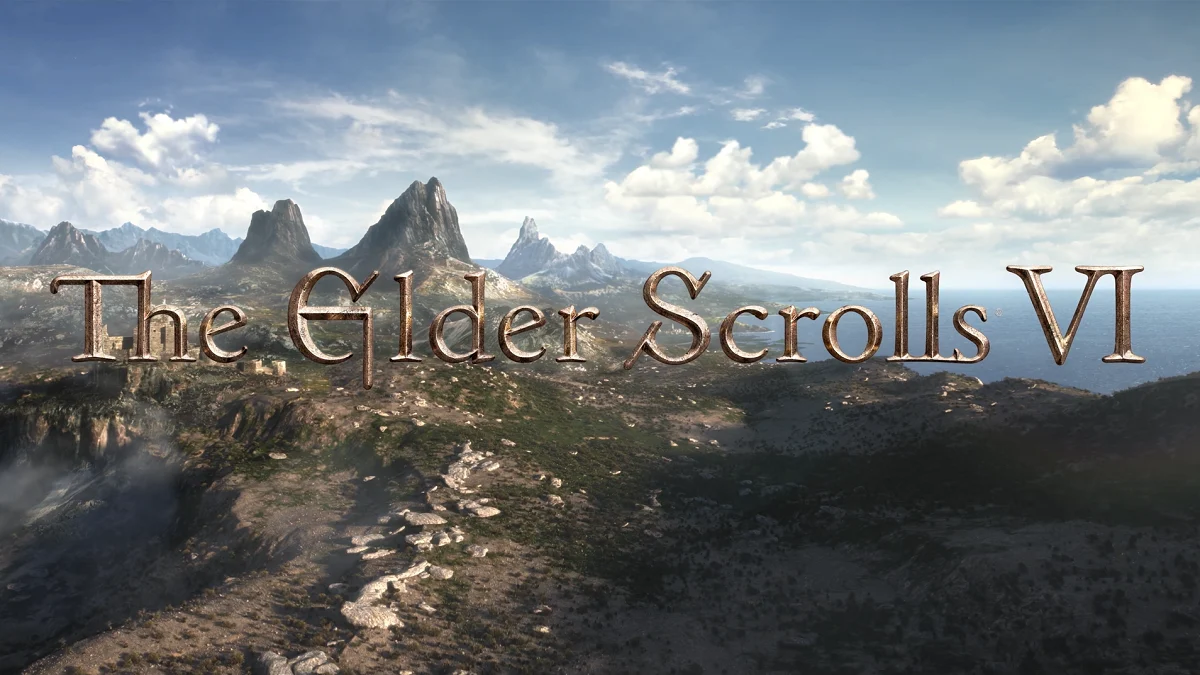
The long-anticipated development of The Elder Scrolls VI has once again captured the attention of the gaming community, with recent pronouncements from Xbox CEO Asha Sharma offering a tantalizing, albeit brief, glimpse into the project’s progress. While these statements have ignited a fresh wave of speculation and hope among fans, they arrive against a backdrop of significant studio restructuring and employee concerns within Microsoft’s gaming division.
A Glimpse of Progress: Sharma’s Teaser
In a series of recent communications, Xbox CEO Asha Sharma has provided updates that, while not revealing concrete gameplay or release dates, have signaled continued forward momentum for The Elder Scrolls VI. The most recent notable comment came via Sharma’s social media platform, where she alluded to a "live playthrough" of the game. Describing the experience, she stated, "The scale and grandeur are incredible. The story is even greater," accompanied by a cryptic string of eight asterisks, presumably standing in for the game’s yet-to-be-revealed subtitle.
This statement follows a previous update from Bethesda, the studio behind the venerable Elder Scrolls franchise, which indicated that The Elder Scrolls VI was "where we planned to be" in its development cycle. This remark, made eight years after the game’s initial announcement during E3 2018, has been a point of contention and discussion among fans who have endured a prolonged period of anticipation without tangible previews.
Timeline of Anticipation and Development Signals
The journey of The Elder Scrolls VI from announcement to its current, albeit opaque, stage of development has been a protracted one.
- E3 2018: Bethesda officially unveils The Elder Scrolls VI with a short teaser trailer, confirming its existence but offering no gameplay details or estimated release window. This announcement, while met with immense excitement, immediately sparked discussions about the long development cycle ahead, especially considering the success and longevity of its predecessor, The Elder Scrolls V: Skyrim.
- 2020 onwards: Bethesda Game Studios, under the umbrella of ZeniMax Media, is acquired by Microsoft in a landmark deal finalized in March 2021. This acquisition places The Elder Scrolls VI firmly within the Xbox ecosystem, leading to widespread speculation about its exclusivity.
- 2022-2023: Development on Starfield, Bethesda’s ambitious new intellectual property, consumes a significant portion of the studio’s resources. The game is eventually released in September 2023 to a mixed reception, with some praising its scope and ambition, while others criticized its technical performance and repetitive gameplay loops.
- Early 2024: Reports emerge detailing alleged issues within Bethesda Game Studios, including claims of "shattered morale," extensive crunch, and production delays impacting projects. These reports surface amidst broader organizational changes within Microsoft Gaming.
- April 2024: Bethesda provides a statement to media outlets, asserting that The Elder Scrolls VI is "where we planned to be" in its development. This vague update, while intended to reassure, further fuels fan impatience due to the lack of concrete information.
- June 2024: Xbox CEO Asha Sharma makes her recent social media posts, hinting at a playable build of The Elder Scrolls VI and praising its "incredible" scale and "greater" story.
Fan Reactions and Industry Expectations
Sharma’s recent comments have predictably generated a flurry of activity across gaming forums and social media. The prevailing sentiment among long-time fans is a mixture of cautious optimism and enduring skepticism. Many are eager for any positive news, but the extended silence and lack of visual representation for The Elder Scrolls VI have fostered a climate of doubt.
Discussions frequently revolve around core fan desires. A significant portion of the Xbox community has vocally advocated for the game to be an Xbox exclusive, a strategic move that would bolster Microsoft’s console offerings against competitors. Simultaneously, there are strong calls for the game to be made available on physical media, a preference for many collectors and those concerned about digital-only releases. Concerns about potential bugs at launch, a recurring issue with large-scale RPGs, are also prevalent, reflecting past experiences with ambitious titles.
The extended development period has led some analysts to speculate about a potential release window that could extend well into the latter half of the decade, with dates like 2029 or 2030 being discussed as realistic possibilities, if not later. This is particularly notable given that The Elder Scrolls V: Skyrim, the franchise’s most recent mainline installment, was released in 2011, meaning a potential gap of nearly two decades between major entries.
Broader Context: Studio Dynamics and Layoffs
The pronouncements regarding The Elder Scrolls VI cannot be entirely divorced from the recent organizational shifts and challenges within Microsoft Gaming. The acquisition of ZeniMax Media, and subsequently Bethesda, brought a renowned studio into Microsoft’s fold. However, this integration has not been without its difficulties.
Earlier in 2024, reports surfaced detailing alleged issues within Bethesda Game Studios, citing concerns over "shattered morale," extensive periods of crunch, and production delays. These reports, if accurate, suggest internal struggles that could impact development timelines and the quality of future titles. Furthermore, in January 2024, Microsoft Gaming implemented significant layoffs, impacting numerous studios under its umbrella, including Bethesda and Activision Blizzard, which was acquired in late 2023. These layoffs, described by Xbox CEO Phil Spencer as a "reset" to focus on future growth, have led to a reduction in workforce across the gaming division.
A significant development on August 12th, as reported by Tom Warren of The Verge, brought these concerns to the forefront during an event where CEO Asha Sharma visited Bethesda Game Studios. Union members from the Communications Workers of America (CWA) organized a protest, inflating a giant inflatable rat, known as "Scabby," a common symbol used in labor disputes to represent exploitative employers. Red flags, each representing a laid-off employee, were also planted. This demonstration underscored the palpable tension and dissatisfaction among some employees regarding the recent workforce reductions and the broader corporate direction.
Analysis of Implications
The recurring updates, however sparse, on The Elder Scrolls VI serve a dual purpose: they maintain fan engagement and signal to stakeholders that the project remains a priority. However, the timing of these updates, juxtaposed with reports of studio difficulties and significant layoffs, raises questions about the sustainability of Bethesda’s development practices and the overall health of Microsoft’s gaming studios.
The success of The Elder Scrolls VI is critical for Bethesda’s reputation and for Microsoft’s strategy in the premium RPG market. The franchise holds immense cultural significance in the gaming world, and expectations for its next installment are astronomically high. Any perceived missteps in development, such as further delays, significant bugs, or a departure from the series’ core tenets, could have a substantial negative impact on player trust and brand loyalty.
The current approach of providing minimal, often cryptic, updates can be seen as a double-edged sword. While it keeps the game in the public consciousness, it also risks fostering an environment of unrealistic expectations or, conversely, complete apathy due to the sheer length of the development cycle without tangible evidence of progress.
Conclusion: Awaiting Tangible Evidence
While the recent comments from Xbox CEO Asha Sharma offer a glimmer of hope that The Elder Scrolls VI is indeed playable and progressing, they are, by necessity, insufficient to quell the deep-seated concerns of a dedicated fanbase. The "incredible" scale and "greater" story remain abstract concepts until they can be experienced firsthand.
The gaming public will continue to await concrete details, gameplay demonstrations, and, most importantly, a confirmed release window. Until such tangible evidence is presented, the pronouncements, while potentially indicative of internal progress, will likely continue to resonate with a degree of hollowness for those who have been anticipating this monumental title for nearly a decade. The future of The Elder Scrolls VI remains a story still being written, with its ultimate narrative arc dependent on Bethesda’s ability to navigate its development challenges and deliver on the immense promise of this beloved franchise.