


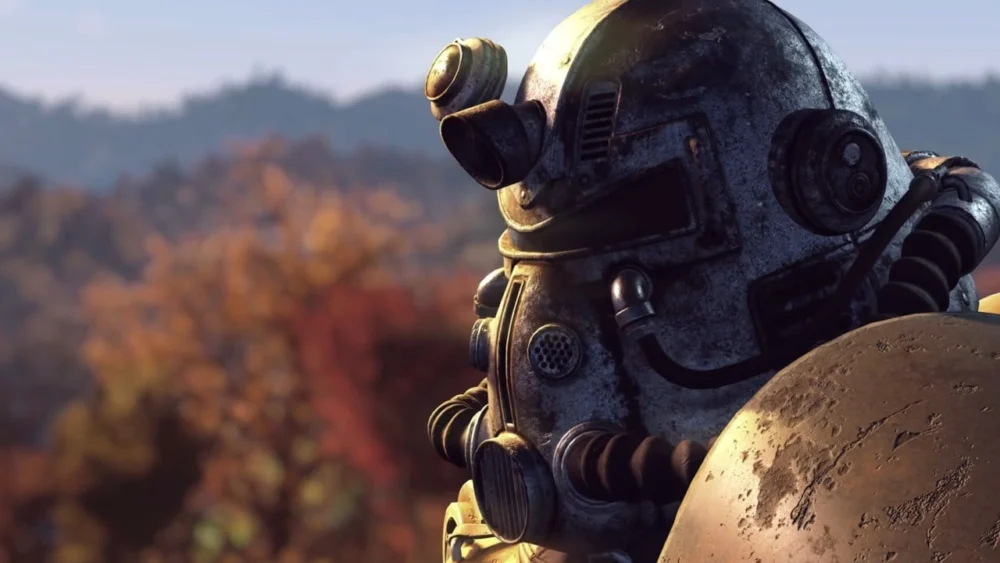
Leading support developer Iron Galaxy Studios has ignited widespread speculation within the gaming community following a cryptic social media and LinkedIn post strongly hinting at involvement with the critically acclaimed Fallout franchise. The studio, known for its extensive work assisting major publishers and its own developed titles, shared an image prominently featuring the iconic Fallout "Please Stand By" imagery across multiple monitors, accompanying a workplace update about the company’s current and future endeavors. This deliberate visual cue, devoid of explicit textual context, has immediately led to a significant "frenzy" among fans, who are now eagerly dissecting the implications, primarily pointing towards potential remasters of beloved Fallout titles such as Fallout 3 and Fallout: New Vegas.
The teaser emerged just days ago when Iron Galaxy Studios updated its LinkedIn page, traditionally a platform for professional networking and corporate announcements, with a post detailing internal activities and upcoming projects. The accompanying image, far from a generic office shot, prominently displayed multiple computer screens emblazoned with the distinctive "Please Stand By" message, instantly recognizable to any fan of Bethesda Game Studios’ post-apocalyptic role-playing series. This imagery, a staple of Fallout‘s pre-war emergency broadcast aesthetic and often used during loading screens, leaves little room for ambiguity regarding the intellectual property being referenced. Concurrently, the same visual was disseminated across Iron Galaxy’s other social media channels, amplifying its reach and impact. The strategic deployment of this tease across professional and public platforms suggests a calculated move designed to generate buzz without committing to specific announcements, a common tactic in the video game industry ahead of major reveals.
Iron Galaxy Studios: A Profile in Support Development
To fully grasp the potential ramifications of this tantalizing tease, it is imperative to delve into the operational history and technical proficiencies of Iron Galaxy Studios. Established in 2008 by a cadre of seasoned industry veterans, the Chicago-based studio has meticulously carved out a distinguished niche as a highly capable and exceptionally versatile developer. Its reputation is firmly built upon its renowned prowess in complex porting operations, its invaluable contributions to co-development initiatives, and its successful forays into crafting original fighting game titles. The studio’s expansive portfolio is a testament to its diverse range of projects, consistently demonstrating a profound technical acumen across a multitude of platforms and an impressive array of gaming genres.
While Iron Galaxy has garnered acclaim for its independent ventures, such as its critical role in the development of Killer Instinct (specifically Seasons 2 and 3) for the Xbox platform, and its innovative, if niche, fighting game Divekick, a substantial portion of its operational output involves providing crucial developmental support to larger, more established studios and publishing houses. The studio boasts an extensive and highly successful track record of collaborating with major industry players, frequently undertaking intricate porting assignments that demand meticulous attention to detail and robust technical solutions. Furthermore, it regularly lends its specialized engineering expertise to large-scale development projects, filling critical technical gaps for its partners. This extensive background positions Iron Galaxy as a prime and highly credible candidate for undertaking a project as significant and technically demanding as the remastering or co-development of a high-profile title within the Fallout universe.
Crucially, Iron Galaxy is by no means an unfamiliar entity within the sprawling Bethesda ecosystem, nor is it a stranger to collaborative efforts with Xbox. The studio has previously extended its developmental support to various projects nestled within both the revered Fallout and The Elder Scrolls universes. While the specific granular details of these past contributions often remain veiled behind the confidentiality clauses inherent in non-disclosure agreements—a common practice for support roles—their sustained engagement with Bethesda properties unequivocally underscores a foundational and deep-seated understanding of these expansive game worlds, their intricate lore, and their underlying proprietary technologies. Moreover, their recent collaborative endeavor with Xbox’s Activision team on Tony Hawk’s Pro Skater 3+4 (a reference likely encompassing their contributions to the highly successful Tony Hawk’s Pro Skater 1 + 2 remake and its potential future iterations, particularly in light of Activision’s recent acquisition by Microsoft) serves to highlight their proven capacity for effectively modernizing beloved and established franchises, and their demonstrated ability to seamlessly integrate within Microsoft’s increasingly broad and diversified gaming ecosystem. This rich historical tapestry of collaboration and technical expertise establishes a clear and compelling precedent for their potential involvement in a significant Fallout-related undertaking.
The Enduring Legacy of the Fallout Franchise
The Fallout franchise itself is not merely a collection of video games; it carries an immense cultural weight and boasts a rich, storied history, rendering any news concerning new projects or revivals of its beloved titles intensely anticipated. The series first emerged in 1997 under the stewardship of Interplay Entertainment, swiftly distinguishing itself within the nascent RPG landscape with its uniquely compelling post-apocalyptic retro-futuristic setting, its pervasive dark humor, and its deeply intricate role-playing mechanics that offered unparalleled player agency. Following Interplay’s well-documented financial difficulties, the esteemed publishing house Bethesda Softworks strategically acquired the intellectual property rights to the franchise in 2007, a pivotal moment that fundamentally reshaped its developmental trajectory and future direction.
Bethesda Game Studios’ Fallout 3, released in 2008, represented a monumental shift, ushering the series into a full 3D open-world RPG format. This groundbreaking title garnered numerous Game of the Year awards and successfully introduced the complex nuances of the Fallout universe to an entirely new generation of players. This triumph was closely followed by Fallout: New Vegas in 2010, a title developed by Obsidian Entertainment, which is widely celebrated by a significant segment of the fanbase as a narrative masterpiece. New Vegas is particularly lauded for its intricate quest design, its compelling and morally ambiguous factions, and the profound weight of its player-driven moral choices. Both Fallout 3 and New Vegas were built upon Bethesda’s proprietary Gamebryo engine (which later evolved into the Creation Engine), an engine that, while innovative and groundbreaking for its era, now presents considerable technical challenges when attempting to run on contemporary hardware and modern operating systems. The aging graphical fidelity and occasional stability issues experienced by these titles on current-generation systems have consistently fueled fervent calls from the community for comprehensive remasters or complete remakes.
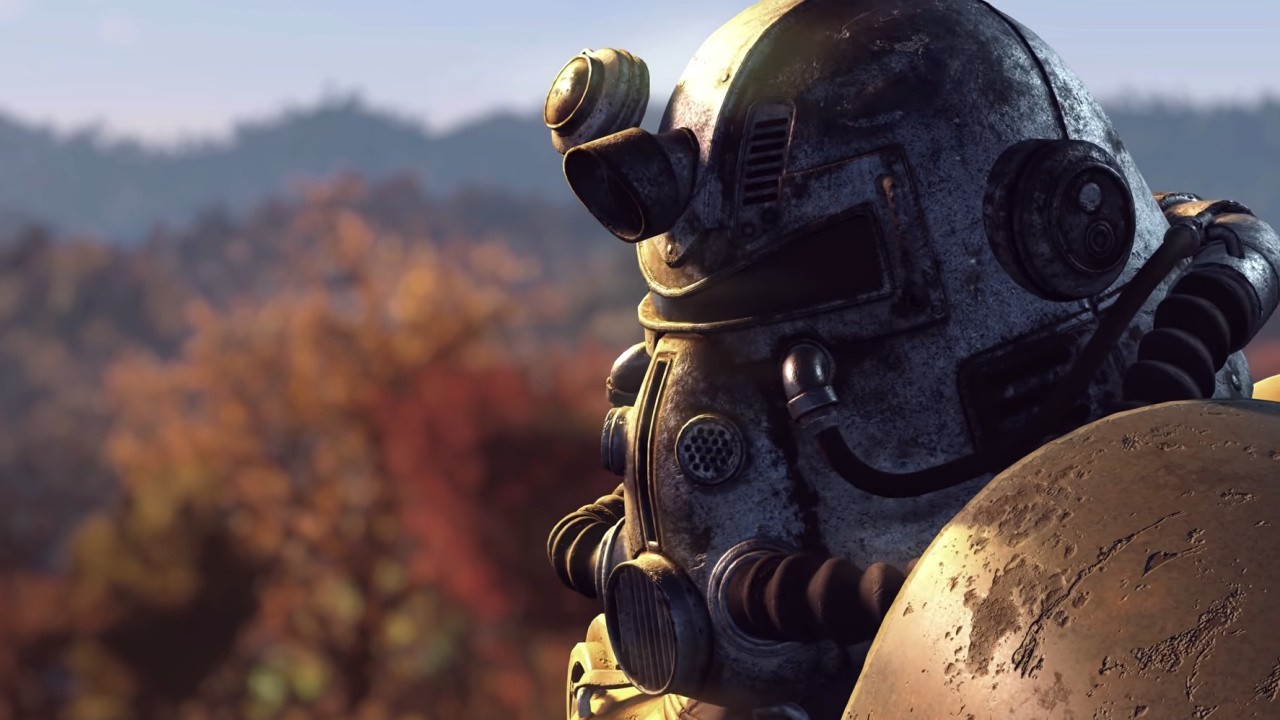
The franchise continued its evolution with Fallout 4 in 2015, which introduced enhanced combat mechanics and a robust settlement-building system, followed by the ambitious multiplayer-focused Fallout 76 in 2018, further expanding the franchise’s rich lore and diversifying its gameplay possibilities. Most recently, the Fallout brand experienced an unprecedented and explosive surge in global popularity with the highly anticipated release of the Amazon Prime Video series in April 2024. This critically acclaimed adaptation not only served as a powerful gateway, introducing the desolate beauty of the wasteland to a massive new, mainstream audience, but it also spectacularly reignited interest in the video games themselves. This phenomenon led to significant, multi-million-unit sales spikes and a dramatic resurgence in player engagement across all existing Fallout titles. This newfound and profound cultural relevance makes the timing of Iron Galaxy’s cryptic tease particularly strategic, expertly capitalizing on a moment of peak Fallout enthusiasm and mainstream visibility.
The Remastering Trend: A Strategic Industry Imperative
The contemporary video game industry has borne witness to a pronounced and accelerating trend towards the development of remasters and complete remakes over the past decade. This phenomenon is largely driven by a sophisticated confluence of strategic factors that render such projects immensely attractive propositions for both publishers and development studios alike. Iconic titles such as the critically acclaimed Resident Evil 2 and 3 remakes, the ambitious Final Fantasy VII Remake, the terrifyingly reimagined Dead Space remake, and the comprehensive Mass Effect Legendary Edition have unequivocally demonstrated the profound commercial and critical success attainable when beloved classics are thoughtfully and expertly revitalized for the discerning sensibilities of modern audiences.
From a purely business-centric vantage point, remasters offer a multitude of compelling advantages. Primarily, they expertly leverage existing intellectual property, thereby significantly mitigating the inherent creative and financial risks typically associated with the development of entirely new, unproven titles. The foundational core design, the narrative integrity, and the fundamental gameplay mechanics are already established and proven entities, allowing development teams to concentrate their invaluable resources on implementing cutting-edge technological enhancements, achieving unparalleled graphical fidelity, and introducing crucial quality-of-life improvements that enhance the player experience. This focused developmental approach frequently translates into notably shorter development cycles and consequently lower overall costs when compared to the monumental undertaking of building a new game entirely from its conceptual inception. Furthermore, remasters possess the unique ability to tap into a powerful vein of nostalgia among veteran players, simultaneously serving as an accessible gateway to introduce classic gaming experiences to a new generation of players who might otherwise be deterred by outdated graphics or antiquated gameplay conventions. For burgeoning subscription services, such as Microsoft’s Xbox Game Pass, remasters provide immensely valuable content that significantly enriches the existing library and offers compelling additional incentives for prospective and current subscribers, bolstering the platform’s overall value proposition.
Bethesda itself has actively engaged in this highly successful strategic approach with the release of The Elder Scrolls V: Skyrim – Special Edition, a remarkably successful remaster that deftly brought the beloved 2011 classic to new console generations, complete with significantly improved graphical fidelity and expanded mod support. More recently, persistent and widespread rumors have circulated extensively within industry circles regarding a potential The Elder Scrolls IV: Oblivion Remastered, with Virtuous Games frequently cited by insiders as the likely developer tasked with this monumental undertaking. This ongoing and demonstrably strong commitment from Bethesda to meticulously modernize and re-present its esteemed back catalog of titles strongly supports the logical inference that a similar, meticulously crafted treatment is highly probable for the equally revered Fallout series, particularly its most celebrated and cherished single-player entries.
A Timeline of Rumors and Competing Speculations
The discourse surrounding the potential remasters of Fallout 3 and Fallout: New Vegas is far from novel; it has been a persistent and often fervent topic of discussion within the dedicated Fallout community for a considerable number of years. Prior to Iron Galaxy’s most recent and enigmatic tease, the prevailing and dominant rumor mill consistently pointed towards another highly prominent and respected support studio, Virtuous Games, as the most probable candidate for undertaking these ambitious projects. Virtuous, a globally recognized video game development company, boasts an exceptionally impressive resume replete with significant contributions to high-profile remasters and intricate porting operations. These include the aforementioned pervasive rumors surrounding Oblivion Remastered and substantial, well-documented contributions to critically acclaimed titles such as The Outer Worlds and Star Wars Jedi: Fallen Order. Their well-earned reputation for consistently delivering high-quality graphical overhauls and sophisticated technical optimizations rendered them an eminently logical and highly credible choice for the formidable task of revitalizing Bethesda’s beloved classics.
Reports originating from reputable Xbox reporters and various industry insiders had previously suggested that while Fallout 3 and New Vegas remasters were indeed firmly on Bethesda’s strategic radar, they were not deemed "imminent," implying a developmental timeline that extended well beyond immediate release windows. These reports frequently cited the inherent complexities associated with updating older game engines, particularly those with a history of idiosyncrasies, and the critical necessity to meticulously align such ambitious projects with broader, overarching publishing strategies and market timing.
Iron Galaxy’s recent, strategically deployed tease now introduces a novel and compelling variable into this previously established narrative. While this new development does not explicitly contradict the continued possibility of Virtuous’s involvement in other distinct Bethesda remasters (such as Oblivion), it unequivocally suggests that if Fallout remasters are indeed actively underway, Iron Galaxy could be poised to play a profoundly significant role, either assuming the mantle of the primary developer or serving as a crucial co-development partner. Given the sheer scale and technical demands of modern remastering projects, it is by no means uncommon for multiple specialized studios to collaborate synergistically, with each entity contributing its unique expertise to distinct aspects of the overarching project. This could plausibly mean that Iron Galaxy is specifically tasked with handling one particular Fallout title, or perhaps a highly specialized component within a broader, multi-game remastering endeavor, effectively dividing the monumental task to leverage diverse strengths.
Decoding the "Please Stand By" Tease
The deliberate selection of the "Please Stand By" imagery is not merely an aesthetic choice; it is deeply and intricately embedded within the rich tapestry of Fallout lore and serves as a powerful, yet remarkably concise, method to communicate a direct involvement with the franchise without divulging explicit operational details. Within the grimly fascinating Fallout universe, this phrase is inextricably linked with pre-war emergency broadcasts, ominous public service announcements, and the pervasive, unsettling anticipation of impending doom or the enduring, uncertain realities of post-apocalyptic survival. It masterfully encapsulates the series’ distinctive atomic age aesthetic and its profound thematic explorations of waiting, enduring, and confronting an inherently unknown future.

For a professional studio to deploy such specific and universally recognized iconic imagery within a formal corporate context, such as a LinkedIn update, it is almost unequivocally a deliberate and fully authorized signal. It is highly improbable, bordering on inconceivable, that Iron Galaxy would willingly risk the severe ramifications of utilizing such a direct and unambiguous reference to a major intellectual property without securing prior explicit approval or possessing a clear, contractually defined understanding of their direct involvement. This strongly suggests that substantive discussions, if not fully executed active development contracts, are firmly in place with both Bethesda Softworks and Microsoft’s Xbox division.
The inherent ambiguity surrounding the precise nature of the work, however, continues to fuel widespread speculation. While comprehensive remasters remain the most popular and frequently discussed theory among the fanbase and industry analysts, several other plausible possibilities warrant consideration. Iron Galaxy could potentially be:
- Developing a full remaster or a complete remake: This would entail a comprehensive overhaul of Fallout 3 or Fallout: New Vegas, meticulously bringing them up to contemporary graphical and performance standards expected by modern audiences.
- Undertaking porting operations for existing titles: This scenario would involve optimizing Fallout 3 or Fallout: New Vegas for new hardware platforms, potentially incorporating minor enhancements, but stopping short of a full-blown remaster.
- Contributing support to an entirely new Fallout project: This could involve offering specialized assistance for Fallout 5 (a title Bethesda has explicitly stated will not commence development until after The Elder Scrolls VI is complete) or an as-yet-unannounced spin-off.
- Working on significant Fallout 76 expansions or new content: Providing specialized development support for the ongoing evolution of the live-service title.
- Developing a Fallout VR experience or another niche project: Exploring alternative platforms or gameplay formats within the franchise.
Nevertheless, given the persistent and widespread rumors concerning Fallout 3 and Fallout: New Vegas remasters, coupled with Iron Galaxy’s proven track record in successfully modernizing older game titles, a dedicated remastering effort remains the most compelling and plausible interpretation of the cryptic tease. The "Please Stand By" motif could, in this context, metaphorically signify the community’s collective anticipation for these eagerly awaited updated classics.
The Broader Impact and Implications
Should the enthusiastic speculation prove accurate, and Iron Galaxy Studios is indeed actively engaged in the development of Fallout remasters, the resultant implications for the franchise, for Microsoft’s Xbox platform, and for the broader global gaming community would be profoundly substantial and far-reaching.
For the Fallout franchise, such a development would signify a monumental revitalization of its most cherished and critically acclaimed single-player experiences. This would effectively render them more accessible and immensely enjoyable for both its deeply loyal, long-time fans and the burgeoning new wave of players who were recently introduced to the desolate beauty of the wasteland by the immensely popular Amazon Prime Video series. This strategic move could further solidify Fallout‘s esteemed status as one of gaming’s preeminent intellectual properties, expertly bridging generational gaps and maintaining crucial momentum until a new mainline entry, such as the highly anticipated Fallout 5, eventually makes its grand arrival.
For Xbox and Microsoft, securing the development and publishing rights to high-quality remasters of such culturally significant titles would undeniably constitute a substantial strategic victory. As the ultimate proprietors of Bethesda and its extensive portfolio of intellectual properties, Microsoft is uniquely positioned to leverage these remasters as exceptionally powerful additions to its flagship Xbox Game Pass subscription service. This would significantly enhance the intrinsic value proposition of their subscription model. Updated Fallout titles would undoubtedly drive unprecedented subscriber engagement and actively attract new players into the expansive Xbox ecosystem, especially given the formidable global reach and soaring popularity of the recent Amazon series. Furthermore, it would unequivocally reinforce Microsoft’s unwavering commitment to both preserving and celebrating the rich legacy titles housed within its rapidly expanding first-party portfolio.
For Iron Galaxy Studios itself, leading or even significantly contributing to a Fallout remaster would indelibly elevate their professional profile to unprecedented heights. While they are already held in high regard within the industry for their technical prowess, such a high-visibility project could unequivocally solidify their reputation as the preeminent go-to studio for the complex and sensitive revitalization of beloved, iconic intellectual properties. This, in turn, could foreseeably lead to even larger, more prominent, and critically acclaimed future collaborations. Moreover, it would provide an invaluable opportunity for their talented team to showcase their exceptional capabilities on a grander, more public stage.
Finally, for the global gaming community, the tantalizing prospect of Fallout 3 and Fallout: New Vegas remasters represents the imminent fulfillment of a long-held and deeply cherished desire. These games are profoundly ingrained in the collective memories of countless players, and an expertly updated version would afford them the unparalleled opportunity