


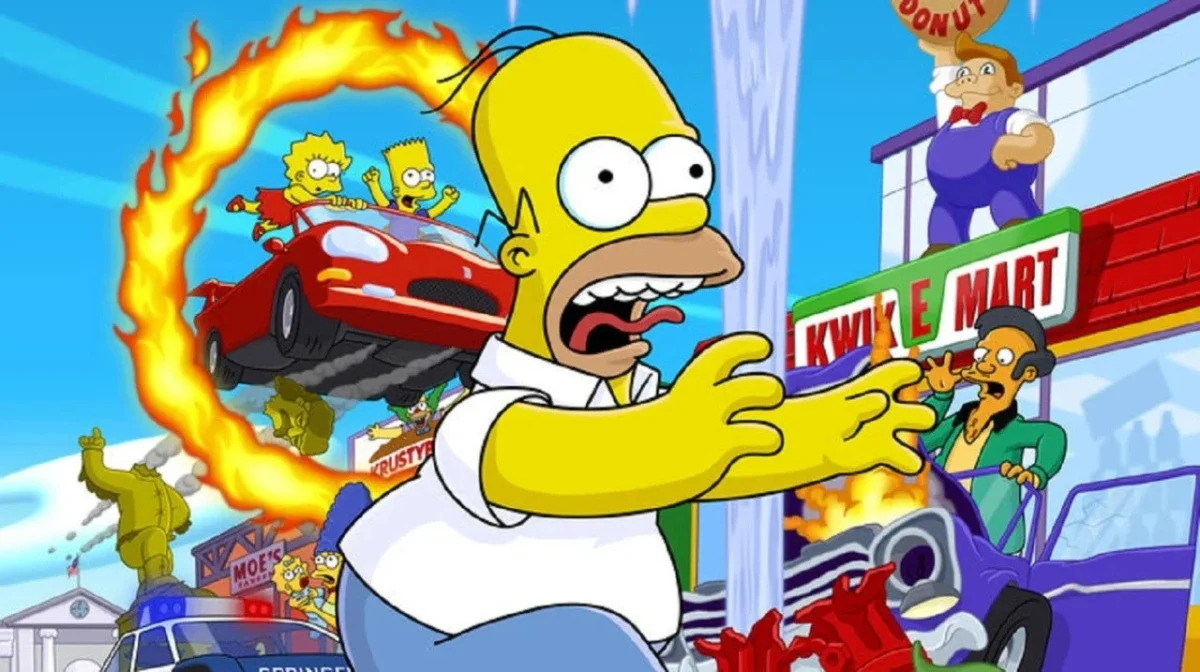
The long-standing speculation surrounding a potential return of the 2003 cult classic video game The Simpsons: Hit & Run has reached a new fever pitch following recent comments from the franchise’s creator, Matt Groening. During a recent public appearance, Groening suggested that the beloved title, often described as a family-friendly iteration of the Grand Theft Auto formula, could be making a comeback in some capacity. The statement, which was quickly curtailed by showrunner Matt Selman, has reignited discussions regarding the feasibility of a modern remake or remaster, the complex licensing landscape of the Simpsons intellectual property, and the overwhelming consumer demand for legacy titles on modern hardware like the Xbox Series X|S.
For over two decades, The Simpsons: Hit & Run has occupied a unique position in the gaming zeitgeist. Developed by Radical Entertainment and published by Vivendi Universal Games, the title was a massive commercial success upon its release, eventually selling over three million copies worldwide. Its open-world recreation of Springfield, combined with the authentic voice acting of the show’s primary cast and a satirical narrative penned by the series’ writers, cemented its status as one of the few licensed games to transcend its source material’s brand appeal to become a critically acclaimed gaming experience in its own right.
The Catalyst for Current Speculation
The most recent surge in interest stems from a specific interaction involving Matt Groening and Matt Selman. While addressing fans and media, Groening alluded to the fact that "the original game is coming back in some form." While he did not specify whether this meant a full-blown remake, a high-definition remaster, or simply a re-release via modern backward compatibility programs, the reaction from showrunner Matt Selman was telling. Selman humorously interrupted Groening, a move often interpreted in the industry as a preventative measure to avoid the premature disclosure of information protected by non-disclosure agreements (NDAs).
This exchange does not exist in a vacuum. It follows years of persistent lobbying from the gaming community. According to data from the Xbox Game Preservation website, The Simpsons: Hit & Run consistently ranks at the top of the list for requested backward compatibility titles. Furthermore, a 2021 survey conducted among Xbox enthusiasts revealed a near-unanimous desire—excluding a statistically negligible 2% of respondents who had never played the game—to see the title revived for modern consoles.
Historical Context and the Legacy of Radical Entertainment
To understand the weight of a potential Hit & Run revival, one must look at the landscape of 2003. At the time, licensed games were frequently criticized for being low-effort "cash-ins." However, Radical Entertainment took a different approach. By utilizing a sophisticated physics engine for its time and mapping out a cohesive, three-dimensional Springfield, they created a sense of immersion that had never been achieved in prior Simpsons games, such as The Simpsons: Road Rage.
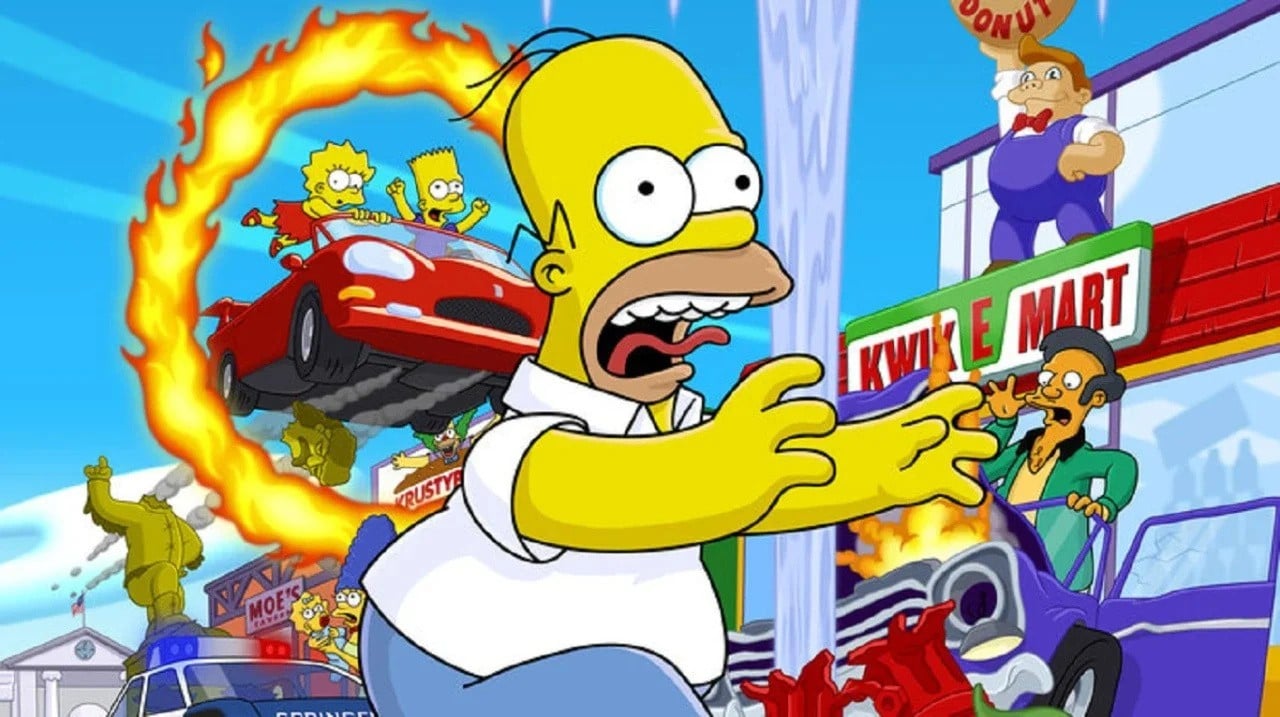
The game’s structure—divided into seven levels across three distinct maps—allowed players to explore iconic locations like the Kwik-E-Mart, the Springfield Nuclear Power Plant, and the Squidport. The narrative, involving a conspiracy of robotic wasps and "Buzz Cola" mind control, felt like a multi-part episode of the television show. Despite its age, the game’s mechanics and writing have aged remarkably well, contributing to its enduring popularity on secondary markets and emulation platforms.
The Licensing Maze: Disney, EA, and Microsoft
The primary hurdle for any modern iteration of The Simpsons: Hit & Run has historically been the tangled web of intellectual property rights. When the game was originally released, Vivendi Universal held the publishing rights. Since then, the corporate landscape has shifted dramatically. The Walt Disney Company’s acquisition of 21st Century Fox in 2019 brought the Simpsons IP under the Disney umbrella. Meanwhile, Electronic Arts (EA) has held a long-standing exclusive license to produce Simpsons games, which resulted in titles like The Simpsons Game in 2007 and the mobile hit The Simpsons: Tapped Out.
However, the industry has recently seen a shift toward more collaborative licensing. Disney has increasingly outsourced its major IPs to various developers, such as Ubisoft for Star Wars Outlaws and Sony’s Insomniac Games for Marvel’s Spider-Man. The recent acquisition of Activision Blizzard (which absorbed Vivendi’s assets years ago) by Microsoft adds another layer of complexity—and opportunity. If the original source code for Hit & Run is housed within the Activision archives, Microsoft now possesses the technical foundation, while Disney holds the character rights. A partnership between these two giants would be necessary to facilitate a legitimate re-release.
Technical Considerations: Remake vs. Remaster
If a revival is indeed in development, the industry remains divided on the best approach. A high-definition remaster would involve upscaling the original textures, improving the frame rate, and ensuring compatibility with modern controllers and resolutions. This is often the more cost-effective route, preserving the original "feel" of the game while making it playable on 4K displays.
Conversely, a full remake—similar to the treatment received by titles like Crash Bandicoot N. Sane Trilogy or the Resident Evil series—would involve rebuilding the game from the ground up in a modern engine like Unreal Engine 5. This would allow for significantly expanded environments, more complex AI, and modern lighting effects. While more expensive, a remake would likely command a full retail price and could potentially serve as a reboot for the Simpsons gaming franchise.
In 2021, an independent developer named Reuben Ward gained significant internet fame by creating a fan-made remake of the game’s first level in Unreal Engine 5. The project demonstrated the immense visual potential of the title when paired with modern technology, further fueling the fire of fan expectations.
Consumer Demand and Market Analysis
The financial viability of a Simpsons: Hit & Run revival is supported by current market trends. We are currently in an era of "nostalgia gaming," where publishers are finding significant success by revitalizing hits from the late 90s and early 2000s. The success of the Tony Hawk’s Pro Skater 1+2 remaster proved that there is a massive audience for polished versions of sixth-generation console classics.
For Microsoft and the Xbox platform, securing Hit & Run as a console exclusive or even a high-profile addition to the Xbox Game Pass library would be a significant strategic victory. The game appeals to multiple demographics: older "millennial" gamers who played the original on the PlayStation 2, Xbox, or GameCube, and younger audiences who have discovered the game through YouTube retrospectives and speedrunning communities.

Chronology of Key Events Leading to the Potential Revival
The path toward this moment has been marked by several key milestones over the last decade:
- September 2003: The Simpsons: Hit & Run is released to critical and commercial acclaim.
- 2007: The Simpsons Game is released by EA, marking a shift in the licensing partnership.
- March 2019: Disney officially acquires 21st Century Fox, gaining control over The Simpsons franchise.
- October 2019: Producer Vlad Ceraldi expresses interest in a remake during an interview, stating that the game could "certainly be done."
- August 2021: A Pure Xbox poll shows 98% fan support for the game’s return via backward compatibility.
- January 2023: The game’s soundtrack is briefly uploaded to Spotify and Apple Music before being removed, sparking rumors of a licensing renewal.
- August 2024: Matt Groening makes his public comments suggesting the game’s return.
The Role of Xbox Game Preservation
The mention of the Xbox Game Preservation website is particularly relevant. Microsoft has made backward compatibility a cornerstone of its brand identity, though the program was officially "concluded" in 2021 due to legal and technical constraints. However, the company has hinted that it may revisit the program if specific licensing hurdles are cleared. The Simpsons: Hit & Run represents the "holy grail" for this program. Its absence from the current Xbox digital storefront is a notable gap in the library of classic titles.
If the "return" Groening mentioned is not a full remake, it could potentially be the resolution of the legal barriers that have prevented the original Xbox version of the game from being added to the modern Xbox store. This would allow the game to run with "Auto HDR" and increased resolutions on the Series X, providing a "remaster-lite" experience for existing fans at a lower price point.
Broader Implications for Licensed Gaming
The potential return of Hit & Run signals a broader trend in the entertainment industry: the recognition of video games as enduring cultural artifacts rather than ephemeral promotional tools. For years, licensed games were allowed to fall into "abandonware" status once the original publishing contracts expired. The current movement toward reviving these titles suggests that IP holders like Disney now view their gaming back catalog as a valuable asset that requires active management and preservation.
Furthermore, a successful revival could pave the way for other Simpsons titles to return, such as the arcade classic or even the oft-requested The Simpsons: Road Rage. It sets a precedent for how legacy media companies can leverage nostalgia to bridge the gap between television audiences and the gaming community.
Conclusion
While official confirmation from Disney or Microsoft remains pending, the evidence for a Simpsons: Hit & Run revival is more substantial than it has been in nearly twenty years. The combination of creator comments, unprecedented fan demand, and a favorable corporate environment suggests that the "return" Matt Groening alluded to is more than just wishful thinking. Whether it arrives as a budget-friendly backward compatibility title or a ground-up remake designed to showcase the power of the Xbox Series X|S, the return of Springfield’s most famous driving game would likely be one of the most significant events in the modern retro-gaming market. For now, the gaming world remains in a state of watchful anticipation, waiting for the official word that they can finally return to the streets of Springfield.