


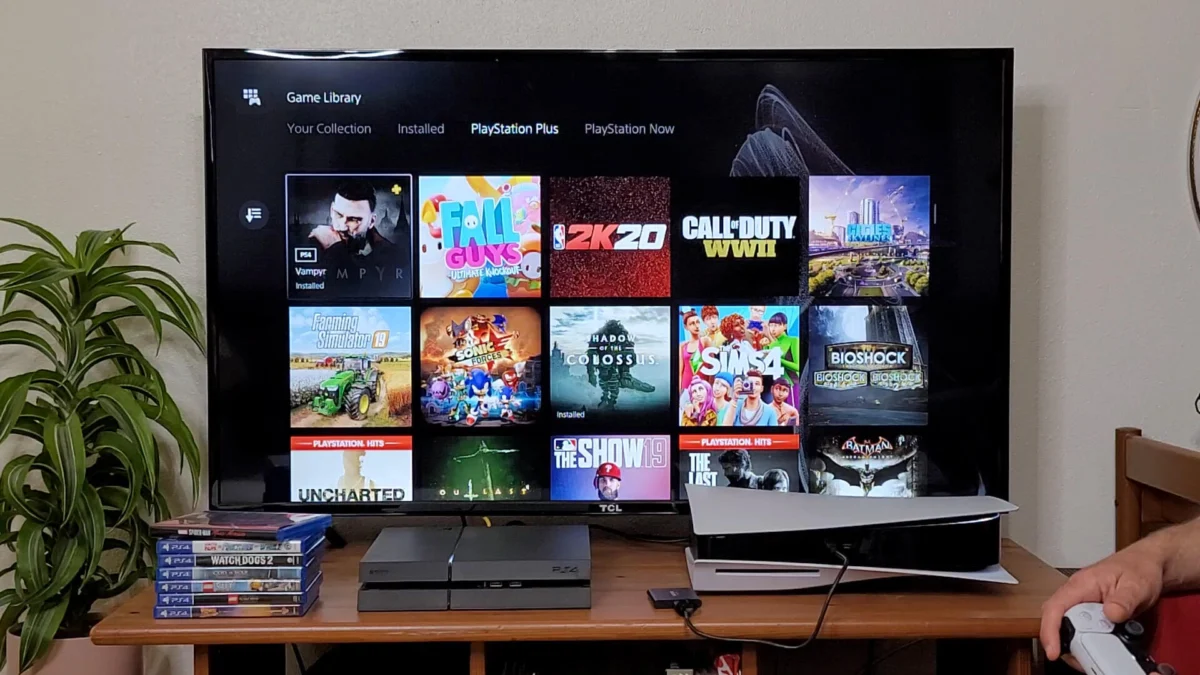
In a move that has intensified an already simmering controversy, Sony Interactive Entertainment (SIE) has reportedly issued emails to PlayStation users globally, reiterating a fundamental aspect of digital content acquisition: that digital games are "licensed," not "sold." This communication arrives at a particularly contentious moment, coinciding with widespread gamer protests against Sony’s announced plans to eliminate physical media support for the forthcoming PlayStation 6 console and cease disc production entirely by January 2028. The timing has fueled accusations of corporate insensitivity and a deliberate effort to underscore the company’s control over digital assets, sparking a significant consumer backlash and calls for a boycott.
A Chronology of Digital Discontent
The current wave of consumer dissatisfaction did not emerge in a vacuum but is the culmination of several recent developments that have progressively eroded consumer confidence in digital ownership models. The timeline of these events paints a clear picture of an industry grappling with the transition from tangible goods to intangible licenses, often at the expense of traditional consumer rights:
- Anticipation of PlayStation 6: While specific details about the PlayStation 6 remain largely under wraps, industry speculation and leaked information have pointed towards a console entirely devoid of a physical disc drive. This design choice signals a definitive pivot towards a purely digital ecosystem, a prospect that has been met with significant apprehension by a segment of the gaming community.
- The End of Physical Discs (January 2028): In a more concrete announcement, Sony confirmed its intention to cease the production of physical game discs for PlayStation consoles by January 2028. This declaration solidified fears that physical media, a cornerstone of console gaming for decades, would soon become obsolete within the PlayStation ecosystem. For many, physical discs represent a form of true ownership, allowing for resale, lending, and indefinite access regardless of server status or licensing agreements.
- Digital Content Removal (Precedent Set): Just days prior to the announcement regarding physical disc cessation, Sony faced criticism for removing several digitally purchased movies from users’ PlayStation libraries. This incident, involving content from StudioCanal, served as a stark, real-world demonstration of the precarious nature of digital "ownership." Users who had paid for these films found their access revoked due to licensing disputes between Sony and the content provider, highlighting the inherent vulnerability of licensed content.
- The Terms of Service Email: Against this backdrop of growing concern, Sony dispatched emails to PlayStation users, informing them of recent updates to its Terms of Service, Code of Conduct, End User License Agreement (EULA), and Privacy Policy. Crucially, these communications included a prominent reminder that digital games are "licensed" rather than "sold." While companies routinely update their terms and notify users, the specific timing and emphasis on licensing during a period of intense debate over ownership rights were widely interpreted as a provocative and dismissive gesture by the company.
- Escalating Gamer Backlash and Boycott: The confluence of these events, particularly the timing of the "licensed, not sold" email, ignited a fervent backlash across social media and gaming forums. Prominent industry figures, such as The Verge’s Tom Warren, publicly questioned Sony’s judgment, tweeting, "Sony emailing everyone about PlayStation terms of use during a backlash over the end of discs and a lack of digital ownership is certainly a choice." This sentiment quickly coalesced into organized action, with gamers initiating a week-long PlayStation boycott, urging players to refrain from purchasing, logging in, or playing games to protest Sony’s perceived abandonment of consumer rights and physical media.
The Shifting Sands of Ownership: A Broader Industry Trend
Sony’s actions, while specific to the PlayStation ecosystem, are indicative of a much broader and accelerating trend across the technology and entertainment industries. The traditional model of outright ownership is steadily being supplanted by a subscription-based or licensing model, where consumers pay for access to services or content rather than possessing them definitively.
This paradigm shift is driven by several factors. For corporations, it offers enhanced control over their products, reduces manufacturing and distribution costs, and facilitates recurring revenue streams. Digital distribution eliminates the need for physical production, warehousing, and retail shelf space, streamlining the supply chain and often increasing profit margins. Furthermore, it allows companies to exert greater control over the secondary market, effectively eliminating the sale of used digital goods, which directly benefits original content creators and distributors.
The gaming industry, in particular, has seen a dramatic migration towards digital. Industry reports, such as those from the Entertainment Software Association (ESA) or market research firms like NPD Group, consistently show digital game sales accounting for an overwhelming majority of revenue. For instance, in recent years, digital sales have often comprised over 80% of total game sales, a stark contrast to the early 2000s when physical media dominated. This trend is fueled by convenience, instant access, and the proliferation of high-speed internet.
However, this convenience comes with a trade-off: a fundamental redefinition of what it means to "own" digital content. The End User License Agreement (EULA), a legal contract that consumers implicitly or explicitly agree to when installing software or accessing digital services, typically clarifies that the user is granted a revocable license to use the software, not ownership of the software itself. This legal distinction, often overlooked by consumers, grants the licensor significant power, including the ability to modify terms, revoke access, or even discontinue support for content at their discretion, without necessarily offering compensation.
"Lease, Not Own": Precedents Across the Tech Landscape
The "license, not own" philosophy extends far beyond gaming, manifesting in various sectors of the technology industry, illustrating a concerted effort by corporations to shift power dynamics.
One prominent example is the ongoing controversy surrounding HP printers. Recent reports have highlighted HP’s practice of programming its printers to detect and reject third-party ink cartridges. Users who purchase an HP printer, ostensibly owning the hardware, find their device rendered partially or entirely inoperable if they choose to use more affordable, non-HP branded ink. This effectively forces consumers into a perpetual purchasing cycle for proprietary consumables, undermining the autonomy associated with product ownership. As CNET’s James Bricknell aptly noted, such printers "sass back like an angsty, spoiled teenager" if their proprietary demands aren’t met.

Similarly, Apple’s foray into hardware leasing for products like MacBooks signals another frontier in this ownership paradigm shift. Following price increases for its premium laptops, Apple has explored programs to allow consumers to "rent" MacBooks. While potentially making high-end devices more accessible, this model ensures that Apple retains ultimate ownership and control. A missed lease payment could theoretically lead to the device being locked or access revoked, transforming a significant personal investment into a conditional utility.
In the realm of music and movie streaming, the "access, not ownership" model has been firmly entrenched for years. Services like Spotify, Netflix, and YouTube Music provide vast libraries of content for a recurring fee, but subscribers merely license the right to stream. The vulnerability of this model was vividly illustrated when the entire discography of the rock band Coheed and Cambria was suddenly removed from YouTube Music due to a licensing dispute. Users in the middle of listening found their access abruptly terminated, a stark reminder that even "purchased" digital content, if streamed, is subject to the whims of licensing agreements between platforms and content creators.
These examples collectively demonstrate a strategic corporate pivot: to transform discrete product purchases into ongoing revenue streams, to maintain control over product ecosystems, and to establish a legal framework that prioritizes corporate discretion over consumer autonomy.
Broader Implications for Consumers and the Digital Ecosystem
The implications of this pervasive "license, not own" model are far-reaching, impacting consumer rights, the future of content preservation, and the economic landscape of digital markets.
- Erosion of Consumer Rights: The most immediate impact is the diminishment of traditional consumer rights associated with ownership. When content is licensed, consumers lose the ability to resell, lend, or gift their digital games or movies. This eliminates the secondary market, which has historically provided affordable access to entertainment and allowed consumers to recoup some of their initial investment. Furthermore, it curtails the "first-sale doctrine," a legal principle that allows the owner of a lawfully purchased copyrighted work to resell or dispose of that particular copy.
- Challenges to Content Preservation: The shift to purely digital, licensed content poses significant challenges for game and media preservation. Physical media, even if old, can theoretically be played on compatible hardware for decades. Digital content, however, is tethered to servers, online accounts, and the continued commercial viability of the licensor. If a company goes out of business, decides to delist content, or simply shuts down its servers, previously "purchased" digital content can become inaccessible, leading to what some call "digital rot." This jeopardizes the historical record of creative works and future generations’ ability to experience cultural artifacts.
- Increased Corporate Control and Potential Monopolies: By dictating the terms of access and eliminating alternative distribution channels (like physical resale), platform holders like Sony gain unprecedented control over the digital marketplace. This can lead to less competitive pricing, fewer consumer choices, and an environment where corporate decisions about content availability or functionality are paramount, even if they run counter to consumer interests.
- Economic Impact on Third Parties: The elimination of physical media also impacts various third-party businesses, including game retailers specializing in used games, independent game stores, and even repair shops. These businesses, which often contribute to local economies, face significant disruption or obsolescence in a purely digital distribution model.
- The "Digital Divide" and Accessibility: While digital distribution offers convenience, it can also exacerbate the "digital divide." Reliable, high-speed internet access is a prerequisite for a purely digital ecosystem. In regions with limited infrastructure or for individuals with economic constraints, reliance on digital-only content can create barriers to access.
Official Responses and Consumer Advocacy
In response to the growing discontent, Sony, through its routine communications, has primarily reiterated the legal framework under which its digital services operate. While no specific official statement directly addressing the backlash over the "licensed, not sold" email has been widely publicized, a spokesperson for Sony might typically emphasize that such emails are a standard procedural update, intended to ensure users are fully informed of the terms governing their digital purchases. They would likely underscore Sony’s commitment to providing a robust digital ecosystem and the convenience it offers.
However, the organized consumer backlash, culminating in a planned boycott, signifies a growing demand for greater transparency and consumer-friendly policies. Consumer advocacy groups, while not explicitly mentioned in the original article as having intervened in this specific incident, routinely monitor and critique business practices that erode consumer rights. Their role often involves educating the public about EULAs, lobbying for stronger consumer protection laws, and advocating for "right to repair" or "right to own" legislation that could challenge these corporate control mechanisms. The boycott itself serves as a powerful, albeit temporary, form of collective bargaining, sending a clear message to Sony about the strength of consumer sentiment.
The Future Outlook: A Battle for Digital Rights
The ongoing debate surrounding Sony’s digital strategy and the broader "license, not own" trend represents a critical juncture for the future of digital entertainment and consumer rights. As technology continues to evolve, the lines between owning a product and merely accessing a service will likely become even more blurred.
The outcome of this particular conflict with Sony could set precedents for how other major tech companies approach their digital offerings. If consumer pressure proves effective, it might compel companies to reconsider certain aspects of their EULAs, explore alternative models that offer greater consumer autonomy, or invest more heavily in robust preservation efforts for digital content. Conversely, if the corporate push towards licensing remains unchallenged, it could further solidify a future where consumers are permanent tenants in a digital landscape controlled entirely by a handful of powerful corporations.
Ultimately, the resolution of this tension will depend on a combination of factors: the sustained engagement and advocacy of consumers, the willingness of companies to balance profitability with ethical considerations, and potentially, the intervention of regulatory bodies to ensure fair play in the evolving digital economy. The "licensed, not sold" reminder, intended by Sony to clarify terms, has instead inadvertently become a rallying cry for those fighting for a future where digital access does not come at the cost of genuine ownership.