


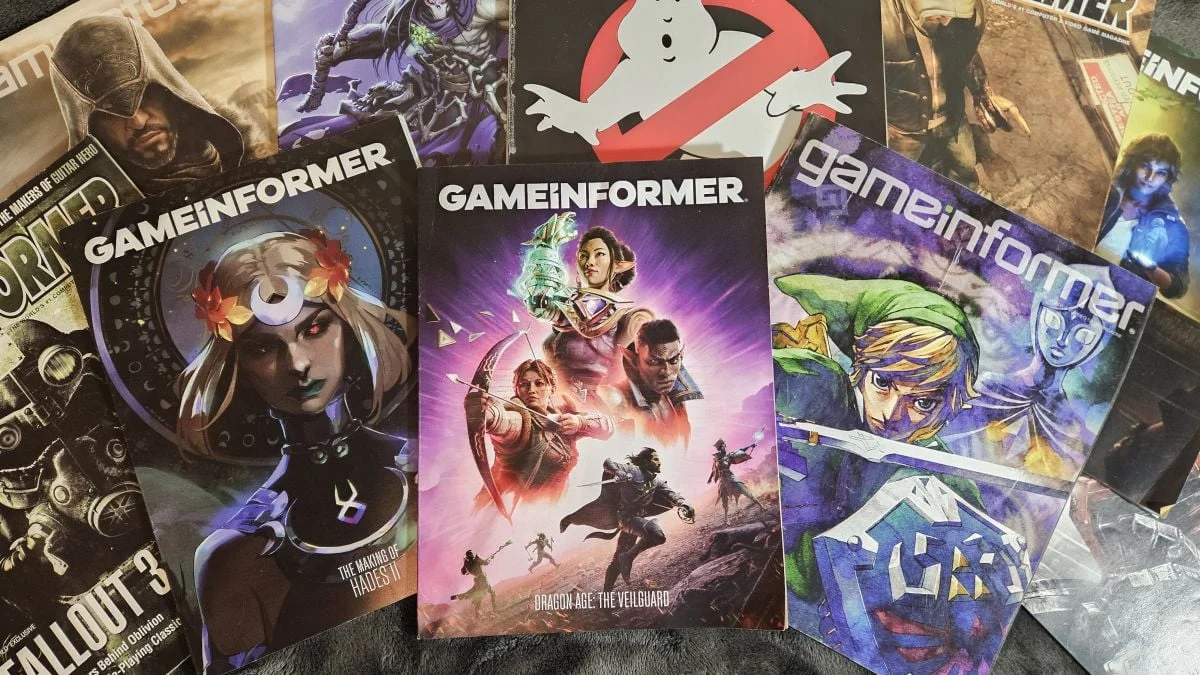
The curtain has fallen on Game Informer, a publication that has served as a cornerstone of video game media for more than thirty years. The news of its abrupt closure, confirmed this morning by its parent company, GameStop, marks the end of an era for a brand synonymous with in-depth game coverage, iconic cover art, and a deep connection to the gaming community. The decision has resulted in the immediate cessation of both its print magazine and all online operations, with the entire editorial staff being laid off.
Sources close to the publication indicate that the team was informed of the decision by GameStop corporate leadership earlier today. According to former magazine content director Kyle Hilliard, the final issue was reportedly nearing completion, with approximately 70% of its content finalized, including what he described as a "GREAT cover." This abrupt termination leaves a significant void in the landscape of video game journalism, particularly for a publication that has consistently delivered a comprehensive and engaging experience for gamers worldwide.
A formal statement released across Game Informer’s official social media channels confirmed the closure, stating, "While our presses may stop, the passion for gaming that we’ve cultivated together will continue to live on." This sentiment was echoed by former writers and contributors, many of whom took to their personal social media platforms to share the news and express their reflections on their time with the publication.
A Legacy Forged in Print and Digital Evolution
Game Informer’s journey began in 1991, initially as a modest magazine produced by FuncoLand, a now-defunct video game retailer. Its origins were as an in-house newsletter, a promotional tool designed to engage with customers. The trajectory of the publication shifted significantly in 2000 when GameStop acquired FuncoLand, thereby inheriting Game Informer. Under GameStop’s stewardship, the magazine rapidly evolved into a prominent component of the company’s customer loyalty program, offering subscribers exclusive access and benefits, which in turn fostered a dedicated readership.
Over the ensuing decades, Game Informer not only survived but thrived, navigating the turbulent waters of the evolving media landscape. By 2010, its influence was undeniable, as it ranked as the fifth-largest magazine in the United States, a remarkable achievement that placed it ahead of established titans such as Time and Sports Illustrated. This success underscored its significant reach and the deep engagement it fostered with its audience.
The publication weathered numerous challenges inherent to the print journalism industry, including a general decline in readership and the seismic shift towards digital content consumption. Furthermore, Game Informer faced internal pressures stemming from its parent company, GameStop, which underwent periods of significant restructuring and strategic pivots. These internal changes often included layoffs and budget cuts, particularly as GameStop explored new ventures, including a notable push into NFTs and blockchain technology, in an effort to stabilize its business model amidst the volatile "meme stock" phenomenon and ongoing challenges within its brick-and-mortar retail operations.
Despite these external and internal pressures, Game Informer consistently produced high-quality content, renowned for its distinctive and often breathtaking cover art, which became a hallmark of the publication. The editorial team continued to deliver in-depth previews, insightful reviews, compelling features, and engaging interviews that captured the zeitgeist of the gaming industry. In a recent effort to bolster its print presence, the staff embarked on a project to re-energize the magazine’s subscription service, a testament to their commitment to the medium.
More Than a Magazine: An Enduring Institution
For a generation of gamers, Game Informer was more than just a magazine; it was an institution, a gateway into the world of video game journalism. For many, it represented their first exposure to professionally written content about their favorite hobby. The magazine’s comprehensive coverage, from breaking news and previews of upcoming titles to detailed reviews and thought-provoking features, offered an immersive experience that resonated deeply with its readership. The striking and memorable artwork that graced its covers became iconic, often setting the tone for the games they represented and etching themselves into the collective memory of the gaming community.
Beyond the blockbuster reveals and critical analyses, Game Informer’s pages were also a space for the voices and personalities that shaped the gaming industry. The publication consistently featured opinion pieces, in-depth interviews with developers and industry leaders, and expansive features that delved into the cultural and technological aspects of gaming. A particularly cherished element for many readers was the "Letters to the Editor" section, which fostered a sense of community and direct engagement between the publication and its audience. Recollections from former staff and long-time readers often highlight the profound influence Game Informer had on their early understanding and appreciation of video games and the media that covered them.
The closure of Game Informer arrives at a challenging juncture for the broader video game industry, which has seen a significant wave of layoffs in recent years. Estimates suggest that thousands of jobs were lost across the sector in 2023 alone, creating an atmosphere of uncertainty for many professionals. The disappearance of a publication with such a long and distinguished history, coupled with ongoing industry-wide reductions, raises pertinent questions about the future stability and growth of video game journalism and the employment prospects for its practitioners.
A Timeline of Influence and Adaptation
- 1991: Game Informer is established as a short magazine by FuncoLand, an early video game retailer, initially serving as an in-house newsletter.
- 2000: GameStop acquires FuncoLand, taking ownership of Game Informer and integrating it into its business model, notably as part of its customer loyalty program.
- Early 2000s – 2010s: Game Informer solidifies its position as a leading voice in video game media, expanding its reach and influence.
- 2010: The magazine achieves significant recognition, ranking as the 5th largest magazine in the United States, surpassing prominent general interest publications.
- 2010s – Early 2020s: The publication navigates the digital transition, adapting its content strategy to include a robust online presence while continuing its print operations. It also weathers multiple rounds of layoffs and budget adjustments at its parent company, GameStop, which is undergoing strategic shifts.
- 2022-2023: GameStop intensifies its focus on new business models, including NFTs and blockchain, amidst its volatile meme-stock status. Game Informer continues to operate, with staff reportedly working on upcoming issues.
- 2024: Game Informer launches a renewed subscription service for its print magazine, signaling a continued investment in the print format.
- Present Day: GameStop announces the immediate closure of Game Informer, resulting in the discontinuation of its magazine and online content, and the layoff of its entire editorial staff.
Analysis and Implications
The closure of Game Informer represents a significant shift in the video game media landscape. For over three decades, the publication served as a vital conduit between game developers and consumers, offering a blend of news, previews, reviews, and cultural commentary that shaped how millions of people engaged with and understood video games. Its deep ties to GameStop, while providing a stable financial backing for much of its existence, ultimately proved to be a double-edged sword, exposing it to the parent company’s strategic decisions and financial volatilities.
The decision to cease operations, particularly with a print issue reportedly nearing completion, underscores the abrupt nature of the change and the potential disconnect between corporate strategy and the operational realities of the editorial team. This event highlights the ongoing challenges faced by traditional media outlets in the digital age, where revenue models are constantly in flux and consolidation is a recurring theme.
For the gaming community, the loss of Game Informer means the disappearance of a familiar and trusted source of information and opinion. For the displaced editorial staff, it signifies a period of uncertainty as they seek new opportunities within an industry that, despite its growth, continues to experience significant workforce disruptions. The closure also prompts a broader reflection on the long-term viability of print media within specialized industries and the evolving strategies of large retail corporations in managing their media arms. As the industry continues to mature and face new economic pressures, the future of dedicated games journalism, both in print and digital forms, remains a subject of ongoing discussion and adaptation.