


The gaming industry, long a bastion of accessible entertainment, is currently navigating a period of substantial financial recalibration. In a move that has sent ripples through the player community, Microsoft has announced a dramatic price increase for its flagship subscription service, Xbox Game Pass Ultimate. Effective immediately, the service, which offers a vast library of games, online multiplayer access, and cloud gaming capabilities, will now cost subscribers $30 per month, a substantial leap from its previous $19.99 per month fee. This translates to an annual cost of $360, marking a 50% increase for dedicated users.
This price adjustment arrives at a time when the broader entertainment sector is also experiencing a widespread trend of rising subscription costs. Major streaming platforms such as Netflix, Disney+, and Apple TV+ have all implemented price hikes in recent months, a phenomenon attributed to escalating content acquisition and production expenses, as well as the increasing competition for subscriber attention. Microsoft’s decision to follow suit with Game Pass Ultimate suggests a strategic alignment with these industry-wide financial pressures.
A Shifting Subscription Model and New Tiers
The price increase is accompanied by a rebranding and restructuring of Game Pass’s subscription tiers. The previous "Core," "Standard," and "Ultimate" designations are being replaced by "Essential," "Premium," and "Ultimate." The "Essential" tier, which effectively replaces "Core," will be priced at $9.99 per month, offering access to a curated selection of games and online multiplayer. The "Premium" tier, positioned as the successor to the former "Standard" offering, will be available for $14.99 per month.
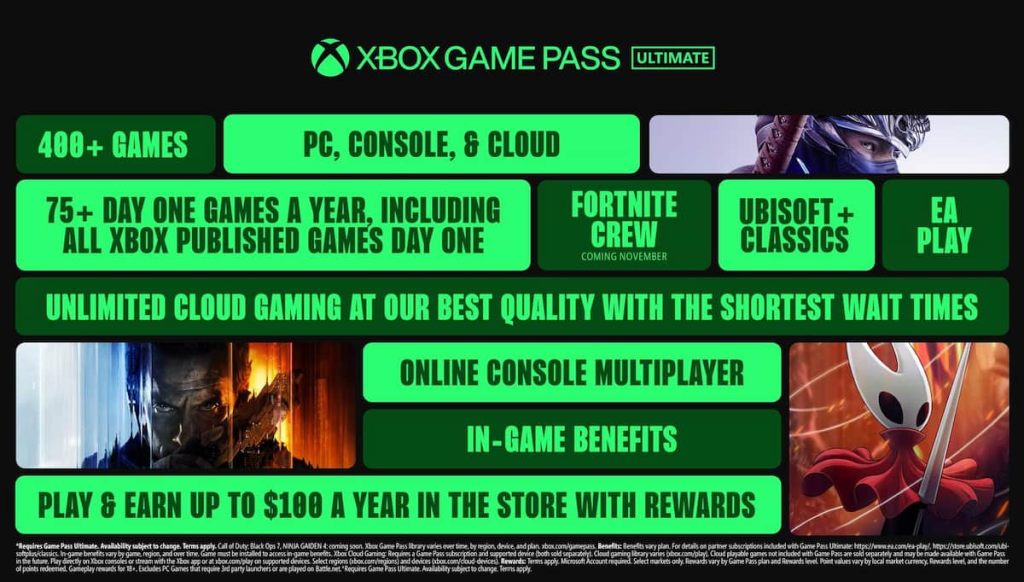
However, the most significant price escalation is reserved for Game Pass Ultimate. While the exact breakdown of what constitutes the "Premium" tier compared to the previous "Standard" offering is detailed on Microsoft’s official Xbox Wire blog, the core message is that Ultimate users are facing the steepest increase. Microsoft is attempting to justify this substantial jump by highlighting the inclusion of new, high-value perks. Among these additions are subscriptions to Fortnite Crew, which provides in-game currency and cosmetic items for the popular battle royale game, and Ubisoft+, granting access to a broad catalog of Ubisoft titles, including new releases and downloadable content.
Contextualizing the Price Hike: Hardware and Industry Trends
The Game Pass price increase is not an isolated event but rather part of a larger economic recalibration within the Xbox ecosystem. Notably, the price of the Xbox Series X console has also recently seen an upward adjustment, reaching $800. This dual pricing strategy – increasing both hardware and subscription service costs – signals a concerted effort by Microsoft to bolster its revenue streams in a competitive market.
The gaming industry’s subscription model has evolved dramatically over the past decade. Initially lauded for its exceptional value proposition, services like Game Pass have become instrumental in driving console sales and fostering player engagement. However, the increasing cost of game development, the ongoing global supply chain issues affecting hardware production, and the broader economic climate have all contributed to a more challenging financial landscape for publishers and platform holders. Data from industry analysis firms, such as Newzoo, indicates a steady growth in the global games market, projected to reach hundreds of billions of dollars annually. Yet, this growth is accompanied by escalating operational costs, necessitating a re-evaluation of pricing strategies.
Player Reactions and the Value Proposition Debate
The announcement has predictably generated a significant volume of discussion and concern within the gaming community. Social media platforms have become a focal point for player reactions, with many expressing dismay at the substantial price hike for Game Pass Ultimate. While some acknowledge the added benefits of Fortnite Crew and Ubisoft+, a significant portion of the player base questions whether these additions sufficiently compensate for the increased cost.
The core value proposition of Game Pass has always been its ability to provide access to a vast library of games, including day-one releases of Xbox Game Studios titles, at a predictable monthly cost. For many, this has represented an attractive alternative to purchasing individual games, which can often cost $60-$70 apiece. The ability to sample numerous titles without significant upfront investment has been a key driver of Game Pass’s popularity.
However, the new $30 monthly price point raises a critical question: does the service still offer superior value compared to a more curated approach to game purchasing? For players who dedicate significant time to a select few titles, the argument for owning games outright, rather than renting access through a subscription, may become more compelling. The concern of losing access to games when a subscription lapses is a persistent factor in this debate.
Microsoft’s Strategic Rationale and Future Implications
Microsoft’s decision to implement such a significant price increase, especially for its premium tier, suggests a calculated strategy. The company likely anticipates that a portion of its subscriber base, particularly those who heavily utilize the service’s most premium features, will continue to subscribe despite the higher cost. The inclusion of Fortnite Crew and Ubisoft+ appears to be an effort to cater to a broader demographic and to integrate Game Pass more deeply into the broader entertainment landscape.
From a financial perspective, the increased revenue generated from Game Pass subscriptions can be reinvested into securing new game licenses, developing exclusive titles, and further enhancing the service’s infrastructure. This could lead to a richer and more diverse game library in the long term, potentially reinforcing the value proposition for dedicated subscribers.
However, the long-term implications of such a price surge remain to be seen. A significant exodus of subscribers could negatively impact Microsoft’s gaming division and potentially signal a broader shift in consumer tolerance for rising subscription costs across the digital entertainment sector. The company’s ability to retain its subscriber base will hinge on its continued commitment to delivering high-quality content and a seamless user experience that justifies the elevated price.
The Evolving Landscape of Subscription Gaming
The current trajectory of Game Pass pricing reflects a broader trend of maturation within the subscription gaming market. As these services become more established, the initial "honeymoon" phase of unparalleled value may give way to more standard industry pricing models. This evolution is driven by a complex interplay of economic factors, competitive pressures, and the ever-increasing costs associated with creating and distributing high-quality digital entertainment.
While the immediate reaction from many consumers is one of concern, the success of this pricing strategy will ultimately be determined by the sustained value Microsoft provides to its subscribers. The coming months will offer crucial insights into how gamers respond to this significant adjustment and whether Game Pass Ultimate can maintain its appeal as a premium offering in an increasingly competitive and expensive digital entertainment environment. The shift from a perceived "amazing value" to a more substantial monthly outlay necessitates a re-evaluation of its place in the gaming budgets of millions worldwide. The question of how many gamers will continue to "shell out" the increased monthly fee, versus those who will opt for alternative gaming models, will be a key indicator of the service’s future trajectory.