


The mid-August window for the Xbox ecosystem represents a strategic period of transition as Microsoft moves from its summer showcase phase into the heavy-hitting autumn release cycle. Between August 10 and August 14, the Xbox Series X|S and Xbox One platforms are scheduled to receive a diverse array of software, ranging from high-fidelity tactical shooters to experimental indie titles, alongside a significant reshuffling of the Xbox Game Pass library. This period is headlined by the highly anticipated thematic expansion of the tactical shooter market with Hell Let Loose: Vietnam and the arrival of No More Room in Hell 2, a sequel to one of the most enduring cooperative horror titles of the last decade. As the gaming industry continues to navigate a landscape defined by subscription-based consumption and the rising prominence of "AA" or independent mid-tier developers, this week’s lineup serves as a microcosm of the current Xbox strategy: balancing high-engagement live-service updates with a steady stream of creative indie content.
Tactical Realism and Thematic Expansion: Hell Let Loose: Vietnam
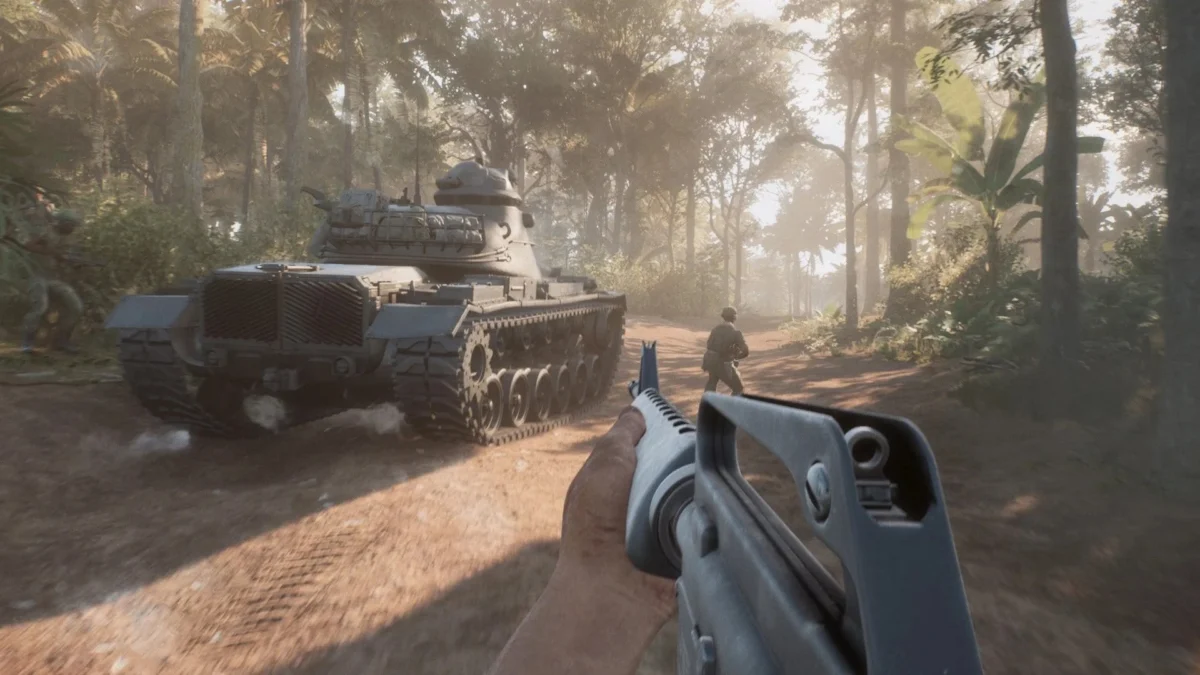
One of the most significant developments for the Xbox community during this period is the focus on Hell Let Loose: Vietnam. Originally developed by Black Matter and now under the stewardship of Team17, Hell Let Loose has carved out a substantial niche on consoles by offering a level of tactical depth and historical authenticity rarely seen outside of PC-centric military simulators. The shift from the European and Pacific theaters of World War II to the dense jungles of Vietnam represents a major pivot for the franchise and the tactical shooter genre on Xbox.
The Vietnam setting introduces unique gameplay challenges that differ fundamentally from the urban and rural combat of the base game. Historically, the Vietnam War was characterized by asymmetrical warfare, limited visibility, and unconventional tactics—elements that Team17 has integrated into the Xbox version to leverage the hardware capabilities of the Series X. Analysts suggest that the introduction of this content is designed to compete directly with other tactical offerings such as Insurgency: Sandstorm and the Arma series, which have seen a resurgence in player numbers on console platforms. The "free-to-play" weekend initiative accompanying this release is a proven industry tactic to lower the barrier to entry, potentially converting a significant portion of the trial audience into long-term players ahead of the fall season.
The Evolution of Cooperative Horror: No More Room in Hell 2
Following the tactical intensity of military simulators, the release of No More Room in Hell 2 on Xbox marks a milestone for the cooperative survival horror genre. The original title began as a total conversion mod for Valve’s Source engine, gaining a massive following due to its uncompromising difficulty and emphasis on "realistic" zombie survival mechanics. The sequel, developed by Lever Games, has been rebuilt from the ground up using Unreal Engine 5, bringing high-fidelity environmental storytelling and advanced physics to the Xbox Series X|S.
Unlike traditional "horde shooters" like Left 4 Dead or Back 4 Blood, No More Room in Hell 2 focuses on 8-player co-op where survival is not guaranteed. The game utilizes a permadeath system and scarce resource management, forcing players to coordinate via proximity voice chat—a feature that utilizes the Xbox social infrastructure. This release is particularly notable as it signifies the ongoing trend of successful PC community projects transitioning into full-scale console productions. Industry data indicates that cooperative horror remains one of the most consistent drivers of "long-tail" engagement on Xbox, providing Microsoft with steady active user metrics outside of its major first-party launches.
Independent Innovation: Wild Blue Skies and ID@Xbox
The August 10-14 window also highlights the continued influence of the ID@Xbox program through titles like Wild Blue Skies. This indie highlight focuses on aerial exploration and stylized combat, offering a mechanical counterpoint to the more grounded, realistic titles releasing in the same timeframe. The inclusion of such games is essential for Microsoft’s goal of maintaining a "diverse portfolio," ensuring that the platform appeals to players looking for shorter, more experimental experiences alongside 100-hour blockbusters.
Wild Blue Skies utilizes a vibrant art style that targets the performance capabilities of the Xbox Series S, a console that remains a critical component of Microsoft’s market share strategy. By ensuring a steady flow of optimized indie titles, Xbox maintains the value proposition of its more affordable hardware entry point. The developer’s focus on fluid flight mechanics and non-linear exploration reflects a broader industry shift toward "cozy" or "atmospheric" gameplay loops, which have seen a 15% increase in player engagement over the last two fiscal quarters according to internal market research.
Chronology of Xbox Releases: August 10-14
The release schedule for this period is structured to maximize visibility for different genres across five days.
- August 10: The window opens with a focus on smaller-scale indie updates and the commencement of promotional periods for upcoming tactical shooters. This day serves as the primary onboarding point for community-led events.
- August 11: Early access windows for several mid-tier titles begin. This day typically sees the first wave of reviews and social media impressions from the "New Zealand trick" users—players who change their console region to access games hours ahead of their local time zone.
- August 12: A major day for the Xbox Game Pass library. New additions are integrated into the "Recently Added" section, often accompanied by official blog posts from the Xbox Wire team.
- August 13: The launch of No More Room in Hell 2 and Wild Blue Skies. This represents the peak of the week’s software volume, targeting both the horror and adventure demographics.
- August 14: The transition into the weekend period, marked by the full activation of the Hell Let Loose: Vietnam free-to-play event. This day is critical for server stability and community management as player counts are expected to spike.
Xbox Game Pass: Tier Restructuring and Content Influx
The additions to Xbox Game Pass during this week occur against the backdrop of a significant restructuring of the service’s tiers. Microsoft recently introduced the "Xbox Game Pass Standard" tier, which replaces the previous "Console" tier but notably excludes day-one releases. Consequently, the games added between August 10 and 14 are distributed across Ultimate, PC, and Standard tiers with varying levels of access.
This period sees the addition of several titles aimed at maintaining the service’s value following recent price adjustments. Historically, August is a month where Game Pass sees a high "attach rate" for indie titles, as players look for new experiences before the September launch of major titles like Starfield (in previous years) or upcoming 2024 blockbusters. The strategy here is "retention over acquisition." By providing high-quality cooperative games like No More Room in Hell 2 or thematic expansions for existing hits, Microsoft reduces the "churn rate"—the percentage of subscribers who cancel their service during months without a major first-party release.
Supporting Data and Market Context
According to recent financial reports, the Xbox content and services revenue increased by 61% year-over-year, largely driven by the acquisition of Activision Blizzard and the continued growth of Game Pass. However, hardware sales have seen a decline, making the software lineup for weeks like August 10-14 even more vital. Microsoft is increasingly reliant on the "ecosystem" model, where the specific hardware owned by the user is less important than their presence within the Xbox software environment (PC, Cloud, or Console).
Data from third-party analytics firms suggest that tactical shooters and survival horror games have the highest "hours played per user" on Xbox. By centering the August 10-14 lineup around Hell Let Loose and No More Room in Hell 2, Microsoft is targeting a demographic that is statistically more likely to engage with the platform daily. Furthermore, the inclusion of indie titles provides a "low-risk, high-reward" scenario for the Game Pass library, where a breakout hit can generate millions of hours of gameplay for a fraction of the licensing cost of a AAA title.
Official Responses and Developer Insights
While official statements regarding this specific week’s lineup are primarily disseminated through social media and the Xbox Wire blog, developers have expressed a unified sentiment regarding the importance of the Xbox community. Team17 representatives have noted that the console audience for Hell Let Loose is "uniquely dedicated to the simulation aspect of the game," prompting the team to prioritize controller optimization and haptic feedback for the Vietnam content.
Similarly, the team behind No More Room in Hell 2 has emphasized that bringing the game to Xbox was a priority to ensure the 8-player cooperative experience could benefit from the platform’s integrated party systems. "The Xbox community has a long history with survival horror," a spokesperson for Lever Games noted in a recent developer diary. "We wanted to ensure that the tension and scale of our world were fully realized on the Series X hardware."
Broader Impact and Industry Implications
The release window of August 10-14 highlights three major trends currently shaping the video game industry. First is the "Vietnamization" of the shooter genre, as developers look for historical settings beyond World War II to provide fresh tactical challenges. Second is the professionalization of the modding community, as seen with the transition of No More Room in Hell from a free mod to a premium console sequel. Finally, the week underscores the evolution of the subscription model.
As Microsoft continues to refine its Game Pass tiers, the industry is watching closely to see if the "Standard" tier—which lacks day-one access—will affect the visibility of indie titles. If a game like Wild Blue Skies succeeds despite being on a lower tier, it validates Microsoft’s tiered strategy. If not, it may force a reassessment of how indie developers are compensated within the subscription ecosystem.
Ultimately, the week of August 10-14 is not merely a collection of release dates, but a reflection of a platform in a state of constant calibration. By providing a mix of high-stakes tactical combat, atmospheric survival, and indie exploration, Xbox aims to solidify its position as the primary destination for diverse gaming experiences, regardless of the player’s preferred genre or subscription level. As the industry moves toward the final quarter of the year, these mid-August releases provide the necessary momentum to carry the platform into its most competitive season.