

The Evolution of the Global Component Crisis
The current hardware pricing surge is the culmination of a multi-year "component crisis" that has plagued the technology sector since the mid-2020s. While initial supply chain disruptions during the early part of the decade were attributed to pandemic-era logistics, the 2026-2027 crisis is rooted in more systemic issues, including the rising costs of raw materials such as neon gas, palladium, and high-grade silicon. Microsoft’s Chief Strategy Officer (CSO) recently addressed these concerns, noting that console demand continues to outstrip a supply chain that is increasingly expensive to maintain.
In June 2026, Microsoft took the rare step of announcing a worldwide price increase for both the Xbox Series X and the more affordable Series S. This move followed similar adjustments by Sony and Nintendo, signaling a market-wide shift away from the traditional model of subsidized hardware. Historically, console manufacturers sold hardware at a loss or at thin margins to build a user base for software sales. However, the current "crisis for component prices" has rendered that model unsustainable, leading to the current $799.99 MSRP for the flagship Xbox Series X.
A Chronology of Rising Costs and Industry Reactions
To understand the gravity of the current situation, it is necessary to examine the timeline of the hardware market’s escalation:
- November 2020: The Xbox Series X and Series S launch at $499 and $299, respectively, amidst high demand and early supply constraints.
- 2024–2025: A brief period of market stabilization is interrupted by geopolitical tensions affecting key semiconductor manufacturing hubs, leading to a slow creep in manufacturing overhead.
- March 2026: Xbox executives first mention "Project Helix," a new hardware initiative designed to be easier to develop for than the Series X, sparking rumors of a mid-generation pivot or an early transition to next-generation architecture.
- June 2026: Microsoft officially announces a significant price hike, citing the "component crisis" and the rising cost of international logistics.
- August 2026: The full impact of the price hike is felt at retail, with the Xbox Series X reaching the $799.99 threshold.
- 2027 Projections: Internal Xbox forecasts, shared with stakeholders, suggest that the component crisis will worsen throughout 2027, potentially leading to further price adjustments or limited hardware availability.
The Economic Dilemma: Repair, Replace, or Retreat?
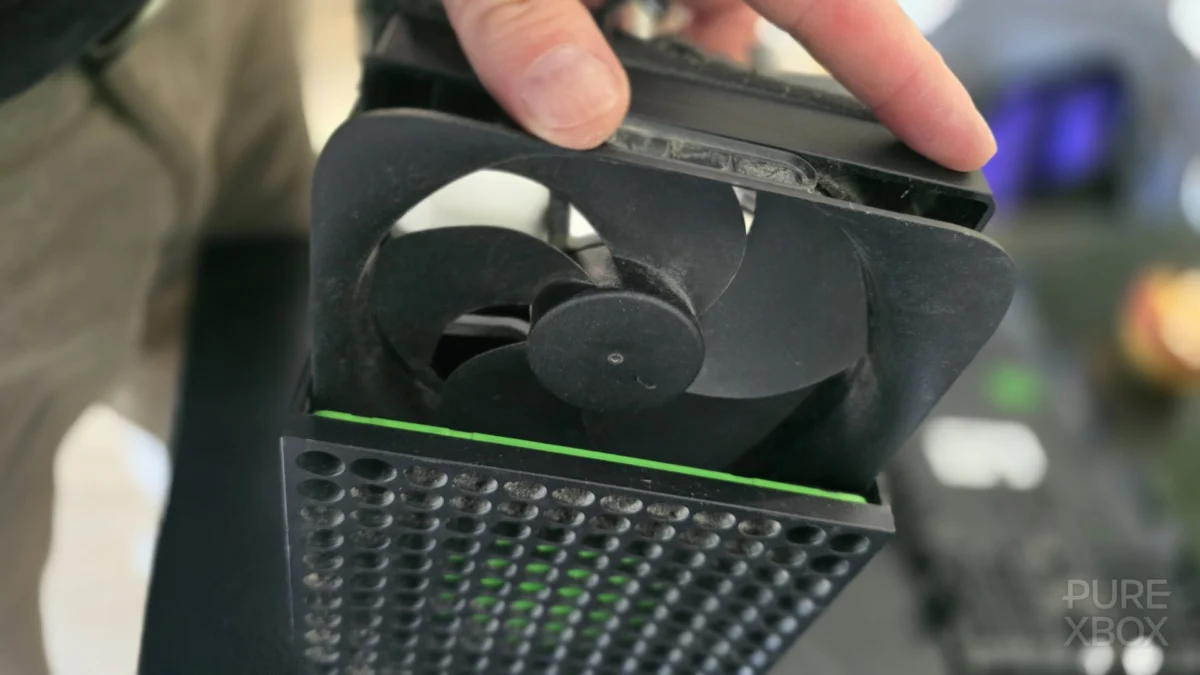
For consumers who purchased their consoles during the relatively stable period between 2020 and 2024, the current market prices are a distant concern—until a hardware failure occurs. A sudden system failure in late 2026 places the owner in a difficult "quandary," as described by industry analysts and community discussions on platforms like Reddit. The financial barrier to re-entering the ecosystem is now nearly double what it was at the start of the generation.
The New Hardware Acquisition
Purchasing a brand-new Xbox Series X at $799.99 is the most direct path to resuming gameplay, but it is one that many consumers find untenable. At this price point, the console competes directly with mid-to-high-range gaming PCs, which offer more versatility. However, for players deeply embedded in the Xbox ecosystem with extensive digital libraries and Game Pass subscriptions, the "reluctant purchase" remains a primary, albeit painful, option.
The Rise of Professional Repair Services
Given the high replacement cost, the secondary market for repair services has seen a significant uptick. Component-level repair, which involves soldering new chips or replacing specific power supply units, typically costs a fraction of a new unit—often ranging from $150 to $250. However, the same component crisis affecting manufacturers also impacts repair shops, which struggle to source genuine replacement parts. This has led to longer wait times and a surge in "donor" consoles being sold for parts.
The Second-Hand Market and Refurbished Units
The used market has historically been a refuge for budget-conscious gamers. In the current climate, however, the resale value of used Xbox Series X consoles has remained abnormally high, often hovering near the original $499 launch price. While this offers a saving compared to the $799 retail price, it carries the inherent risk of purchasing hardware that is out of warranty and potentially nearing its own point of failure.

Project Helix and the Future of Xbox Hardware
A critical factor in the current consumer decision-making process is the looming shadow of "Project Helix." Mentioned by Xbox executives in early 2026, Project Helix is touted as a more developer-friendly architecture that could potentially bridge the gap between the current generation and the future of Xbox gaming.
If Project Helix is positioned as a more efficient, perhaps even more affordable, alternative to the Series X, many consumers whose consoles break today may choose to "wait it out." The logic is that investing $800 in five-year-old technology (the Series X) is less sensible than waiting for the arrival of a new platform that might offer better longevity, even if the release date remains unconfirmed.
Software Stakes: GTA 6 and Fable
The urgency of maintaining working hardware is amplified by the upcoming release schedule. The industry is currently anticipating "tentpole" titles such as Grand Theft Auto 6 and the reboot of Fable. These games are expected to be technical showcases that demand the full power of the Series X or its successor.
For the enthusiast market, missing out on these cultural milestones due to hardware failure is not an option. This creates a "forced upgrade" scenario where the desire to play high-profile releases overrides the sticker shock of the $799.99 price tag. Analysts suggest that Microsoft is counting on these major software releases to sustain hardware momentum despite the rising costs.
Broader Impact on the Gaming Ecosystem
The implications of $800 consoles extend beyond individual consumer choices; they threaten to reshape the entire gaming demographic. If the cost of entry remains this high, the "digital divide" in gaming will widen.
- Shift to Cloud Gaming: As local hardware becomes a luxury, Microsoft’s investment in Xbox Cloud Gaming (xCloud) appears more prescient. Players whose consoles break may opt not to replace the hardware at all, instead utilizing Game Pass Ultimate to stream titles to smart TVs, tablets, or older Xbox One consoles.
- Extended Lifecycle of Older Hardware: The "back to the old console" strategy is becoming increasingly common. Players are reporting a return to the Xbox One or the Series S as a stopgap measure, prioritizing affordability over graphical fidelity.
- Impact on Subscription Services: If hardware ownership drops, the growth of services like Xbox Game Pass may decelerate. While cloud gaming is an alternative, the majority of the current user base still prefers the low-latency experience of local hardware.
Analysis of Market Sustainability
The current trajectory of the console market is, by many accounts, unsustainable in the long term. The video game industry has traditionally relied on a mass-market volume model. When the price of a console exceeds the cost of a major home appliance, the "impulse buy" or the "holiday gift" market evaporates.
Industry observers are closely watching how Microsoft manages the transition into 2027. If the component crisis worsens as expected, we may see a fundamental shift in how Xbox hardware is sold—perhaps through more aggressive financing plans (such as Xbox All Access) or a total pivot toward a "hardware-agnostic" future where the brand exists primarily as an app on third-party devices.
In conclusion, the hypothetical question of what a player would do if their Xbox broke tomorrow has become a very real economic stress test. Whether through repair, the second-hand market, or the heavy investment in a new $799 unit, the path forward for the Xbox community is fraught with financial hurdles. As the industry moves toward 2027, the resilience of the gaming public and the success of "Project Helix" will determine whether the console remains a staple of the living room or becomes a niche luxury for the few.