


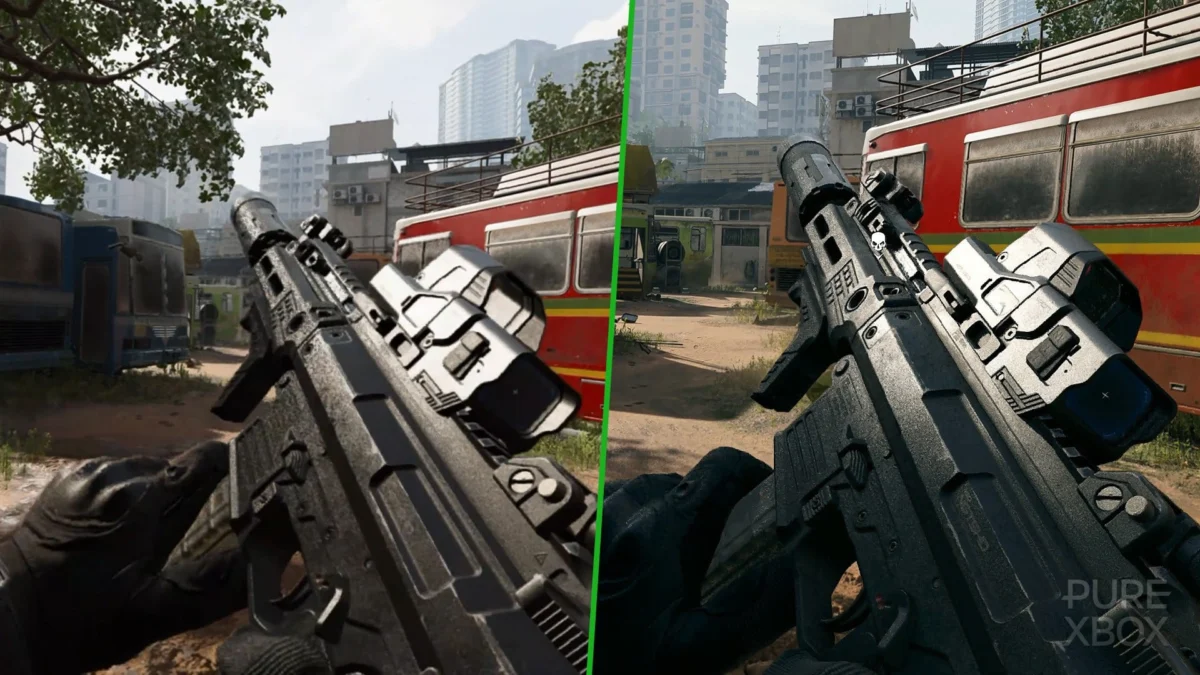
The digital battlegrounds of Call of Duty: Modern Warfare 4 have sprung to life for Xbox players, with the beta gates swinging open yesterday, August 22, 2026, offering the first hands-on experience with the highly anticipated title. Initial reports and extensive playtime suggest that the game has made a significant and largely positive first impression within its initial 24 hours of public access, particularly regarding its visual fidelity and underlying technical performance on Microsoft’s current-generation consoles.
The Return of a Franchise Cornerstone: Modern Warfare’s Legacy Continues
The Call of Duty franchise, a cornerstone of the gaming industry for over two decades, continues its storied lineage with Modern Warfare 4. The Modern Warfare sub-series, renowned for its compelling narrative, groundbreaking multiplayer mechanics, and realistic military themes, holds a special place in the hearts of millions of players worldwide. Each installment in this acclaimed branch of the franchise is met with immense anticipation, and Modern Warfare 4 is no exception. Following the successful reboots and continuations of the Modern Warfare saga, the fourth iteration carries the weight of high expectations, not only to innovate but also to deliver a polished and immersive experience that lives up to its predecessors.
The decision by Activision, now under the Microsoft Xbox umbrella, to release a public beta is a standard, yet critical, step in the development cycle of a title of this magnitude. Beta periods serve multiple vital functions: stress-testing server infrastructure, identifying unforeseen bugs and glitches, fine-tuning gameplay mechanics, and, crucially, gathering performance data across a wide range of player hardware and network conditions. For a title as graphically ambitious and performance-dependent as Call of Duty, these testing phases are indispensable for ensuring a smooth and successful launch. The full release of Call of Duty: Modern Warfare 4 is slated for October 23, 2026, making the feedback and data collected during these beta weekends instrumental for final optimizations.
Initial Impressions: Visual Fidelity and Player Engagement
Early reports from players and media outlets, including Pure Xbox, indicate that Modern Warfare 4 is visually striking. The game appears to be leveraging the capabilities of current-gen consoles effectively, with particular praise directed at its advanced lighting engine. Modern lighting techniques, such as ray tracing (even if implemented partially or through hybrid methods), can dramatically enhance realism, creating more immersive environments with dynamic shadows, reflections, and atmospheric effects. While the beta is, by definition, an unfinished product and performance remains "subject to change," this initial visual polish suggests a strong foundation for the final release. The "looker" designation points to a game that aims to push graphical boundaries within the established Call of Duty engine.
Beyond the aesthetics, the core gameplay loop—encompassing multiplayer matches and a segment of the campaign mission available in the beta—has resonated positively. The responsiveness of controls, the design of maps, and the overall feel of combat are critical elements that players evaluate during a beta. A strong initial impression across these vectors is a significant indicator of player satisfaction and potential commercial success.
Technical Deep Dive: Xbox Series X Performance Analysis
For players on the more powerful Xbox Series X, the Call of Duty: Modern Warfare 4 Beta offers two distinct performance modes, catering to different player preferences and display capabilities: a 60Hz mode and a 120Hz mode. These modes dictate the target refresh rate and, consequently, the frame rate, requiring developers to make trade-offs, primarily in resolution and graphical fidelity, to achieve the desired performance.
In the 60Hz mode, designed for standard displays or players prioritizing visual quality, the game targets a dynamic 4K resolution. Dynamic resolution scaling is a common technique used by developers to maintain a consistent frame rate by adjusting the rendering resolution in real-time based on the complexity of the scene. While the target is 4K, internal resolution analysis suggests that the game frequently renders closer to 1440p. This is a common practice, as upscaling from 1440p to 4K often yields results that are visually indistinguishable from native 4K to the average player, especially when combined with advanced anti-aliasing techniques. Crucially, this mode excels in frame rate stability, holding a rock-steady 60 frames per second (FPS) with only occasional, minor dips observed during intense multiplayer engagements. This consistent 60FPS experience is often considered the gold standard for competitive shooters, providing smooth gameplay and responsive input.
The 120Hz mode is tailored for players with high-refresh-rate displays, such as 120Hz or 144Hz monitors and televisions, seeking the most fluid gameplay possible. In this mode, the resolution target is also dynamic 4K, but the internal rendering resolution typically sits around 1080p. This reduction in base resolution is a necessary compromise to achieve the significantly higher frame rate. For competitive multiplayer, the 120Hz mode generally fluctuates between 120FPS and 110FPS. While not a perfectly locked 120FPS, maintaining performance consistently above 100FPS offers a substantial advantage in responsiveness and visual clarity over 60FPS, particularly in fast-paced combat scenarios where every millisecond counts. However, the campaign segment available in the beta, which often features more complex environments, scripted events, and higher graphical demands, sees frame rates settling closer to 80-90FPS. This discrepancy between multiplayer and campaign performance is typical, as multiplayer maps are often designed for competitive balance and optimization, while campaigns prioritize cinematic scope and visual spectacle.
Xbox Series S Performance: A Balancing Act
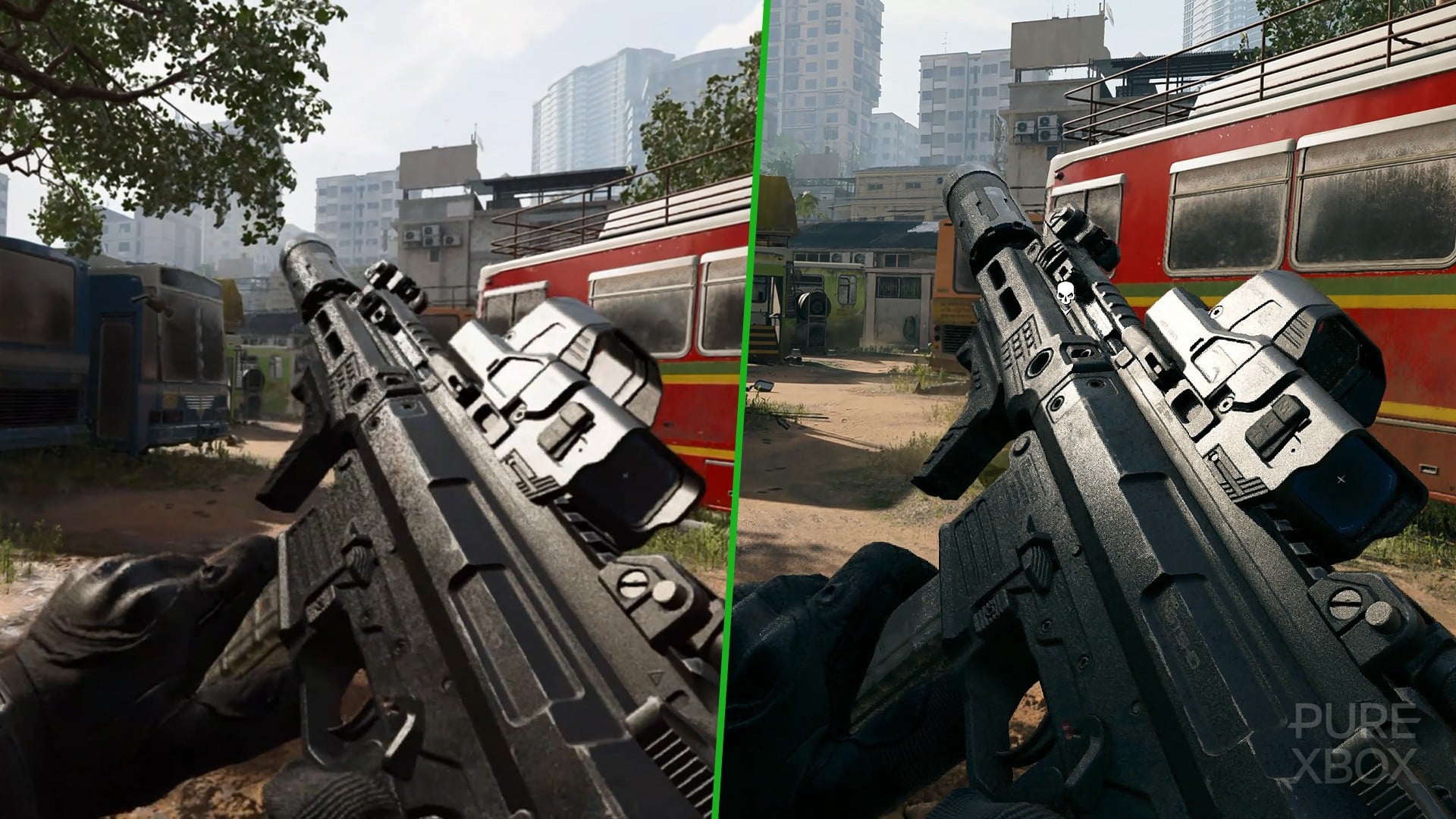
The Xbox Series S, Microsoft’s more affordable and less powerful current-gen console, presents a unique challenge for developers aiming to deliver a comparable experience to its Series X counterpart. Despite its hardware limitations, the Series S demonstrates a commendable effort in running the Modern Warfare 4 Beta, albeit with more noticeable compromises in both resolution and frame rate stability.
Both the 60Hz and 120Hz performance modes on the Xbox Series S target a dynamic 1440p resolution. However, the internal rendering resolutions vary more significantly than on the Series X. In 60Hz mode, the internal resolution is suggested to hover around 1080p to 1206p. This indicates that while the target is 1440p, the game frequently renders at or near Full HD to maintain performance. In terms of frame rate, multiplayer generally holds around 60FPS during active combat, providing a respectable experience. However, more significant dips, sometimes as low as 40FPS, are observed during less demanding moments, such as respawning or traversing less populated areas, suggesting potential optimization challenges or asset loading spikes. The campaign performance in 60Hz mode, interestingly, seems to hold onto 60FPS very well, perhaps indicating less variability in scene complexity compared to some multiplayer scenarios or better optimization for specific campaign sequences.
The 120Hz mode on the Xbox Series S pushes the hardware to its limits, resulting in a more variable performance profile. The internal resolution in this mode can range from a low of 576p to a high of 1080p, showcasing the aggressive dynamic scaling required to even attempt a high frame rate. Frame rates in multiplayer can reach 120FPS in less demanding sections, providing glimpses of a truly fluid experience. However, these peaks are often punctuated by significant dips, with frame rates plummeting as low as 70FPS during intense firefights. The campaign in 120Hz mode also exhibits considerable fluctuation, ranging from approximately 70FPS to the low 90s. While achieving 120FPS in bursts on the Series S is an impressive feat, the inconsistency might be noticeable to players accustomed to more stable high frame rates, potentially impacting the competitive edge that 120Hz modes typically offer.
The Crucial Role of Beta Testing and Community Feedback
The performance metrics observed during this initial beta phase, meticulously analyzed by technical experts such as those at Fuzion Xbox Testing (whose detailed videos provide invaluable insight), are not indicative of the final product. Beta builds are inherently works in progress. Developers utilize these periods to gather massive amounts of telemetry data, identify performance bottlenecks, and address bugs that were not caught during internal testing. The feedback from the player community, particularly regarding perceived performance, bugs, and gameplay balance, is directly integrated into the development pipeline. It is reasonable to anticipate further optimization passes, driver updates, and potentially even significant engine tweaks between now and the October 23, 2026, launch date. The dips observed, especially on the Series S, are prime candidates for refinement.
Beta Timeline and Anticipation for Launch
The Call of Duty: Modern Warfare 4 beta is structured across two distinct weekends, allowing ample opportunity for players to dive in and provide feedback. The first beta phase, which commenced on Friday, August 22, is scheduled to conclude on Monday, August 25. Following a brief hiatus, the second beta weekend will kick off on Thursday, August 28, and run through Sunday, September 1. These staggered periods allow developers to implement quick fixes or test new configurations based on initial feedback, refining the experience for the second wave of testers. The strategic timing of these betas, approximately two months before the full game launch, provides a critical window for the development team to incorporate player insights and technical data into the final polishing phase.
Broader Implications for the Franchise and Console Ecosystem
The performance of Call of Duty: Modern Warfare 4 in beta carries significant implications, not just for the game itself but for the broader console gaming landscape and the Call of Duty franchise’s standing. As a tentpole release for Activision and Xbox, its technical prowess sets a benchmark for other titles. A visually impressive and smoothly performing Call of Duty entry reaffirms the capabilities of current-generation hardware and helps justify the investment players make in these systems.
For the competitive gaming scene, stable high frame rates are paramount. The ability to consistently deliver 60FPS on both consoles, and to push towards 120FPS on the Series X, ensures that Modern Warfare 4 can cater to the demands of esports and serious competitive players. The challenges faced by the Series S in maintaining consistent high frame rates highlight the ongoing balancing act for developers in optimizing for a bifurcated console generation, ensuring a satisfactory experience across different price points and hardware specifications.
The positive initial reception, particularly concerning visuals and the generally strong performance on the Series X, bodes well for pre-order numbers and launch sales. The Modern Warfare brand has a history of setting sales records, and a strong technical foundation in beta is a powerful marketing tool. As the development team moves from the beta phase to the final release, the focus will undoubtedly be on further refining performance, squashing remaining bugs, and delivering a day-one experience that lives up to the lofty expectations set by the beta’s promising debut.
Looking Ahead: From Beta to Battlefield
With the beta phase underway and the full release on the horizon, the gaming community eagerly awaits the final version of Call of Duty: Modern Warfare 4. The initial impressions suggest a visually stunning and technically competent entry into the revered series, especially on the Xbox Series X. While the Xbox Series S faces expected challenges in maintaining parity, the efforts to deliver a dynamic and engaging experience across both platforms are evident. The coming weeks will be crucial for the development team to harness the wealth of data and feedback from the beta, transforming a promising preview into a definitive military shooter experience for October 23, 2026.