


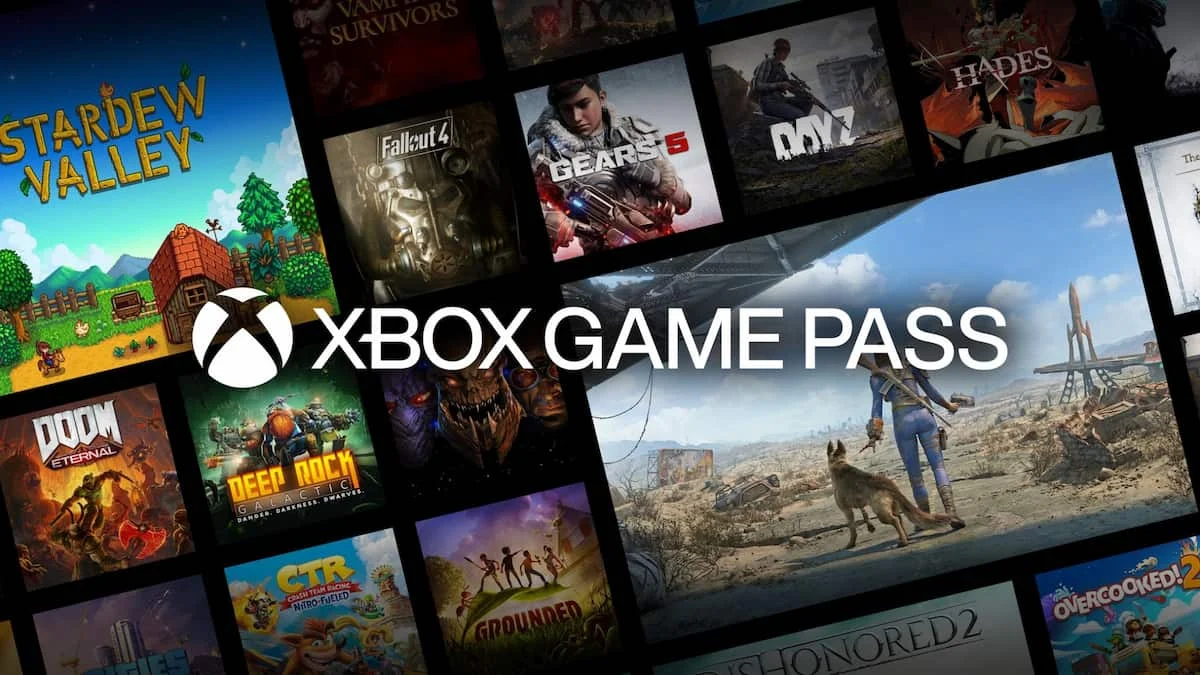
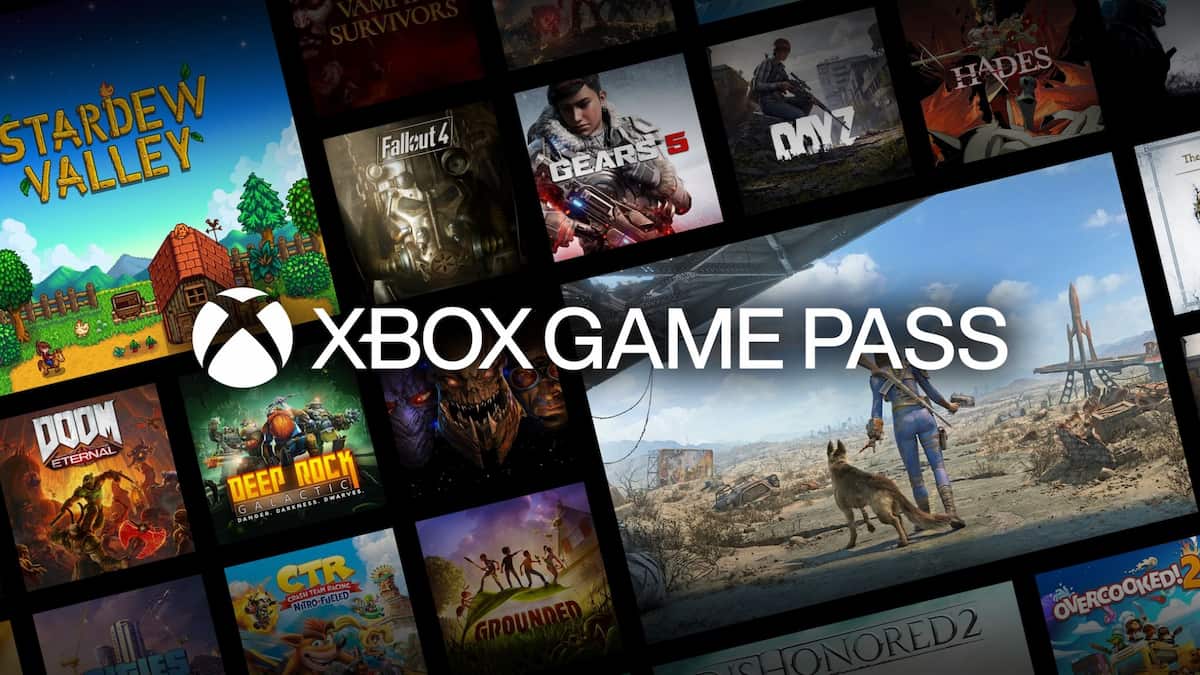
Xbox Game Pass, a subscription service lauded for its expansive library of titles, has undeniably revolutionized game accessibility and affordability for millions worldwide. For a modest monthly fee, often under $15 USD in many regions, subscribers gain access to hundreds of games, representing a combined retail value that can easily reach thousands of dollars. This unprecedented access, however, is increasingly becoming a focal point of discussion and concern within the gaming industry, particularly regarding its impact on the perceived commercial success and overall value proposition of individual game titles. The core of this debate lies in how the subscription model, especially the inclusion of major releases on their launch day, potentially undermines traditional sales metrics and influences player purchasing behavior.
The Game Pass Paradox: Accessibility vs. Commercial Viability
The fundamental appeal of Xbox Game Pass lies in its ability to offer a vast and ever-rotating catalog of games at a fraction of the cost of purchasing them individually. This has democratized access to AAA blockbusters and niche indie gems alike, allowing players to explore genres and titles they might otherwise deem too expensive. However, this very accessibility presents a significant challenge for game developers and publishers. When a game that would typically retail for $60 or more is immediately available to subscribers for a fixed monthly fee, the incentive for players to purchase it outright diminishes considerably.
This dynamic was starkly illustrated with titles like The Outer Worlds 2. While recognized as a quality game, its engagement on platforms like Steam was reportedly subdued. The prevailing sentiment among many potential buyers was to wait for its inclusion on Game Pass, particularly given its day-one availability on the service. This trend raises critical questions about how "success" is measured in the modern gaming landscape. If a game experiences lower direct sales but achieves high player engagement through a subscription service, how should its commercial performance be evaluated? The traditional metrics of unit sales and revenue generated from individual purchases become less relevant, creating a complex new reality for studios and their financial forecasting.
Internal Discord: Studio Leaders’ Apprehension Towards Game Pass
The growing unease surrounding Game Pass is not confined to external observers. According to renowned industry journalist Jason Schreier, a significant contingent within Xbox’s studio leadership harbors considerable reservations, even "detesting" the service with a palpable passion. This internal sentiment, as reported and subsequently amplified by outlets like wccftech, suggests a deep-seated conflict between the strategic vision of Xbox as a platform provider and the operational realities faced by game development studios under its umbrella.
Schreier’s reporting indicates that while Microsoft is unlikely to discontinue Game Pass due to its strategic importance and subscriber base, a significant shift in its content strategy is anticipated. The most probable change, according to these insights, is a substantial reduction in the number of day-one releases offered on the service. The rationale behind this proposed adjustment is straightforward: the current model, where major titles debut day one on Game Pass, is increasingly viewed as financially unsustainable and strategically unsound by many within Xbox’s creative and executive ranks. The argument is that for certain games, this approach "makes no sense anymore" from a revenue generation and perceived value standpoint.
Devaluing the Product: The Case of Mid-Tier Releases
The impact of Game Pass is not solely felt by the largest AAA titles. Games that fall into the mid-tier pricing bracket, often released at around $40, also face significant challenges. Schreier highlighted South of Midnight as an example, a game that, while not universally acclaimed, resonated deeply with a dedicated segment of players. However, even for such titles, the Game Pass model can obscure their true market reception.
"You take a game like South of Midnight, that’s a game that was not exactly critically acclaimed or anything, but the people who really loved it, really loved it, really spoke to them," Schreier elaborated. "And that’s a game that costs $40 to buy, but on Game Pass, you can get it for, what was it, $15 a month, $20 a month, whatever it was at the point that that game was released." This illustrates a core dilemma: players are incentivized to leverage the subscription service, effectively bypassing the opportunity to directly support the game’s creators through a full-price purchase. This creates a scenario where players actively choose the cost-saving "shortcut" of Game Pass, potentially leading to a situation where a game’s perceived value is diluted, irrespective of its quality or the effort invested in its creation.
The Erosion of Perceived Value
The pervasive presence of Game Pass has, according to those within Xbox’s studio leadership, contributed to a broader erosion of the perceived value of games as individual products. "There are a lot of people out there in studio leadership within Xbox who absolutely detest Game Pass and think it has destroyed the value of their games," Schreier stated. This sentiment extends beyond individual titles, suggesting a concern that the subscription model, as a whole, has fundamentally altered how players view the worth of video games.
"They think it has taken away from the value of all games in general just as a service," he continued, "and that it’s been a detriment to the games industry and those people’s views because of how it devalues games." This perspective argues that by making a vast library of games available for a low, recurring fee, Game Pass inadvertently conditions players to expect access to premium content without commensurate individual investment. This can create a difficult environment for studios aiming to recoup development costs and generate profits through direct sales, potentially impacting future investment in ambitious projects.
Historical Precedent and Emerging Trends
The concerns surrounding Game Pass’s impact on game releases are not entirely new. Destructoid previously reported on how Game Pass has taken a significant toll on game releases on other platforms, with many day-one titles struggling to gain traction and effectively competing against themselves. This phenomenon highlights a potential cannibalization effect, where the availability of a game on Game Pass can overshadow its performance on traditional retail channels.
However, a counterargument suggests that player perception of value is paramount. When players genuinely believe an Xbox first-party title is worth the premium, it can perform exceptionally well outside of Game Pass. This indicates that the issue may not be the service itself, but rather the strategic deployment of certain titles within it. If a game is perceived as a must-have experience that justifies its full retail price, players may still opt for individual purchase, even with Game Pass available. This nuance suggests that the success or failure of a title in the post-Game Pass era might hinge on its ability to cultivate a strong, independent sense of value in the eyes of the consumer, beyond its inclusion in a subscription bundle.
Future Implications and Industry Repercussions
The internal discussions and potential strategic shifts within Xbox regarding Game Pass have far-reaching implications for the broader gaming industry. If Xbox significantly curtails its day-one releases, other publishers and platform holders may follow suit, re-evaluating their own subscription strategies. This could lead to a more segmented market, where some games are offered as day-one additions to services, while others are held back for traditional release to maximize direct sales.
Furthermore, the debate underscores the ongoing challenge of adapting business models to evolving consumer behavior and technological advancements. The gaming industry has consistently navigated shifts, from the rise of digital distribution to the advent of free-to-play models. The Game Pass paradigm represents another significant evolutionary step, forcing stakeholders to grapple with questions of value, revenue, and the very definition of a game’s success.
The long-term impact on game development could also be substantial. If studios become overly reliant on the predictable, albeit potentially lower, revenue streams from Game Pass deals, it might disincentivize the creation of high-risk, high-reward projects that traditionally rely on strong upfront sales. Conversely, a more balanced approach, where Game Pass complements rather than supplants traditional sales, could foster a healthier ecosystem for both developers and consumers, ensuring a diverse range of games continue to be produced and enjoyed.
Ultimately, the conversation around Xbox Game Pass is a microcosm of the industry’s larger struggle to reconcile the democratization of gaming with the economic realities of game development and publishing. The coming months and years will likely reveal how Microsoft and its competitors navigate this complex terrain, shaping the future of how we access, play, and value video games.