


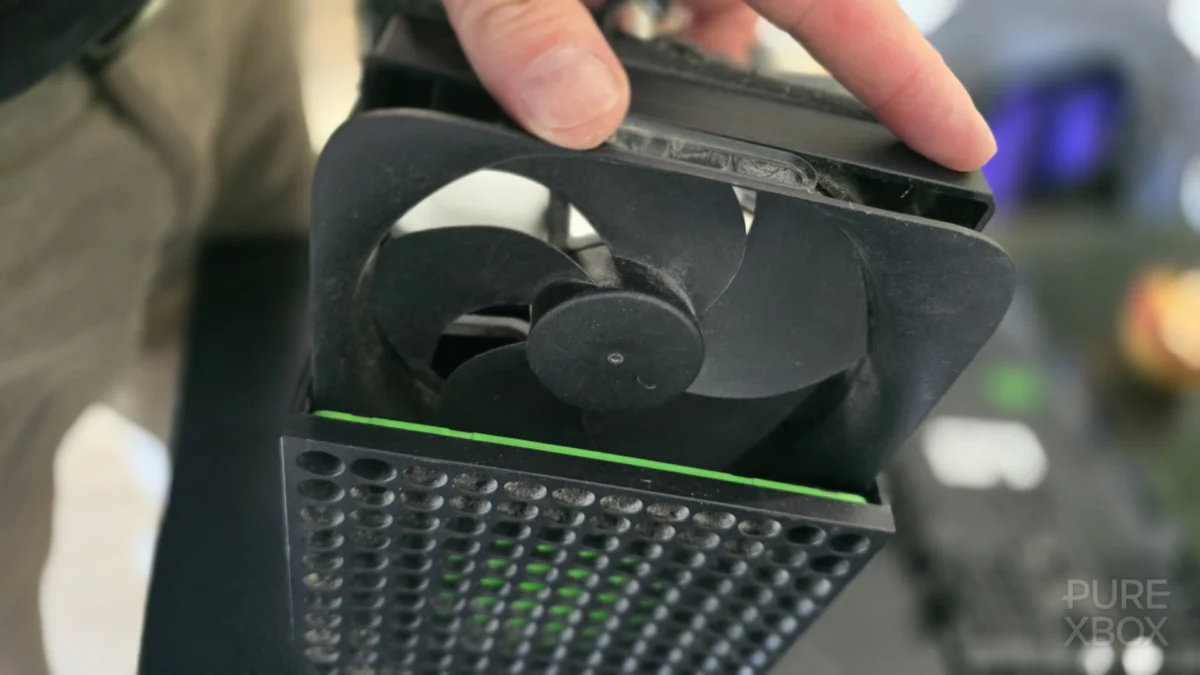
The global video game hardware market is currently navigating a period of unprecedented economic volatility, characterized by a persistent component crisis that has fundamentally altered the pricing landscape for home consoles. As of August 2026, the cost of entry for high-end gaming has reached a historic peak, leaving consumers in a precarious position should their existing hardware fail. This situation is underscored by recent price adjustments from Microsoft’s Xbox division, which saw the retail value of the Xbox Series X and Series S climb significantly in June 2026. With the Xbox Series X with a disc drive now retailing for approximately £669.99 in the United Kingdom and $799.99 in the United States, the financial burden of replacing a malfunctioning unit has become a primary concern for the gaming community.
The current market climate is a direct result of a multi-year strain on the global supply chain, often referred to as the "component crisis." This crisis involves a shortage of critical semiconductors, rising costs of rare earth minerals essential for high-performance GPU manufacturing, and increased logistics expenses. Xbox Chief Strategy Officer (CSO) recently indicated that demand for consoles continues to outstrip supply, primarily because the cost of manufacturing components shows no signs of stabilizing. Internal projections from Microsoft suggest that these conditions may deteriorate further in 2027, potentially leading to additional price hikes for the current generation of hardware, as well as influencing the launch pricing of future systems like the Nintendo Switch 2 and Sony’s PlayStation iterations.
The Chronology of the Component Crisis and Pricing Escalation
The trajectory of console pricing from 2020 to 2026 illustrates a departure from traditional industry cycles. Historically, console hardware prices decreased over time as manufacturing processes became more efficient and "slim" models were introduced. However, the current generation has defied this trend.
- November 2020: The Xbox Series X and Series S launched at $499 and $299 respectively, during a period of high demand and initial supply shortages.
- 2022–2024: While supply stabilized briefly, inflationary pressures began to impact the cost of silicon wafers and global shipping.
- Late 2025: Industry analysts began reporting a secondary shortage of power management integrated circuits (PMICs) and advanced substrate materials, signaling a new phase of the component crisis.
- June 2026: Microsoft officially announced worldwide price increases for the Xbox Series X and Series S, citing the "unavoidable" necessity of passing manufacturing costs to the consumer.
- August 2026: Current market data reflects a price point of $799.99 for the flagship Xbox Series X, a 60% increase from its launch price.
This timeline highlights a shift in the gaming business model, where hardware is no longer consistently sold as a "loss leader" to drive software sales. Instead, the hardware itself must now maintain higher margins to offset the risks associated with a volatile supply chain.
Strategic Analysis of Consumer Options
For a consumer facing a hardware failure in late 2026, the decision-making process is complicated by the high cost of replacement and the proximity of next-generation hardware announcements. There are five primary avenues available to users whose consoles have ceased to function.
1. Direct Replacement via New Purchase
The most straightforward option remains the purchase of a new unit. However, at $799.99, the Xbox Series X is now positioned as a luxury electronics item rather than a mass-market toy. This option is primarily chosen by enthusiasts who prioritize the highest fidelity gaming experience and have significant investment in physical media. The reluctance to switch to a lower-tier model like the Series S is often driven by the desire to play upcoming flagship titles, such as Grand Theft Auto 6 and the new Fable, at native 4K resolutions.
2. Professional Repair Services
Given the high cost of new hardware, the third-party repair market has seen a significant resurgence. Repairing a console’s internal power supply, HDMI port, or SSD can cost a fraction of the price of a new unit—typically ranging from $100 to $250. However, the complexity of modern hardware, including proprietary components and "right to repair" limitations, can make some repairs unfeasible. Microsoft’s own out-of-warranty repair services also remain an option, though turnaround times have been impacted by the same component shortages affecting new production.
3. The Secondary and Refurbished Market
The second-hand market offers a middle ground, though it is not without risks. Used Xbox Series X units often sell for prices close to the original 2020 MSRP, making them "deals" only in comparison to the inflated 2026 retail prices. Consumers opting for this route must contend with the lack of a manufacturer warranty and the potential for inheriting a unit with undisclosed wear and tear.

4. Reversion to Legacy Hardware or Cloud Gaming
A segment of the population may choose to revert to previous generation hardware, such as the Xbox One X, or rely entirely on Xbox Cloud Gaming (via Xbox Game Pass). While this allows users to continue accessing their digital libraries, it limits them to older titles or streaming-compatible games, sacrificing the performance benefits of the current generation.
5. Waiting for Project Helix
With "Project Helix"—the rumored codename for the next evolution of Xbox hardware—on the horizon, many consumers are hesitant to reinvest in the Series X. Executive statements have suggested that Project Helix is being designed with a focus on ease of development and perhaps a more resilient supply chain strategy than the Series X. If the next generation is expected within the next 18 to 24 months, some users may choose to forgo high-end gaming entirely until the new hardware arrives.
Official Responses and Industry Sentiment
Microsoft’s leadership has been transparent regarding the challenges of the current market. The Xbox CSO’s admission that demand is outstripping supply serves as a warning to the industry that the "golden age" of affordable high-end hardware may be over for the foreseeable future. Internal memos leaked in early 2026 suggested that Microsoft explored several avenues to mitigate costs, including the use of alternative materials for console casings and more efficient cooling systems, but these efforts were largely offset by the rising costs of the internal APUs (Accelerated Processing Units) provided by partners like AMD.
Industry analysts suggest that Sony and Nintendo are facing similar pressures. The "component crisis" is an industry-wide phenomenon, not limited to a single manufacturer. This has led to a broader discussion regarding the sustainability of the "mid-gen refresh" model, as the costs associated with producing more powerful versions of current consoles (such as a hypothetical "Pro" model) may be prohibitively high for the average consumer.
Broader Economic Impact and Implications for the Ecosystem
The rise in console prices has ripple effects throughout the gaming ecosystem. First, it places a greater emphasis on the Xbox Series S as the "entry-level" gateway. While its price has also risen, it remains the most affordable way to access the current generation. However, the hardware disparity between the Series S and Series X continues to be a point of contention for developers who must optimize high-fidelity games for both sets of specifications.
Second, the high cost of hardware may accelerate the transition to a software-and-service-centric model. If consumers cannot afford to replace broken consoles, Microsoft’s focus on the Xbox App for PC, smart TVs, and mobile devices becomes even more critical. The goal is to ensure that even if a user’s physical Xbox breaks, they do not leave the Xbox ecosystem entirely.
Finally, the 2027 outlook suggests that the gaming industry must prepare for a "new normal." If component prices do indeed get worse, we may see a shift in how consoles are sold—perhaps through more widespread use of subscription-based hardware programs (like Xbox All Access), which allow consumers to pay for their systems through monthly installments rather than a single, daunting upfront cost.
In conclusion, the dilemma facing Xbox owners today is a microcosm of a larger shift in global electronics. The intersection of high-demand software releases and an increasingly expensive hardware market has created a scenario where a broken console is no longer a simple inconvenience, but a significant financial hurdle. Whether through repair, the second-hand market, or a pivot to cloud-based solutions, consumers are being forced to find creative ways to maintain their hobby in an era of economic uncertainty.