


This morning, Microsoft confirmed the abrupt closure of four Xbox game development studios: Arkane Austin, Tango Gameworks, Alpha Dog Games, and Roundhouse Studios. This significant workforce reduction and studio consolidation marks another deeply troubling development in an increasingly volatile video game industry. While Arkane Austin, Tango Gameworks, and Alpha Dog Games will cease operations entirely, Roundhouse Studios will be absorbed by ZeniMax Online Studios to bolster its ongoing projects. The news, delivered via an internal email from Xbox Game Studios head Matt Booty and subsequently reported by IGN, has sent shockwaves through the development community, sparking widespread frustration and concern among employees.
A Wave of Consolidation and Layoffs Grips the Gaming Landscape
The decision by Microsoft to shutter these studios is not an isolated incident but rather a stark reflection of a broader trend of consolidation, mass layoffs, and studio closures that has defined the video game industry over the past year. Companies that were once aggressive acquirers, such as Embracer Group, have shifted their strategies dramatically, divesting assets, severing ties with studios, and implementing substantial workforce reductions. This recent announcement by Microsoft positions the company as another major player grappling with significant restructuring, following its earlier decision in January 2024 to lay off approximately 1,900 employees across its Xbox division and the recently acquired Activision Blizzard.
While specific numbers regarding the employees affected by these latest studio closures have not yet been released by Microsoft, the impact is undeniably substantial. The news has been met with raw emotion on social media platforms, where affected employees and industry observers have voiced their dismay and anger. Microsoft has declined to comment directly on the IGN report, leaving the internal email from Matt Booty as the primary source of official communication regarding the rationale behind these drastic measures.
Examining the Rationale: Success Metrics and Contradictory Statements
The justifications provided for these closures paint a complex and, for many, a contradictory picture of what constitutes success within the current Xbox ecosystem. Matt Booty’s email cited a need to "prioritize high-impact titles and further investing in Bethesda’s portfolio of blockbuster games and beloved worlds," and to "double down on these franchises and invest to build new ones." This strategic reprioritization, he stated, necessitates a review of the business to identify opportunities best positioned for success, leading to the realignment of some teams and the departure of colleagues.
However, this rationale appears to clash with recent public statements and the critical reception of some of the affected studios’ most recent work. Arkane Austin, for instance, faced challenges with its game Redfall. While the game will remain playable online, it will no longer receive updates. A "make-good" has been promised for purchasers of the premium DLC pass, but this offers little solace to the studio’s workforce. This decision stands in stark contrast to earlier assurances. In a May 2023 interview with Kinda Funny, Xbox head Phil Spencer emphasized commitment to Redfall, stating, "In terms of our commitment to the game… absolutely, the team at Arkane is taking the near-term feedback. We’re still working on the 60fps update. We have a good timeline for that, we’re committed to getting that done. And we’re going to continue to work the game." He further drew parallels to ongoing support for titles like Sea of Thieves and Grounded, underscoring a commitment to live service and evolving titles. The closure of Arkane Austin, a studio also known for critically acclaimed titles like Prey (2017) and the original Dishonored, raises questions about the longevity of support for studios even with a history of quality output.
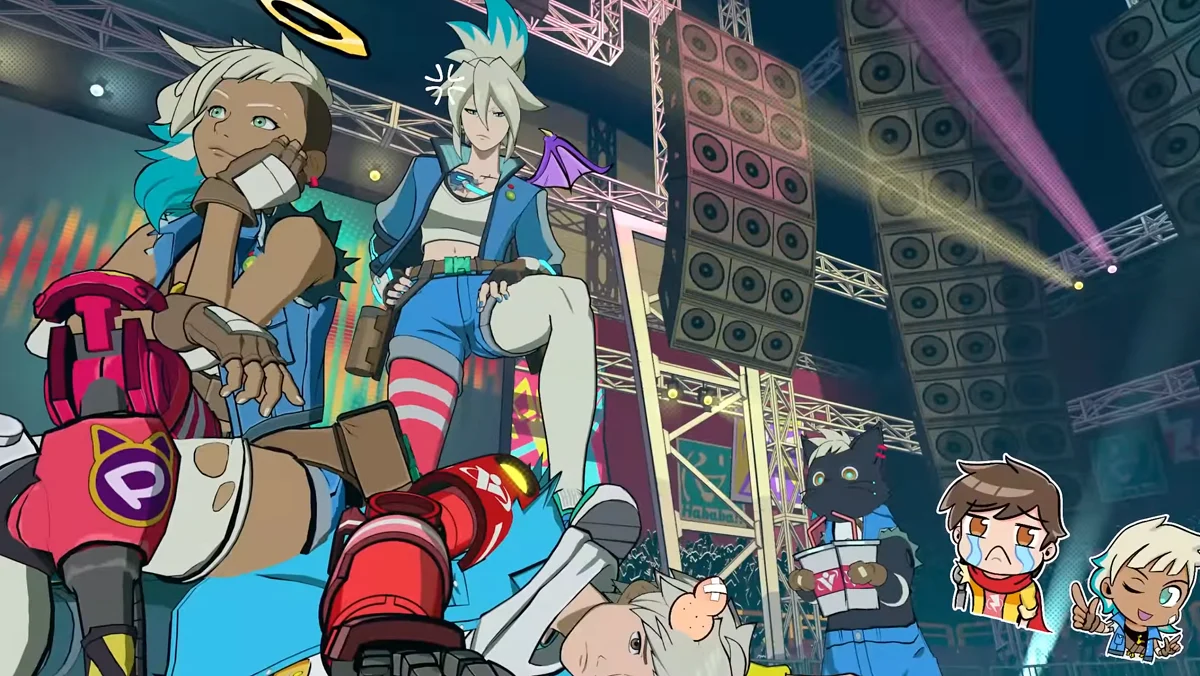
Similarly, Tango Gameworks, the studio behind the critically acclaimed and surprise hit Hi-Fi Rush, finds itself shuttered despite recent accolades. Hi-Fi Rush was lauded as a breath of fresh air for Xbox, receiving widespread critical acclaim and even a BAFTA award for its audio achievement. Publicly, Xbox VP of Games Marketing Aaron Greenberg refuted reports of Hi-Fi Rush underperforming, calling it a "breakout hit for us and our players in all key measurements and expectations." The studio’s recent expansion to other platforms, including a PlayStation 5 release, suggested continued investment and success. The closure of Tango Gameworks, therefore, appears to contradict these prior endorsements and market assessments, leaving many to question the true metrics of success being applied.
Financial Performance and Market Context
To understand the broader context of these decisions, it is crucial to examine Microsoft’s financial performance and the prevailing market conditions. Microsoft’s FY24 Q3 earnings report, released on April 25, 2024, highlighted significant growth. The company reported revenue of $61.9 billion, an increase of 17% year-over-year. Notably, Xbox content and services revenue saw a substantial increase of 62% (61% in constant currency), largely driven by the acquisition of Activision Blizzard, which contributed 61 percentage points to this growth. This indicates robust financial health and expansion for the Xbox division at a corporate level.
Adding another layer to this financial picture, Microsoft achieved a $3 trillion market capitalization in January 2024, becoming only the second company in history to reach this milestone. This remarkable valuation was attained in the same month that Microsoft announced the significant layoffs impacting Activision Blizzard and Xbox employees. This juxtaposition of record financial success and substantial workforce reductions fuels speculation and concern regarding the company’s priorities and the perceived value placed on its development studios versus its overall corporate valuation.
The broader video game industry, however, faces a more uncertain outlook. Market projections for console growth have shown signs of flattening. This economic environment places immense pressure on studios to deliver highly successful titles, often with opaque and shifting metrics for what constitutes success. The industry has been characterized by a "boom and bust" cycle, where periods of rapid growth and investment are followed by aggressive cost-cutting measures.
Echoes of Past Promises and the Human Cost
Phil Spencer, in a March interview with Polygon, articulated a sentiment that resonates deeply in light of these recent events: "I reflect on friends of mine in the industry that have been displaced and lost their jobs and how just, I don’t want this industry to be a place where people can’t, with confidence, build a career." This statement, made in the context of earlier industry-wide layoffs, now takes on a poignant and ironic significance. The human cost of these corporate decisions is undeniable, with talented individuals losing their livelihoods. Reports have already indicated a significant exodus of talent from the industry, a trend that may be exacerbated by these closures, particularly given that some layoffs have occurred in the wake of return-to-office mandates, adding further insult to injury for affected employees.
The current landscape for game developers is fraught with challenges. Job openings are scarce, and securing publishing deals for independent projects is reportedly becoming increasingly difficult. Larian Studios CEO Swen Vincke, in a December 2023 tweet, offered a perspective that underscores the tension between financial necessities and creative passion: "They don’t care that much about the money made beyond it being the fuel they need to create new and better games. It’s worth reminding everyone that fuel is but a means, not a goal. Whereto and how we journey are what matter and what we remember." This sentiment highlights a fundamental disconnect that many in the industry perceive between the pursuit of financial metrics and the core purpose of creating compelling and meaningful interactive experiences.
The Road Ahead: Uncertainty and Scrutiny
As Xbox prepares to host its showcase as part of the Summer Game Fest in June, the industry will be watching closely. Events like Summer Game Fest often serve as platforms to highlight upcoming titles and celebrate achievements in gaming. However, they have also been criticized for failing to adequately address the systemic issues and the challenging working conditions that plague the industry’s workforce.
The impending Xbox showcase will undoubtedly be scrutinized for any acknowledgment of the recent studio closures and their implications. The question remains whether Xbox leadership will engage in open dialogue about these decisions, offering transparency and accountability to those who have been impacted and to the wider industry. The current environment demands a deeper examination of the factors driving these constant cycles of expansion and contraction, and a more robust commitment to the well-being and career stability of the developers who are the lifeblood of the video game industry. The coming months will likely reveal more about Xbox’s long-term strategy and the industry’s capacity to foster sustainable growth while supporting its creative talent.