


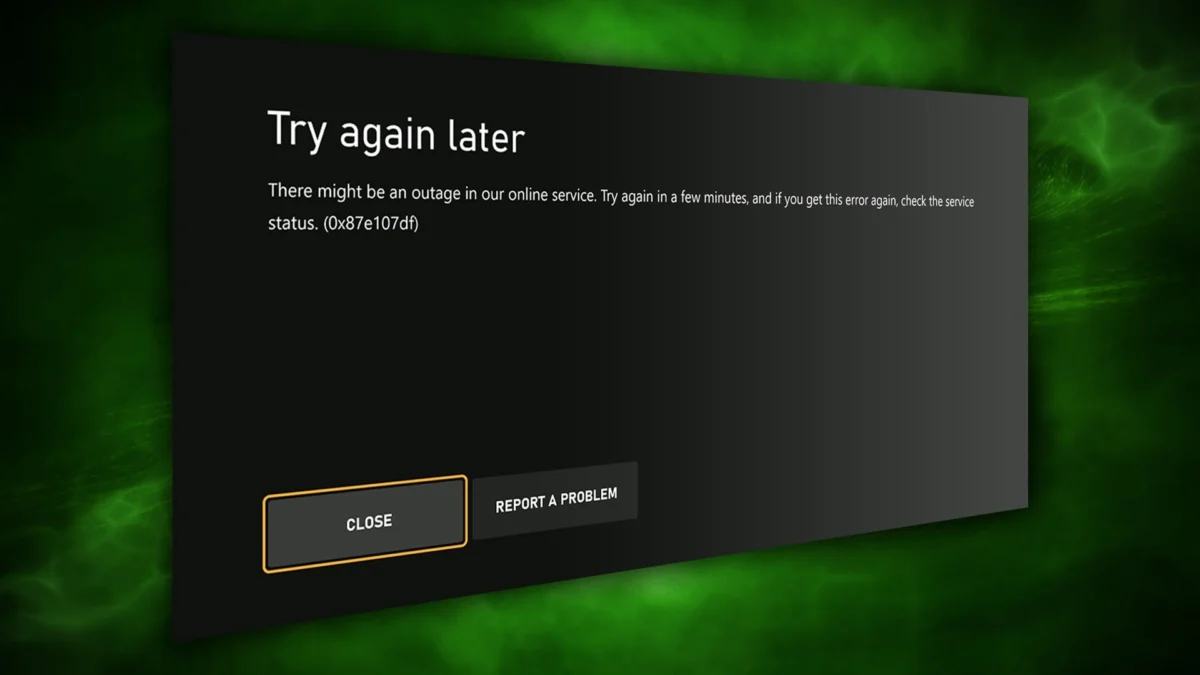
Microsoft has confirmed the full restoration of Xbox network services following a significant technical failure that left millions of users unable to access their gaming libraries for nearly 20 hours. The disruption, which began on the morning of July 27, 2026, and extended into the early hours of July 28, represented one of the most prolonged periods of downtime for the platform in recent years. According to official statements from Xbox Support, the issues hindered game launching, account sign-ins, and digital storefront transactions across the Xbox Series X|S, Xbox One, and associated cloud services. While the technical root cause has not been explicitly detailed by the company, the event has reignited industry-wide discussions regarding the vulnerabilities of modern digital rights management (DRM) and the increasing reliance on persistent internet connectivity for console gaming.
Chronology of the Outage
The service disruption was first detected by users and third-party monitoring sites such as DownDetector at approximately 4:00 AM UTC on July 27. Initial reports indicated sporadic difficulties with the Xbox Store and cloud gaming sessions. However, by 8:00 AM UTC, the issue had escalated into a total service blackout for a vast majority of the global user base.
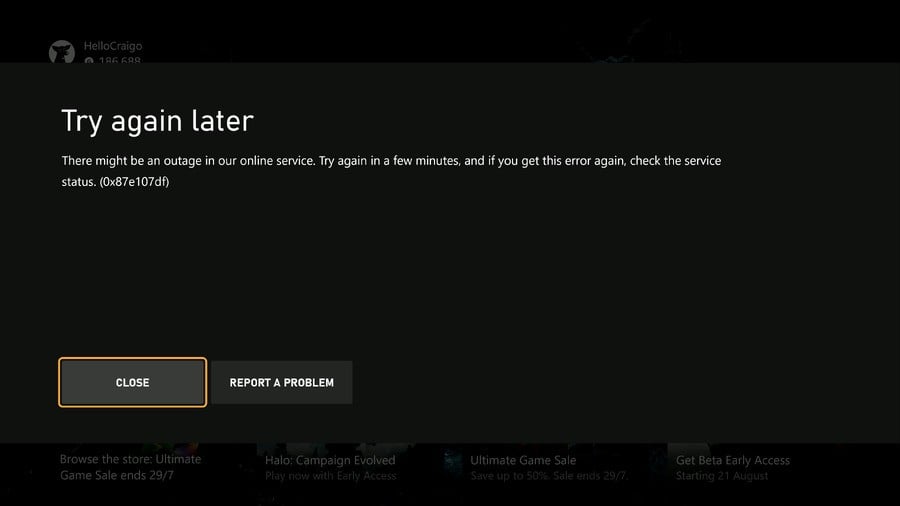
Throughout the afternoon of July 27, Microsoft’s Xbox Status page remained at a "Major Outage" alert level, specifically highlighting "Games and Gaming" and "Store and Subscriptions" as the primary affected sectors. For much of the day, social media platforms were flooded with reports from users who were met with error codes when attempting to boot any software. At 11:46 PM UTC, Xbox Support issued a statement via social media indicating that the issue had been "mitigated." The official communication stated that users should once again be able to launch games, sign in to their profiles, and complete purchases, though they encouraged the community to report any lingering inconsistencies via the official support portal.
Technical Scope and the Physical Media Paradox
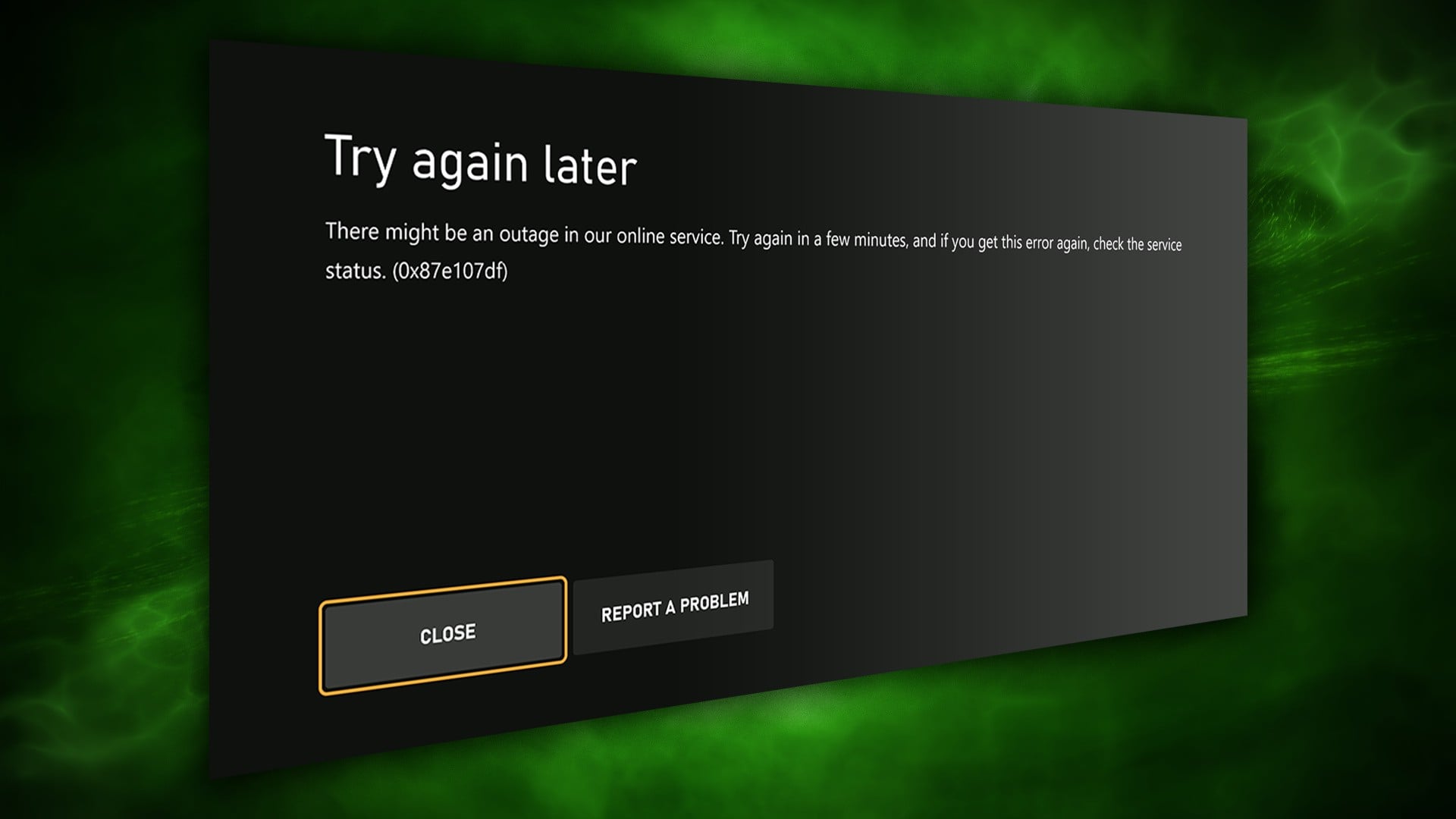
One of the most notable aspects of the July 27 outage was its impact on physical media. Historically, the primary argument for maintaining a library of physical discs was the ability to play games offline, independent of server status. However, during this incident, a significant number of Xbox Series X owners reported that they were unable to play games even with the physical disc inserted into the console.
This phenomenon is attributed to the Xbox ecosystem’s architecture, which frequently requires a digital "handshake" with Microsoft’s servers to verify licenses and check for mandatory updates before a game is permitted to launch. Even if a console is designated as a "Home Xbox"—a setting intended to allow offline play—the system’s DRM checks can fail if the server-side authentication services are completely unreachable or if the game requires a "day-one" patch that has not been fully verified against the user’s local credentials.
Furthermore, the "Quick Resume" feature, a flagship selling point of the Xbox Series X|S hardware, proved ineffective during the downtime. Users reported that games currently suspended in the console’s RAM would crash or prompt a sign-in error when resumed, suggesting that the system attempts to re-verify active licenses even when a game is already running in the background.
Disparity Between Console and PC Infrastructure
Data gathered during the outage suggested a notable disparity between the console experience and the Xbox experience on Windows PC. While console users were almost entirely locked out of their software, some players reported success using the Xbox app for PC. On devices such as the ROG Ally, Lenovo Legion Go, and traditional desktop rigs, certain titles remained playable.

This discrepancy points toward a difference in how the Windows ecosystem handles license caching compared to the more closed environment of the Xbox console operating system. On PC, the Xbox app often allows for a more robust offline mode if the user has logged in recently, whereas the console OS appears to prioritize real-time server pings. This incident has led technical analysts to suggest that Microsoft’s unified "Play Anywhere" initiative still operates on two distinct back-end infrastructures that react differently to centralized server stress.
Impact on Digital-Only Hardware
The outage hit owners of the Xbox Series S—a console without a disc drive—with particular severity. With no option to attempt a physical bypass, these users were entirely dependent on the restoration of the Xbox Live servers. Industry data indicates that the Series S accounts for a substantial portion of the Xbox current-gen install base, particularly in markets where digital-only consumption is the norm.
The 20-hour window of inactivity meant that subscription-based services, most notably Xbox Game Pass, were effectively rendered useless. Since Game Pass titles require constant server verification to ensure a subscription is active, the outage highlighted the "rental" nature of such services. For 20 hours, the value proposition of a "Netflix for games" model was challenged by the reality of centralized infrastructure failure.
Official Responses and Public Reaction
In the wake of the restoration, Microsoft’s messaging has focused on the resolution rather than a deep dive into the cause. The "long one," as characterized by Xbox Support, tested the patience of a community that is increasingly wary of "always-online" requirements.
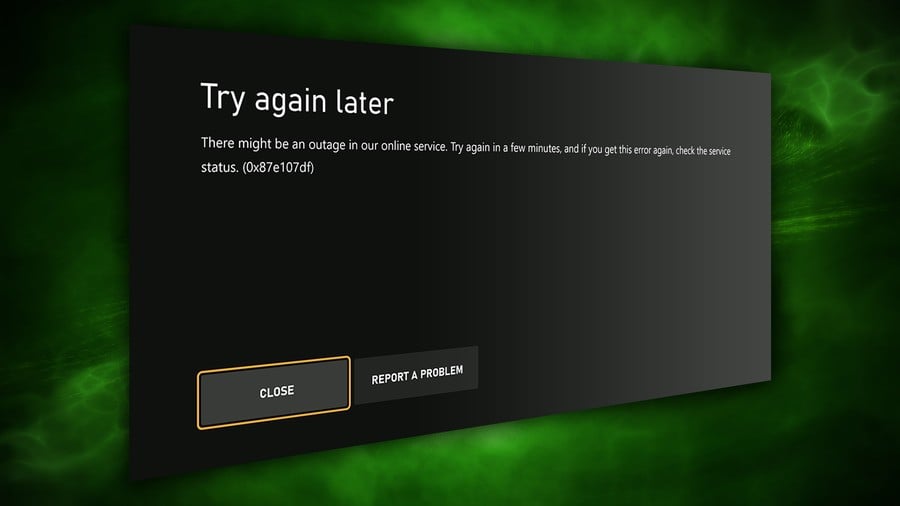
Public reaction has been largely critical of the DRM policies that prevented offline play. Community polls conducted during the height of the outage showed that a vast majority of players felt the "Home Xbox" offline settings were either too difficult to configure or simply failed to work as advertised during a total server collapse. Out of thousands of polled users, a significant percentage reported that they were unable to play even a single game in their library, regardless of its digital or physical status.
Broader Implications for the Gaming Industry
The July 2026 outage serves as a critical case study for the gaming industry as it moves toward a more cloud-centric and digital-only future. Several key implications have emerged from this event:
1. The Vulnerability of Centralized Ecosystems
As gaming platforms become more integrated, a single point of failure can have cascading effects. The inability to sign in prevented not just multiplayer gaming, but also single-player experiences, media apps, and even basic console navigation for some users. This raises questions about the necessity of mandatory sign-ins for local software.
2. Game Preservation and Ownership
The failure of physical discs to launch during the outage has bolstered the arguments of game preservationists. If a disc requires a server-side check to function, the disc itself acts more as a physical "key" than a self-contained piece of software. This event underscores the risk that if servers were ever permanently shuttered, a significant portion of the modern gaming catalog could become inaccessible.
3. The Need for Improved Offline Modes
The incident may pressure Microsoft and its competitors to refine their offline playback policies. Currently, the "Home Xbox" feature requires an active internet connection to set up and can be finicky if the console has not been "checked in" recently. A more robust, long-term offline licensing system could prevent future outages from being as disruptive to the end-user.
4. Competitive Positioning
While all major platforms (PlayStation, Nintendo, and Steam) have experienced outages, the length of this specific Xbox incident—nearly a full day—is an outlier. In a competitive market, network stability is a key metric for consumer trust. Microsoft will likely need to provide a more transparent post-mortem of the event to reassure its player base and stakeholders.
Conclusion
As of July 28, 2026, Xbox services have returned to their normal operational status. Players are once again able to access their digital libraries, utilize Game Pass, and engage in online multiplayer. However, the shadow of the 20-hour outage remains. It has exposed the fragile link between the consumer and their purchased content in an era of digital dependency. Moving forward, the industry will likely be forced to reconcile the convenience of the cloud with the essential requirement for local reliability, ensuring that the next time a server goes down, the console sitting in a user’s living room does not become an expensive paperweight.