


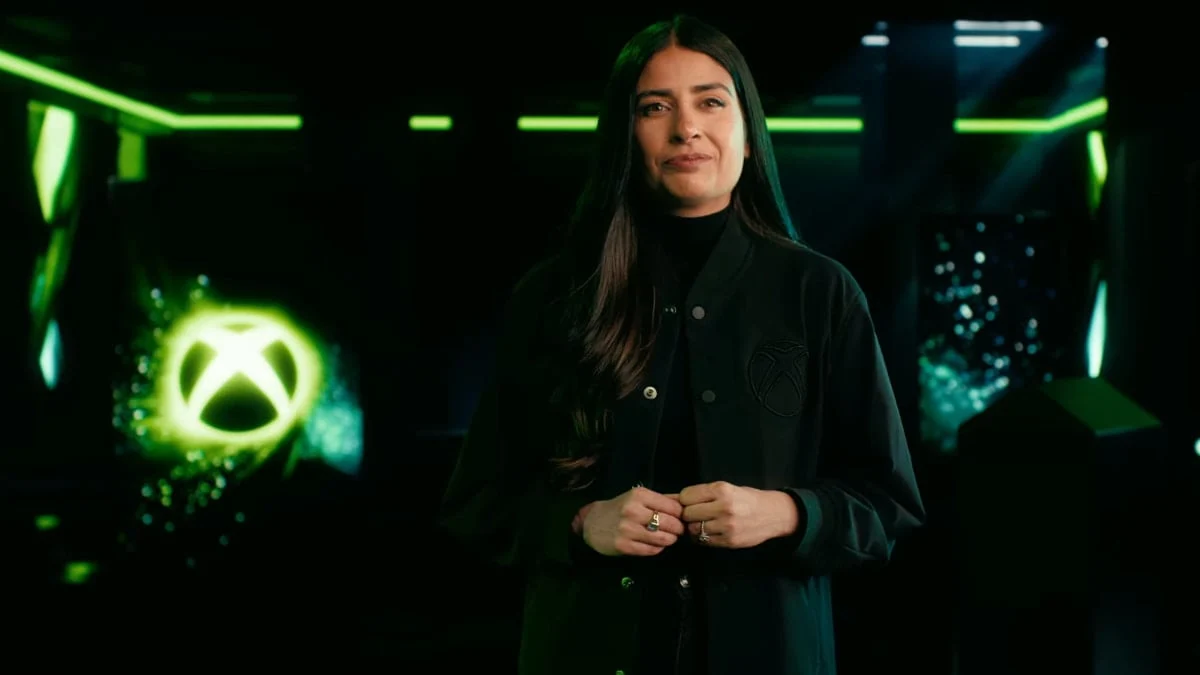
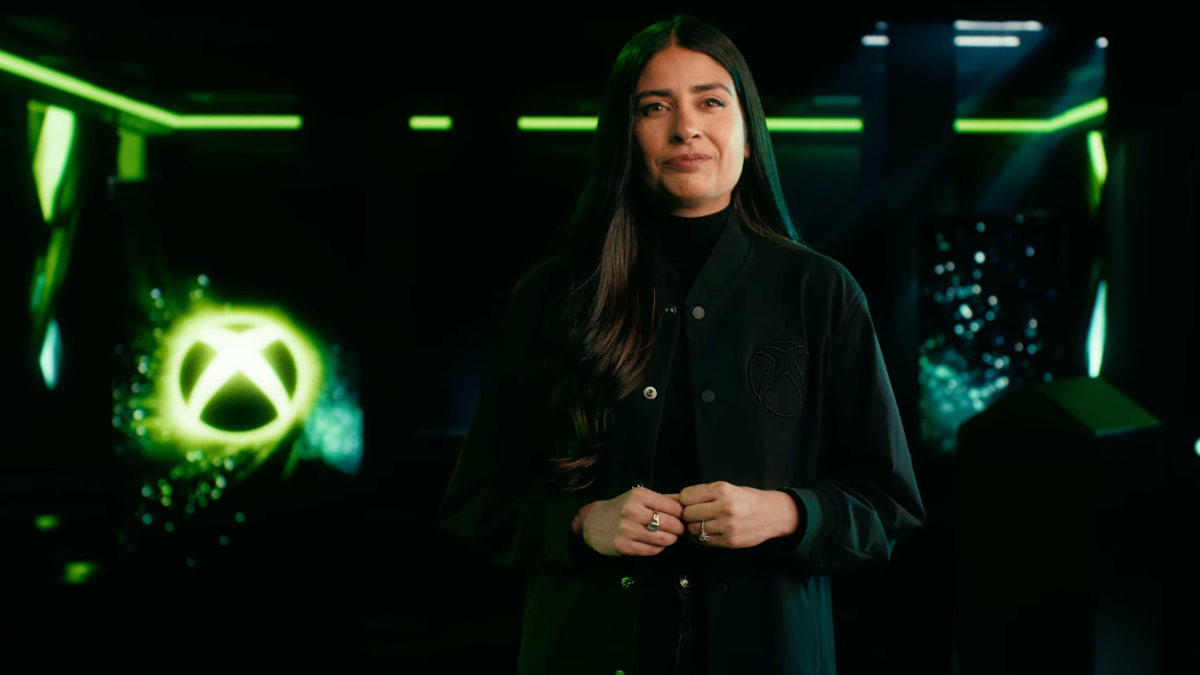
The last few months since Asha Sharma assumed the role of Xbox CEO, succeeding the retired Phil Spencer, have been marked by significant and largely positive transformations. Sharma’s initial tenure was characterized by a palpable shift in sentiment, evident in her vocal commitment to re-focusing on the Xbox brand and its player base. This renewed dedication was underscored by tangible actions, including a reduction in Game Pass subscription prices and the highly anticipated return to exclusive flagship titles such as Gears of War: E-Day and Clockwork Revolution. These developments fostered a widespread belief that Xbox was regaining its momentum and was on a clear path toward recovery.
However, this optimistic outlook has been abruptly challenged by a stark announcement, dubbed the "Xbox Reset," signaling a significant and potentially concerning pivot under Sharma’s leadership over the next 100 days. A company-wide internal memo, co-authored by Sharma and Xbox Game Studios head Matt Booty, paints a grim picture of the current realities facing the gaming giant. This internal communication, first reported by Bloomberg’s Jason Schreier, outlines a series of difficult decisions, most notably a wave of "major layoffs" slated for July.
Financial Realities and the "Xbox Reset"
The memo reveals that Xbox’s revenue streams have been in a state of decline, necessitating drastic measures. These anticipated job cuts are expected to occur shortly after the conclusion of Microsoft’s fiscal year on June 30th. While the precise scale of these layoffs remains undisclosed, the language used within the memo suggests a significant and unsettling reduction in workforce.
"We will end this fiscal year at about a three percent accountability margin, down year-over-year," the memo states. This figure represents a critical financial indicator, and its decline signifies a downward trend in profitability or operational efficiency. The document further elaborates on the financial pressures, highlighting substantial investment without commensurate returns. "Excluding Activision Blizzard King, over the past five years, we have spent over $20 billion on ongoing investments in our content, platform, and hardware subsidy, but our annual revenue has declined nearly half a billion during that time. Going forward, this cannot continue."
This stark admission underscores a fundamental imbalance between expenditure and revenue generation, a situation that Sharma asserts is unsustainable. The memo candidly warns that the forthcoming changes will likely be met with surprise and potentially frustration from within the company and its external stakeholders.
"We won’t succeed by hiding hard truths, nor will we succeed by doing the same thing and expecting different results," Sharma declared, emphasizing the need for a decisive break from past strategies. She invoked the "everyday wins" mentality that characterized the initial phase of her leadership, pledging to accelerate progress across all facets of the Xbox ecosystem – hardware, content, player experience, and services. This suggests a comprehensive overhaul rather than a targeted adjustment.
The Compounding Crisis: Hardware Components and Rising Costs
Beyond the immediate workforce adjustments, the "Xbox Reset" also addresses a more pervasive and industry-wide challenge: a severe hardware components crisis. Sharma detailed how the cost of essential console storage components has dramatically escalated since she took the helm in February. Initially doubling, these prices have reportedly doubled again, with projections indicating further significant increases. This trajectory is expected to push component costs to "over 5x the prices we paid only two years earlier."
This inflationary pressure is not limited to storage. "Memory costs have followed a broadly similar trajectory," Sharma noted. The memo attributes Xbox’s heightened vulnerability to this crisis to strategic decisions made over the past half-decade. This has resulted in a critical bottleneck: Xbox is currently unable to produce consoles at a volume that meets player demand.
"We are currently unable to make as many consoles as players want to buy, and we need a new business model and partnerships for hardware as we remain committed to [the next XBOX console, codenamed Helix]," Sharma stated. The codename "Helix" suggests a forward-looking initiative, but the current manufacturing and supply chain challenges cast a long shadow over its potential launch, which is reportedly slated for late next year.
Broader Industry Impact and Player Concerns
The implications of this components crisis extend beyond Xbox. Sony and Nintendo, the other major players in the console gaming market, have also been compelled to increase the prices of their respective consoles. This widespread trend raises serious concerns about the future affordability of gaming as a hobby. The prospect of a next-generation Xbox console, codenamed Helix, launching under these inflationary conditions prompts speculation about potentially prohibitive price points for consumers.
The financial strain on these companies is directly linked to escalating production costs, which are inevitably passed on to the consumer. The dual impact of potential job losses within Xbox and increased hardware expenses for players paints a challenging picture for the gaming industry’s immediate future.
A Historical Perspective on Xbox’s Challenges
Asha Sharma’s tenure began in February 2026, following Phil Spencer’s retirement. Spencer, who had been instrumental in guiding Xbox through the Xbox One era and into the current generation with the Xbox Series X/S, left the company at a critical juncture. His leadership was often praised for its player-centric approach and for stabilizing the brand after a period of uncertainty. The initial months under Sharma seemed to build upon this positive momentum.
The decrease in Game Pass subscription costs was a significant move, aiming to bolster the value proposition of Microsoft’s subscription service. Game Pass has been a cornerstone of Xbox’s strategy, offering a vast library of games for a monthly fee, including day-one releases of first-party titles. Lowering its price was seen as a direct benefit to players and a competitive advantage against rival subscription services.
The return of highly anticipated exclusive titles like Gears of War: E-Day and Clockwork Revolution was also a crucial step. For years, Xbox has faced criticism regarding its perceived lack of compelling exclusive content compared to its main competitors. The announcement of these new titles signaled a renewed commitment to developing and delivering exclusive experiences that could drive console sales and player engagement. This strategic shift appeared to be yielding positive results, with industry analysts and gamers alike expressing optimism about Xbox’s future direction.
However, the underlying financial performance of the Xbox division has been a persistent concern for Microsoft. While the gaming division as a whole, particularly after the acquisition of Activision Blizzard King, has seen significant revenue growth, the profitability and market share of the core Xbox hardware and services business have faced intense scrutiny. The $20 billion investment mentioned in the memo, excluding Activision Blizzard King’s contributions, represents a substantial financial commitment to content, platform development, and hardware subsidies aimed at driving adoption and market presence. The fact that annual revenue has declined by nearly half a billion dollars during the same period, despite these investments, indicates a fundamental disconnect between strategic outlays and financial returns.
Analysis of Implications and Future Outlook
The "Xbox Reset" signifies a critical juncture for the company. The decision to implement major layoffs, while a painful necessity in the face of financial downturn, indicates a deep-seated restructuring effort. This move, coupled with the acknowledgement of a severe hardware component crisis, suggests that Xbox is grappling with both internal inefficiencies and external market forces.
The focus on a "new business model and partnerships for hardware" is particularly noteworthy. This implies that the traditional approach to console manufacturing and sales may be re-evaluated. Potential avenues could include more robust collaborations with component manufacturers, exploring alternative supply chains, or even a shift in how hardware is priced and distributed. The commitment to the next-generation console, codenamed Helix, indicates that Microsoft remains invested in the future of dedicated gaming hardware, but the path to bringing it to market under current conditions will undoubtedly be challenging.
The broader implications for the gaming industry are significant. If Xbox, a major player, is struggling with component costs and profitability, it suggests that the entire ecosystem is under pressure. This could lead to a sustained period of increased prices for consumers across the board, potentially impacting the accessibility of next-generation gaming. It may also accelerate the industry’s exploration of cloud gaming and subscription-based models as alternatives to traditional hardware purchases.
Asha Sharma, as the face of these significant changes, now carries the immense responsibility of navigating Xbox through this turbulent period. While her initial months were marked by efforts to revitalize the brand and player engagement, the current "Xbox Reset" demands a pragmatic and potentially unpopular course of action. The success of this reset will be measured not only by financial recovery but also by the ability to retain talent and maintain player confidence in the long-term vision of Xbox. The coming months will be a crucial test for Sharma and the entire Xbox leadership team as they strive to redefine the company’s future in a rapidly evolving and increasingly challenging market.