


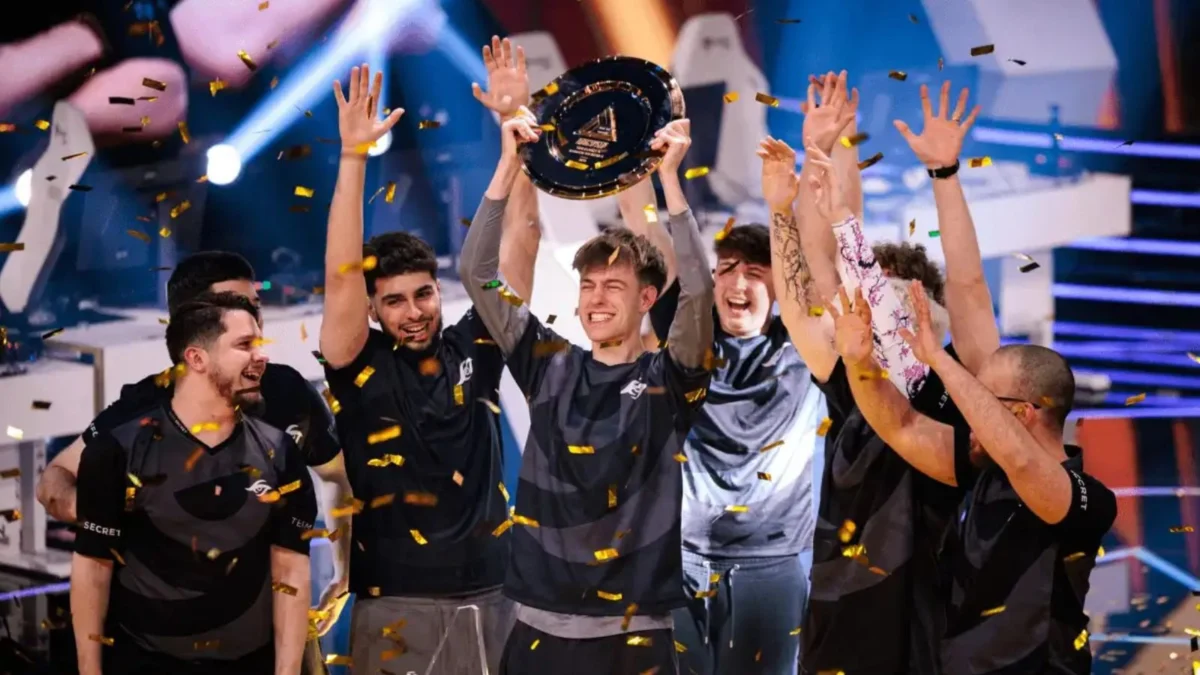
The highly anticipated Esports World Cup (EWC) continues its global tour, leaving its initial Riyadh, Saudi Arabia base to captivate Paris, France, this week. The iconic city is now the epicenter of competitive gaming as some of the world’s most elite Rainbow Six Siege squads converge to vie for a colossal $750,000 prize pool and a prestigious berth in the 2027 Siege Invitational. This marks a significant shift for the EWC, which has been a multi-title spectacle spanning across various esports disciplines over the past four weeks.
The EWC’s relocation to Paris for its Rainbow Six Siege and Call of Duty segments underscores the tournament’s ambition to broaden its reach and engage with a diverse global audience. This week’s competition is the latest chapter in a sprawling esports festival that has already crowned champions in popular titles such as Valorant, League of Legends, Dota 2, and Apex Legends. Notable victories include 100 Thieves clinching the Valorant title, Dplus Kia dominating League of Legends, PVISION emerging victorious in Dota 2, and UNLIMIT securing the Apex Legends championship. With nine more titles yet to be contested, the EWC is solidifying its position as a premier global esports event, offering a substantial platform for both established and emerging talent.
The Strategic Shift of the Esports World Cup
The decision to host segments of the Esports World Cup outside of Saudi Arabia, particularly in a major European hub like Paris, signifies a strategic evolution for the event. While Saudi Arabia has made significant investments in the esports landscape, including the foundational funding and initial hosting of the EWC, this expansion indicates a desire to tap into established esports communities and leverage the infrastructure and fan bases present in traditional gaming markets. Paris, with its rich history in competitive gaming and its accessibility to a vast European audience, provides an ideal backdrop for the high-stakes Rainbow Six Siege tournament. This geographical diversification not only broadens the EWC’s appeal but also allows for a more immersive experience for fans attending in person, fostering a vibrant atmosphere synonymous with major international sporting events. The EWC’s multi-title format, featuring 15 different games in total, further emphasizes its commitment to catering to a wide spectrum of esports enthusiasts, from tactical shooters to MOBAs and battle royales.
Rainbow Six Siege: A Legacy of Competition and High Stakes
Rainbow Six Siege, a tactical first-person shooter known for its strategic depth, teamwork-oriented gameplay, and intense clutch moments, has cultivated a dedicated and passionate global following. The game’s competitive ecosystem is characterized by fierce rivalries, innovative strategies, and a constant evolution of team compositions and meta-game approaches. The Esports World Cup’s inclusion of Rainbow Six Siege, with its substantial prize money and the coveted spot in the 2027 Siege Invitational, elevates the stakes considerably. The Siege Invitational is widely regarded as the pinnacle of professional Rainbow Six Siege competition, and securing a place in it is a dream for any aspiring or established team. This added incentive ensures that the level of competition at the EWC will be exceptionally high, as teams will be fighting not only for financial rewards but also for a chance to cement their legacy in the game’s history.
Broadcast and Viewing Experience: Accessible to All
Fans eager to witness the Rainbow Six Siege action at the Esports World Cup will find the broadcast accessible across major streaming platforms, mirroring the accessibility of previous EWC events. The tournament will be streamed live on both YouTube and Twitch, catering to the preferred viewing habits of the global esports audience. The organizers have implemented a multi-stream approach, ensuring that viewers can follow their favorite teams and matches without missing a beat, even when multiple games are occurring concurrently. This setup allows for an immersive and personalized viewing experience, enabling fans to toggle between different game feeds and focus on the most critical moments. This commitment to widespread availability and a seamless viewing experience is crucial for maintaining engagement and growing the EWC’s viewership numbers.
The Road to Glory: EWC 2026 Rainbow Six Siege Schedule and Format
The Rainbow Six Siege portion of the Esports World Cup is set to commence with a preliminary play-in stage, providing a final opportunity for teams to qualify for the main event. This will be immediately followed by the group stage, kicking off on August 6th. The group stage will feature intense round-robin or double-elimination brackets, where teams will battle for seeding and progression. The top four teams from each of the two groups will then advance to the high-stakes playoff stage.
The playoff bracket will adopt a single-elimination format, a common yet brutal structure in esports tournaments that amplifies the pressure on every match. This means that any loss in the playoffs will result in immediate elimination from the tournament. The matches in the playoff stage will be contested in a best-of-three (Bo3) series, requiring teams to win two maps to secure victory. As the tournament progresses towards the grand finals, the intensity and strategic execution will undoubtedly reach a fever pitch, culminating in a grand final series that will determine the champions. The inclusion of the play-in stage is a strategic move to ensure that the main event features the most competitive and deserving teams, while the single-elimination playoff format guarantees a dramatic and decisive conclusion.

The Reigning Champions and Notable Roster Changes
The defending champions from last year’s iteration of the event, Team Secret, are returning to the fray with a formidable lineup. However, their quest to retain their title will be met with a significant challenge as they will be competing without the services of Adrian, a former MVP who departed the team in February to join Wildcard. This roster change introduces an element of unpredictability and presents an opportunity for other teams to capitalize on the absence of a key player. The strategic implications of Adrian’s move to Wildcard are also significant, as he brings invaluable experience and a winning mentality to his new squad, potentially bolstering their chances of success.
The competitive landscape for Rainbow Six Siege is renowned for its dynamic roster movements and the constant emergence of new strategies. Teams invest heavily in scouting and player development to maintain a competitive edge. The presence of established powerhouses like M80, Shopify Rebellion, FaZe Clan, and Furia alongside emerging threats indicates a fiercely competitive environment where every match will be a testament to skill, strategy, and mental fortitude. The roster of Team Falcons, featuring veteran talent, also positions them as strong contenders, while the ambitious lineups of DarkZero and Team Liquid are expected to make significant pushes for the championship. The inclusion of teams like AG.AL, Chiefs, Fnatic, Weibo, ENTERPRISE Esports, Virtus.Pro, Geekay Esports, EDWARD Gaming, CAG by VARREL, Tyloo, KINGZERO, and Al-Ula Club showcases the global reach of Rainbow Six Siege esports and the depth of talent participating in this prestigious tournament.
Key Contenders and Strategic Narratives
The Esports World Cup is not merely about prize money; it is a crucible where legends are forged and narratives are written. The presence of numerous top-tier teams guarantees a spectacle of tactical brilliance and individual prowess. Teams like M80 and Shopify Rebellion have consistently demonstrated their ability to perform under pressure, showcasing innovative strategies and exceptional teamwork. FaZe Clan and Furia, known for their aggressive playstyles, will undoubtedly bring high-octane action to the stage.
The departure of Adrian from Team Secret and his subsequent move to Wildcard creates a compelling narrative arc. Wildcard, now bolstered by Adrian’s experience, will be looking to prove that they are a force to be reckoned with, potentially challenging their former teammate’s legacy. Conversely, Team Secret faces the challenge of adapting their strategies and maintaining their championship form without a key player, forcing them to rely on the collective strength and adaptability of their remaining roster. This dynamic adds an extra layer of intrigue to the tournament, as the performance of these teams will be closely scrutinized.
Furthermore, the inclusion of teams from various regions highlights the international appeal of Rainbow Six Siege. Squads like DarkZero, Team Liquid, and Team Falcons represent established regions with a history of competitive success, while others may be looking to make a statement on the global stage. The EWC provides a platform for these diverse teams to compete against each other, fostering cross-regional rivalries and showcasing the evolving meta-game across different competitive environments. The battle for supremacy in Paris is not just a fight for a title, but a demonstration of the global evolution of tactical esports.
Broader Impact and Future Implications
The Esports World Cup’s journey to Paris and its continued expansion beyond its initial base in Saudi Arabia carry significant implications for the future of global esports. By diversifying its locations, the EWC is not only reaching new audiences but also contributing to the growth of esports infrastructure and talent development in various regions. The substantial prize pools and the prestige associated with the EWC are powerful motivators for players and organizations, driving innovation and raising the overall standard of competition.
The inclusion of Rainbow Six Siege, a game with a strong competitive pedigree, further solidifies the EWC’s commitment to a diverse range of esports titles. The success of this event could pave the way for similar multi-game festivals in other major cities, creating a more decentralized and globally integrated esports landscape. As esports continues its trajectory towards mainstream acceptance, events like the EWC play a crucial role in shaping its perception, attracting investment, and fostering a sustainable ecosystem for players, teams, and fans alike. The $750,000 prize pool and the coveted 2027 Siege Invitational spot serve as powerful indicators of the growing financial and reputational stakes in the world of professional esports.