


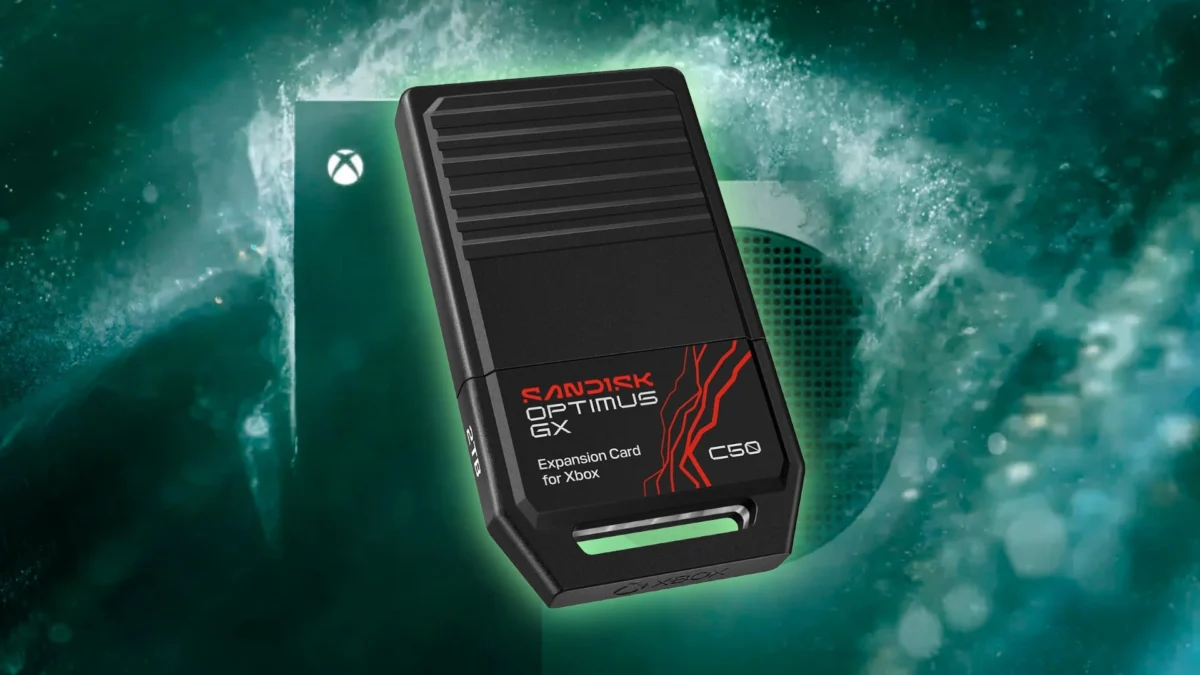
SanDisk, a prominent name in flash memory and storage solutions, has officially entered the Xbox Series X|S storage expansion market with the introduction of its Optimus GX C50 Storage Expansion Card series. This strategic move brings three new capacity options to Xbox gamers: 512GB, 1TB, and 2TB, aiming to address the ever-growing demand for high-performance storage that seamlessly integrates with Microsoft’s latest generation consoles. The arrival of SanDisk as a third major player, alongside existing offerings from Seagate and WD Black, signifies a maturing market for proprietary console storage and provides much-needed choice for consumers.
The Evolving Landscape of Xbox Storage: A Chronology
The journey of Xbox Series X|S storage expansion began concurrently with the console’s launch in November 2020. Microsoft designed its next-generation consoles around a revolutionary storage architecture, dubbed the Xbox Velocity Architecture. This proprietary system, featuring a custom NVMe SSD, hardware decompression blocks, and integration with DirectX 12 Ultimate’s Sampler Feedback Streaming and DirectStorage API, was engineered to deliver unprecedented speed and efficiency in game loading and asset streaming. To maintain this high-performance standard for expandable storage, Microsoft opted for a proprietary expansion slot, requiring specific cards built to match the internal SSD’s capabilities.
- November 2020: The Dawn of Next-Gen Storage: Upon the release of the Xbox Series X and Xbox Series S, Seagate was the sole manufacturer to offer an official storage expansion solution. Their 1TB Expansion Card, a compact, plug-and-play unit, was the only way for gamers to expand their library of optimized Series X|S games while maintaining the console’s native speed. This initial exclusivity, coupled with a premium price point, sparked considerable discussion among the gaming community regarding value and accessibility. While external USB 3.0 HDDs and SSDs could store Series X|S games (requiring transfer to the internal drive to play) and run backward-compatible titles directly, they could not meet the stringent performance requirements for native next-gen gameplay.
- Late 2023 / Early 2024: Western Digital Enters the Fray: Several years into the console generation, Western Digital (WD), another storage giant, introduced its WD Black C50 Expansion Card for Xbox. This marked a significant development, breaking Seagate’s monopoly and introducing additional options, including a 2TB variant, to the market. WD Black’s entry signaled Microsoft’s commitment to fostering a competitive ecosystem for its proprietary storage, offering consumers more choices and potentially stabilizing supply.
- Late 2024 / Early 2025: SanDisk Joins the Ranks: Now, SanDisk, a subsidiary of Western Digital, is launching its Optimus GX C50 line. This move further diversifies the market, solidifying the position of specialized expansion cards as a critical component of the Xbox Series X|S experience. The introduction of SanDisk’s offerings, particularly the 512GB option, also provides a more granular approach to capacity expansion, catering to different budgets and storage needs.
Unpacking the SanDisk Optimus GX C50: Features and Technology
The SanDisk Optimus GX C50 Storage Expansion Cards are engineered to provide an identical performance profile to the Xbox Series X|S internal SSD, a crucial requirement for running games optimized for the Velocity Architecture. According to SanDisk, these cards feature a "super-speed core" that directly leverages the Xbox Velocity Architecture, ensuring extremely fast, low-latency performance. This means games can be played directly from the expansion card without any discernible difference in loading times or in-game performance compared to games stored on the console’s internal drive.
Key features and technological underpinnings include:

- Xbox Velocity Architecture Integration: The cards are designed to work in tandem with the console’s bespoke storage system, utilizing its hardware decompression and I/O optimizations. This integration is paramount, as it allows developers to stream assets directly from storage with minimal CPU overhead, enabling richer game worlds and faster transitions.
- NVMe SSD Technology: At their core, these expansion cards are high-performance NVMe Solid State Drives, a technology vastly superior to traditional hard disk drives (HDDs) and even older SATA-based SSDs in terms of speed and responsiveness. The proprietary connector ensures a direct, high-bandwidth connection to the console’s motherboard.
- Plug-and-Play Functionality: Ease of use is a hallmark of the Xbox Expansion Card design. Users simply plug the card into the dedicated slot at the back of the console, and it is immediately recognized and ready for use, mirroring the internal storage’s functionality. This eliminates the need for complex installations or formatting procedures.
- Capacities for Every Gamer: The Optimus GX C50 series offers a range of capacities:
- 512GB: An entry-level option, ideal for gamers who need a moderate boost to their storage or primarily play a rotation of a few large titles.
- 1TB: The standard capacity, mirroring the Xbox Series X’s internal drive (after system files), offering ample space for a substantial game library.
- 2TB: For the most avid collectors and those who prefer to have a vast array of titles readily available, this option significantly expands the console’s storage footprint.
Value-Added Incentives: Game Pass Ultimate and Discord Nitro
SanDisk is sweetening the deal for early adopters of its Optimus GX C50 cards by including promotional offers. Each card comes with a 1-month trial of Xbox Game Pass Ultimate and a 1-month subscription to Discord Nitro. These additions are strategically chosen to enhance the gaming experience:
- Xbox Game Pass Ultimate: This subscription service offers access to a vast library of games, including new first-party titles on day one, cloud gaming, and an Xbox Live Gold membership for online multiplayer. The inclusion of a trial encourages new users to explore the Game Pass ecosystem, which itself contributes to the need for larger storage as gamers download multiple titles.
- Discord Nitro: A premium subscription for the popular communication platform, Discord Nitro provides enhanced features like custom emojis, higher quality video, and larger upload limits. This caters to the social aspect of modern gaming, recognizing that many gamers engage with communities outside of the game itself. These incentives not only add perceived value to the purchase but also integrate the user more deeply into the broader Xbox and gaming community ecosystems.
Market Dynamics, Pricing, and Competition
The pricing structure for the SanDisk Optimus GX C50 cards is consistent with the premium nature of this proprietary storage solution.
- 512GB: £88.99 / $109.99
- 1TB: £177.99 / $199.99
- 2TB: £249.99 / $339.99
These price points position SanDisk’s offerings competitively within the existing market, which has historically seen fluctuating stock and pricing for Seagate and WD Black models. While these prices are significantly higher than standard external USB SSDs or even high-end PC NVMe drives of similar capacity, the premium is largely attributed to the specialized technology, Microsoft’s certification process, and the seamless integration required to meet the Velocity Architecture’s demands.
Analysis of Market Impact:

- Increased Availability and Choice: The most immediate benefit of SanDisk’s entry is the increased availability of Xbox Expansion Cards. The market has often been "starved" for stock, with Seagate and WD Black models frequently going in and out of supply. A third major manufacturer significantly mitigates these supply chain challenges, ensuring more consistent access for consumers. Furthermore, offering a 512GB option provides a lower entry point for gamers who might find the 1TB or 2TB cards too expensive for their current needs.
- Competitive Pricing Pressure: While initial pricing may align with existing products, the presence of three major players—Seagate, WD Black, and SanDisk (both subsidiaries of Western Digital, which might streamline manufacturing efficiencies)—is likely to foster a more competitive environment in the long term. This could lead to more aggressive pricing strategies, promotional offers, or better bundle deals, ultimately benefiting consumers.
- Validation of Proprietary Storage Model: SanDisk’s commitment to developing these cards years after the console’s launch validates Microsoft’s decision to pursue a proprietary storage solution. It demonstrates that there is sustained demand for high-performance, integrated storage, and that major hardware manufacturers see a viable market in supporting this ecosystem.
- Addressing Growing Game Sizes: Modern AAA game titles frequently exceed 100GB, with some, like Call of Duty, requiring upwards of 200GB or more. The 802GB of usable storage on the Xbox Series X (and even less on the Series S) fills up rapidly. The availability of larger capacity expansion cards, especially the 2TB option, becomes increasingly crucial for gamers who want to maintain a diverse library without constantly managing installations and deletions.
Statements and Industry Perspectives
While specific official statements from SanDisk or Microsoft regarding this launch are not detailed in the provided information, logical inferences can be made regarding their perspectives:
- From SanDisk/Western Digital: A spokesperson for Western Digital, the parent company of SanDisk, would likely emphasize their commitment to meeting the evolving needs of the gaming community. They would highlight SanDisk’s expertise in flash storage technology, ensuring the Optimus GX C50 cards deliver the same reliability and performance gamers expect from the Xbox platform. Their entry is a clear response to strong market demand for high-speed, integrated storage solutions for the Xbox Series X|S.
- From Microsoft/Xbox: Xbox leadership would undoubtedly welcome SanDisk’s entry, viewing it as a positive development for the Xbox ecosystem. Increased partner participation translates to more choice and better availability for their player base, enhancing the overall value proposition of the Xbox Series X|S consoles. It underscores Microsoft’s strategy of building a robust accessory ecosystem around its hardware.
- Industry Analysts: Storage industry analysts might comment on the enduring demand for dedicated console storage, even as cloud gaming gains traction. They would likely point to the continued growth in game file sizes as the primary driver for storage expansion. The fact that new expansion cards are still arriving "in 2026" (as noted in the original article, likely referring to the longevity of the product line’s market activity well into the console generation) signals confidence in the long-term viability and player engagement with the current generation of Xbox consoles. This continued investment by third-party manufacturers demonstrates the health of the console market.
Broader Implications and Future Outlook
The launch of the SanDisk Optimus GX C50 series reinforces several key trends in the console gaming market. Firstly, the demand for physical, high-speed storage remains robust, despite the rise of digital distribution and cloud gaming. Gamers still prefer to have their favorite titles installed locally for optimal performance and ownership. Secondly, the proprietary nature of console storage, while sometimes criticized for its cost, ensures a consistent, high-quality experience that standard off-the-shelf components cannot always guarantee. This closed ecosystem allows for deep integration and optimization, which is a cornerstone of next-generation performance.
Looking ahead, the increased competition from SanDisk could potentially pave the way for further innovation in the console storage space. While the core technology is dictated by Microsoft’s Velocity Architecture, future iterations might see improvements in power efficiency, thermal management, or even further price reductions as manufacturing scales. The continued arrival of new expansion cards into the mid-point of the console generation (and beyond, as implied by the "2026" comment) underscores the enduring lifecycle of the Xbox Series X|S and Microsoft’s ongoing support for its hardware ecosystem. For Xbox gamers, SanDisk’s entry is unequivocally good news, promising better availability, more choice, and continued support for their ever-expanding digital libraries.