


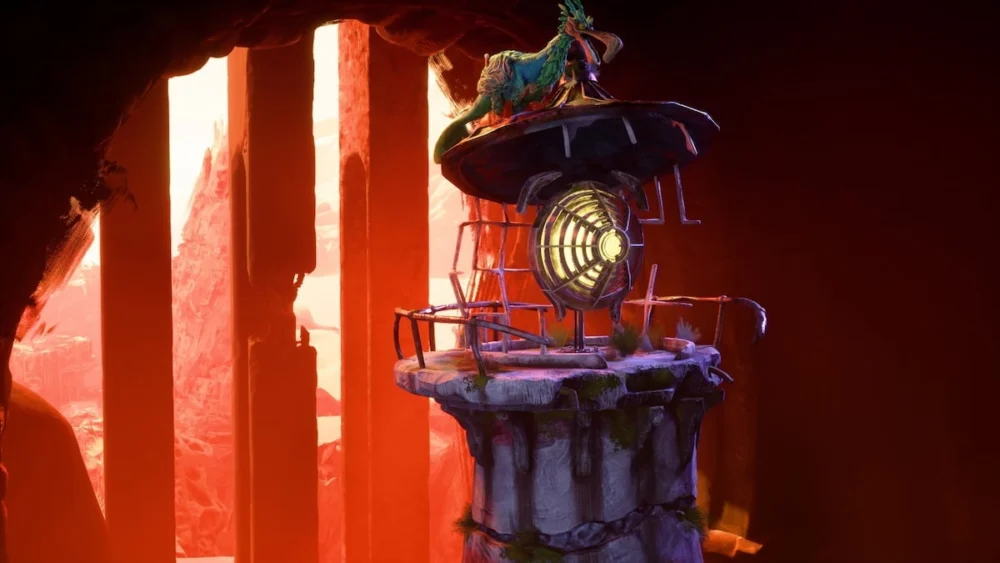
The gaming industry continues to demonstrate its remarkable capacity for diverse experiences, ranging from the adrenaline-pumping action of titles like Call of Duty and the vibrant platforming of Super Mario to the more passive, cinematic journeys with minimal player input. Within this broad spectrum, Double Fine Productions’ latest offering, Keeper, positions itself firmly in the latter category. Developed by Lee Petty and published under the Xbox Game Studios umbrella, Keeper excels in showcasing a unique artistic vision and a market niche for contemplative, narrative-driven experiences. However, despite its commendable artistic ambition and the undeniable importance of such titles, the game struggles to distinguish itself from its peers, leaving a lingering sense of unfulfilled potential.
A Glimmer of Artistic Vision in a Crowded Market
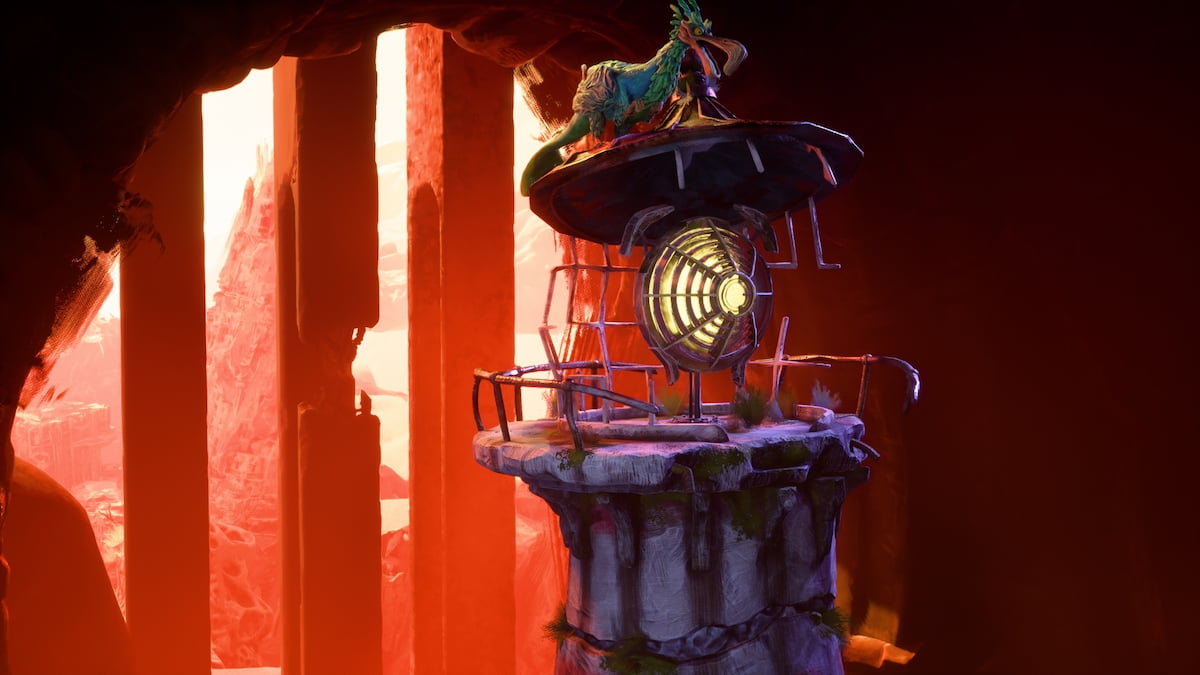
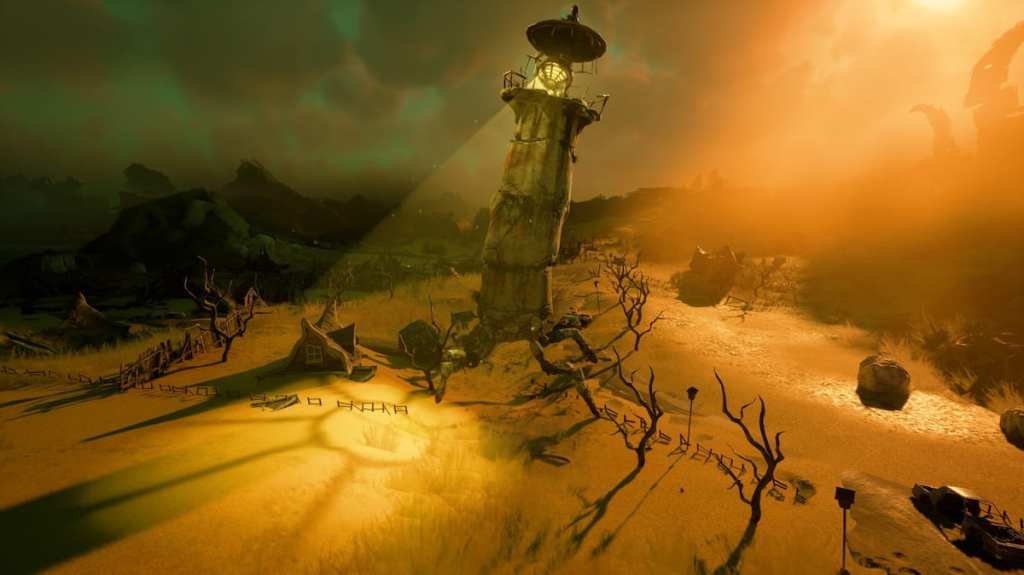
Keeper presents players with an unconventional premise: they control a lighthouse and a sea bird, embarking on an adventure to heal their world from an unseen blight that threatens its flora and fauna. The narrative unfolds organically through gameplay, environmental cues, and brief, dialogue-free cutscenes, eschewing traditional exposition for a more immersive, interpretive approach. This minimalist storytelling, relying solely on visual context and player deduction, is a bold choice that contributes to the game’s unique atmosphere.
The gameplay mechanics are intentionally streamlined, focusing on exploration, traversal, and light puzzle-solving. Players utilize the lighthouse’s spotlight and a limited set of controller inputs to interact with the environment and guide the sea bird. While the game offers optional on-screen button prompts to assist players, the puzzles themselves are largely straightforward and do not demand significant cognitive effort. This accessibility is designed to welcome a broad audience, including those who may not typically engage with complex gameplay loops. However, for players accustomed to more challenging interactive experiences, this simplicity can result in a feeling of being overly guided, with many sequences feeling "on-rails."
The game’s control scheme is a testament to its design philosophy of minimal player friction. The left analog stick handles movement, while the right stick controls the lighthouse’s spotlight, with the RT button used to focus its beam. The X button is dedicated to controlling the sea bird, and the A button facilitates general interaction and the use of certain abilities. This limited input set is consistent with the game’s aim to create a fluid, almost meditative experience. However, the fixed camera angles, while intended to enhance the visual presentation and showcase the game’s artistic beauty, can sometimes prove to be a significant navigational hurdle. These camera shifts, coupled with the need to precisely aim the spotlight in various directions, can lead to moments of frustration, detracting from the otherwise serene gameplay.
The Unfolding Narrative: A Minimalist Masterpiece or a Missed Opportunity?
Keeper draws clear comparisons to other critically acclaimed titles that prioritize atmosphere and emotional resonance over complex mechanics, such as Abzu, Gris, and Journey. These games have successfully carved out a significant space in the market for interactive art, demonstrating that compelling narratives and profound emotional journeys can be achieved through innovative design. While Keeper undoubtedly shares this artistic lineage, it falls short of reaching the same heights.
The game’s narrative progression, while intriguing in its abstract nature, often lacks the memorable moments that define its contemporaries. The core gameplay loop involves the lighthouse and bird duo performing various benevolent actions to restore their world. While these actions contribute to the overall progression, few stand out as particularly impactful or distinct. A notable exception is a time-travel segment that requires players to navigate between past, present, and future to overcome environmental obstacles. This particular sequence offers a glimpse of the innovative puzzle design and narrative depth that could have been more consistently explored throughout the game.
The developers have intentionally adopted a spoiler-averse approach to marketing Keeper, encouraging players to discover its unfolding events and subtle plot points firsthand. This strategy is particularly effective for games that rely on environmental storytelling and player interpretation. However, in the case of Keeper, the underlying simplicity of its narrative and gameplay means that the sense of discovery, while present, is often fleeting. The game’s overall runtime is notably short, with most players reporting completion in approximately five hours. This brevity, combined with the straightforward nature of its challenges, can leave players feeling a desire for more depth and engagement by the time the credits roll.
Analyzing the Market Position and Broader Implications
The emergence of games like Keeper reflects a growing trend within the video game industry towards experiences that prioritize artistic expression, emotional engagement, and narrative depth. This trend is not entirely new, but it has gained significant traction in recent years, fueled by advancements in technology and a more diverse player base seeking a wider array of interactive entertainment. Titles that offer a respite from high-octane action and competitive multiplayer are increasingly valued for their ability to provide unique, contemplative experiences.
The success of games like Journey, which achieved critical acclaim and commercial success by focusing on a powerful, wordless narrative and a unique multiplayer interaction system, has paved the way for similar ventures. Abzu‘s underwater exploration and Gris‘s stunning watercolor aesthetic have further solidified the market for visually driven, emotionally resonant games. These titles often achieve their impact through a combination of evocative art direction, carefully curated soundtracks, and gameplay mechanics that subtly guide the player’s emotional journey.
Keeper‘s inclusion in this genre is significant because it comes from Double Fine Productions, a studio with a well-established reputation for creative and innovative game design, and is published by Xbox Game Studios, a major player in the gaming ecosystem. This association suggests a commitment from a larger entity to support and explore niche genres that may not always align with mainstream market expectations. The decision to publish Keeper on Xbox Game Pass further democratizes access to such experiences, allowing a wider audience to explore its artistic merits without a significant upfront financial commitment.
However, the critical analysis of Keeper also highlights a persistent challenge within this genre: balancing artistic ambition with player engagement and lasting impact. While the game’s visual presentation and unique premise are commendable, its shallow gameplay mechanics and forgettable narrative moments prevent it from achieving the same level of resonance as its predecessors. The $30 price point, as suggested by the original review, places it in direct competition with a vast array of titles that offer more substantial gameplay or deeper narrative experiences. For players with limited time or budget, alternative options may offer a more fulfilling investment.
The implications of Keeper‘s reception are multifaceted. On one hand, it demonstrates that major publishers are willing to invest in experimental and artistic games, signaling a healthy evolution of the industry. This encourages other developers to pursue similar creative endeavors. On the other hand, it underscores the importance of refining gameplay mechanics and narrative design even within a minimalist framework. For a game to truly leave a lasting impression and justify its place in a crowded market, it must offer something more than just a visually appealing experience. It needs to connect with players on a deeper level, through compelling challenges, emotionally resonant storytelling, or innovative interactive elements.
The future of interactive art in gaming will likely depend on developers finding that sweet spot where artistic vision meets engaging gameplay. Keeper serves as a valuable case study in this regard, showcasing both the potential and the pitfalls of creating a playable cinematic experience. While it may not be the groundbreaking title some hoped for, its existence contributes to the ongoing conversation about the evolving nature of video games as a medium for artistic expression and emotional connection. The journey, as Keeper itself seems to imply, is often more important than the destination, but for a journey to be truly memorable, it must be thoughtfully crafted and engaging from beginning to end.