


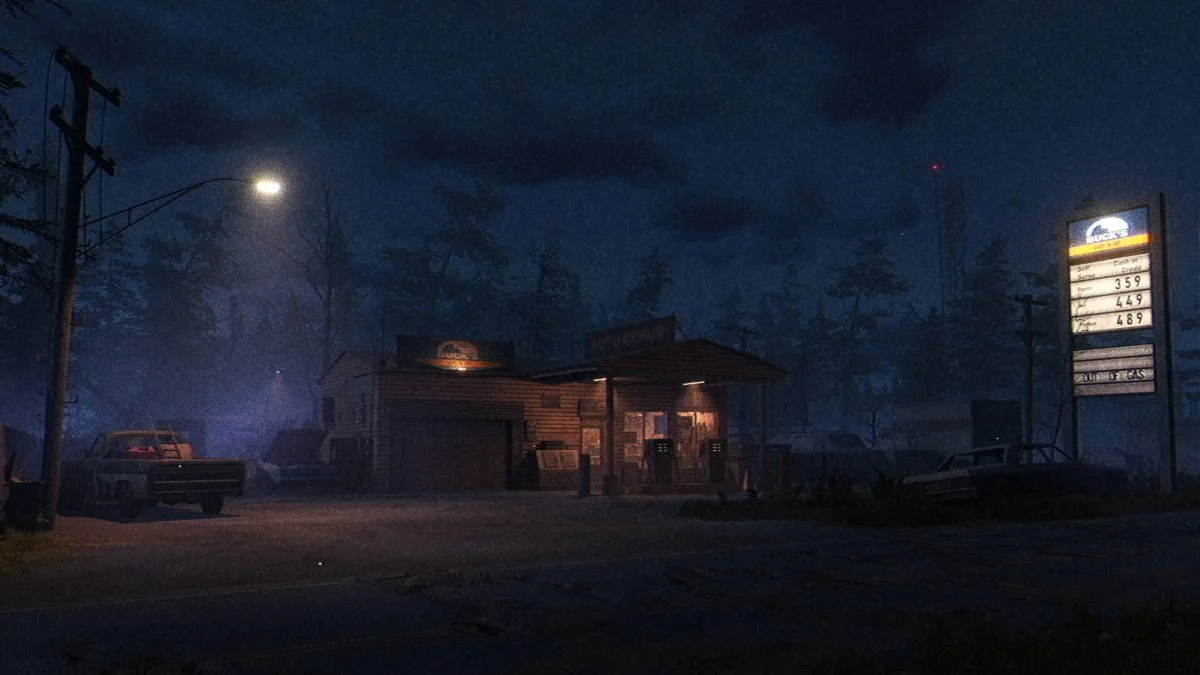
The landscape of cooperative horror gaming has long been a territory ripe for exploration, yet in recent years, many titles have tread familiar ground, resulting in a sense of repetition for players seeking fresh thrills. This may be poised for a significant shift with the upcoming installment of Rayll’s Fears to Fathom (F2F) series, titled Scratch Creek. This new chapter promises to inject a revitalized approach into the indie horror scene, building upon the established identity of the franchise while introducing innovative gameplay mechanics.
A New Era for Cooperative Horror: F2F Embraces Shared Experiences
Scratch Creek represents a pivotal evolution for the Fears to Fathom series, most notably through the introduction of its duo-matchmaking feature. While the game has consistently followed an episodic format since its initial free release in July 2021, this new cooperative element signifies a bold step forward. The decision to integrate a two-player experience is a strategic one, particularly following the narrative focus on the dynamic between characters Sydney and Mike in the previous installment. Given the franchise’s substantial popularity on streaming platforms like YouTube and Twitch, where viewer engagement is paramount, the addition of co-op is a calculated move designed to convert the expansive audience of spectators into active participants. This feature aims to capitalize on the shared viewing experience, encouraging viewers to translate their fascination into personal gameplay.
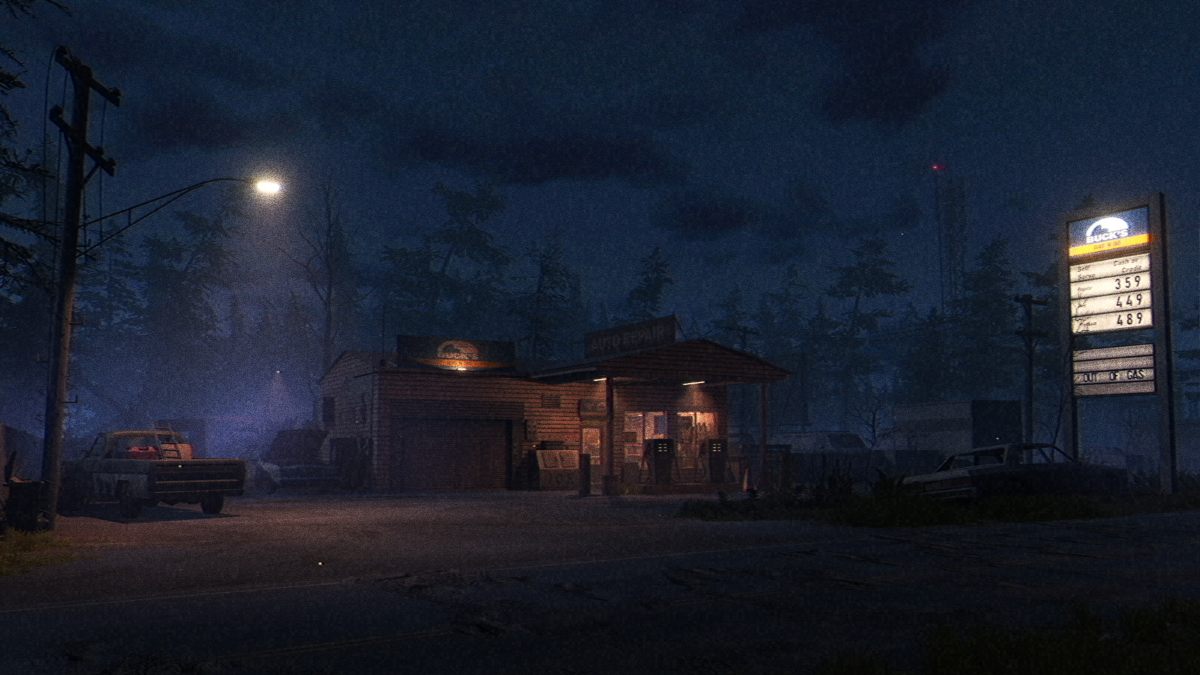
The Fears to Fathom series has already cultivated a distinct signature style, characterized by its unique ambience and narrative identity. However, Scratch Creek, along with its predecessor Woodbury Getaway, marks an aesthetic departure that sets it apart from established indie horror powerhouses such as Chilla’s Art and Puppet Combo. Instead of solely relying on jump scares or intense chase sequences, F2F is venturing into a more atmospheric and narrative-driven form of terror. Both Woodbury Getaway and Scratch Creek employ a potent element of nostalgia, subtly drawing players into environments that evoke the distinctive storytelling and unsettling atmosphere found in the works of Stephen King. This deliberate use of familiar yet unnerving settings aims to create a sense of foreboding rooted in shared cultural touchstones.
Nostalgia and Narrative: Weaving a Tapestry of Fear
The nostalgic allure of Scratch Creek draws parallels with beloved cinematic experiences such as Stand by Me, The Goonies, and even the chilling undertones of Jeepers Creepers. This blend of childhood innocence juxtaposed with encroaching dread is a novel approach within the indie horror landscape. Cooperative horror gaming, while not a new phenomenon, has historically been dominated by titles like Left 4 Dead, Resident Evil 5, and Gears of War, which often fused action with horror elements. More recently, the genre has seen a surge in games like SCP: Containment Breach and Lethal Company, which have popularized a trend of players humorously confronting terrifying entities, employing stealth, and engaging in desperate flight. This particular subgenre, often characterized by what some critics have termed "friendslop," where player-generated antics become the primary source of entertainment, has become a prevalent, albeit potentially oversaturated, aspect of modern co-op horror.
Fears to Fathom distinguishes itself by focusing on a more immersive and story-driven horror experience. The game effectively draws players in by presenting its narratives as seemingly real accounts, lending an air of authenticity to the unfolding terror. If one were to draw a comparison, F2F shares a kinship with titles like The Quarry, infused with elements of 1980s slasher films, all presented in a manner reminiscent of chilling campfire tales. The game taps into primal fears, leveraging a sense of tangible threat and rational apprehension that is expected to be amplified when experienced with a companion.
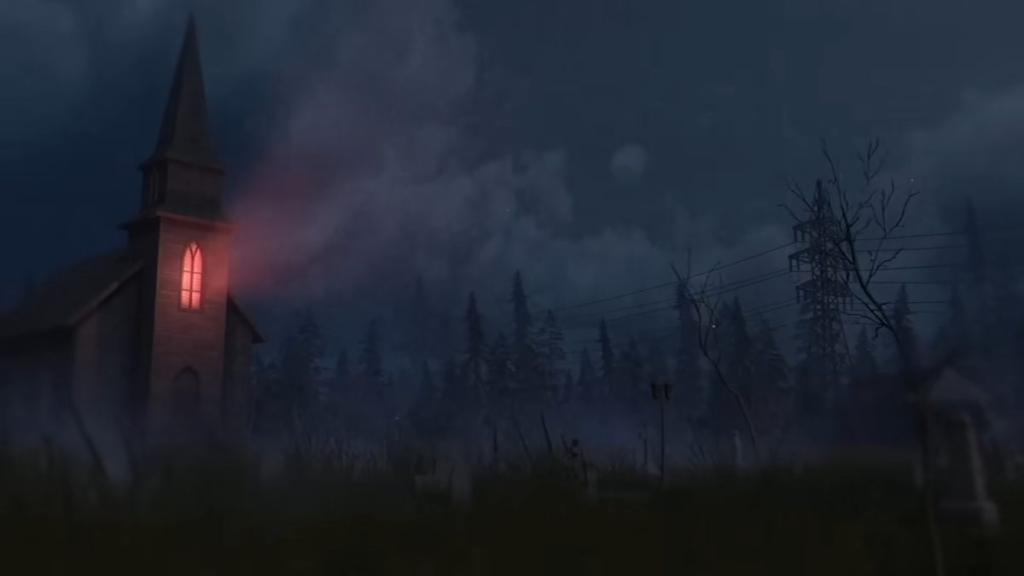
The premise that these games are (allegedly) based on true events further enhances the sense of relatability. Players are confronted with ordinary individuals thrust into extraordinary and terrifying circumstances, forcing them to adapt and survive. Scratch Creek, on the surface, presents a seemingly idyllic setting. The cooperative element encourages players to interact with the environment and its inhabitants, fostering a deceptive sense of normalcy before the inevitable descent into terror.
Transforming the Indie Horror Landscape
The introduction of robust cooperative gameplay into more story-driven indie horror titles, as exemplified by Scratch Creek, has the potential to significantly alter the direction of the genre. While numerous cooperative games are available, many fall into a pattern of offering similar experiences without truly innovating. The reliance on replicating established formulas without a strong original vision can lead to products that, while functional, lack the depth and impact of pioneering works.
Rayll’s decision to pivot Scratch Creek towards a cooperative focus represents a calculated risk, diverging from the established solo-player experience that has garnered the series its following. The success of this gamble will hinge on the meticulous execution of its co-op mechanics and narrative integration. The current state of the indie horror market often sees releases that, while offering new settings, lack substantial narrative depth, feature rudimentary enemy artificial intelligence, and rely heavily on players to generate emergent gameplay through their interactions. This approach, often characterized by a desperate pursuit of viral content, can lead to a shallow imitation of horror tropes rather than a genuinely unsettling experience.
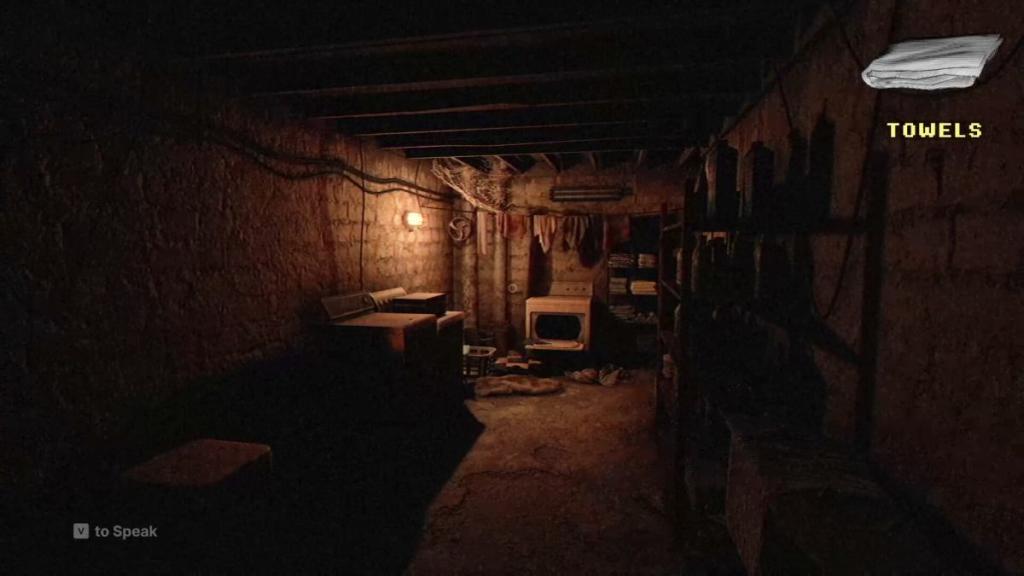
The need for more serious and narratively compelling cooperative horror games is palpable. Scratch Creek has the potential to serve as a catalyst, inspiring other developers to prioritize storytelling and atmospheric dread over superficial trends. By focusing on creating genuinely unnerving narratives and integrating cooperative play in a meaningful way, developers can move beyond the cyclical nature of imitation and deliver experiences that resonate with players on a deeper level.
Unveiling the Narrative of Scratch Creek
Fears to Fathom: Scratch Creek centers on the unfolding story of Tessa and Marcus, a couple who find themselves inadvertently stranded in the isolated locale of Scratch Creek during a cross-country move. Players can opt to embark on this harrowing journey solo, choosing to control either Tessa or Marcus from the outset. Alternatively, they can team up with a friend or a randomly assigned player through the newly implemented duo-matchmaking system, leveraging in-game proximity chat for communication.
In line with the established gameplay loop of the Fears to Fathom series, Scratch Creek operates primarily as a walking simulator, incorporating driving and environmental exploration mechanics. Information from the game’s product page suggests a choice-based narrative structure, a design philosophy consistent with previous entries like Carson House and Woodbury Getaway, which delivered their stories through player agency and environmental discovery.
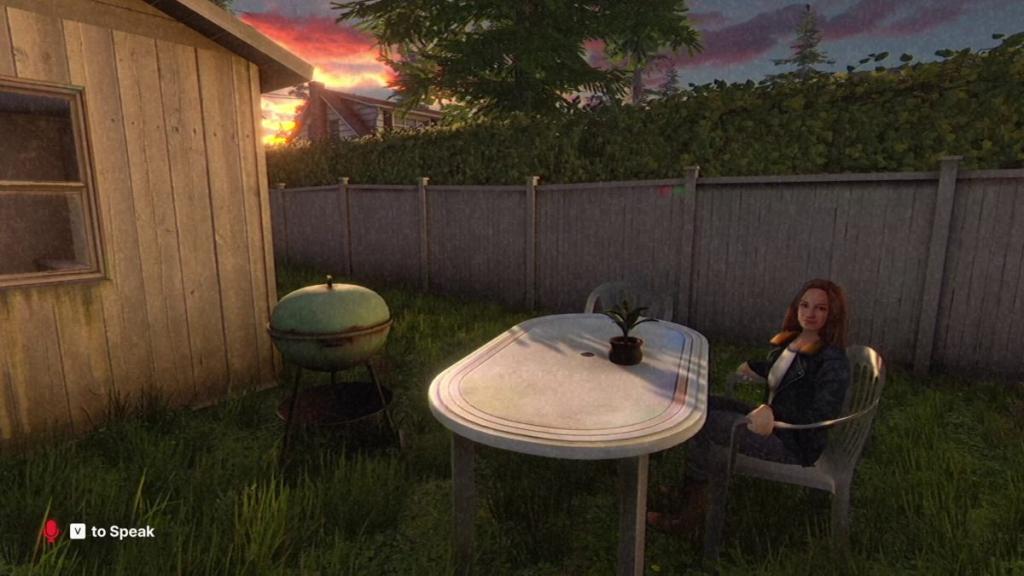
The release of Fears to Fathom – Scratch Creek is scheduled for June 10th on Steam, offering players the opportunity to face the terrors within its narrative alongside a companion. The game invites players to consider the implications of shared vulnerability and the heightened sense of fear that can arise when confronting the unknown with a trusted ally. This move toward cooperative storytelling in a horror context marks a significant development, potentially ushering in a new wave of immersive and engaging experiences within the indie game development sphere. The emphasis on narrative, coupled with the strategic integration of cooperative play, suggests a thoughtful approach to game design that prioritizes player immersion and the cultivation of genuine suspense.