


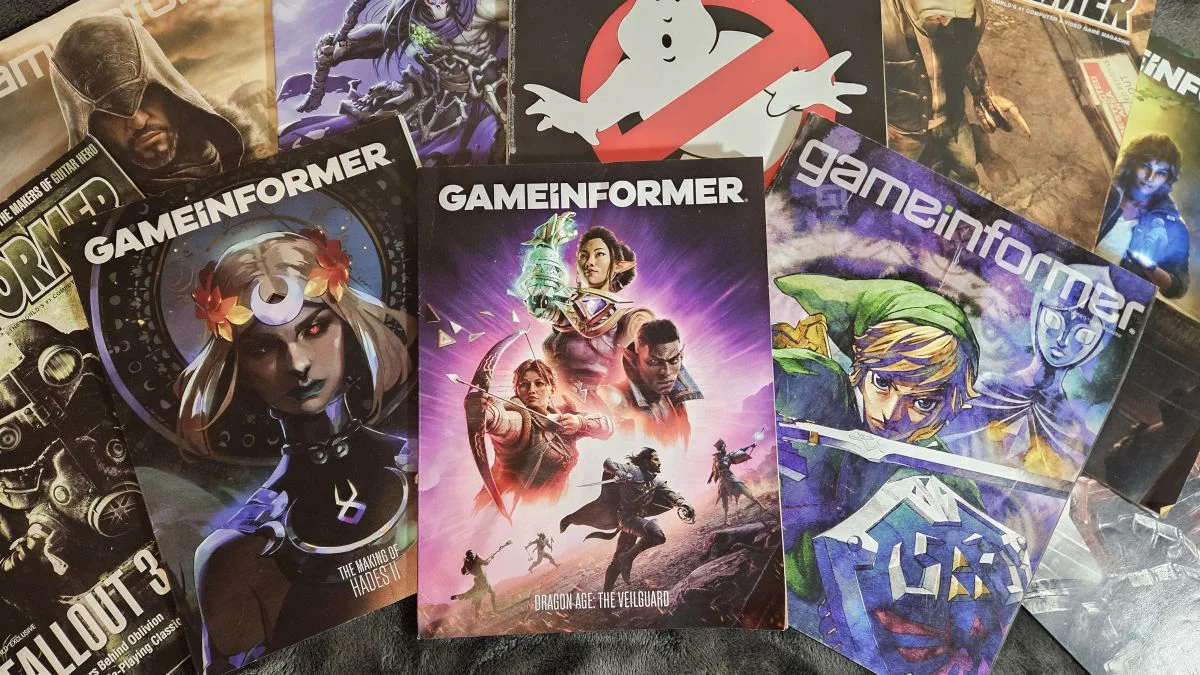
The landscape of video game journalism has experienced a seismic shift with the abrupt closure of Game Informer, a venerable institution that has shaped the industry’s narrative for over thirty years. News of the publication’s demise broke this morning, confirming the end of an era marked by a legacy of influential magazines and a robust online presence. GameStop, the parent company, made the decision to shutter the publication, a move that has sent shockwaves through the gaming community and its professional ranks.
Sources within the editorial team revealed that staff were informed of the closure by GameStop corporate leadership. The decision resulted in the immediate cessation of all editorial operations, encompassing both the print magazine and the associated digital platforms. Every member of the editorial staff has been laid off. Kyle Hilliard, former content director for the magazine, indicated that the upcoming issue was approximately 70% complete, with a "GREAT [sic] cover" already prepared, underscoring the sudden and unexpected nature of the termination.
A formal statement was released via Game Informer’s official social media channels, confirming the closure. The company stated, "While our presses may stop, the passion for gaming that we’ve cultivated together will continue to live on." This sentiment was echoed by former writers who took to their own social media platforms to share the news and reflect on their time with the publication.
A Storied History: From Newsletter to Industry Stalwart
Game Informer’s origins trace back to 1991, when it was launched as a modest magazine by FuncoLand, a now-defunct video game retailer. Initially conceived as an in-house newsletter, its trajectory shifted dramatically in 2000 when GameStop acquired FuncoLand. This acquisition brought Game Informer under the GameStop umbrella, where it rapidly evolved into a cornerstone of the company’s customer loyalty program. The magazine became intrinsically linked with GameStop’s retail operations, offering subscribers exclusive content and previews, thereby fostering a dedicated readership.
Navigating the Digital Frontier and Industry Volatility
For decades, Game Informer not only chronicled the evolution of video games but also played an instrumental role in shaping public perception and consumer interest. Its print circulation reached a peak in 2010, when it was ranked as the fifth-largest magazine in the United States, a remarkable feat that placed it ahead of established publications such as Time and Sports Illustrated. This period highlighted the significant cultural and commercial influence of dedicated video game media.
The publication, however, was not immune to the broader challenges facing the print journalism industry. It navigated a significant downturn in print advertising revenue and the pervasive shift towards digital content consumption. Furthermore, Game Informer faced recurring workforce reductions and strategic realignments under GameStop’s ownership. These internal cuts often coincided with GameStop’s broader corporate initiatives, including its ambitious foray into the world of NFTs and blockchain technology. The company’s attempts to leverage its "meme-stock" status and navigate the turbulent retail environment often led to significant restructuring, impacting various divisions, including its media arm.
Despite these internal pressures and external market shifts, Game Informer consistently produced high-quality content. The magazine was renowned for its striking cover art, often featuring original and memorable illustrations that became synonymous with major game releases. These covers served not only as visual anchors for upcoming titles but also as artistic statements within the gaming world.
An Enduring Legacy of Insight and Community
The impact of Game Informer extends beyond its commercial success and circulation figures. For many in the gaming community, the magazine represented a gateway into the world of video game journalism and criticism. It provided comprehensive coverage, including in-depth previews, insightful reviews, and engaging features that explored the nuances of the gaming industry and its cultural significance. For aspiring writers and enthusiasts, Game Informer often served as an early and influential source of information and inspiration.
The magazine’s editorial approach fostered a sense of community by featuring a diverse range of voices and perspectives. This included short opinion pieces, in-depth interviews with game developers and industry figures, and extensive features that delved into the creative processes behind iconic games. A particularly cherished element for many readers was the "Letters from Readers" section, which provided a direct line of communication between the publication and its audience, fostering a sense of shared passion and engagement.
The decision to close Game Informer comes at a time when the video game industry, like many others, is grappling with widespread layoffs. In 2023 alone, estimates suggest that thousands of jobs were lost within the sector. The closure of a publication with such a long and impactful history serves as a stark reminder of the precarious nature of media operations and the evolving economic realities of content creation. As more established outlets face consolidation or closure, the future of dedicated gaming journalism remains a subject of ongoing concern and discussion. The loss of Game Informer represents not just the end of a publication but also the diminishing of a significant platform for industry insight, critical analysis, and community building within the vast and ever-expanding world of video games.
The suddenness of the closure has left many former staff members seeking new opportunities in a challenging job market. The void left by Game Informer’s departure will undoubtedly be felt by readers and industry professionals alike, prompting reflection on the enduring value of dedicated, long-form journalism in an increasingly fragmented digital media landscape. The legacy of Game Informer, however, will likely persist through the work of its former contributors and the lasting impact it had on generations of gamers and journalists.