


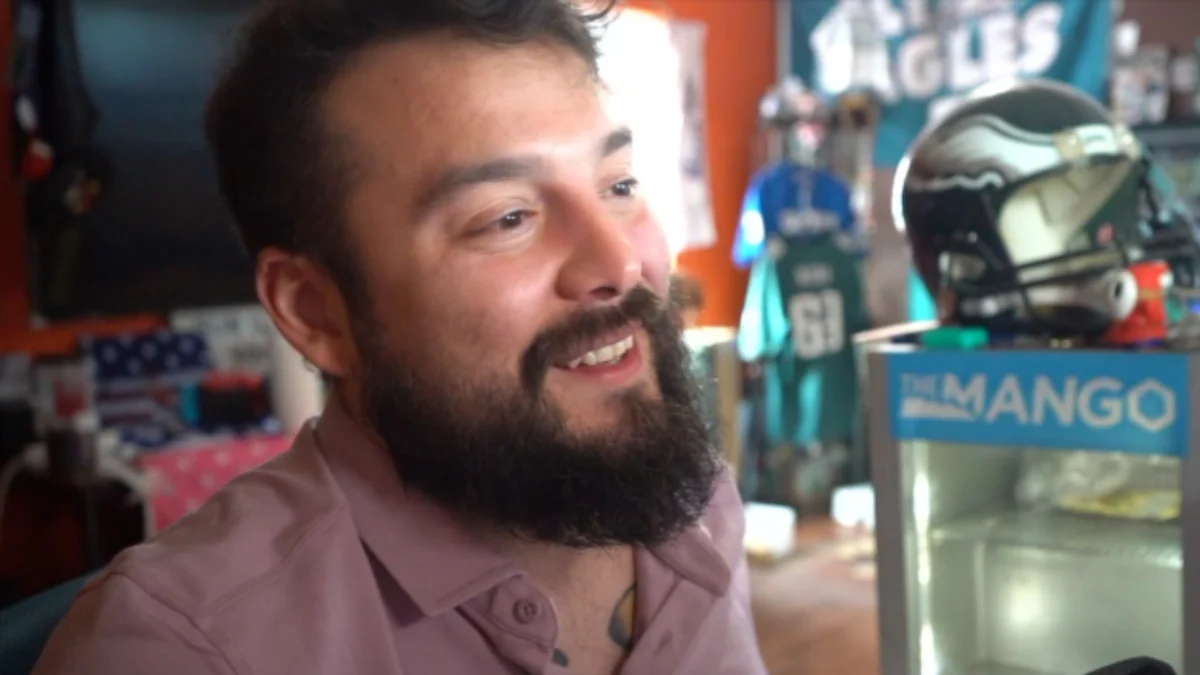
The controversy stems from events that transpired in June 2025, when Mang0 was removed from his esports organization, Cloud9, and subsequently received a one-year ban from Super Smash Bros. Melee tournaments. This disciplinary action was a direct consequence of his highly publicized drunken behavior at Ludwig Ahgren’s "Beerio Kart" event. During the livestreamed event, Mang0 reportedly engaged in harassing conduct towards multiple streamers, including prominent content creator ExtraEmily. The incident sparked widespread condemnation and brought into sharp focus the responsibilities of both players and event organizers in fostering a safe and respectful environment.
In the aftermath of the Beerio Kart incident, Ludwig Ahgren himself faced scrutiny, with some community members accusing him of "enabling" Mang0’s behavior by making light of his intoxication through the use of a breathalyzer device during the stream. While Ahgren addressed the criticism, Mang0 ultimately took full responsibility for his actions and publicly committed to a path of sobriety. This commitment was further underscored by his subsequent statements regarding his competitive future. Mang0 indicated that he did not intend to return to professional Melee tournaments without the financial backing of a sponsor, suggesting a shift in his approach to the game and his career, though this did not preclude him from participating in other Smash Bros. titles, such as Ultimate.
It was this very prospect – Mang0 competing in an Ultimate event – that ignited the latest wave of controversy. On April 9, "The Get Back 2," an online Super Smash Bros. Ultimate tournament boasting a $400 prize pool and featuring a notable ban on the characters Sonic and Steve, announced its roster of participants. Among the esteemed players listed was Mang0, slated to compete alongside other Ultimate titans like Sparg0 and MkLeo. The announcement, however, was met with a swift and vocal backlash from a segment of the Smash community.
Concerns were raised regarding the appropriateness of including Mang0 in a competitive setting, given the unresolved issues stemming from his past misconduct. The online discourse quickly escalated, prompting Mang0 himself to issue a statement addressing the situation and ultimately deciding to withdraw from the tournament.
Community Reactions and Concerns
The backlash against Mang0’s inclusion in "The Get Back 2" was multifaceted, drawing upon the memory of his previous transgressions and broader discussions about accountability in esports. On the social media platform X, formerly Twitter, the sentiment was palpable. Smash commentator Daramgaria articulated a common feeling of disappointment and ethical dilemma, stating, "The Mang0 stuff makes me sad. I’m glad I’m not in a position where I have to make these kinds of hard choices about whether or not to let someone into a space. He really did something messed up. Everything sucks. I have nothing useful to say." This sentiment highlights the difficult position event organizers and community figures often find themselves in when balancing player talent with past behavioral issues.

Further amplifying these concerns, another user on X expressed a broader frustration with what they perceived as a pattern of leniency towards players who have engaged in misconduct. "I am tired of people platforming people who have engaged in sexual misconduct and giving them free passes because they’re good at the game," the user posted. "How deplorable a person you have to be to willingly empower and platform someone like that." This perspective underscores a desire for stricter accountability and a rejection of the notion that exceptional skill should absolve individuals of responsibility for their actions.
While a significant portion of the community voiced their objections, it is important to note that not all reactions were negative. Many fans expressed excitement at the prospect of seeing Mang0 compete in an Ultimate tournament, particularly given his hiatus from Melee. The opportunity to witness a legendary player adapt to a different title within the Smash franchise generated considerable enthusiasm. However, this positive anticipation was ultimately overshadowed by the prevailing concerns, leading to Mang0’s decision to step back.
Mang0’s Response and Sobriety Milestone
In response to the community’s reaction, Joseph "Mang0" Marquez posted a statement on X on April 10, 2026, explaining his decision to withdraw from "The Get Back 2." He acknowledged the upset surrounding his invitation, stating, "There seems to be some people upset by that." Mang0 then elaborated on his perspective: "I thought it was fine because it’s a fun stream idea and I’ve been making progress being 300 days sober. Not here to make anyone upset, so I don’t mind skipping." He accompanied his statement with a photograph of himself offering a thumbs-up, conveying a sense of calm acceptance of the situation.
This statement also provided a significant update on his sobriety journey. At the time of his withdrawal, Mang0 had achieved 300 days of sobriety, placing him just a few months shy of his one-year milestone. This personal accomplishment is a crucial element in understanding his broader trajectory. However, Mang0 has also been candid about his long-term intentions regarding alcohol consumption. He has previously expressed that he does not intend to abstain from drinking entirely, viewing certain occasions, such as his birthday or family gatherings like Christmas, as experiences that are enhanced by alcohol. His stated plan is to reintroduce alcohol into his life at some point in the future, albeit with a presumably more responsible approach. This nuanced perspective suggests a desire to overcome his past issues without necessarily adopting a permanent state of abstinence, a common challenge in long-term recovery.
Broader Implications for the Esports Ecosystem
The Mang0 situation, and the community’s reaction to it, raises pertinent questions about the evolving standards of conduct and accountability within the esports industry. As competitive gaming matures, the expectations placed upon professional players and organizers are increasingly coming under scrutiny. The incident highlights several key areas:
- Player Accountability: The case underscores the importance of holding players accountable for their actions, even when they possess exceptional talent. The "free pass" mentality, where skill is seen as superseding ethical considerations, is being challenged by a more informed and vocal community.
- Organizer Responsibility: Event organizers are increasingly expected to act as gatekeepers, curating lineups that align with community values and ensure a safe environment for all participants and viewers. The decision to invite a player with a history of misconduct, regardless of their current sobriety status, carries significant implications.
- Rehabilitation and Redemption: The narrative also touches upon the complexities of rehabilitation and redemption. While Mang0’s commitment to sobriety is commendable, the community’s reaction demonstrates that trust and acceptance are not automatically granted. Forgiveness and reintegration often require sustained effort and a clear demonstration of changed behavior over time.
- Community Influence: The power of community feedback in shaping decisions within esports is increasingly evident. The vocal outcry against Mang0’s inclusion demonstrates that the audience is no longer a passive observer but an active participant in defining the ethical boundaries of the competitive landscape.
As Mang0 approaches his one-year sobriety milestone and his ban from Melee tournaments concludes, the esports world will be watching closely. His future competitive endeavors, whether in Melee or other Smash titles, will undoubtedly be viewed through the lens of his past actions and his ongoing commitment to personal growth. The "The Get Back 2" incident serves as a potent reminder that the path to redemption is often paved with difficult conversations and a constant re-evaluation of the values that underpin the esports ecosystem. The industry’s ability to navigate these complex issues will be crucial in fostering a more inclusive, respectful, and sustainable future for competitive gaming.