


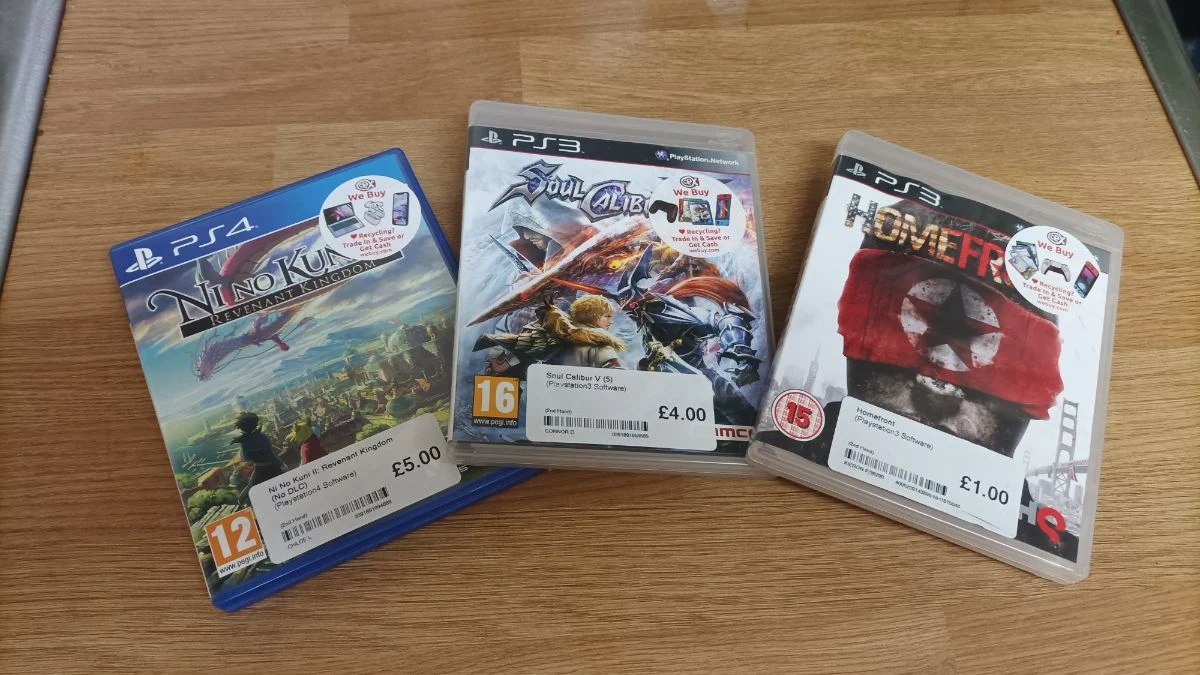
The weekend rush at a Milton Keynes CeX store paints a vivid picture of a thriving market for pre-owned and older generation video games, a stark contrast to the quiet aisles of many North American GameStop locations. As customers, undeterred by the bustling city environment, queue almost out the door, their hands clutch an array of sought-after titles spanning PlayStation 2, 3, 4, 5, and Nintendo Wii and Xbox 360 eras. This scene, brimming with consumer engagement, stands in sharp relief to the observations of underutilized GameStop stores, where Funko POP! figures often dominate the shelves, and dedicated gamers appear to be a rarer sight. This divergence in retail fortunes has prompted GameStop to embark on a significant strategic shift, with the recent announcement of its foray into a "retro" store model, a move that has ignited both skepticism and cautious optimism within the industry.
The genesis of GameStop’s retro initiative can be traced to a series of strategic evaluations and the company’s ongoing efforts to navigate the evolving landscape of the video game industry. For years, brick-and-mortar retailers have grappled with the ascendancy of digital distribution, declining new game sales in physical formats, and changing consumer purchasing habits. In this challenging environment, the enduring appeal of retro gaming—a segment characterized by nostalgia, affordability, and a dedicated collector base—has emerged as a potential growth area. GameStop’s decision to explore this niche is not merely a reaction to current market conditions but a calculated attempt to tap into a segment that has demonstrated remarkable resilience and sustained interest.
The company’s pivot towards a retro-focused model was officially signaled in an announcement on August 28th. According to reports, including commentary from the YouTube channel Spawn Wave, the implementation of this new strategy appears to have been expedited, with store employees reportedly having limited lead time to prepare for the significant changes. This compressed timeline raises questions about the thoroughness of the rollout and the readiness of individual store teams to adapt to new operational directives and inventory management. While the exact scope and scale of the retro conversion remain under development, the initial indications suggest a significant reorientation of store focus, inventory, and potentially, store design.
This strategic realignment has been met with a spectrum of reactions. Some observers, particularly within online gaming communities, have expressed derision, viewing the move as a desperate attempt by a struggling retailer to recapture relevance. However, a deeper analysis, drawing parallels with successful models in other regions, suggests that GameStop’s retro gamble could indeed prove to be a turning point, provided it can cultivate a dedicated consumer base and a vibrant community similar to that fostered by CeX in the United Kingdom.
CeX: A Blueprint for Retro Success in the UK
The success of CeX (Complete Entertainment Exchange) in the United Kingdom offers a compelling case study for GameStop’s new direction. For decades, CeX has established itself as a ubiquitous presence across the UK, a testament to its effective business model. Unlike many traditional retailers, CeX has built a robust culture around the buying, selling, and trading of pre-owned games, movies, and technology. This model fosters a dynamic inventory, offering consumers access to both the latest releases and a vast catalog of older titles, often at significantly lower price points than new releases.
The sheer volume of customers observed at CeX stores, particularly during peak hours, underscores the strong demand for their offerings. The Milton Keynes store, with its near-overflowing queues, is not an anomaly but a representative example of CeX’s widespread appeal. This consistent foot traffic is a direct result of CeX’s long-standing commitment to providing value and convenience. Their operations are not solely reliant on new product sales; rather, they thrive on the circular economy of pre-owned goods. This approach allows them to cater to a diverse range of consumers, from budget-conscious gamers seeking older titles to collectors hunting for rare finds.
Beyond the transactional aspect, CeX has cultivated a genuine community. This is evidenced by the thriving online ecosystem surrounding the brand. Dedicated YouTube channels, such as Retro Ghetto and TVM, regularly feature content showcasing their finds at CeX stores, documenting the thrill of the hunt for hidden gems and nostalgic treasures. These content creators highlight the element of discovery that CeX offers, turning a simple shopping trip into an engaging experience. This active online presence not only drives traffic to physical stores but also reinforces CeX’s brand identity as a hub for gaming enthusiasts and collectors. The "rush" to explore CeX shelves, as described by those familiar with the brand, is fueled by the anticipation of uncovering unexpected delights, a sentiment that resonates deeply within the gaming subculture.
The convenience offered by CeX extends to their online platform. Their website is lauded for its transparency, providing real-time stock information for individual stores and immediate trade-in valuations. This level of accessibility and upfront information is a significant advantage, allowing customers to plan their visits and understand the potential value of their trade-ins before arriving at the store. This contrasts with the often opaque and unpredictable nature of trade-in processes at other retailers, creating a friction point for consumers.
The economic impact of CeX’s model is also notable. For a modest investment, typically a few British Pounds, consumers can acquire a wealth of gaming experiences. Titles like "Alpha Protocol," "Final Fantasy XIII," and "PlayStation All-Stars Battle Royale," which offer unique gameplay or narrative experiences that may not be readily available or cost-prohibitive on modern platforms, are accessible through CeX. This affordability democratizes access to gaming history and diverse genres, fostering a deeper engagement with the medium. The ease with which consumers can build extensive libraries, as experienced by individuals who have recently returned to the UK and rapidly expanded their PS3 and PS4 collections, highlights the financial viability and addictiveness of this retail approach.
GameStop’s North American Challenge
In stark contrast, the North American market for retro games presents a more fragmented and often more expensive landscape. Independent game stores, while present in some communities, are not as widespread as CeX is in the UK. This scarcity forces many consumers to rely on online marketplaces like eBay and Amazon, where prices can be inflated by resellers and shipping costs can further increase the overall expense. The occasional lucky find at a thrift store or flea market provides a limited avenue for affordable retro gaming acquisitions.
The author’s personal experience living in Canada further illustrates this challenge. The prohibitive cost of retro game collections often deterred the pursuit of building such libraries. The desire to own physical copies of classic games was frequently met with reseller prices that placed them out of reach for many enthusiasts. This gap in the market, where affordable and accessible retro gaming is scarce, is precisely the opportunity that GameStop’s new retro model aims to address.
The financial health of GameStop has been a subject of intense scrutiny in recent years. The company has faced significant headwinds, including declining revenues from new game sales, the increasing dominance of digital downloads, and a challenging retail environment. The infamous "short squeeze" of 2021, driven by retail investors on platforms like Reddit, temporarily inflated the company’s stock price but did not fundamentally alter its underlying business challenges. This volatility, while capturing headlines, underscored the precarious position GameStop has occupied.
The decision to shift towards a retro model is therefore not without its risks. However, it also represents a potentially crucial pivot. By leveraging its existing retail footprint and brand recognition, GameStop could establish a significant presence in the retro gaming market. The key to success will lie in its ability to replicate the core tenets of CeX’s model: competitive pricing, a robust trade-in program, a diverse and well-curated inventory of older titles, and the fostering of a welcoming community atmosphere.
Spawn Wave’s insights from a GameStop Retro location offer a glimpse into the early stages of this transformation. The observation that prices are "not terrible" and compare favorably to eBay and convention markups is a positive indicator. If GameStop can consistently offer competitive pricing, it could effectively undercut online resellers and become the go-to destination for affordable retro games in North America. This would address a significant pain point for collectors and casual players alike.
Furthermore, the transparency of the CeX website serves as a benchmark. The ability for customers to check stock levels and receive immediate trade-in valuations online is a significant customer service advantage. If GameStop can implement similar functionalities, it would greatly enhance the customer experience, build trust, and streamline the process of buying and selling games. The current ambiguity surrounding GameStop’s inventory and trade-in values can create friction and deter potential customers.
The broader implications of GameStop’s retro strategy are significant for the entire video game retail sector. If successful, it could signal a renewed viability for physical game stores in an increasingly digital world, albeit by focusing on a different segment of the market. It could also inspire other retailers to explore niche markets and adapt their strategies to meet evolving consumer demands. The potential to make retro gaming more accessible and affordable could reignite interest in older consoles and games, preserving gaming history and expanding the audience for classic titles.
However, the path forward for GameStop is not without its complexities. The company has faced criticism for past business decisions, including the widely reported closure of Game Informer magazine and the subsequent layoffs of its staff. These actions have drawn negative attention and could potentially impact consumer trust and brand perception. Rebuilding goodwill and demonstrating a genuine commitment to the retro gaming community will be crucial.
The success of GameStop Retro will ultimately hinge on its ability to execute effectively. This involves more than just stocking older games; it requires understanding the collector mindset, offering fair trade-in values, creating an engaging in-store experience, and building a loyal customer base. The comparison with CeX is not merely about replicating a business model but about understanding the cultural and community elements that have made CeX a success. If GameStop can successfully translate these elements to the North American market, its bold pivot towards a retro revolution could indeed be the key to revitalizing a retail giant. The coming months and years will reveal whether this strategic gamble pays off, potentially reshaping the landscape of video game retail for years to come.