


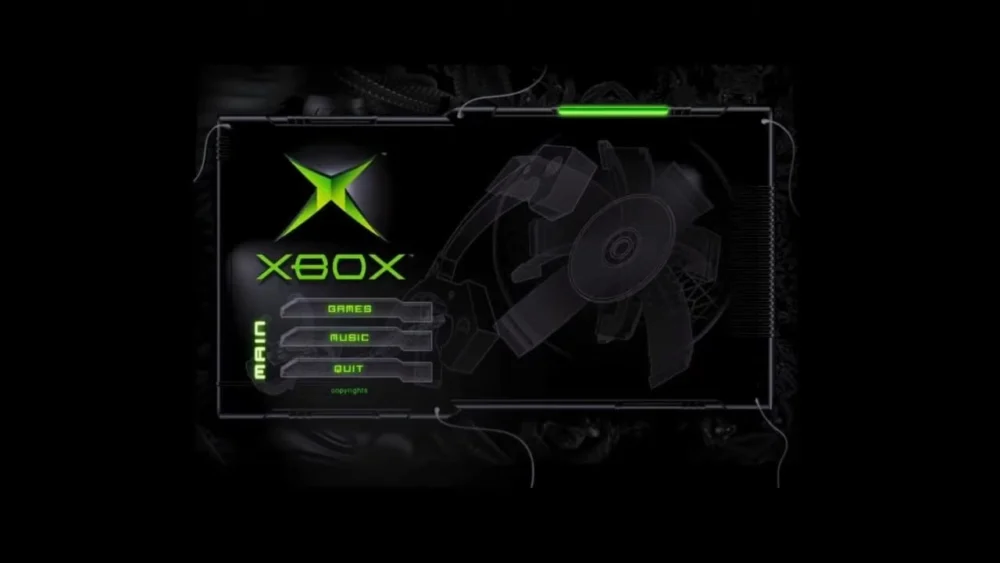
As the gaming world prepares to commemorate the momentous 25th anniversary of Microsoft’s entry into the console market with the original Xbox in 2026, a significant piece of its early promotional history has been meticulously preserved and made fully accessible online. This digital artifact is the elusive bonus CD-ROM that accompanied "Soundtrack 1: The Definitive Xbox Compilation," a promotional music CD released in 2001. For years, this interactive disc, a unique snapshot of Xbox’s nascent marketing efforts and content, remained largely inaccessible to the general public, existing only in rare physical copies or fragmented video captures. However, thanks to a dedicated digital preservationist, enthusiasts and historians can now navigate its full, original interface, offering an unprecedented look into the console’s formative era.
Unearthing a Digital Relic: The Xbox’s 2001 Promotional Disc
The original Xbox, launched on November 15, 2001, marked Microsoft’s ambitious foray into the competitive console gaming landscape, challenging established giants like Sony’s PlayStation 2 and Nintendo’s GameCube. To build anticipation and a distinct brand identity, Microsoft employed various marketing strategies, one of which was the "Soundtrack 1: The Definitive Xbox Compilation." This two-disc set featured a primary audio CD with tracks from prominent electronic artists such as The Crystal Method and Fatboy Slim, aiming to align the Xbox brand with a cutting-edge, energetic, and mature aesthetic. While the soundtrack itself has maintained a degree of notoriety and collectibility, often commanding respectable prices on the secondary market due to its limited release and nostalgic value, it was the accompanying bonus CD-ROM that held a treasure trove of early Xbox content, largely forgotten and difficult to experience in its original interactive form.
For over two decades, accessing the bonus CD-ROM meant possessing a physical copy and compatible hardware—a PC from the early 2000s capable of running its specific multimedia software. This barrier rendered the disc’s contents largely opaque to the wider public, save for a few "walkthrough" videos uploaded to platforms like YouTube, which, while offering glimpses, failed to capture the interactive essence of the original experience. The digital dark ages, a pervasive challenge for historical software and media, threatened to permanently obscure this particular piece of gaming heritage. The proprietary software frameworks common in early multimedia applications, coupled with the rapid evolution of operating systems and hardware standards, meant that without specific emulation or a preserved environment, these discs would inevitably become unreadable. This situation highlighted a critical vulnerability in the preservation of early digital cultural artifacts, where the physical medium’s longevity often outlasted its digital accessibility.
The Act of Digital Preservation: Breathing New Life into Old Media
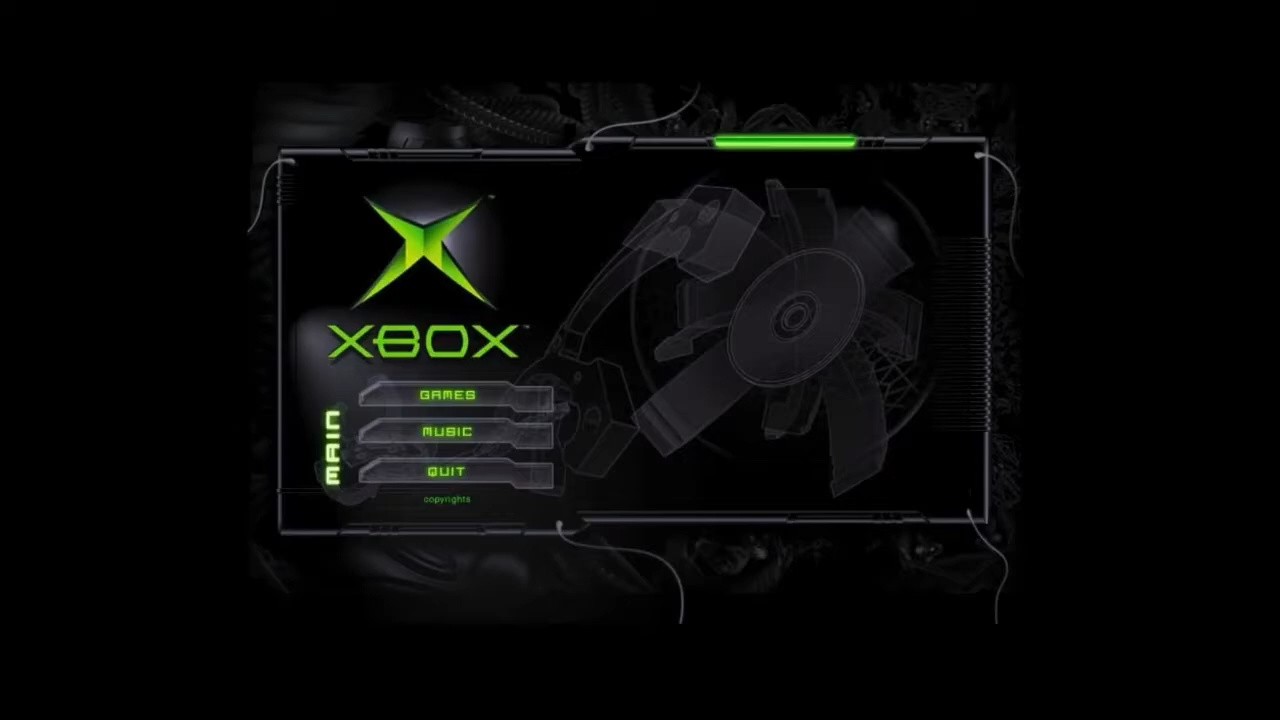
Approximately a year prior to the current widespread recognition of this archive, an anonymous individual, operating under the ethos of digital preservation, quietly unveiled a meticulously replicated version of the bonus CD-ROM on the mobcat.zip website. This effort transcended mere video capture; it involved extracting and reconstructing the entire interactive experience, allowing users to browse the content precisely as they would have on a Windows PC in 2001. The recreation is remarkably faithful, preserving the original menu transitions, clickable buttons, embedded media, and even the iconic loading screens. The only minor deviation noted is the manual activation required for videos, as opposed to their original auto-play functionality—a small compromise for such comprehensive accessibility. This achievement represents a significant technical undertaking, likely involving reverse engineering the disc’s file structure, adapting its embedded programming for modern web browsers, and ensuring that all graphical and audio elements rendered correctly without relying on outdated plugins or executables.
This initiative underscores the critical importance of digital preservation, particularly for early interactive media. Unlike static documents or photographs, multimedia CD-ROMs from the turn of the millennium often relied on proprietary software, specific operating system versions, and archaic codecs, making their long-term accessibility a significant challenge. Without proactive archiving efforts, such artifacts are prone to obsolescence, rendering them unplayable and effectively lost to future generations. The mobcat.zip project stands as a testament to the dedication of independent archivists who work tirelessly to safeguard digital history, ensuring that promotional materials, development insights, and cultural touchstones from past technological eras remain available for study and enjoyment. This act of preservation by an individual or small group mirrors the broader, institutional efforts seen in organizations like the Internet Archive, but often focuses on niche, highly specific cultural items that might otherwise slip through the cracks of larger projects.
A Glimpse into Early Xbox Marketing and Game Development
The archived CD-ROM serves as a fascinating time capsule, offering a multi-faceted look into the early days of the Xbox. Its contents are broadly categorized, providing a blend of marketing hype, nascent game development glimpses, and era-specific multimedia features.
Gaming Content: Pioneering Titles and Behind-the-Scenes Access
The most compelling aspect of the bonus disc for gaming enthusiasts is undoubtedly its extensive coverage of early Xbox titles. The archive hosts hundreds of screenshots, a diverse collection of trailers, developer interviews, and invaluable behind-the-scenes videos. While a comprehensive list of every featured game is not readily available within the archive’s overview, the prominence of titles like Halo: Combat Evolved is undeniable.
Halo: Combat Evolved, released as a launch title for the Xbox, quickly became the console’s killer app and a foundational pillar of its identity. Its revolutionary gameplay, combining fluid first-person shooter mechanics with a compelling science fiction narrative and innovative vehicle combat, captivated audiences and critics alike. The CD-ROM provides a unique perspective on its early development and promotional push. Users can browse screenshots that might depict earlier UI iterations, conceptual art, or even pre-release builds that differ from the final product, offering valuable insight into the iterative development process. The trailers offer a window into how Bungie and Microsoft intended to market the game’s revolutionary sci-fi shooter mechanics and epic scope, potentially showcasing early voice acting, graphical effects, or level designs that underwent changes before the final release. Furthermore, developer interviews, presumably featuring key figures from Bungie such as Jason Jones or Marcus Lehto, would have offered insights into the creative process, technical challenges of developing for new hardware, and overarching vision for what would become one of gaming’s most influential franchises. These rare glimpses into Halo‘s genesis are particularly significant for fans and historians, providing context for its eventual cultural impact and its role in establishing the Xbox brand against formidable competition.
Beyond Halo, the disc likely showcased other titles poised to define the Xbox’s library, offering early looks at games that aimed to demonstrate the console’s graphical prowess and online capabilities. These might have included early glimpses of titles like Project Gotham Racing, demonstrating the console’s capacity for high-fidelity driving simulations, or Dead or Alive 3, showcasing its power in delivering detailed character models and fluid animations. These promotional snippets serve not just as historical records of individual games but also as an illustration of Microsoft’s broader strategy to establish the Xbox as a serious contender in the console space, emphasizing cutting-edge graphics, robust online multiplayer (via Xbox Live, though perhaps less emphasized on a 2001 disc pre-dating its full launch), and a diverse portfolio of exclusive content designed to differentiate it from its rivals.
Music Integration: The Crystal Method and the Era’s Sound
While the gaming content captures the bulk of attention, the music section of the CD-ROM provides an interesting historical context regarding cross-promotional strategies. The original article notes that this section primarily functioned as an advertisement for The Crystal Method’s album at the time, "Tweekend." This integration highlights a common marketing tactic of the early 2000s, where game console manufacturers sought to align their brands with popular music acts to appeal to a broader, often young adult, demographic.
The inclusion of two full music videos and an "Artist Feature" on The Crystal Method within an Xbox promotional disc speaks volumes about the perceived synergy between electronic music and gaming culture at the time. Electronic dance music (EDM) was gaining mainstream traction, and its high-energy, futuristic sound often complemented the fast-paced, technologically advanced imagery of video games. "Tweekend," released in 2001, perfectly encapsulated this era’s sound, making The Crystal Method an apt choice for an Xbox compilation aiming to project a cool, contemporary image. The album itself, known for its blend of breakbeat, techno, and industrial elements, mirrored the aggressive and innovative spirit Microsoft sought to imbue in its new console. While perhaps less "groundbreaking" than the gaming content in terms of historical gaming insight, this section is a valuable sociological artifact, illustrating the cultural intersections leveraged by marketers in the early 21st century to define a brand’s identity and appeal to a specific lifestyle demographic.
Documenting the Console: Beyond Games and Music
The archived CD-ROM also includes "bits of documentation about the Xbox." While the specifics are not detailed, these could range from technical specifications and hardware overviews to early marketing whitepapers, developer guidelines, or even conceptual designs for the console itself. Such documentation, often ephemeral and rarely preserved, offers profound insights into Microsoft’s strategic thinking during the Xbox’s infancy. It might reveal how the company positioned the console against competitors, what unique selling points they emphasized (such as the built-in hard drive, Ethernet port, or powerful graphics processing unit), or even early discussions about features that would later become synonymous with the Xbox brand. For hardware enthusiasts and business historians, these textual elements provide crucial context for understanding the console’s development and market entry, offering a direct look at how Microsoft communicated its vision for the Xbox to developers, retailers, and early adopters.

A Timeline of Preservation and Rediscovery
- November 15, 2001: Microsoft officially launches the Xbox console in North America. Around this time, "Soundtrack 1: The Definitive Xbox Compilation" and its bonus CD-ROM are released as promotional items, likely bundled with early console sales, specific retailers, or as standalone marketing giveaways. This period marks the initial distribution of a unique piece of interactive marketing media.
- Early 2000s – Mid-2020s: The bonus CD-ROM, like many early PC multimedia discs, gradually becomes more challenging to access due to evolving operating systems, hardware obsolescence, and the physical degradation of media. Its content transitions from actively browsable to a niche curiosity, primarily viewed via fragmented YouTube uploads. The original CD-ROMs themselves become rare collectibles, with their market value increasing among dedicated collectors due to scarcity and historical significance.
- Circa 2025 (Approximately one year prior to the article’s 2026 setting): An anonymous digital preservationist undertakes the painstaking task of archiving and recreating the interactive experience of the bonus CD-ROM. The fully functional archive is quietly launched on mobcat.zip, making it accessible to anyone with an internet connection. News of this archive begins to spread within niche retro gaming and preservation communities, initially through platforms like Reddit, where early adopters laud the effort and share their experiences with the revived content.
- 2026: As the gaming community gears up to celebrate the 25th anniversary of the Xbox, the mobcat.zip archive gains wider recognition. Its existence is highlighted as a significant contribution to preserving the console’s rich history, offering a timely and nostalgic resource for fans and historians alike, allowing for a collective reflection on the console’s origins and impact.
Broader Impact and Implications for Digital Heritage
The successful archiving of the "Soundtrack 1" bonus CD-ROM carries several important implications, extending beyond mere nostalgia for early Xbox fans.
Advancing Digital Preservation Efforts
This project serves as a compelling case study for the broader field of digital preservation. It demonstrates the feasibility and immense value of recovering and re-contextualizing historical digital media. As technology continues its rapid advancement, the risk of losing access to vast swathes of digital culture—from video games and software to websites and interactive art—becomes increasingly pronounced. Efforts like the mobcat.zip archive contribute to the collective knowledge base of preservation techniques, inspiring other archivists and highlighting the need for institutional support for such endeavors. Organizations like the Internet Archive have pioneered large-scale digital preservation, and independent projects like this complement their work by focusing on highly specific, often overlooked, cultural artifacts. This type of grassroots preservation often acts as a vanguard, identifying and rescuing content before it is recognized by larger, slower-moving institutions.
Enriching Gaming History and Scholarship
For gaming historians and scholars, the archived CD-ROM provides invaluable primary source material. It offers direct evidence of early console marketing strategies, game development insights from the creators themselves, and the cultural context in which the Xbox was introduced. Researchers can analyze the messaging, visual design, and content choices to understand how Microsoft positioned its console, how game narratives were presented in their nascent stages, and how cross-media promotions were executed. This direct access allows for a more nuanced and accurate understanding of gaming history, moving beyond secondary accounts or anecdotal evidence. For instance, studying the early promotional material can reveal shifts in marketing focus, target demographics, and the evolving perception of video games as a cultural medium.
Fueling the Retro Gaming Community
The retro gaming community thrives on rediscovering and re-experiencing classic titles and related media. The accessibility of this CD-ROM archive provides a fresh wave of content for enthusiasts, allowing them to explore a piece of Xbox history that was previously fragmented or locked behind physical barriers. It fosters discussion, encourages deeper dives into the lore and development of beloved games, and rekindles memories for those who were present during the Xbox’s launch. For new fans, it offers an authentic educational experience, illustrating the origins of a console and a brand that continue to shape the gaming landscape today. This renewed access can also spur fan projects, such as translations of previously inaccessible content, or even inspire new historical analyses within the community.
The Interplay of Physical and Digital Value
Interestingly, the digital archiving of such a rare item can have a complex relationship with the market value of its physical counterpart. While one might assume that digital accessibility would diminish the appeal of physical collectibles, the opposite is often true. The newfound awareness and appreciation generated by the digital archive can actually increase the mystique and desirability of the original physical CD-ROM for dedicated collectors. Knowing that the content is now widely known and celebrated can elevate the physical disc’s status as a tangible piece of history, sought after for its authenticity and rarity. This phenomenon highlights how digital preservation can, paradoxically, enhance the perceived value of physical artifacts within collector markets by increasing their cultural visibility and historical significance. The physical item becomes not just a source of content, but a symbol of a preserved digital heritage.
Conclusion
The quiet archiving of the "Soundtrack 1: The Definitive Xbox Compilation" bonus CD-ROM is more than just a nostalgic trip down memory lane; it is a significant victory for digital preservation and a timely gift to the Xbox community as it approaches its 25th anniversary. By meticulously reconstructing this early digital artifact, the anonymous archivist has not only brought a lost piece of promotional media back to life but has also provided invaluable insights into the formative years of one of gaming’s most influential consoles. It stands as a powerful reminder of the ephemeral nature of digital content and the ongoing, crucial work required to safeguard our shared technological and cultural heritage for future generations. The ability to interact directly with this 2001 CD-ROM offers a unique, authentic window into the past, proving that sometimes, the most exciting discoveries are those that bring forgotten history back into vivid, interactive existence, thereby ensuring that the foundational elements of modern gaming remain accessible for study, enjoyment, and appreciation for decades to come.