


The inaugural $300,000 Marvel Rivals Creator World Championship concluded last weekend, leaving a bitter aftertaste for Team Canada, who finished in a disappointing 9th-12th position. While the tournament itself, held from June 26th to June 29th, showcased the burgeoning esports scene for the highly anticipated Marvel hero shooter, the real drama unfolded in the aftermath, centering on accusations of blame and strategic disagreements that fractured the team. The controversy has ignited discussions about team cohesion, communication, and the pressures of high-stakes creator tournaments.
The Tournament Landscape and Team Canada’s Performance
The Creator World Championship brought together twelve elite teams comprised of prominent streamers and content creators from across the globe. The substantial $300,000 prize pool attracted significant attention, with the grand prize of $75,000 ultimately claimed by the formidable Team AMER United. For Team Canada, however, the tournament proved to be a steep learning curve. Their roster, a formidable assembly of popular personalities including Félix "xQc" Lengyel, aramori, Dokibird, Fanfan, and Surefour, alongside streamer Warn, struggled to find their footing. Despite their individual accolades and large fan bases, the team managed to secure only $12,000 of the prize money, reflecting a performance that fell far short of expectations.
The tournament’s conclusion was overshadowed by internal strife, with a significant portion of the blame for Team Canada’s underperformance being directed towards streamer Warn. The narrative that emerged painted a picture of discord and a breakdown in team synergy, particularly concerning in-game strategic decisions and hero compositions.
The Spark of Discord: A Post-Match Interview and Hero Swap Debacle
The controversy began to surface shortly after the final matches concluded. A clip quickly circulated online, reportedly showing Warn attributing the team’s losses to the actions of his teammates FanFan, Dokibird, and aramori, while simultaneously crediting himself and xQc for past successes. This assertion immediately drew criticism, with many interpreting it as a public scapegoating of his fellow players.
Warn later addressed the clip, claiming it was taken out of context and that his comments were not motivated by gender, stating, "nothing to do with them being women." This clarification, however, did little to quell the rising tide of disapproval from fans and, more importantly, his teammates.
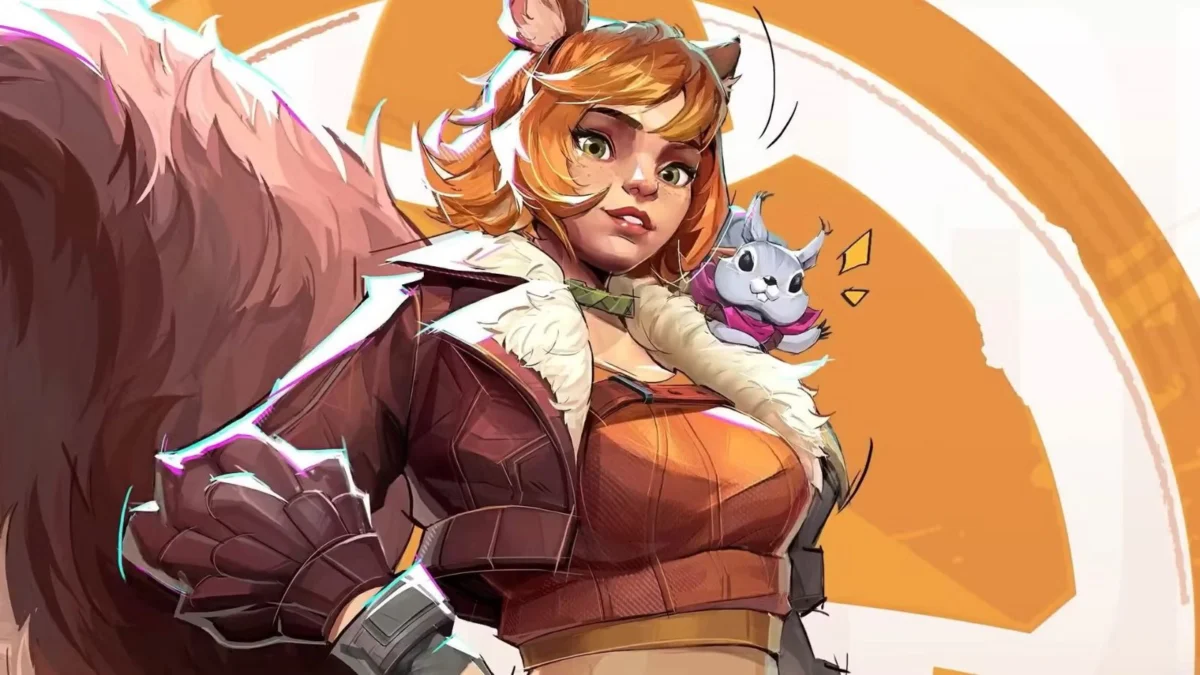
The core of the contention appeared to revolve around hero selection and team strategy, a critical element in hero-based shooters like Marvel Rivals. Warn, a Twitch streamer, indicated that his invitation to the tournament came with very little notice, leaving him with only a few days to prepare. During this limited preparation time, he focused on mastering his preferred heroes, Squirrel Girl and Namor. The implication was that the team’s strategic direction or his teammates’ choices may have hindered his ability to play his strongest characters or adapt effectively.
Teammates Push Back: Accusations of Lack of Engagement and Strategic Disregard
The narrative presented by Warn was met with strong resistance from his Team Canada colleagues. Aramori, who captained the side, was particularly vocal in her rebuttal. She expressed frustration with Warn’s portrayal of the situation, stating on X (formerly Twitter) that she would not stand by and allow him to present himself as a victim.
"I don’t want to sit here and let Warn act like ‘woe is me she was so mean’," Aramori posted. She directly addressed the hero selection issue, making a pointed reference to Warn’s consistent choice of Squirrel Girl. "My bad next time I’ll tell you it’s not your fault for picking Squirrel Girl over and over," she wrote, implying a lack of flexibility or strategic adaptation on Warn’s part.
Aramori further amplified her point by drawing a parallel to a previous high-profile incident in the Marvel Rivals creator scene: the "Zazzastack incident." Earlier in the year, a player named Kingsman265 had refused to switch off Black Widow during a $40,000 creator tournament, a decision that significantly hampered his team’s momentum and ultimately contributed to their loss. Aramori’s invocation of this event was a clear signal. She wrote, "I GOT ZAZZA’D IN A TOURNAMENT 10X THE PRIZE POOL AS BASIM. KINGSMAN WAS SO MUCH MEANER AND GOT A BAJILLION FOLLOWERS."
This comparison was significant. The community’s reaction to the Kingsman265 situation had been swift and overwhelmingly negative, leading to widespread condemnation. By highlighting that Warn was receiving considerably less backlash for what she perceived as a comparable offense, Aramori suggested a double standard in how players were being treated, potentially due to their online personas or the perceived severity of their actions. The reference to Kingsman being "meaner" and gaining a "bajillion followers" implied that even negative attention could translate into increased visibility and engagement, a currency highly valued by streamers.
Warn’s Defense: A Team Loss, Not an Individual Failure
Warn, however, continued to maintain that the team’s struggles were a collective issue, not the fault of any single player’s hero choice. He pushed back against the idea that his or any other player’s hero selection single-handedly dismantled the team’s chances.
To support his stance, data emerged that tracked the performance statistics of Team Canada’s players. These stats indicated a mixed performance across the board. xQc, known for his aggressive playstyle, reportedly went 2-6 in his tank role. Aramori herself had a 3-5 record in her role, while FanFan posted a 1-4 record and Dokibird went 2-4. Warn’s position was that these figures demonstrated a broader team-wide struggle rather than a singular point of failure. He argued that attributing the loss to one player’s hero choice oversimplified the complex dynamics of a competitive match and ignored the contributions and shortcomings of all team members.
The Broader Context: Creator Tournaments and the Spectacle of Conflict
This incident is not an isolated event within the rapidly growing Marvel Rivals creator tournament circuit. The high stakes, combined with the inherent personalities involved, have created a fertile ground for drama and controversy. The $300,000 Creator World Championship, with its substantial prize pool and global reach, amplified these dynamics.
The "Zazzastack" incident, referenced by Aramori, serves as a key precedent. Kingsman265’s refusal to swap heroes led to a significant online backlash and his removal from the tournament. The subsequent fallout saw him become a subject of intense discussion, with some analyzing his actions and others defending his right to play his preferred character. Interestingly, as reported by Dexerto, Kingsman265 ultimately experienced a surge in his Twitch following and earnings in the aftermath of the controversy, highlighting the often unpredictable ways in which online conflict can translate into real-world gains for content creators.
The Marvel Rivals creator scene, still in its nascent stages, is navigating the delicate balance between fostering competitive gameplay and managing the inherent entertainment value derived from personality clashes and public disputes. The success of these events is not solely dependent on the quality of play but also on the narratives that emerge, the rivalries that form, and the controversies that capture the audience’s attention.
Implications for the Marvel Rivals Esports Scene
The fallout from Team Canada’s performance and the subsequent accusations raises important questions for the future of Marvel Rivals as an esport.
- Team Dynamics and Communication: The incident underscores the critical importance of effective communication and strategic alignment within esports teams, especially in fast-paced, hero-based games. Creator teams, often assembled for their individual popularity, may require more structured leadership and conflict-resolution mechanisms to succeed.
- Player Accountability and Public Scrutiny: The swift and public nature of online discourse means that player actions, both in-game and out, are subject to intense scrutiny. The Zazzastack and Team Canada controversies highlight the potential for significant reputational damage or, conversely, increased visibility, depending on how these situations are managed.
- The Role of Creators in Esports: The integration of popular content creators into professional esports events brings a massive audience but also introduces unique challenges. The line between entertainment and serious competition can blur, leading to situations where personal brands and public perception can influence team dynamics and the perception of performance.
- Tournament Organizers’ Responsibility: Event organizers face the challenge of creating environments that encourage fair play and competitive integrity while also acknowledging the entertainment factor of creator-driven events. Establishing clear guidelines for conduct and dispute resolution could mitigate future controversies.
As Marvel Rivals continues to evolve, the lessons learned from tournaments like the Creator World Championship will be crucial. The ability of players, teams, and organizers to navigate these complexities will ultimately shape the long-term health and perception of the game’s competitive landscape. The dramatic conclusion to Team Canada’s tournament serves as a potent reminder that in the world of esports, the story off the scoreboard can be just as compelling, and sometimes more impactful, than the scores themselves.