


The highly anticipated return to the origins of the iconic Gears of War franchise, Gears of War: E-Day, has revealed a significant evolution of its beloved wave-based cooperative mode, now christened "Horde Siege." This reimagined experience promises a dynamic and challenging PvE encounter, aiming to recapture the nostalgic thrill of earlier Horde modes while introducing substantial new mechanics and strategic depth. Alongside this, the game’s competitive multiplayer component has also been detailed, emphasizing a commitment to player-driven progression and extensive earnable content. The initial glimpses of Horde Siege have ignited considerable excitement within the community, suggesting a robust addition to the game’s offerings that could appeal to both long-time fans and newcomers alike.
The Genesis of Horde Siege: A New Frontier for Cooperative Combat
Horde Siege represents a significant departure from the established Horde formula, which has been a staple since its introduction in Gears of War 2. This foundational mode tasked players with defending a fortified position against increasingly difficult waves of Locust enemies. While Gears of War 3‘s iteration refined this concept with class-based gameplay and fabricator-driven defenses, Horde Siege aims to elevate the experience through a more expansive and mission-driven approach.
The core premise of Horde Siege, as detailed by Microsoft, involves three distinct squads of four players each deploying into large-scale environments. Crucially, these squads operate with individual missions that converge within a larger, ongoing battle. This inter-squad dynamic fosters a sense of shared purpose and emergent gameplay, as teams must coordinate their efforts and adapt to shifting objectives and unexpected challenges. The description highlights a fluid battlefield where threats, goals, and opportunities are in constant flux, demanding strategic flexibility and proactive engagement.
"The combination of three COG squads, larger Horde maps, and a mix of mission types create a more dynamic PvE experience where threats, objectives, and opportunities are constantly shifting," a representative from the development team stated. "The core objective of Horde Siege is still fundamentally Gears: survive the Locust, support your squad, and use every bit of firepower you can to come out on top." This statement underscores the mode’s commitment to the franchise’s DNA while signaling a clear intent to innovate.
Evolving the Horde Formula: Strategic Depth and Class Specialization
Beyond the expanded map design and squad-based coordination, Horde Siege introduces a robust class system, a feature that has been progressively developed throughout the series. Players will be able to select from four distinct classes: Assault, Breacher, Marksman, and Medic. Each class is endowed with unique loadouts and specialized abilities, making team composition a critical factor in success. This emphasis on synergistic class play suggests a meta-game of team building and strategic deployment, reminiscent of other popular cooperative titles that reward coordinated specialization.
The Assault class, for instance, is likely to focus on aggressive frontline combat and sustained firepower. The Breacher might excel at demolishing enemy defenses or opening new pathways. Marksman units would undoubtedly provide crucial long-range support and precision fire, while the Medic class would be essential for battlefield sustainment and keeping allied squads in the fight. This layered approach to gameplay mechanics, including weapon modifications and in-game customization options, further deepens the strategic considerations for players.
The inclusion of weapon mods and customizations allows for further tailoring of individual playstyles within each class. Players can potentially augment their weapons with scopes for increased accuracy, larger magazines for sustained fire, or specialized ammunition types to counter specific enemy threats. In-game modifiers can also be introduced to dynamically alter the challenges players face, ensuring that no two Horde Siege sessions are identical. This commitment to replayability and player agency positions Horde Siege as a potentially stand-alone experience within Gears of War: E-Day, capable of fostering its own dedicated player base, much like the popular "third modes" found in other major franchises, such as Call of Duty‘s Zombies or Spec Ops.
A Legacy of Horde: From Humble Beginnings to Strategic Sieges
The evolution of Horde mode is a testament to its enduring appeal within the Gears of War franchise. First introduced as a surprise feature in Gears of War 2 in 2008, the mode was a straightforward defense-against-waves experience that quickly became a fan favorite. Players found immense satisfaction in coordinating defenses, managing dwindling ammunition, and pushing back against relentless enemy onslaughts. The initial reception was overwhelmingly positive, cementing Horde as a core pillar of the Gears experience.
Gears of War 3, released in 2011, significantly expanded upon the Horde mode with the introduction of the Fabricator. This central deployable allowed players to purchase fortifications, such as turrets, barriers, and decoys, using currency earned by killing enemies. This added a crucial layer of resource management and strategic placement, transforming the mode from a pure survival test into a more tactical engagement. The introduction of distinct classes – Soldier, Engineer, Heavy, Scout, and Sniper – further enhanced team synergy and specialization.
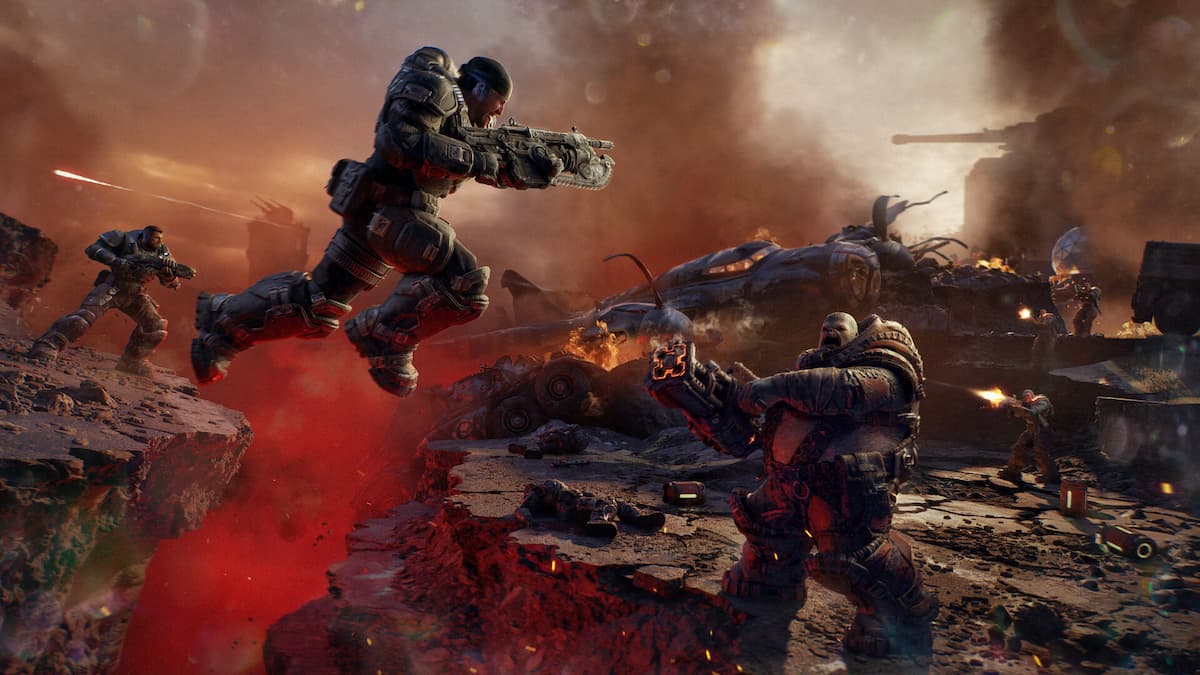
The subsequent installments, including Gears of War: Judgment (2013) and Gears of War 4 (2016), continued to refine the Horde experience. Judgment introduced a more aggressive and fast-paced variant called OverRun, which blended Horde elements with objective-based gameplay. Gears of War 4 brought back the class system and the Fabricator, introducing new fortifications and enemy types, and further emphasizing class-specific abilities.
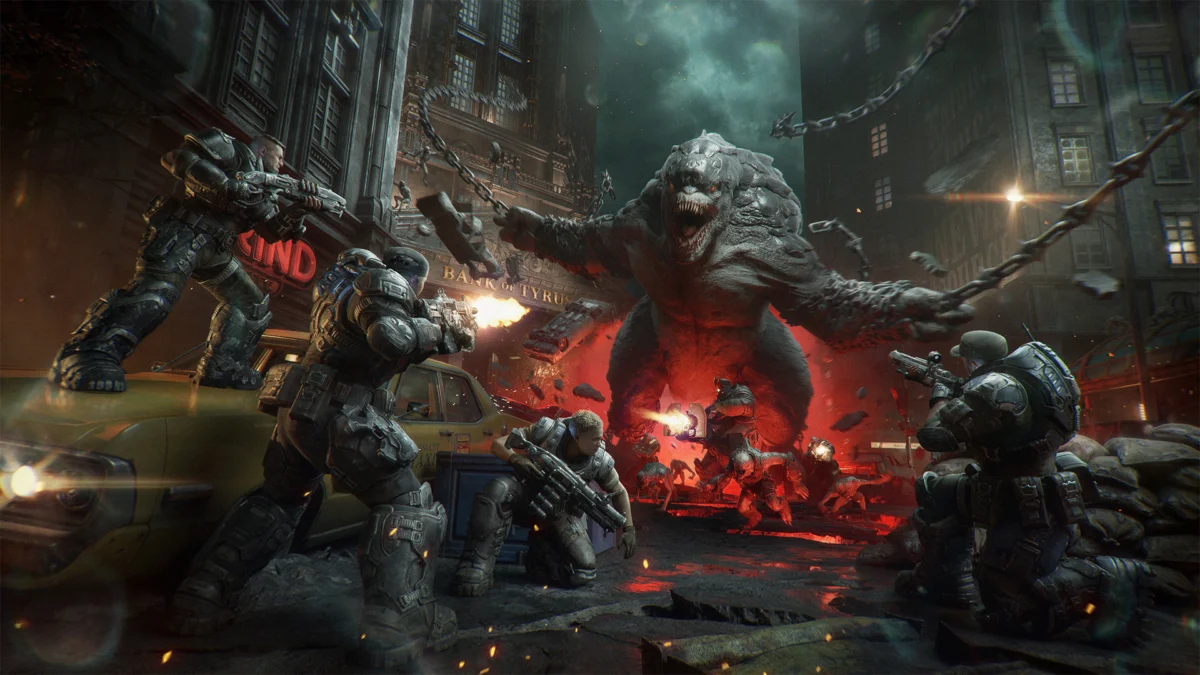
Horde Siege in Gears of War: E-Day appears to be the culmination of these evolutionary steps. By expanding the scale, integrating multi-squad dynamics, and layering mission-based objectives onto the wave-defense framework, the mode is poised to offer an unprecedented level of strategic depth and cooperative challenge. The visual of a COG army facing a colossal Brumac bursting from the ground, as depicted in promotional materials, vividly illustrates the heightened stakes and epic scale of these encounters.
Competitive Multiplayer: A Return to Form with Player-Focused Design
Beyond the PvE offerings, Gears of War: E-Day also reaffirms its commitment to competitive multiplayer. The game will feature four distinct multiplayer modes across six maps, promising a robust arena for player-versus-player combat. The inclusion of ranked play indicates a dedication to competitive integrity and the provision of a ladder system for dedicated players to test their skills.
A particularly noteworthy aspect of the multiplayer reveal is the developers’ explicit declaration that "nearly every single item in Gears of War: E-Day can be earned by simply playing the game." This statement directly addresses growing player concerns about monetization models in modern gaming. The development team has unequivocally stated, "That means no battle pass, no tour of duty, no gimmicks, no bullshit." This player-centric approach suggests that cosmetic items, such as legendary character skins, epic weapon skin sets, and rare poses, will be unlockable through dedicated gameplay, fostering a sense of accomplishment and rewarding player investment.
This design philosophy stands in stark contrast to the prevalent season-based progression systems that often gate content behind timed challenges and premium purchases. By emphasizing earnable content through gameplay, Gears of War: E-Day aims to create a more equitable and rewarding experience for all players, regardless of their willingness or ability to spend additional money on the game. This commitment could significantly influence player perception and foster a more positive community atmosphere.
Broader Implications and Player Reception
The revelations surrounding Horde Siege and the multiplayer progression system have significantly shifted the perception of Gears of War: E-Day. For players who may have been on the fence, these announcements have provided compelling reasons to place the game on their radar. The emphasis on deep, evolving cooperative gameplay, coupled with a transparent and player-friendly monetization strategy for multiplayer, signals a game designed to cater to a wide spectrum of the gaming audience.
The success of Horde Siege will likely hinge on its ability to strike a balance between challenging gameplay and accessibility. If the mode delivers on its promise of dynamic, emergent challenges and offers meaningful strategic depth, it could become a significant draw for players seeking engaging cooperative experiences. Similarly, the multiplayer’s success will depend on the quality of its core gameplay, the balance of its modes, and the genuine attainability of its unlockable content.
The franchise’s return to its roots with E-Day, set during the pivotal moments of the Locust War’s onset, provides a rich narrative backdrop that can further enhance both PvE and PvP experiences. The historical context of the E-Day conflict, a period of devastating surprise attacks by the Locust Horde on human settlements, offers a potent thematic foundation for the desperate struggles players will undertake in Horde Siege and the high-stakes battles of competitive multiplayer.
With a confirmed release date of October 6th for PC and Xbox Series X|S, Gears of War: E-Day is shaping up to be a significant entry in the storied franchise. The strategic depth of Horde Siege and the player-first approach to multiplayer progression suggest a title that is not only looking to capitalize on established franchise strengths but also to innovate and address contemporary player expectations, potentially ensuring its place as a major contender in the competitive gaming landscape.