


The burgeoning genre of interactive horror games often blurs the lines between reality and fiction, a tactic masterfully employed by the popular series Fears to Fathom. Developed by rayll, this episodic game franchise has carved out a unique niche by proclaiming that each installment is "based on true events." While the developer acknowledges that specific details such as names, dates, and locations are often altered for privacy and narrative purposes, the core question remains: do the chilling scenarios presented in Fears to Fathom stem from genuine human experiences, or are they meticulously crafted fabrications designed to evoke maximum terror? This investigation delves into the marketing strategies, potential inspirations, and the inherent psychological impact of a horror experience that claims roots in reality, examining whether the game’s effectiveness hinges on its veracity or its skillful manipulation of our deepest fears.
The "Based on a True Story" Phenomenon in Horror
The practice of leveraging "true events" as a foundation for horror narratives is not a new one. For decades, filmmakers and storytellers have tapped into the primal fear that real-life tragedies could befall anyone. This approach gained significant traction and redefined audience perception with the release of The Blair Witch Project in 1999. The film’s groundbreaking found-footage aesthetic and relentless marketing campaign led many viewers to believe they were witnessing authentic documentation of supernatural occurrences. This created an unprecedented level of immersion and dread, blurring the boundaries of what audiences expected from the horror genre.
However, as the novelty wore off and the entertainment industry became more adept at simulating authenticity, the "based on a true story" disclaimer often transformed into a predictable trope. Audiences grew more discerning, understanding that such claims frequently served as a narrative device rather than a literal guarantee of factual reporting. This is where Fears to Fathom enters the conversation, seemingly reviving this classic horror marketing strategy with a modern, interactive twist.
A Calculated Marketing Strategy
Fears to Fathom‘s core appeal lies in its direct engagement with the audience’s psyche by asserting the truthfulness of its narratives. The developer, rayll, actively encourages players to submit their own terrifying real-life encounters, creating a direct feedback loop that purportedly fuels the game’s content. Since the release of the first episode, "Home Alone," in 2021, each subsequent installment has been presented as a dramatized retelling of an experience submitted by a player.
This approach is undeniably clever. It taps into the enduring fascination with the uncanny and the unsettling reality that horrific events can transpire in ordinary settings. By framing the gameplay as a vicarious reliving of genuine trauma, Fears to Fathom aims to amplify the stakes and the player’s sense of vulnerability. The implication is that the protagonist, while facing unimaginable terror, is not a fictional construct but a stand-in for a real individual who navigated a perilous situation.
While this strategy effectively heightens tension and creepiness, it also presents a unique challenge. The explicit claim of veracity, even with the caveat of altered details, inherently informs the player that the protagonist will likely survive. In traditional horror, the uncertainty of a character’s fate is a primary source of suspense. In Fears to Fathom, while the immediate dangers remain terrifying, the overarching narrative conclusion is, in a sense, predetermined by the fact that the story has already been lived and recounted. Despite this, the game’s ability to maintain a high level of tension and deliver unsettling moments suggests that the power of its horror transcends the knowledge of a survivor.
Examining the Veracity of "True Events"
The crucial question of whether the events in Fears to Fathom are truly based on real-life experiences requires careful examination. While rayll’s assertion of true events serves as a powerful marketing tool, it is important to distinguish between direct reportage and inspiration. It is highly probable that, as with most dramatizations, the narratives presented in Fears to Fathom are fictionalized and exaggerated for the purpose of entertainment.
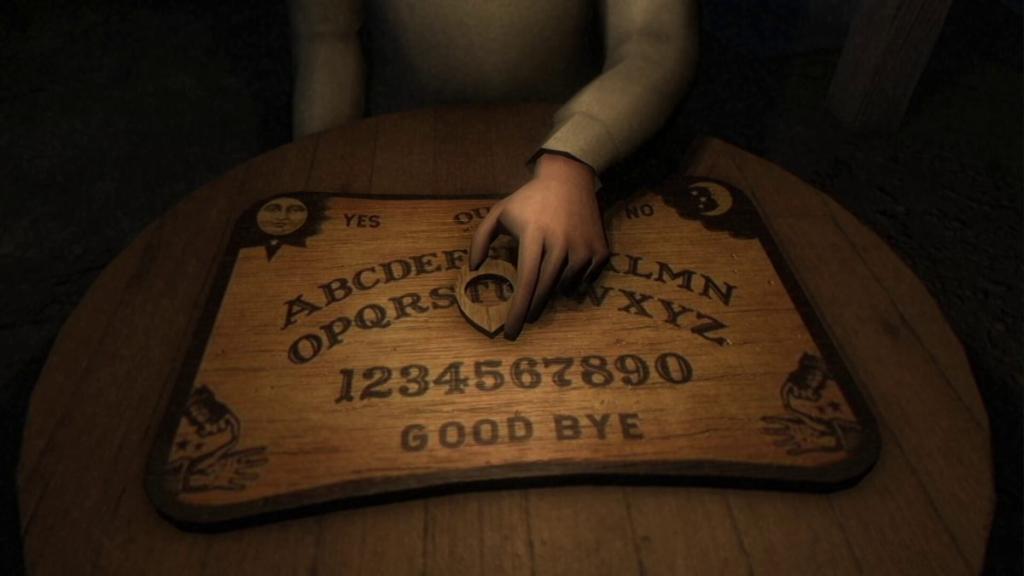
The developer may indeed receive submissions of harrowing experiences, but the process of translating these into a playable game likely involves significant creative liberties. This could range from elaborating on mundane details to creating entirely new scenarios that amplify the perceived threat. The goal is to craft an engaging and terrifying experience, which may necessitate a departure from the strict factual accuracy of the original event.
A notable example that invites scrutiny is the episode "Norwood Hitchhike." While set in 2010, the narrative bears striking resemblances to notorious real-life crimes. Specifically, the themes of a lone traveler encountering danger on a secluded road echo the predatory patterns of serial killers. The serial killer Larry Ralston, for instance, targeted women in a similar fashion between 1975 and 1977, predating the game’s setting but highlighting a recurring pattern of real-world horror. While "Norwood Hitchhike" may not be a direct transcription of Ralston’s crimes, it is plausible that the developer drew inspiration from such historical accounts, weaving them into a fictionalized narrative submitted by a player.
A thorough investigation into the claims made by Fears to Fathom would involve cross-referencing the episode’s plot points with documented criminal cases. A quick search for news reports or police records pertaining to the specific types of crimes depicted – breaking and entering, home invasion, cult activities, and stalking with murderous intent – would likely reveal that none of the episodes directly correspond to widely reported, verifiable real-life cases. This does not diminish the game’s impact but rather situates it within the broader landscape of horror fiction, where real-world fears are often amplified and recontextualized.
Interconnected Narratives and Fictional Universes
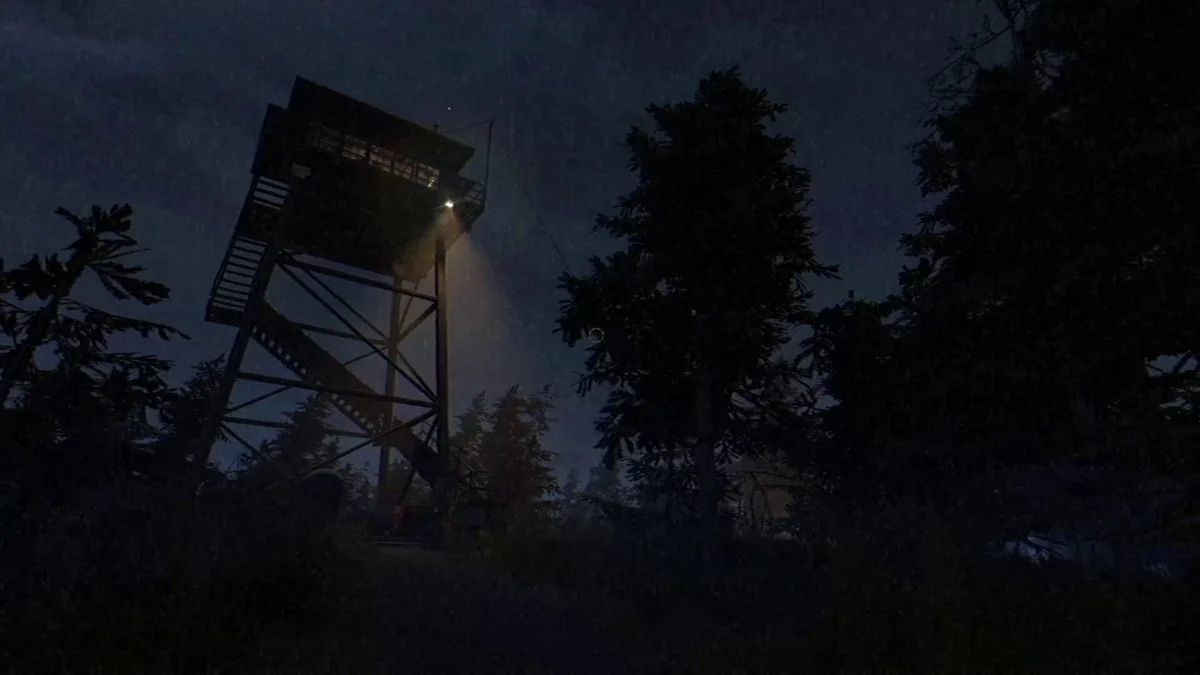
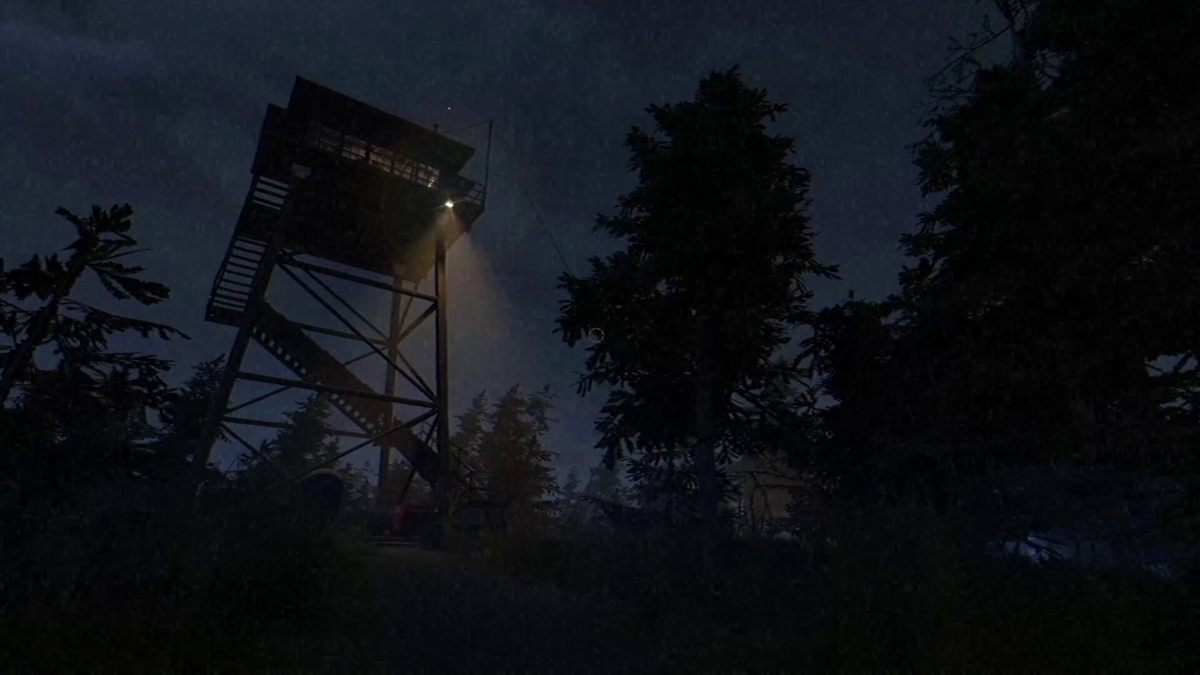
The Fears to Fathom series has begun to weave a more complex tapestry with its recent episodes, particularly the "[Together]" series, which links "Ironbark Lookout" and "Scratch Creek." This interconnectedness suggests a deliberate effort to build a cohesive in-game universe. The narrative arc follows a singular cult, indicating that the developer is not merely presenting isolated incidents but is developing recurring thematic elements and potentially a shared lore.
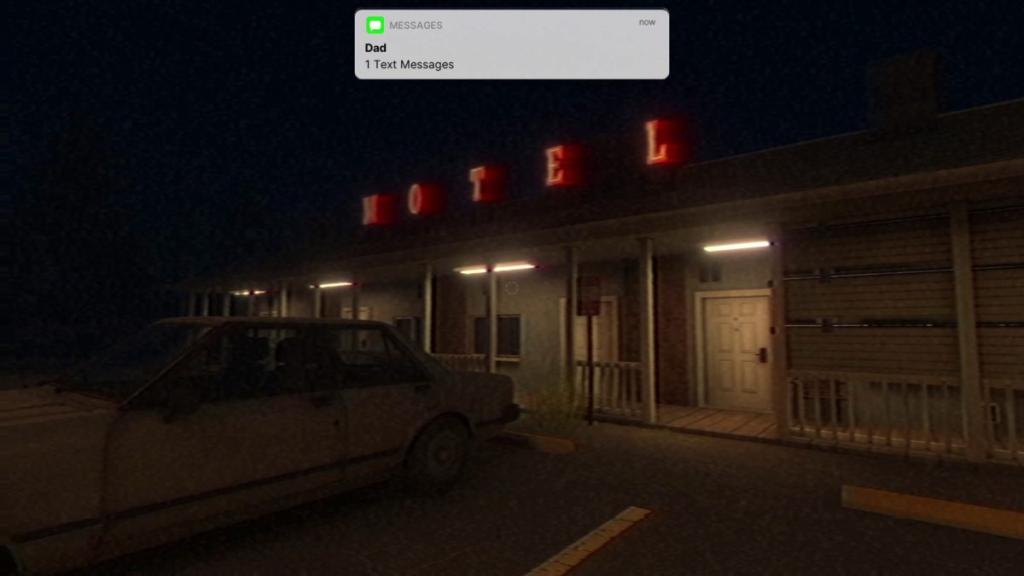
"Ironbark Lookout," set in 2002, and "Scratch Creek," with a vague date of April 20XX, both feature this cult. The presence of such a secretive and malevolent organization raises questions about its origins and whether it is inspired by real-world cults. While the developer has not provided specific dates or names for "The Covenant of Old Scratch," the fictional cult depicted, it is plausible that such groups, if they existed and engaged in criminal activity post-2000s, would have attracted media attention.
The decision to keep the cult’s identity and activities obscured could be a measure to maintain anonymity for individuals involved in the original (purported) experience. However, it also serves to enhance the mystique and terror associated with the group. The cult’s alleged racism further complicates this, drawing parallels to historically documented hate groups like the Ku Klux Klan. By creating a fictionalized version of a deeply disturbing real-world phenomenon, rayll taps into societal anxieties surrounding extremist ideologies and their capacity for violence. This artistic choice, while fictional, resonates with genuine fears about the spread of hate and the potential for organized malevolence.
The developer’s inspiration for these narratives may indeed stem from a confluence of sources. Beyond direct player submissions, platforms like Reddit’s r/nosleep, a popular subreddit dedicated to user-submitted horror stories presented as true accounts, offer a fertile ground for inspiration. While stories on r/nosleep are widely understood to be fictional creative writing, their presentation as "real stories" taps into the same psychological mechanisms that Fears to Fathom employs. The ambiguity of their origin, coupled with their often disturbing content, makes them ideal fodder for a game that thrives on the unsettling premise of lived horror.
The Enduring Power of Perceived Reality
Despite the analysis suggesting that Fears to Fathom is more fiction than fact, its success lies in its ability to create a compelling sense of realism. The game masterfully taps into universal fears of the unknown, of being alone, and of encountering malevolent forces in mundane environments. The scenarios, while perhaps not verbatim accounts of real events, represent plausible threats that many individuals could conceivably face. Stalking, home invasions, and encounters with dangerous individuals are unfortunately realities for many.
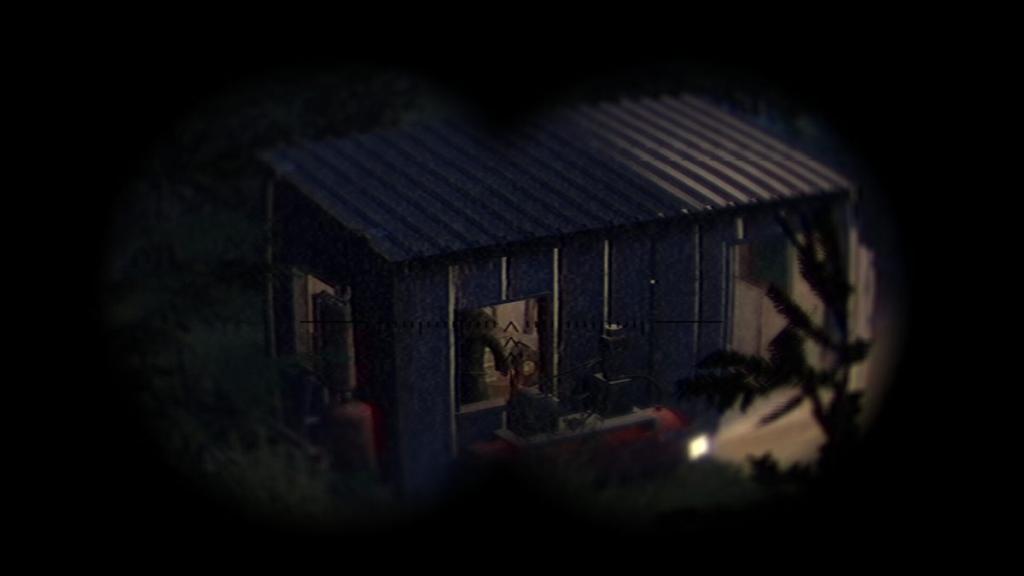
Even within the episodes, there are moments where the narrative requires a suspension of disbelief, acknowledging the limitations of pure realism. For example, in "Home Alone," the visual inconsistency of a home invader seemingly teleporting from within the house to the front door is a clear dramatization. These instances, while breaking the illusion of absolute factual accuracy, are often employed to enhance the jump scares and overall unsettling atmosphere, serving the game’s primary purpose of terrifying the player.
Ultimately, Fears to Fathom achieves its chilling effect not by presenting unvarnished truth, but by crafting realistic tales that resonate with our deepest anxieties. Whether rayll meticulously vets player submissions, uses them as springboards for creative narratives, or draws inspiration from online communities, the result is a series that effectively simulates the dread of real-life horror. The game’s strength lies in its ability to make players feel as though they are navigating plausible nightmares, a testament to the power of well-executed horror, regardless of its precise factual origins. The inherent creepiness of Fears to Fathom remains potent, inviting players to confront their fears in a virtual space that feels disturbingly close to home.