


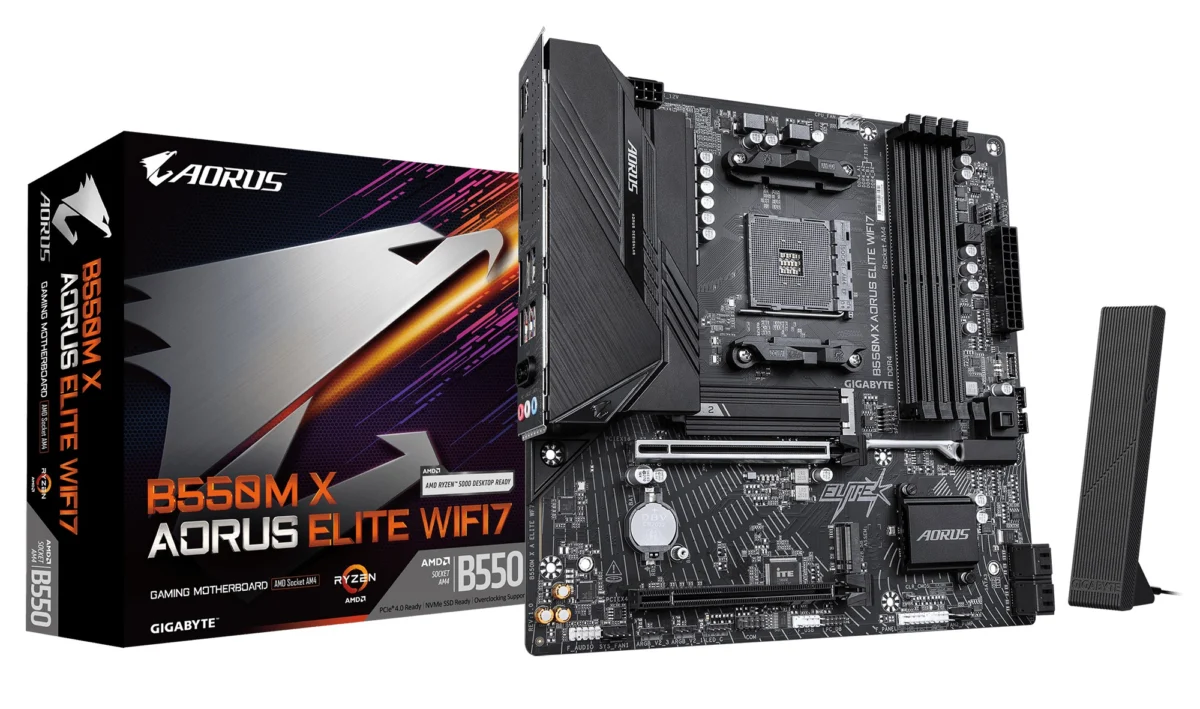
PC gaming communities and enthusiast forums have been abuzz this week following a concerning report originating from a prominent Chinese industry forum, Boards Channels, which suggests that the cost of PC motherboards could experience a substantial rise in the near future. This potential increase, attributed to escalating material and component costs, threatens to further strain the budgets of PC builders and upgraders already grappling with unprecedented price surges in other critical hardware segments. The news, quickly disseminated by influential tech media outlets such as VideoCardz, Guru3D, and Digital Foundry, paints a stark picture for the future of PC component pricing, with industry experts corroborating the likelihood of such an event.
The initial alarm was sounded by a report circulated on Boards Channels, a forum known for its insights into the electronics supply chain in Asia. Although the original link to the report (http://www.boardchannels.com.cn/thread-132900-1-1.html) appears to be non-functional, screenshots of its content swiftly made their way across the internet, sparking widespread discussion. These screenshots indicate that major Taiwanese motherboard manufacturers, including industry titans ASUS, Gigabyte, and MSI, are anticipating significant increases in their production costs. The report specifically suggested that material costs could climb by as much as 50% in the coming months, necessitating a corresponding hike in consumer prices, potentially impacting the market as early as Q3 2026. While the direct source link is no longer accessible, the consistent reporting by multiple reputable tech news sites lends considerable weight to the claims, indicating that the information likely originated from a credible, albeit temporarily available, industry intelligence brief.
This development is not an isolated incident but rather the latest in a series of price escalations that have plagued the PC hardware market over the past year. Consumers, particularly PC gamers and DIY enthusiasts, have already witnessed dramatic cost jumps for essential components like hard drives and solid-state drives (SSDs). More significantly, the market has endured what some analysts have dubbed "RAMageddon," a period characterized by massive price increases for Random Access Memory (RAM). These previous surges have been largely attributed to the insatiable demand from AI data centers, which are voraciously consuming high-bandwidth memory (HBM) and high-capacity DDR5 modules, alongside specialized high-performance storage solutions. The ripple effect of this demand has constrained supply across the entire memory and storage ecosystem, pushing up prices for consumer-grade products. Experts consulted by CNET on the matter have emphasized that the implications of the Boards Channels report for motherboard pricing are not only credible given current market dynamics but also highly likely to materialize, further exacerbating the financial burden on consumers.
The Precedent: "RAMageddon" and the AI Data Center Effect
To fully grasp the potential impact of rising motherboard prices, it’s crucial to understand the context set by previous market disruptions. The term "RAMageddon" encapsulates the dramatic shift in memory pricing observed throughout the past year. This phenomenon is directly tied to the explosive growth of artificial intelligence, particularly large language models (LLMs) and complex machine learning applications. These cutting-edge AI technologies require immense computational power and, critically, vast amounts of high-speed memory to process and store their gargantuan datasets.
AI data centers, operated by tech giants and cloud service providers, are aggressively procuring HBM and the most advanced DDR5 memory modules. HBM, in particular, offers significantly higher bandwidth compared to traditional DDR memory, making it ideal for the parallel processing demands of AI accelerators. The massive scale of these procurements has created an unprecedented demand shock, leading to supply shortages and subsequent price hikes across the entire memory market. While consumer PCs typically use standard DDR4 or DDR5 RAM, the manufacturing capacity for all types of memory is interconnected. When a significant portion of production is diverted or optimized for high-demand, high-margin AI components, the supply for general consumer products tightens, leading to upward price pressure. Some market analyses indicated increases of 30-50% for certain DDR5 modules and even higher for specific SSD capacities over the last 12-18 months, underscoring the severity of the AI-driven demand shock.
Understanding the Motherboard’s Role and Its Vulnerabilities
The motherboard serves as the central nervous system of any PC, integrating and enabling communication between all other components, including the CPU, GPU, RAM, storage drives, and peripherals. Its intricate design involves multiple layers of printed circuit boards (PCBs), a complex array of chipsets, capacitors, resistors, connectors, and various integrated circuits. Each of these elements relies on a diverse range of raw materials and sophisticated manufacturing processes.
This inherent complexity makes motherboards particularly susceptible to cost fluctuations in raw materials and component markets. A price increase in even a seemingly minor component or material can have a cascading effect on the final product cost. Therefore, any disruption affecting the broader electronics supply chain, from raw material extraction to final assembly, will inevitably impact motherboard pricing.
Multi-faceted Drivers Behind the Anticipated Price Increases
Analysts and industry experts point to a confluence of factors contributing to the expected rise in motherboard prices, extending beyond just the direct competition for memory and storage. These drivers create a challenging environment for manufacturers and consumers alike.
1. The Pervasive AI Data Boom: While "RAMageddon" highlighted memory and storage, the AI data boom’s influence is far more pervasive. The construction and expansion of AI data centers require not only vast quantities of memory and storage but also specialized server motherboards, high-performance power delivery components, advanced cooling solutions, and robust networking hardware. This creates a generalized demand for practically all electronic components, as production capacities are strained across the board. Manufacturers of consumer-grade motherboards often draw from the same pool of raw materials and basic components (like capacitors, resistors, and basic logic chips) as those producing for the enterprise AI sector. This overarching demand fundamentally shifts the supply-demand equilibrium, pushing up input costs for all players.
2. Raw Material Scarcity and Escalating Costs:
- Copper: A critical component in PCBs, copper is essential for the electrical traces that connect various components on the motherboard. Global demand for copper has been on a steady rise, driven by electrification efforts (electric vehicles, renewable energy infrastructure), urban development, and continued expansion of the electronics industry. Supply, however, is often constrained by mining capacity, environmental regulations, labor issues, and the sheer time it takes to bring new mines online. Cassandra Cummings, CEO of Thomas Instrumentation Inc., a prominent electronics design and manufacturing company, succinctly articulated this interconnectedness: "You can’t make PC motherboards without memory chips or copper, so its base pricing will follow what’s happening in those markets."
- Chemicals and Resins: The manufacturing of PCBs and various electronic components relies heavily on specialized chemicals and resins. Cummings specifically highlighted the reduced supply of chemicals manufactured in parts of the Middle East. These chemicals are integral to the etching, plating, and bonding processes involved in creating multi-layered circuit boards. Disruptions in the supply chain for these specialized chemicals directly impact production costs and throughput.
- Energy and Logistics: The manufacturing of electronic components is energy-intensive. Global energy price volatility, particularly for oil and natural gas, directly translates into higher operational costs for factories. Furthermore, international shipping logistics, already strained by post-pandemic recovery and geopolitical events, add significantly to the cost of moving raw materials and finished goods across continents.
3. Geopolitical Instability and Supply Chain Vulnerabilities: The global geopolitical landscape plays an increasingly critical role in supply chain stability. Cummings explicitly mentioned the "war in Iran" as a factor hurting supply chains. While specific details of direct factory damage or disruptions might be localized, broader conflicts in critical regions like the Middle East have wider implications. They can disrupt shipping lanes (e.g., attacks in the Red Sea), inflate insurance costs, create uncertainty in energy markets, and affect the availability of specific raw materials or chemicals originating from or transiting through these areas. Such instability adds layers of cost and risk to global manufacturing operations.
4. Competition with Large PC Makers: Gaming enthusiasts and DIY builders often find themselves competing for components with large-scale PC manufacturers like Dell and Apple. These corporate giants benefit from volume purchasing agreements, often securing long-term contracts for components at preferential rates. They also have the financial capacity to build stockpiles of essential components in anticipation of price shifts or supply disruptions. This gives them a significant advantage over individual consumers or smaller custom PC builders, potentially limiting the availability of certain components or driving up spot market prices.
Joshua Goshorn, Senior Director at Quandary Peak Research, lent further credibility to the Boards Channels report, stating, "With so much demand generally for PCBs (printed circuit boards) and materials and processes needed to create the PC motherboard, it seems reasonable that the cost of the PC motherboard from MSI, ASUS, etc. will increase." His assessment underscores the foundational pressure on PCB manufacturing, which forms the bedrock of every motherboard.
Analyzing the Implications and Market Outlook
While Goshorn believes the anticipated motherboard cost increases might be "modest" compared to the dramatic surges seen in RAM and hard drive prices, any increase is significant for consumers already facing higher overall build costs. A 5-10% rise on a $200-$500 motherboard translates to an additional $10-$50, which, when combined with elevated prices for memory, storage, and potentially graphics cards, pushes the total cost of a new PC build or upgrade considerably higher.
The impact will be felt across various segments of the PC market:
- DIY Builders and Upgraders: This segment is perhaps the most vulnerable. Lacking the bulk purchasing power of OEMs, individual consumers will directly bear the brunt of any price hikes. This could lead to longer upgrade cycles, compromises on component quality, or a shift towards less expensive, pre-built systems.
- Custom PC Manufacturers: Companies like Maingear, which specialize in building high-performance custom PCs, also face significant challenges. While they have more purchasing leverage than individual consumers, they are still exposed to fluctuating component costs. William Santos, CEO at Maingear, confirmed that while "Motherboards have stayed relatively flat" compared to storage and memory thus far, the trend is ominous. His advice to consumers to "act sooner rather than later to avoid the next component cost increase" reflects an industry-wide sentiment that waiting is no longer a viable strategy in this volatile market.
- The Broader Tech Industry: Sustained price increases in core components like motherboards could dampen overall PC sales, affecting not just hardware manufacturers but also software developers, peripheral makers, and retailers. It could accelerate the shift towards alternative computing platforms or cloud-based solutions if traditional PC ownership becomes prohibitively expensive for a segment of the market.
Goshorn’s observation that "production of circuit boards is continuing to ramp up" offers a glimmer of hope for supply, but he quickly tempers expectations, adding, "I don’t believe that pricing relief to the consumer will come any time soon." This suggests that even if supply catches up with demand to some extent, the underlying cost of raw materials and the complexities of the global supply chain will continue to exert upward pressure on prices.
Conclusion: A Challenging Horizon for PC Enthusiasts
The potential rise in PC motherboard prices, as indicated by the Boards Channels report and corroborated by industry experts, marks another significant challenge for the PC hardware market. Driven by the relentless demand from AI data centers, escalating raw material costs (especially copper and specialized chemicals), and geopolitical instabilities affecting supply chains, this trend appears to be deeply entrenched. While the exact magnitude and timing of these increases remain subject to market dynamics, the consensus among analysts is that they are highly probable.
For consumers planning a new PC build or an upgrade, the message from industry leaders like Maingear is clear: procrastination may prove costly. The era of stable, predictable PC component pricing seems to be a relic of the past, replaced by a volatile landscape where anticipating and reacting to market shifts is paramount. As the digital world continues its rapid evolution, fueled by AI and increasingly complex technologies, the fundamental components that power our personal computers will likely reflect the growing economic and logistical pressures of a globally interconnected, yet increasingly unpredictable, supply chain. The coming quarters will be critical in observing how these anticipated price adjustments unfold and reshape the landscape for PC enthusiasts and the broader technology sector.