

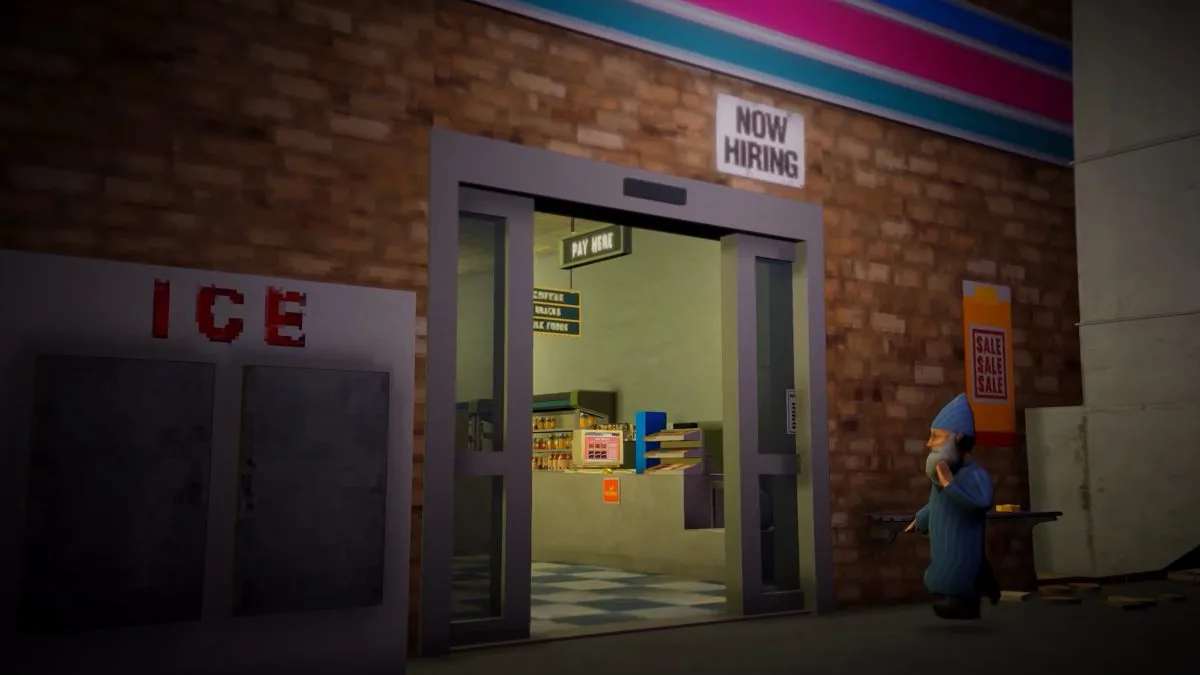
The increasingly surreal landscape of the late-night convenience store simulation game, Shift at Midnight, takes a sharp turn towards outright pandemonium with the introduction of Norbert, a character whose presence is not merely an anomaly but a direct catalyst for escalating disarray. While the game’s core premise centers on managing a store and discerning genuine customers from insidious doppelgangers, Norbert operates outside these established parameters, acting as an independent variable that injects a unique brand of unpredictable chaos into every shift. His appearances, particularly in Story and Endless modes, are not just minor disruptions; they are meticulously orchestrated assaults on the player’s sanity and the store’s operational integrity. Understanding Norbert’s role is crucial for players aiming to navigate the game’s more challenging objectives, including unlocking the coveted True Ending.
Norbert’s Anomalous Nature: Beyond the Doppelganger Protocol
At first glance, Norbert exhibits several characteristics that strongly suggest he is a doppelganger, the primary antagonistic force in Shift at Midnight. Doppelgangers are entities designed to mimic human appearance and behavior, often with subtle yet discernible tells that betray their true nature. They aim to infiltrate the store, cause disruption, and ultimately lead to the player’s failure by undermining the store’s reputation or directly harming the player. However, Norbert deviates from this established doppelganger protocol in several critical ways, making him a unique and far more complex threat.
One of the most immediate indicators of Norbert’s strangeness is his behavior from the moment of his first interaction. Upon entering the store, he presents himself with an air of familiarity, often positioning himself behind the counter as if he is an employee. This behavior is highly irregular for a customer, let alone a doppelganger, who are typically focused on covert infiltration and deception. Furthermore, Norbert consistently evades direct questioning, offering no coherent responses when addressed by the player. This unresponsiveness is a hallmark of doppelgangers, who are programmed to avoid revealing their true nature through conversation.
The most significant divergence from the doppelganger playbook, however, lies in the consequences of interacting with Norbert. Standard doppelgangers, when identified and subsequently dealt with—either through shooting or outright elimination—trigger a specific response from the game’s overarching system. This response typically involves the appearance of one of the game’s five distinct entity types at the end of the player’s shift. These entities are manifestations of the doppelgangers’ failed infiltration attempts, serving as a direct consequence for the player’s actions. In stark contrast, harming or attempting to kill Norbert does not result in the expected doppelganger spawn. Instead, it initiates a cascade of unpredictable and often absurd events. This absence of a predictable reprisal, coupled with the introduction of novel forms of disruption, signifies that Norbert is not a standard doppelganger but a force operating on a different, more chaotic, axis.
A Chronology of Chaos: Norbert’s Unpredictable Interventions
Norbert’s disruptions are not confined to a single encounter. He is programmed to reappear throughout subsequent shifts, each time with a new arsenal of tactics designed to destabilize the player’s operations. These interventions can manifest in a variety of ways, all aimed at diminishing the store’s efficacy and the player’s success:
- Reputational Damage: Norbert frequently endeavors to tarnish the store’s reputation. This can range from petty vandalism to more elaborate schemes that undermine customer trust.
- Financial Sabotage: He actively seeks to reduce the bonuses and incentives that players can earn during their shifts. This directly impacts the player’s progression and resource management.
- Unconventional Tactics: Norbert employs a repertoire of disruptive activities that defy conventional store management. These have been observed to include:
- Motorcycle Mayhem: Riding a motorcycle through the aisles of the store, creating a spectacle and potentially damaging merchandise or startling customers.
- Illegal Lemonade Stand: Setting up a lemonade stand without the necessary permits, a move that not only constitutes a regulatory violation but also poses a health risk if the lemonade is contaminated. This act of blatant disregard for established rules further emphasizes Norbert’s anarchic nature.
- Camouflaged Infiltration: Disguising himself as a regular customer. While his true identity might be masked to the casual observer, the player’s "Scanner" tool, a crucial diagnostic device in Shift at Midnight, can reveal his presence. This tactic forces the player to remain vigilant and utilize all available resources to identify threats.
The game’s mechanics indicate a clear trigger for Norbert’s most aggressive actions: any form of harm inflicted upon him. When provoked, Norbert escalates his efforts, moving beyond mere disruption to actively manipulate the player. He will attempt to coerce the player into harming innocent customers or will directly target the player, seeking to inflict harm. This aggressive response transforms Norbert from a nuisance into a direct threat, an "unkillable maniacally laughing force of nature," as described within the game’s lore. His laughter, a recurring auditory cue, amplifies his malevolent and unpredictable persona, solidifying his status as a unique antagonist.
Strategic Implications: Navigating Norbert for Optimal Outcomes
The presence of Norbert introduces a significant strategic layer to Shift at Midnight, particularly for players with specific objectives. For content creators aiming to generate entertaining gameplay with high levels of unpredictability and emergent chaos, deliberately antagonizing Norbert is often the preferred course of action. His reactions provide a constant source of unexpected events, making for dynamic and engaging video content.
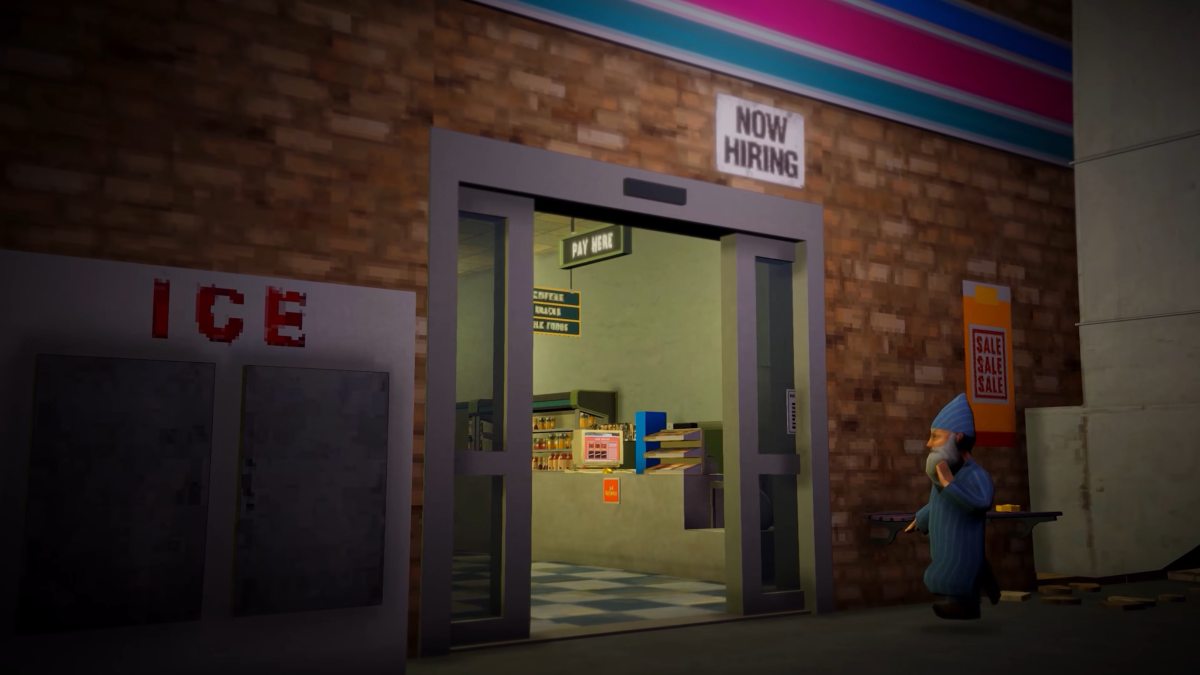
However, for players striving to achieve the game’s most elusive and rewarding outcome, the True Ending, a completely different approach is necessitated. Unlocking the True Ending requires a nuanced understanding of the game’s systems and a willingness to engage with its narrative on a deeper level. In this context, the optimal strategy for dealing with Norbert is not confrontation, but rather compliance.
The game’s design suggests that serving Norbert when he first appears and allowing his transaction to complete without incident is a critical step towards achieving the True Ending. By accepting Norbert’s presence and fulfilling his request, players avoid triggering his retaliatory chaos. More importantly, this act of appeasement appears to have a positive long-term impact on the player’s journey towards the True Ending. This suggests that Norbert, despite his chaotic tendencies, may represent a necessary hurdle or a symbolic gatekeeper within the game’s narrative, and overcoming him through unconventional means is key to progressing. Therefore, the recommended course of action for those seeking the True Ending is to "enjoy his little run, complete his transaction, and let him go on his merry way," a stark contrast to the typical doppelganger confrontation.
Background Context and Broader Implications
The introduction of a character like Norbert in Shift at Midnight can be viewed within the broader context of game design trends that emphasize emergent gameplay and player agency. Games that incorporate unpredictable elements and allow for a wide range of player choices often foster deeper engagement and replayability. Norbert’s character design, which subverts established gameplay mechanics, serves to keep players on their toes and encourages experimentation with different approaches.
From a narrative perspective, Norbert’s existence raises questions about the nature of the doppelgangers and the world of Shift at Midnight. If Norbert is not a doppelganger in the traditional sense, what is he? Is he an anomaly, a glitch in the system, or perhaps a being from a different dimension that operates by its own set of rules? The game leaves these questions open to interpretation, adding a layer of mystery that enhances the player’s immersion.
The implications of Norbert’s presence extend beyond mere gameplay mechanics. His ability to sow discord and disrupt operations without adhering to the established rules of the game highlights the fragility of order and the ever-present potential for chaos. This can be seen as a metaphorical commentary on the challenges of maintaining stability and control in complex systems, whether they be virtual convenience stores or real-world organizations.
The contrasting strategies required to deal with Norbert—confrontation for entertainment versus appeasement for progression—also underscore the multifaceted nature of problem-solving. What might be an effective solution in one context can be detrimental in another. This teaches players to adapt their strategies based on their ultimate goals, a valuable lesson applicable beyond the digital realm.
The success of Shift at Midnight in creating such a memorable and impactful character as Norbert speaks to the power of intelligent game design. By introducing elements that challenge player expectations and reward thoughtful engagement, developers can create experiences that are not only fun but also thought-provoking. Norbert’s enduring presence as a source of both frustration and fascination for players is a testament to his effectiveness as an antagonist and a key component of Shift at Midnight‘s unique appeal. His role as the "perpetrator" of chaos, rather than just another doppelganger, ensures that each encounter with him remains a distinct and memorable event in the player’s journey through the surreal world of the late-night shift.