


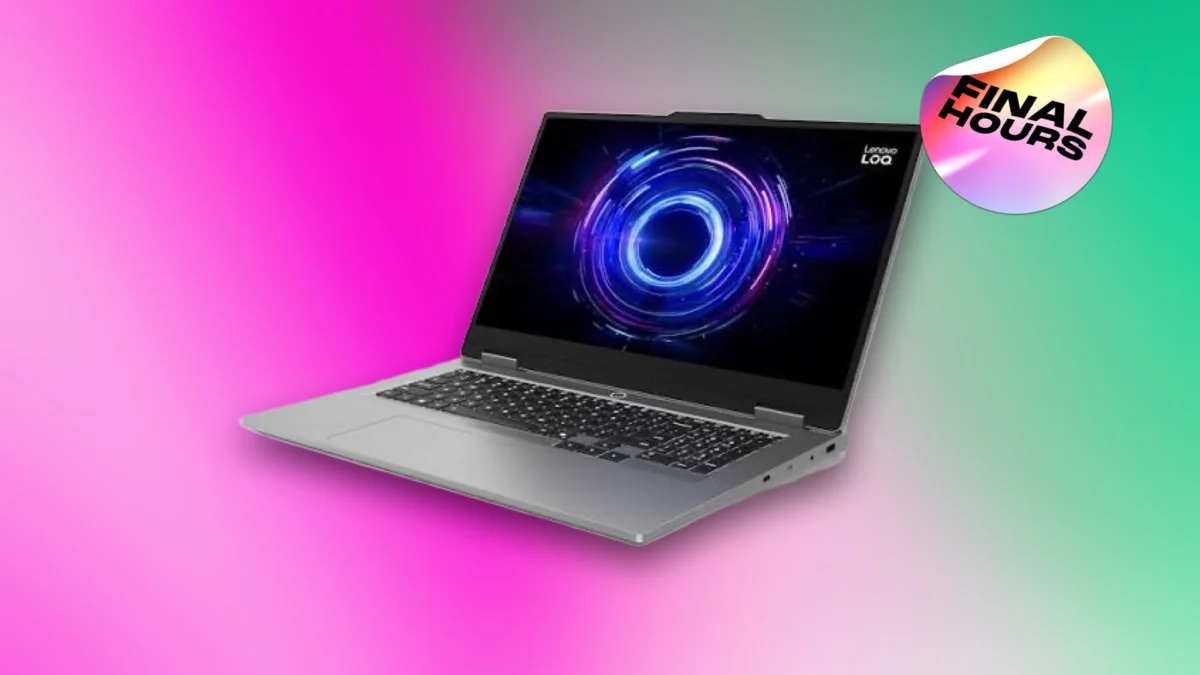
The 15.6-inch Lenovo LOQ 2K gaming laptop is currently available at a significantly reduced price of $1,199, marking an impressive 35% discount from its original retail price of $1,850. This substantial price drop translates to a savings of $651 for consumers, positioning the device as a compelling option for gamers seeking high-performance hardware without the premium cost typically associated with cutting-edge gaming machines. This flash sale, however, is highly time-sensitive, with the offer slated to conclude within a matter of hours, urging prospective buyers to act with considerable alacrity to secure the deal.
The Strategic Timing of a Significant Price Drop
The timing of this deep discount is particularly noteworthy within the dynamic landscape of the gaming hardware market. Gaming laptops, by their nature, are subject to rapid technological advancements and fluctuating price points, often driven by new product launches, component availability, and competitive market pressures. A 35% reduction on a relatively recent model, featuring a 13th Gen Intel Core i7 processor and a high-refresh-rate 2K display, suggests either an aggressive market positioning strategy by Lenovo, a tactical clearance event by Best Buy, or a combination of both, aimed at stimulating sales during a peak consumer purchasing period or in anticipation of newer models. For gamers whose current setups are struggling to meet the demands of contemporary titles, this opportunity presents a timely upgrade path.
Unpacking the Lenovo LOQ 15.6-inch 2K Gaming Laptop: Core Specifications
The Lenovo LOQ 15.6-inch model at the center of this promotion boasts a configuration designed to deliver robust gaming performance and efficient multitasking capabilities. At its heart lies the 13th Generation Intel Core i7-13650HX processor, a formidable mobile CPU from Intel’s Raptor Lake architecture. This processor is part of Intel’s high-performance HX series, characterized by a higher core count and thermal design power (TDP) compared to standard mobile CPUs, making it exceptionally well-suited for demanding tasks such as gaming, content creation, and intensive computational workloads. The i7-13650HX typically features a hybrid architecture with multiple Performance-cores (P-cores) and Efficient-cores (E-cores), allowing it to intelligently manage diverse workloads, prioritizing performance for critical applications while handling background tasks efficiently. This translates directly into smoother gameplay, faster loading times, and a more responsive overall user experience.
Complementing the powerful CPU is 16GB of DDR5 RAM. In the context of modern gaming and professional applications, 16GB of high-speed memory is considered the sweet spot, providing ample headroom for running multiple applications concurrently, handling large game assets, and facilitating seamless transitions between tasks without significant slowdowns. The presence of DDR5 RAM, the latest generation of synchronous dynamic random-access memory, further enhances performance with higher bandwidth and improved efficiency over previous DDR4 modules, contributing to the system’s overall snappiness and responsiveness.
For storage, the laptop is equipped with a 512GB Solid State Drive (SSD). While 512GB might be considered moderate for a dedicated gaming machine given the ever-increasing size of modern game installations (many AAA titles now exceed 100GB), it offers crucial advantages in terms of speed. As an NVMe SSD, it provides significantly faster boot times, application loading, and game level transitions compared to traditional hard disk drives (HDDs). The article also notes the expandability of both RAM and SSD, a critical feature for future-proofing and accommodating growing storage needs or performance upgrades down the line. This flexibility is a significant value-add for users who anticipate heavier usage or wish to extend the laptop’s lifespan.
The Enigma of the GPU: NVIDIA GeForce RTX 5060
One of the most intriguing aspects of the advertised specifications is the inclusion of an "NVIDIA GeForce RTX 5060" graphics card. From a journalistic perspective, this warrants immediate attention and clarification. As of the current market, NVIDIA’s latest publicly available consumer graphics card series is the GeForce RTX 40-series, based on the Ada Lovelace architecture. The RTX 50-series (codenamed "Blackwell") has not yet been officially announced or released by NVIDIA for consumer products.
Therefore, the mention of an "RTX 5060" in a widely available product listing is highly unusual and suggests a few possibilities:
- Typographical Error: The most probable explanation is a typo, and the intended GPU is actually an NVIDIA GeForce RTX 4060. The RTX 4060 is a current-generation mid-range GPU that would align well with the other specifications and the pricing tier of the Lenovo LOQ series. An RTX 4060 delivers excellent performance for 1080p and capable performance for 1440p gaming, especially with NVIDIA’s DLSS 3.0 technology.
- OEM-Specific Designation/Early Leak: Less likely, but conceivable, is that this is an early, unannounced OEM-specific variant or a premature leak of a next-generation component. However, such a significant component would typically be under strict embargo and not appear in a public sales listing without prior official announcement.
- Future-Proofing Placeholder: In some rare instances, manufacturers might use future-series numbers as placeholders, but this is uncommon for active sales.
Given the context, assuming the GPU delivers performance comparable to an RTX 4060 is a reasonable estimation for the consumer. An RTX 4060 would enable players to enjoy most modern games at the laptop’s native 2K (QHD) resolution with respectable frame rates, particularly when leveraging NVIDIA’s AI-powered upscaling technologies like DLSS. The presence of G-Sync and AMD FreeSync Premium support further enhances the gaming experience by synchronizing the display’s refresh rate with the GPU’s output, eliminating screen tearing and stuttering for a fluid visual presentation. This technical detail, regardless of the exact "5060" designation, underscores the laptop’s commitment to a high-quality visual experience. Prospective buyers are advised to seek confirmation of the exact GPU model from the retailer before purchase.
The Display: Visual Fidelity and Fluidity
The 15.6-inch 2K (QHD) display with a 144Hz refresh rate is a standout feature of this Lenovo LOQ model. A 2K resolution (typically 2560×1440 pixels) on a 15.6-inch screen provides a significantly sharper image compared to standard Full HD (1080p) displays, offering greater detail and clarity, which is especially beneficial in visually rich games and for productivity tasks. The 144Hz refresh rate is crucial for competitive gaming, allowing the screen to update 144 times per second. This higher refresh rate results in much smoother motion, reduced input lag, and a more responsive feel, giving players a distinct advantage in fast-paced titles. As noted by CNET expert Matt Elliott, "movement in games and movies looked smooth on the 144Hz," confirming its efficacy in real-world usage.
Expert Endorsement and Critical Assessment
CNET expert Matt Elliott’s review awarded the Lenovo LOQ 15 a commendable 7.5 out of 10, highlighting its strong value proposition. His assessment, "serves up modern components and good 3D performance for the price," directly addresses the core appeal of the LOQ series: delivering contemporary gaming capabilities at a more accessible price point than premium alternatives. Elliott further characterized it as an "old-school gaming laptop" that keeps the "widescreen tradition alive" while being powered by present-day technologies like Nvidia G-Sync and AMD FreeSync Premium. This description suggests a design philosophy that prioritizes functionality and performance over ultra-sleek, minimalist aesthetics, which can often drive up costs.
Strengths and User Experience
Elliott’s review detailed several key strengths beyond raw performance. The 13th Gen Intel Core i7 processor ensures that "heavy games" can run without significant lagging, a testament to its processing power. The combination of 16GB memory and a 512GB SSD contributes to a "snappy" system response and "smooth multitasking," vital for modern users who often juggle multiple applications. The smooth motion on the 144Hz display, as previously mentioned, enhances both gaming and multimedia consumption.
Beyond core components, the review praised the laptop’s practical aspects, including its "good battery" performance during testing—an often-overlooked but critical feature for mobile gaming devices, where power consumption can be high. The "roomy and comfortable keyboard" is another significant positive, as keyboard quality directly impacts gaming comfort and productivity during extended sessions. The expandability of RAM and SSD, allowing users to upgrade these components, was also highlighted as a valuable feature, adding to the laptop’s longevity and adaptability. This feature is particularly relevant as game sizes and system requirements continue to grow.
Areas for Improvement
However, Elliott’s review was not without its criticisms. He expressed reservations about the laptop’s design, which he found less impressive than some of its more aesthetically refined competitors. The absence of RGB keyboard backlighting, a feature common in many gaming laptops that allows for customizable lighting effects and enhances the "gaming" aesthetic, was also noted. While these are largely cosmetic concerns and do not impact raw performance, they can be important factors for gamers who prioritize visual flair and personalization in their setup. This reinforces the idea of the LOQ 15 being a more utilitarian, performance-focused machine, where the budget is allocated more towards internal hardware than external embellishments.
Strategic Positioning: A "Secondary Laptop Specifically for Gaming"
Elliott’s concluding recommendation that the LOQ 15 "is worth considering as a secondary laptop specifically for gaming" provides crucial insight into its market positioning. This suggests that while it excels in delivering gaming performance for its price, it might not be the ideal all-rounder for users who require a more versatile machine for a broader range of tasks beyond gaming, such as professional creative work, extensive travel, or those who demand a more premium build and aesthetic for daily use. For those seeking a more versatile gaming laptop that balances gaming prowess with other functionalities, he suggested alternatives like the Acer Nitro V 16S AI. This expert perspective helps potential buyers align their needs with the laptop’s strengths and limitations, ensuring they make an informed purchasing decision tailored to their primary use case.
Market Context and Lenovo’s LOQ Series
Lenovo’s LOQ series is strategically positioned as a more budget-friendly alternative to its premium Legion line of gaming laptops. While Legion devices often incorporate top-tier components, advanced cooling systems, and refined aesthetics, the LOQ series aims to deliver strong gaming performance by optimizing component selection and design to hit more aggressive price points. This approach makes high-performance gaming accessible to a broader audience, bridging the gap between entry-level and enthusiast-grade machines. The LOQ line is crucial for Lenovo to capture market share in the competitive mid-range gaming segment, where value for money is a primary driver for consumer decisions. This specific deal on the LOQ 15 underscores this strategy, offering exceptional value during a limited promotional window and expanding Lenovo’s reach within the diverse gaming community.
The Broader Gaming Laptop Market and Future Trends
The gaming laptop market continues to evolve at a rapid pace, driven by innovations in processor and graphics card technology, as well as increasing consumer demand for portable gaming solutions. Recent trends include the integration of AI-specific hardware (NPUs) in newer CPUs, enhancing performance for AI-driven tasks and potentially improving game performance through AI upscaling and other features. Displays are also seeing advancements, with higher refresh rates, better color accuracy, and the introduction of OLED panels becoming more common. The "2026" lists mentioned in the original article,