


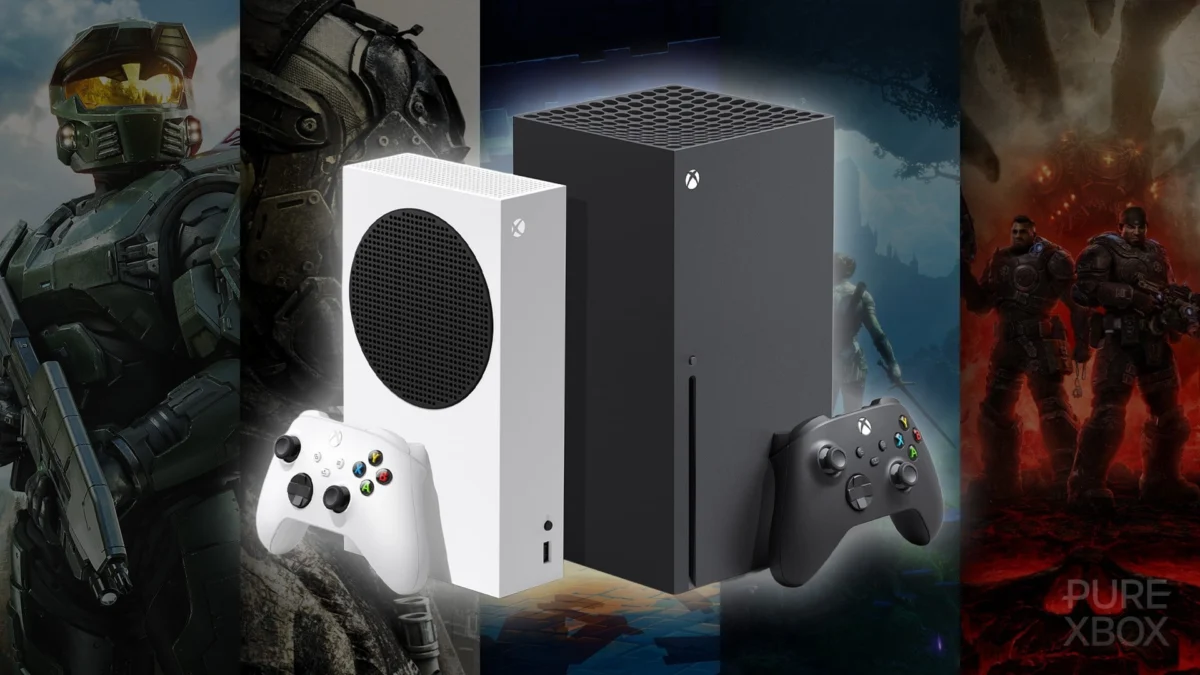
The global video game industry is grappling with unprecedented economic pressures, evidenced by Microsoft’s significant price hikes for its Xbox Series X|S consoles, which officially took effect on August 1st, 2026. Consumers in key markets including the UK, US, Canada, Europe, and Australia are now facing substantially higher costs for Xbox hardware, a move that reflects the escalating impact of a persistent component crisis and broader inflationary trends. The increases are particularly stark for the Xbox Series S, once positioned as Microsoft’s entry-level, affordable console, now seeing price surges of over 40% in some regions, fundamentally altering its market position and raising questions about console accessibility.
The Unfolding Economic Backdrop: A Persistent Component Crisis
The roots of the current pricing adjustments can be traced back to a confluence of global economic challenges that have profoundly impacted manufacturing and supply chains since the early 2020s. The initial disruptions caused by the COVID-19 pandemic, including factory shutdowns and logistics bottlenecks, severely constrained the supply of critical electronic components, particularly semiconductors. This shortage was exacerbated by a surge in demand for consumer electronics during lockdowns, creating an imbalance that continues to reverberate through industries reliant on these components.
By late 2024 and throughout 2025, the "component crisis" had evolved beyond just semiconductors to encompass a wider array of raw materials, memory chips, and even basic manufacturing inputs. Geopolitical tensions, rising energy costs, and increased labor expenses further compounded the problem, leading to a sustained period of elevated production costs for electronics manufacturers. Microsoft, like its competitors, has been transparent about these challenges. As early as June 2026, reports citing Xbox leadership indicated expectations for the component crisis to worsen into 2027, signaling that the current inflationary pressures on hardware were not a temporary blip but a protracted issue requiring strategic adjustments. Sources close to the company even suggested that despite previous console sales, Microsoft might still be losing money on each Xbox Series X|S unit sold, making price revisions a necessary step to mitigate ongoing financial losses.
A Chronology of Escalating Costs in the Console Market
The gaming console market has seen a gradual but steady escalation in pricing throughout 2025 and 2026, driven by these pervasive economic factors. The timeline of these price adjustments underscores an industry-wide struggle to maintain traditional price points amidst soaring production and distribution costs:
- May 1st, 2025: The last widely reported stable pricing for Xbox Series X|S consoles. These figures serve as the baseline against which the current increases are measured, reflecting a period before the most severe impacts of the component crisis and global inflation fully manifested in consumer pricing.
- April 2026: Sony initiated similar price hikes for its PlayStation 5 hardware in various global markets. This move by a direct competitor set a precedent, indicating that the pressures were not unique to Microsoft but rather an industry-wide phenomenon. PlayStation’s adjustments were met with similar consumer disappointment but were largely understood within the context of the broader economic climate.
- August 1st, 2026: Microsoft’s official implementation date for the new Xbox Series X|S console prices. This marks a pivotal moment, solidifying the trend of higher-cost console gaming across major platforms.
- September 1st, 2026 (Expected): Nintendo is anticipated to follow suit, with analysts widely predicting price increases for its Switch console line-up. Should this occur, it would complete a trifecta of price adjustments across all three major console manufacturers, confirming the systemic nature of the current market conditions.
Detailed Breakdown of Xbox Price Adjustments

The magnitude of the price increases varies by region and console model, but the overall trend is one of significant escalation. Below is a detailed comparison of the old prices (effective May 1st, 2025) versus the new prices (effective August 1st, 2026) across five key global markets: the UK, US, Europe (EU), Canada (CAN), and Australia (AU).
Old Prices (From May 1st, 2025)
| Xbox Hardware | UK | US | EU | CAN | AU |
|---|---|---|---|---|---|
| Xbox Series S (512GB) | £299.99 | $399.99 | €349.99 | $449.99 | $549.00 |
| Xbox Series S (1TB) | £349.99 | $449.99 | €399.99 | $529.99 | $599.00 |
| Xbox Series X (1TB, Digital) | £449.99 | $599.99 | €549.99 | $679.99 | $749.00 |
| Xbox Series X (1TB, Disc) | £499.99 | $649.99 | €599.99 | $729.99 | $849.00 |
New Prices (As Of August 1st, 2026)
| Xbox Hardware | UK | US | EU | CAN | AU |
|---|---|---|---|---|---|
| Xbox Series S (512GB) | £429.99 | $499.99 | €499.99 | $649.99 | $699.00 |
| Xbox Series S (1TB) | £519.99 | $599.99 | €599.99 | $749.99 | $849.00 |
| Xbox Series X (1TB, Digital) | £619.99 | $749.99 | €749.99 | $949.99 | $999.00 |
| Xbox Series X (1TB, Disc) | £669.99 | $799.99 | €799.99 | $999.99 | $1,099.00 |
Analysis of Price Increases
The data reveals substantial increases across the board. The Xbox Series S, initially conceived as an accessible entry point into the next-generation ecosystem, has seen some of the most dramatic percentage jumps. For instance:
- UK Xbox Series S (512GB): Increased from £299.99 to £429.99, a hike of £130.00 or approximately 43.33%. This increase positions the Series S significantly above its former "budget-friendly" status, even surpassing the price of some handheld gaming PCs like the ROG Xbox Ally, which was recently observed at £379.99.
- EU Xbox Series S (1TB): Rose from €399.99 to €599.99, an increase of €200.00 or a staggering 50.00%. This makes the 1TB Series S as expensive as the original launch price of the PlayStation 5 Digital Edition in some markets.
- US Xbox Series X (1TB, Disc): Jumped from $649.99 to $799.99, an increase of $150.00 or approximately 23.08%. This pushes the flagship console closer to the $800 mark, a price point typically associated with high-end PCs or premium electronics.
- Australian Xbox Series X (1TB, Disc): Reached a new high of $1,099.00 from $849.00, an increase of $250.00 or 29.45%. This marks the first time a standard console has breached the AUD 1,000 threshold, representing a significant investment for Australian consumers.
These figures illustrate that the price adjustments are not minor inflationary tweaks but substantial re-evaluations of console pricing strategies in response to severe market conditions.
Statements and Industry Reactions
While Microsoft has not issued a fresh official statement specifically for the August 2026 price hikes, their prior communications provide context. Xbox leadership has consistently highlighted the challenges of component sourcing and manufacturing costs. Their emphasis on potential losses on console sales, even with price increases, suggests a difficult balancing act between maintaining profitability and keeping hardware accessible to consumers.

Industry analysts have largely corroborated this narrative. "The semiconductor shortage, coupled with rising energy and shipping costs, has created a perfect storm for hardware manufacturers," noted Emily Chen, a senior analyst at GlobalTech Insights. "Microsoft and Sony are responding to economic realities. While unpopular with consumers, these price adjustments are often necessary to sustain hardware divisions and future R&D in a highly competitive market."
Consumer reaction, as observed across online forums and social media, has been predictably negative, ranging from frustration over diminishing affordability to a sense of resignation. Many gamers express concern that console gaming, traditionally a more accessible alternative to high-end PC gaming, is becoming increasingly expensive, potentially alienating a segment of the market.
Broader Impact and Implications for the Gaming Ecosystem
The long-term implications of these widespread console price hikes are multifaceted, potentially reshaping market dynamics and consumer behavior:
- Decreased Hardware Adoption: Higher prices could deter new consumers from entering the current console generation or delay upgrades for existing players. This might lead to a prolonged lifespan for older hardware or a slower uptake rate for new models.
- Shift Towards Digital and Subscription Services: As hardware becomes more expensive, the value proposition of subscription services like Xbox Game Pass becomes even more pronounced. Game Pass offers access to a vast library of games without the immediate burden of high upfront game purchases, potentially shifting consumer focus from hardware ownership to service subscriptions. This could accelerate Microsoft’s strategic pivot towards a services-centric model.
- Enhanced Focus on Cloud Gaming: With the rising cost of local hardware, cloud gaming solutions could gain further traction. Services that allow gaming on less powerful, more affordable devices (like smart TVs or mobile phones) could become increasingly appealing as a cost-effective alternative to dedicated consoles.
- Market Consolidation and Innovation Challenges: For smaller hardware developers or those reliant on lower entry barriers, the increased cost of components and manufacturing could stifle innovation or make it harder to compete. The financial burden might lead to greater consolidation within the industry.
- Impact on Game Development: If the install base of current-generation consoles grows more slowly, game developers might be compelled to support cross-generation titles for longer, potentially limiting the technological ambition of new games designed exclusively for the latest hardware.
- Economic Disparity in Gaming: The "unaffordable" nature of consoles like the Series S, once a budget option, risks widening the economic disparity in gaming. Access to the latest gaming experiences could become increasingly limited to higher-income demographics, contrasting with the industry’s historical efforts to broaden its appeal.
Looking Ahead: Navigating an Uncertain Future
The current wave of console price increases underscores a challenging period for the video game industry. Manufacturers are navigating a complex economic landscape marked by persistent supply chain issues, inflation, and rising operational costs. While these adjustments are presented as necessary measures to ensure the long-term viability of hardware divisions, they undoubtedly place an additional burden on consumers already grappling with a higher cost of living.
The industry’s ability to "laugh through the pain" will depend on how quickly global economic conditions stabilize and whether innovations in manufacturing or new business models can offset the rising cost of entry. As Nintendo prepares for its own potential price adjustments, the message is clear: the era of consistently affordable, mass-market console gaming is facing its most significant test in recent memory, prompting both industry leaders and consumers to re-evaluate the true cost of next-generation entertainment. The path forward will likely involve a delicate balance between financial sustainability for companies and continued accessibility for a global audience of gamers.