


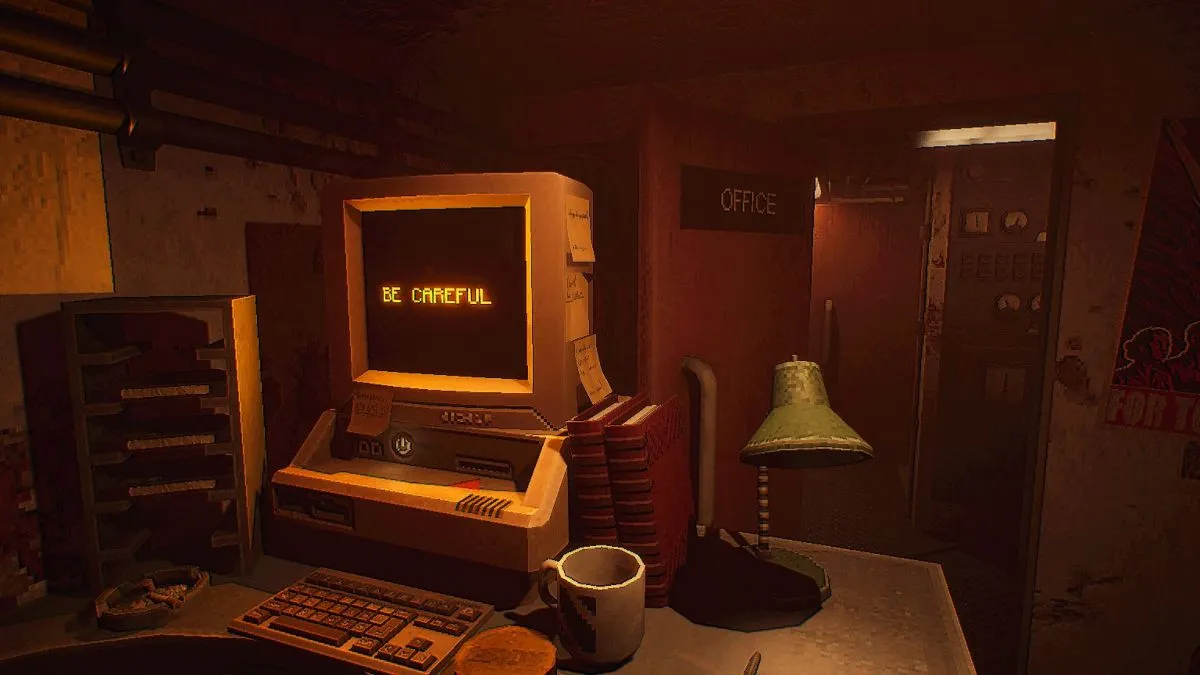
The chilling embrace of horror gaming often hinges on its ability to ensnare players in intricate challenges, testing not only their reflexes but also their intellect. In the latest unsettling offering, MOLE, this design philosophy is front and center. The game plunges players into a disorienting abyss, mirroring the unraveling psyche of its protagonist through a series of unique and demanding environmental puzzles. Eschewing hand-holding, MOLE adopts a design ethos reminiscent of the classic System Shock, compelling players to actively engage with their surroundings and decipher the cryptic logic embedded within the narrative. This guide aims to illuminate the solutions to these multifaceted puzzles, offering a clearer path toward uncovering the game’s enigmatic "masterpiece ending."
The Genesis of MOLE‘s Challenge
MOLE emerges from a growing trend in psychological horror that emphasizes environmental storytelling and player agency. Unlike many contemporary horror titles that rely on jump scares and predictable enemy encounters, MOLE leverages its puzzle design to build suspense and reflect the protagonist’s deteriorating mental state. The game’s developers have reportedly drawn inspiration from narrative-driven experiences where the environment itself becomes a character, laden with clues and obstacles that directly impact the player’s progression and understanding of the unfolding events. The core mechanic of "digging" deeper into the mystery, both literally and figuratively, is reinforced by the non-linear and often obscure nature of the puzzles. This approach is designed to foster a sense of isolation and vulnerability, making each solved puzzle a hard-won victory against the overwhelming odds and the internal turmoil of the main character.
Unraveling the Mysteries: A Puzzle-by-Puzzle Breakdown
The journey through MOLE is punctuated by a series of distinct puzzles, each requiring a unique approach and a keen eye for detail. These challenges are not merely roadblocks; they are integral components of the narrative, revealing facets of the protagonist’s past and the dire circumstances that have led to their current predicament.
The Fusebox Conundrum: Restoring Power to a Broken World
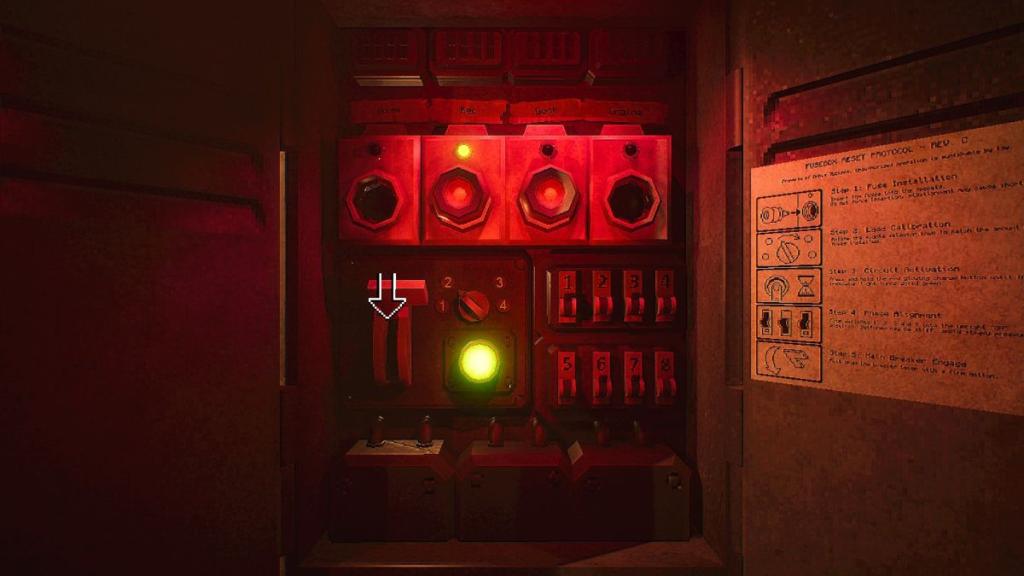
The initial hurdle players encounter in MOLE is the critical task of restoring power to various sectors of the derelict environment. This is achieved through the manipulation of a complex fusebox, a central hub that dictates the accessibility of new areas. Each relocation of a fuse is a strategic decision, directly influencing the game’s progression.
The Fusebox puzzle requires players to understand the flow of electricity and the specific needs of each sector. While the exact number of fuses may vary depending on the player’s current stage, the fundamental principle remains the same: judiciously connect fuses to power essential systems. The initial setup often involves identifying which sectors require immediate attention, typically indicated by dim lighting or inactive machinery. Players must then physically move fuses from a central supply or from less critical areas to activate the desired circuits. This process often involves a trial-and-error element, where incorrect connections might lead to temporary power outages or trigger minor environmental hazards. Successfully powering up a sector not only opens new pathways but also often reveals crucial narrative elements or supplies, such as notes, audio logs, or essential tools, that are vital for tackling subsequent challenges. The strategic placement of fuses is paramount, as it can influence the availability of power for future puzzles, underscoring the interconnectedness of the game’s systems.
The Phone Booth Enigma: Piecing Together a Fractured Memory
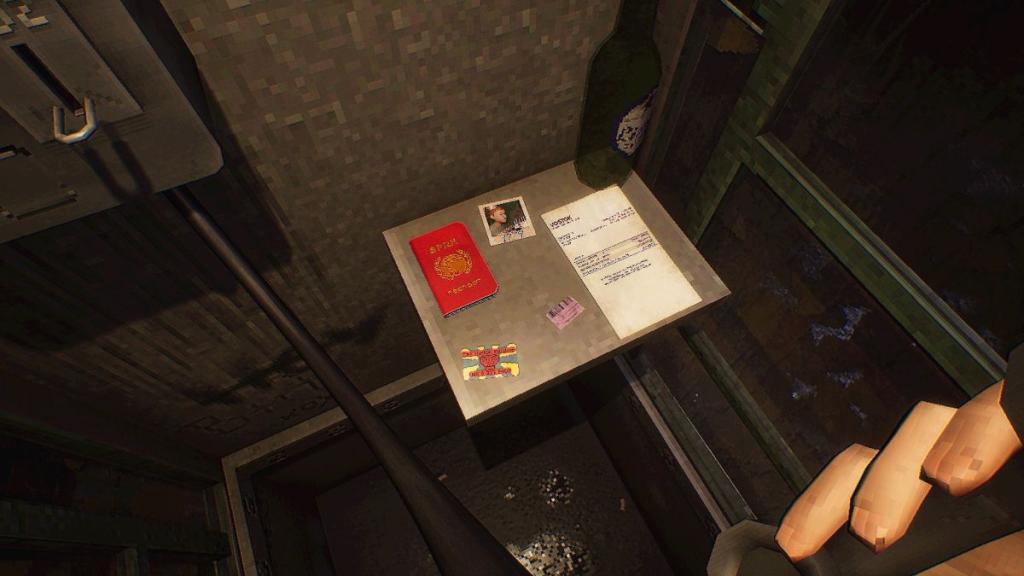
The Phone puzzle presents a more narrative-driven challenge, requiring players to assemble fragmented information to achieve a specific objective. The key to this puzzle lies entirely within the confines of a dilapidated phone booth, a seemingly mundane location that holds the secrets to initiating a critical transfer.
The objective here is to correctly input information related to "VOSTOK." All the necessary clues are presented within the phone booth itself, often disguised as personal effects or official documents. Players are tasked with organizing these items chronologically to reconstruct a sequence of events. For instance, examining photographs, invoices, and tickets can reveal dates, times, and locations. The "VOSTOK invoice" serves as a central piece of evidence, likely detailing a transaction or a scheduled event related to the protagonist’s past. The chronological ordering of these disparate pieces of information is essential for unlocking the next stage of the narrative, which might involve activating a communication device or initiating a clandestine operation. The puzzle cleverly uses environmental details to build a sense of personal history, forcing the player to empathize with the protagonist by piecing together their forgotten life. This methodical reconstruction of memories is a core thematic element, highlighting the fragility of identity when confronted with trauma.
The Engine Room’s Heartbeat: Revitalizing Dormant Machinery
The Engine puzzle tasks players with repairing critical machinery within the ship’s engine room. This section is particularly poignant as it is often associated with the discovery of the engineer, Bohdan Pluzhnik, and the remnants of his desperate efforts. The repairs required are multifaceted, demanding the use of specific tools and the retrieval of essential components.
- Ventilation Repair: The first step involves addressing the ventilation system. Players must locate a detached fan at the rear of the Engine section, amidst Pluzhnik’s scattered equipment. This fan, along with a screwdriver, is crucial for replacing a broken component in the engine room’s rear-right corner. The act of removing and fixing the fan symbolizes the restoration of vital life support, a stark contrast to the grim scene of Pluzhnik’s demise.
- Pump Restoration: To fix the pumps, players must access a crawlspace beneath the machinery. Here, a loose fuse will be found on the floor. However, an additional fuse is required, which must be retrieved from the Fusebox located in the "Rec" area. This salvaged fuse is then used to repair the pump mechanism, restoring the power to 100V. The game developers have reportedly advised players to retain the remaining fuses for future use in "Deck" and "Engine" areas, suggesting a strategic resource management aspect to the game.
- Coolant Leak: The final repair in the Engine section involves addressing a coolant leak. Players will need to acquire a Wrench from Pluzhnik’s workbench in the main Engine sector. Navigating past the crawlspace and crouching beneath the pipework leads to a small area where steam is visibly escaping from a loose pipe. The Wrench is then used to tighten the faulty bolt nut, effectively sealing the leak and completing the engine repairs. This task highlights the dangerous and volatile environment the protagonist navigates, where even basic maintenance can be a perilous undertaking.
The Hospital’s Silent Diagnosis: Navigating the Labyrinth of Records
The Hospital puzzle presents a unique challenge that blends environmental observation with a form of abstract deduction. The goal is to access a specific room and administer a critical procedure, but the path is obscured by a series of cryptic clues.
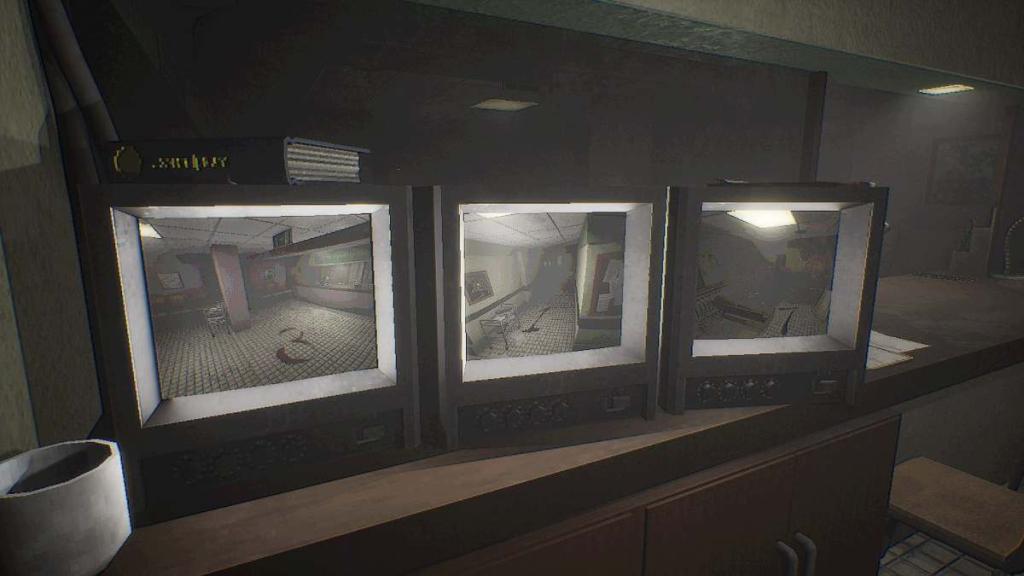
The puzzle begins behind the receptionist’s desk, where a monitor displays a breathing patient. This seemingly spectral presence is key, as interacting with the hospital bed in the lobby initiates the puzzle. The first digit, "3," is provided upon this initial interaction. Players must then locate the lounge at the back-right of the hospital wing, using the reception map for guidance. Interacting with the television in the lounge triggers an auditory cue—the sound of an invisible entity moving—further emphasizing the supernatural or disembodied nature of certain elements within the game. The ultimate goal is to reach room "311," which, upon investigation, reveals further clues. Returning to the receptionist desk and inputting the correct room number sequence, "3 1 7," unlocks the necessary key. This sequence is only revealed once the correct room number is identified and confirmed across multiple monitors. With the key in hand, players proceed to Petro’s hospital room. Here, the final task is to turn off life support, a procedure that enables the transfer of his memory to a VOSTOK cassette. The switches must be flipped in a precise order: 2-4-3-5-1, followed by deactivating the console. This sequence of actions suggests a critical medical procedure, potentially involving the extraction or preservation of consciousness.
The Torpedo Bay’s Deadly Dance: Launching a Calculated Strike
The Torpedo puzzle introduces an element of tactical maneuvering and precise execution. The objective is to successfully launch a torpedo at a designated target, requiring careful preparation and activation of the launch mechanism.
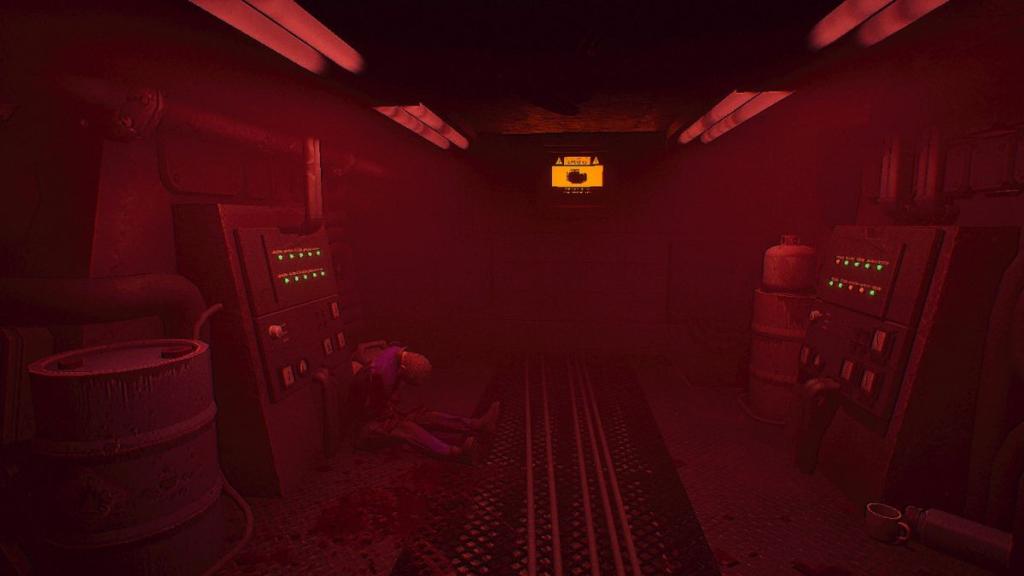
The initial step involves retrieving a key from within the room, which unlocks a locker containing the torpedoes in the engineer’s room, situated opposite the Engine section. The torpedo bay itself is the primary focus. Players must first manipulate a wheel to raise a metal prod that obstructs the torpedo pod. Following this, the arrow keys beneath the pod are used to disengage the lock mechanism. Once unlocked, the pod can be lifted, slid open, and a torpedo loaded. The process is then reversed to lower and seal the explosive. With the torpedo primed, the detonator becomes active. Players must consult the depth meter to track the torpedo’s trajectory towards its target. The detonator is then interacted with to initiate the launch sequence. The player must wait until the torpedo’s mark aligns with the target on the depth meter before interacting with the detonator a second time to detonate the explosive. This puzzle emphasizes precision and timing, reflecting a potentially critical military or defense operation within the game’s narrative.
The Gun Case’s Silent Secret: Unlocking a Necessary Tool
The Gun Case puzzle is presented as a relatively straightforward challenge, designed to provide the protagonist with a vital tool for survival or progression. The solution is directly hinted at by a note found on the case itself.
The note directs players to search the dormitories for numerical clues. Specifically, they must locate red sticky notes within the quarters of the Administrator, Navigator, Geologist, and Engineer. These four rooms represent the living spaces of MOLE’s team members. Each note contains a digit of the four-digit combination. Once all four digits are gathered, they must be compiled to form the correct code: 8 3 5 7. Unlocking the gun case provides the protagonist with a means to defend themselves or overcome certain environmental obstacles, indicating a shift towards more direct confrontation or problem-solving within the game’s evolving challenges.
The Mosaic’s Sacred Narrative: Assembling a Divine Chronicle
The Mosaic puzzle serves as the game’s ultimate challenge, a seemingly intricate yet potentially buggy final hurdle. This puzzle requires players to arrange religious mosaics in their correct order, guided by scripture found within each slot.
The core mechanic involves placing the religious mosaics of the "White Rabbit’s story" in sequence. This narrative is reportedly revealed in excerpts within the Cockpit as the player progresses through the game. Players are unable to drop items, meaning each placement is a commitment. The order of the mosaics, from left to right, is crucial. This narrative likely draws parallels to religious or mythological tales, with the "White Rabbit" potentially representing a divine messenger or a symbol of enlightenment. The game developers have hinted that humanity’s perception of the White Rabbit was that of an angel, suggesting a theme of divine intervention or a higher power guiding the protagonist. The correct arrangement of these mosaics signifies a full understanding of this sacred story, potentially unlocking the "masterpiece ending" and providing closure to the protagonist’s tumultuous journey.
Broader Implications and Player Experience
The intricate puzzle design in MOLE is not merely a gameplay mechanic; it serves as a profound narrative device. By forcing players to actively engage with the environment and decipher complex systems, the game fosters a deep sense of immersion and connection to the protagonist’s struggle. The gradual unveiling of solutions mirrors the protagonist’s own journey of rediscovering fragmented memories and understanding their dire situation.

The developers’ decision to implement challenging, non-linear puzzles, reminiscent of early survival horror titles, caters to a niche audience that appreciates intellectual engagement alongside atmospheric tension. This approach distinguishes MOLE in a market often saturated with more straightforward horror experiences. The potential for bugs in the final puzzle, as noted, highlights the ambitious scope of the game’s design, and players will likely hope for post-launch patches to ensure a seamless conclusion to their arduous journey.
The success of MOLE will ultimately hinge on its ability to balance its demanding puzzles with a compelling narrative and a palpable sense of dread. For players willing to delve into its depths, MOLE promises an unforgettable descent into the heart of psychological horror, where every solved puzzle is a step closer to understanding the fractured mind at its core.