


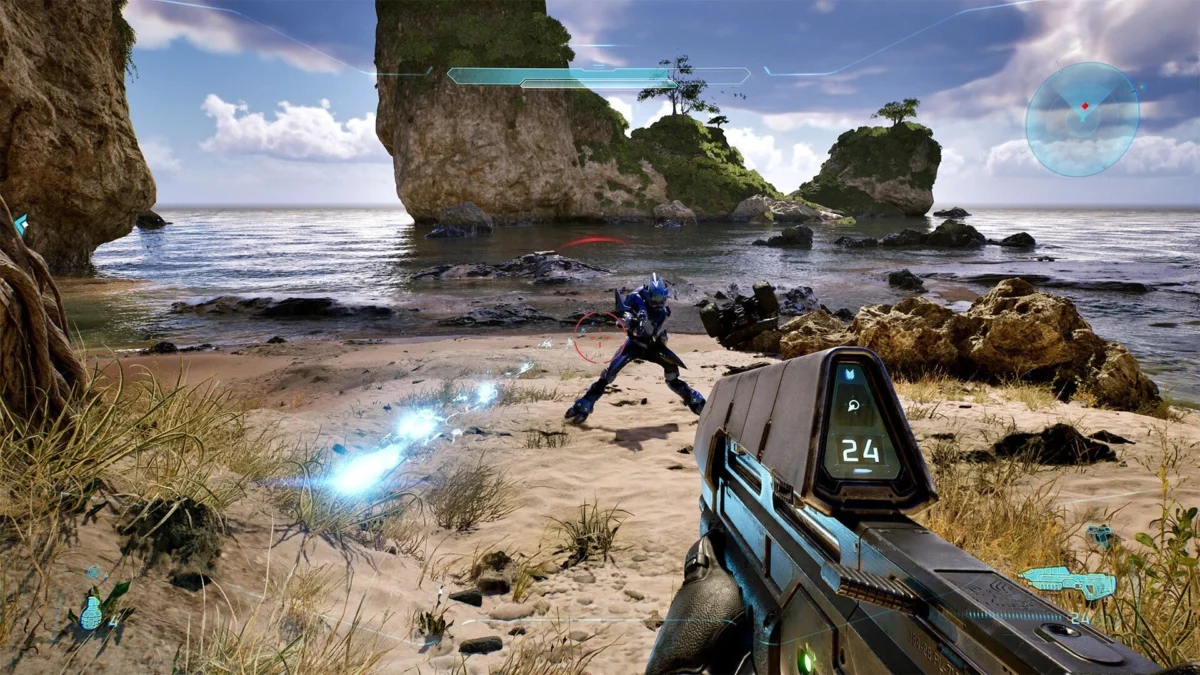
The upcoming launch of Halo: Campaign Evolved on July 28 marks a pivotal moment for Microsoft’s first-party software strategy, representing both a return to the roots of the Xbox brand and a continuation of the company’s evolving monetization tactics. While the official global release is scheduled for the end of the month, a significant portion of the player base is expected to begin their journey five days earlier. Through a tiered release structure that has become standard for Xbox Game Studios, players can gain entry to the game starting Thursday, July 23, provided they purchase specific high-tier versions or digital upgrades. This strategy, which effectively bridges the gap between traditional retail sales and subscription-based access, is currently under intense scrutiny by both industry analysts and the gaming community.
The Mechanics of Early Access and Pricing Tiers
The distribution of Halo: Campaign Evolved follows a bifurcated model designed to cater to different segments of the market, from dedicated enthusiasts to cost-conscious Xbox Game Pass subscribers. For those seeking the earliest possible entry, Microsoft has introduced two primary paths. The first is the Premium Edition, priced at £69.99 / $69.99. This package includes the base game, five days of early access, and a suite of digital bonuses, including an exclusive digital art book and unique character skins.
The second path, which has gained significant traction in recent years, is the Premium Edition Upgrade. Retailing for £20 / $20, this upgrade is specifically designed for players who intend to access the game via Xbox Game Pass Ultimate or PC Game Pass. By purchasing the upgrade, subscribers—who would otherwise have to wait until July 28—can unlock the early access window starting July 23. This model allows Microsoft to generate direct revenue from its subscription base, effectively turning a "free" Day One release into a premium transaction for those unwilling to wait.
The review embargo for Halo: Campaign Evolved is also set to lift on July 23, coinciding exactly with the start of the early access period. This synchronization ensures that the first wave of critical impressions and community discussions will hit social media and news outlets just as the first players are stepping into the game, creating a concentrated burst of marketing momentum.
Chronology of the Halo: Campaign Evolved Launch Cycle
The road to the July 28 release has been marked by several key milestones, reflecting a carefully managed marketing campaign intended to rebuild hype for the Halo franchise.
- June 2026: Microsoft officially reveals the details of the Premium Upgrade editions for its upcoming "Big Three" titles: Fable, Gears of War, and Halo: Campaign Evolved. This announcement confirmed the $20 price point for the early access upgrades.
- Early July 2026: Technical previews and "Behind the Scenes" developer diaries are released, focusing on the engine enhancements and narrative expansions included in "Campaign Evolved."
- July 20, 2026: Pre-loading becomes available for all digital pre-orders and Game Pass subscribers, allowing players to download the substantial file size ahead of the early access window.
- July 23, 2026 (12:01 AM local time): Early access officially begins for Premium Edition and Premium Upgrade owners. Simultaneously, professional reviews are published across global gaming media.
- July 28, 2026: The Standard Edition of the game launches globally. The game becomes available to all Xbox Game Pass and PC Game Pass subscribers without additional fees.
Data Trends and the Success of the Premium Upgrade Model
Microsoft’s decision to implement a $20 early access fee is not an isolated experiment but rather a data-driven evolution of a proven business model. Industry observers point to the recent launch of Forza Horizon 6 as a benchmark for this strategy’s success. During its early access window, internal data and leaderboard tracking suggested that hundreds of thousands, if not millions, of players opted into the premium tiers.
However, there is a notable difference in the value proposition between Forza and Halo. In the case of Forza Horizon 6, the premium upgrade included not only early access but also a "Car Pass" and two future expansions, providing long-term tangible value. For Halo: Campaign Evolved, the $20 price point covers the five-day window and cosmetic items, but does not currently include a roadmap for major story expansions. This has led to a lower entry price for the upgrade compared to the $35–$45 typically seen with Forza or Starfield, reflecting a recalibration of what the market is willing to pay for time-gated access alone.
Market research firms such as Circana (formerly NPD Group) have noted that "early access" has become one of the most effective conversion tools in the digital era. For a franchise as storied as Halo, the "Fear Of Missing Out" (FOMO) serves as a powerful motivator. In a landscape dominated by social media spoilers and live-streaming, the five-day head start is seen by many hardcore fans not as a luxury, but as a necessity to participate in the initial cultural conversation.
Industry and Community Reactions
The reaction to this "pay-to-play-early" model is polarized. From a corporate perspective, the strategy is a resounding success. It allows Microsoft to report high "Day One" engagement numbers on Game Pass while still capturing high-margin revenue from its most loyal fans. For a platform holder that has pivoted away from traditional console sales as its primary metric, these upgrades are essential for sustaining the high development costs of AAA titles.
Conversely, some segments of the gaming community have voiced concerns regarding the fragmentation of the player base. Critics argue that these release windows turn the "Official Release Date" into a secondary event, essentially penalizing those who choose to pay the standard price or rely on their existing subscriptions. On community forums and social media, the debate often centers on whether a five-day window is worth $20, with many arguing that the practice sets a problematic precedent for the industry.
Despite the criticism, the numbers suggest that the "silent majority" of consumers are increasingly accepting of this model. A poll conducted by Pure Xbox, which saw over 1,500 participants, indicated a significant split in intent. While a portion of the audience remains steadfast in waiting for the Game Pass launch, a substantial number of respondents indicated they had already secured early access, either through the full Premium Edition or the $20 upgrade path.
Broader Implications for the Xbox Ecosystem
The launch of Halo: Campaign Evolved is a litmus test for the future of Xbox’s first-party publishing. If the early access window for Halo matches or exceeds the engagement levels of previous titles, it is highly likely that this model will be applied to all future major releases, including the upcoming Fable and Gears of War titles.
Furthermore, this strategy highlights the evolving nature of the "Console Wars." By offering a way to monetize Game Pass users, Microsoft is creating a hybrid revenue stream that combines the stability of subscriptions with the high-impact bursts of traditional retail launches. This approach mitigates the risk of putting $200 million+ productions on a subscription service on day one.
From a technical standpoint, the early access period also serves as a "soft launch" for the game’s servers. By staggering the influx of players over five days, the developer can identify and rectify potential matchmaking or connectivity issues before the massive wave of general Game Pass subscribers arrives on July 28. This tiered rollout has become a common tactic for multiplayer-centric titles to ensure a smoother experience for the broader public.
Technical and Creative Expectations
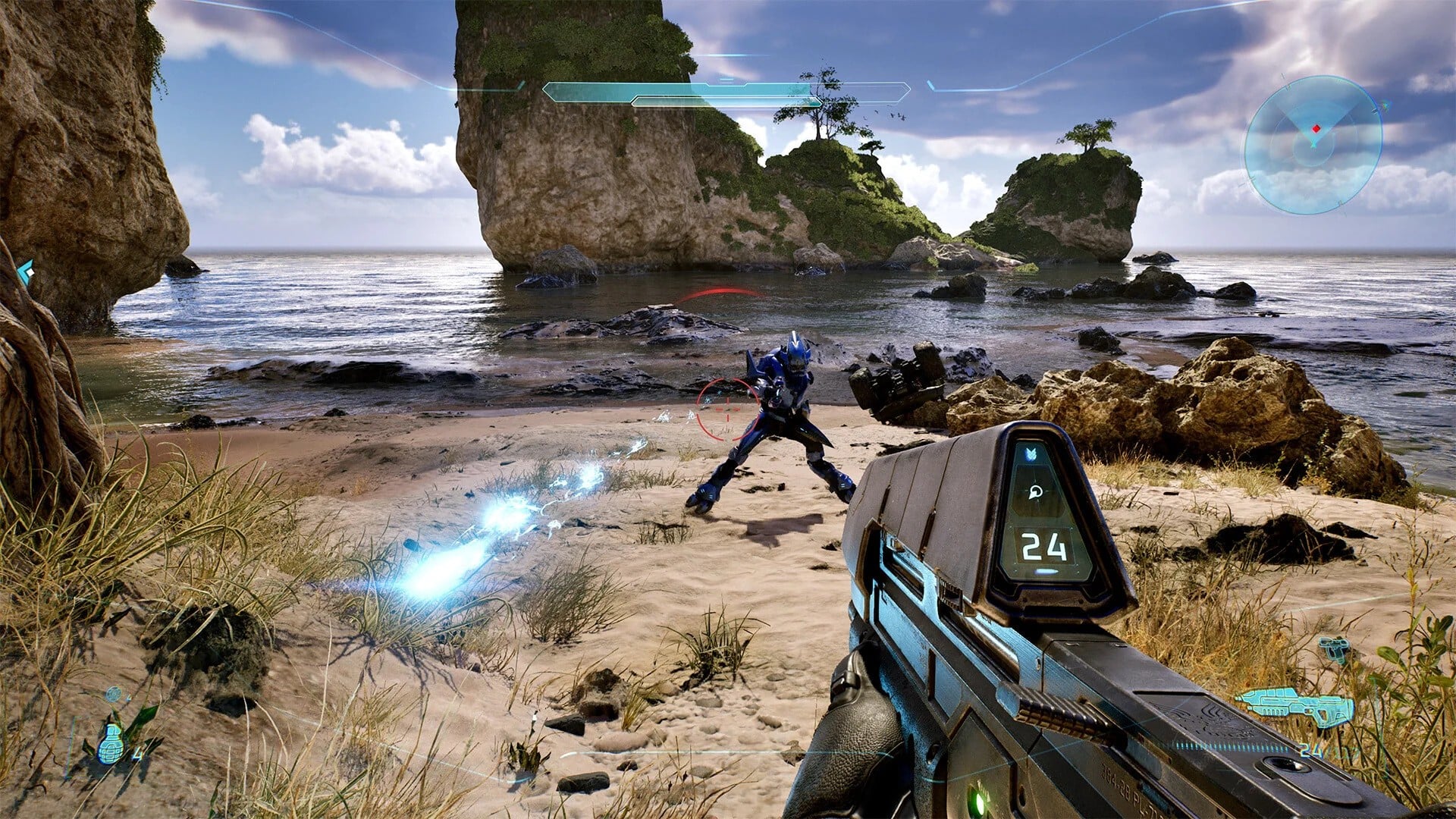
Halo: Campaign Evolved is not merely a re-release but is being positioned as a comprehensive reimagining of the core Halo experience. Built on the latest iteration of the Slipspace Engine, the game promises to leverage the full power of the Xbox Series X, targeting 4K resolution at 60 frames per second, with an optional 120Hz mode for competitive play.
The "Evolved" moniker suggests significant changes to the campaign structure, including larger, more open-ended environments and a revamped AI system that harkens back to the series’ origins while incorporating modern design sensibilities. For many fans, the $20 upgrade is a small price to pay to see if Microsoft and its development teams have successfully recaptured the "magic" that defined the franchise two decades ago.
As the industry moves toward July 23, all eyes will be on the critical reception. If the reviews are glowing, the number of Premium Upgrade purchases is expected to spike in the final hours before the early access window opens. If the reception is mixed, it will provide a fascinating case study on whether brand loyalty and the desire for early entry can overcome middling critical scores.
In conclusion, the release of Halo: Campaign Evolved is more than just the launch of a new game; it is a manifestation of the current state of the video game industry. It represents a world where release dates are fluid, where subscriptions are the foundation of the business, and where "early access" has become the new standard for the premium gaming experience. Whether players choose to jump in on July 23 or wait until July 28, the impact of this release strategy will be felt across the Xbox ecosystem for years to come.