


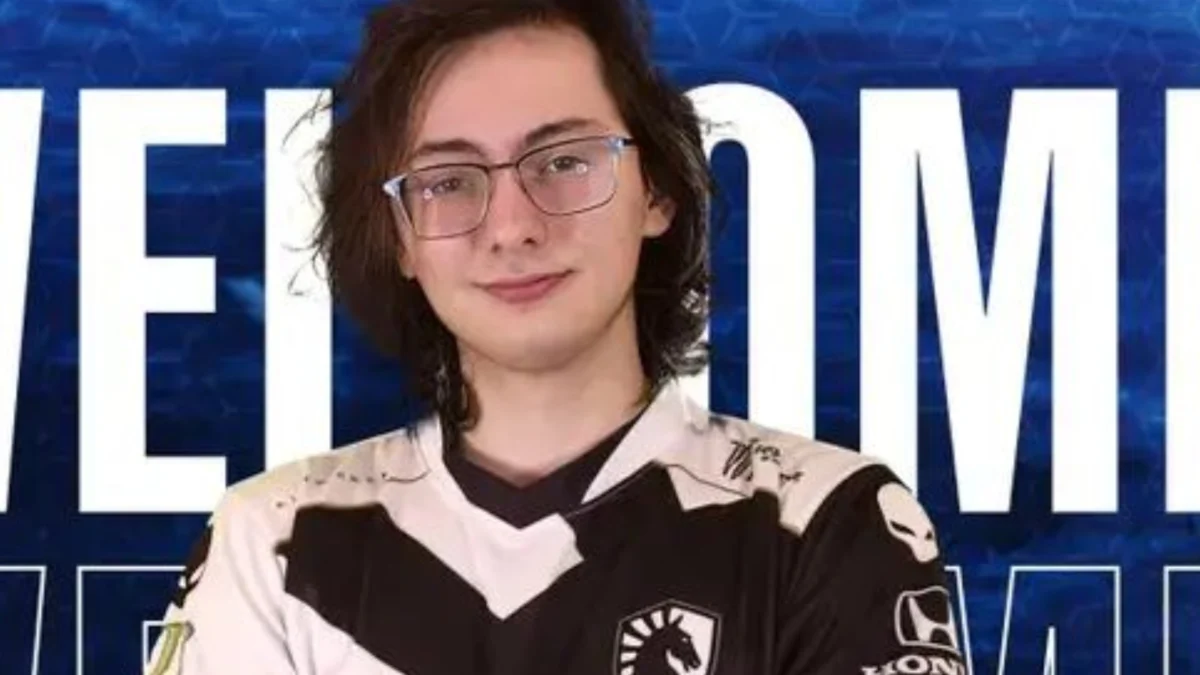
The Super Smash Bros. community in Georgia has taken a decisive stance against Ryan "L4st" Krichbaum, a prominent figure formerly associated with Team Liquid as a coach, tournament organizer, and commentator. Following a wave of serious allegations, Georgia Smash, the region’s primary organizing body, announced on May 11 an indefinite ban on Krichbaum from all sanctioned events. The decision stems from multiple complaints received by moderators, detailing accusations of rape, emotional abuse, manipulation, coercion, and various instances of sexual assault.
This announcement marks a significant escalation in addressing concerns that have been brewing within the competitive Smash Bros. scene. While Krichbaum had been privately banned from several Georgia-based tournaments throughout 2024 at the request of an accuser seeking to ensure their safety, the broader implications of these allegations were not publicly disclosed until this recent statement. Georgia Smash leadership explicitly stated that similar incidents involving Krichbaum have allegedly occurred in other regions, prompting their recommendation for an extended ban that encompasses not only Georgia events but also regional tournaments and major competitions.
A Pattern of Allegations and a Delayed Response
The timeline of events leading to this widespread ban is crucial to understanding the situation. In 2024, as Georgia Smash’s statement implies, the organization began receiving credible complaints against Krichbaum. These initial concerns, though serious enough to warrant private bans from specific tournaments, were not made public. This decision to maintain privacy, while perhaps intended to protect the immediate safety of individuals involved and avoid premature judgment, has since drawn criticism from segments of the community. Critics argue that a more transparent approach earlier on could have potentially prevented further harm and allowed for a more collective response from organizers across different regions.
The official statement from Georgia Smash on May 11 detailed the gravity of the accusations: "According to Georgia Smash, L4st was accused of rape, emotional abuse, manipulation, coercion, and multiple instances of sexual assault." The phrasing "multiple complaints… from several individuals" suggests a pattern of behavior rather than isolated incidents. The organization’s recommendation for an "indefinite ban from all Georgia events as well as regional events, majors, etc." underscores the seriousness with which these allegations are being treated. Furthermore, Georgia Smash extended an invitation to other tournament organizers to collaborate, stating, "We also recommend that any tournament organizers communicate with us with any concerns they may have with Krichbaum or this ban." This call for inter-regional cooperation highlights the need for a unified approach to player safety within the esports ecosystem.
Krichbaum’s Prominent Role in the Smash Community
Ryan "L4st" Krichbaum was not a peripheral figure in the Super Smash Bros. circuit. His involvement spanned multiple critical roles, lending him significant influence and visibility. As a former coach for Team Liquid, one of the most established esports organizations, he worked closely with top-tier talent. Notably, he served as the coach for Leonardo "MkLeo" Pérez, widely regarded as the most decorated Super Smash Bros. Ultimate player of all time. This association with MkLeo, whose career has been marked by unprecedented success, placed Krichbaum at the forefront of the competitive scene. His experience as a tournament organizer and commentator further solidified his position within the community, making his ban a significant development with far-reaching implications.
The esports landscape, particularly in competitive gaming communities like Super Smash Bros., often operates with a degree of informality and close-knit relationships. While this can foster a strong sense of camaraderie, it also presents challenges when addressing serious misconduct. The reliance on individual tournament organizers to handle such matters, especially in the early stages, can lead to inconsistencies in response and a lack of centralized accountability. The Georgia Smash situation brings these systemic issues to the forefront, prompting a broader conversation about best practices for safeguarding players and maintaining a healthy competitive environment.
The Broader Implications for Esports Safety
The allegations against Krichbaum and the subsequent ban by Georgia Smash serve as a stark reminder of the ongoing need for robust player safety protocols within the esports industry. The gaming community, while passionate and dedicated, is not immune to the issues of harassment and abuse that plague other professional environments. The Super Smash Bros. scene, with its passionate fanbase and frequent large-scale tournaments, is particularly susceptible to the impact of such incidents.
The delayed public disclosure of Krichbaum’s private bans in 2024 raises questions about the effectiveness of existing mechanisms for reporting and addressing misconduct. While protecting accusers is paramount, the lack of transparency can create an environment where perpetrators may continue to operate with impunity in other spheres. The call for inter-organizational communication by Georgia Smash is a positive step, suggesting a recognition that addressing these issues requires a collective effort.
As the esports industry continues to mature and attract greater mainstream attention, the expectations for ethical conduct and player welfare will undoubtedly increase. Organizations, tournament organizers, and governing bodies are under growing pressure to implement clear policies, provide accessible reporting channels, and ensure swift and fair investigations into allegations of misconduct. The Super Smash Bros. community, through this incident, is grappling with these challenges directly, prompting a necessary re-evaluation of its own safety frameworks.
The lack of a public response from Krichbaum thus far leaves many questions unanswered. His silence, while not an admission of guilt, contributes to the ongoing uncertainty and concern within the community. As the situation evolves, it will be crucial for relevant parties to provide further clarity and for the esports community to continue prioritizing the safety and well-being of all its members. The indefinite ban in Georgia represents a significant disciplinary action, but the broader impact will be determined by how effectively the wider esports ecosystem learns from this incident and strengthens its commitment to accountability and player protection.
The history of competitive Super Smash Bros. has been marked by both exhilarating triumphs and intense rivalries, fostering a vibrant and dedicated global community. However, like many professional spheres, it has not been immune to allegations of misconduct. The emergence of these serious claims against Ryan "L4st" Krichbaum, a figure with deep roots in the scene, casts a shadow over the sport and underscores the persistent need for vigilance and robust safety measures.
The allegations, as detailed by Georgia Smash, paint a disturbing picture that goes beyond mere unsportsmanlike conduct. The accusations of rape, emotional abuse, manipulation, and coercion are severe and speak to a potential pattern of harmful behavior that has allegedly impacted multiple individuals. The fact that these accusations have surfaced after Krichbaum had already been privately banned from some Georgia events in 2024 suggests a slow but persistent progression of addressing these serious concerns.
The decision by Georgia Smash to issue an indefinite ban is a strong signal to the community. Their statement, "Georgia Smash leadership recommends an indefinite ban from all Georgia events as well as regional events, majors, etc.," is a clear indication of their commitment to player safety. The added recommendation for tournament organizers to communicate with them regarding any concerns about Krichbaum further emphasizes a desire for a coordinated and proactive approach to player welfare. This collaborative spirit is essential in an environment where individuals may move between different regional scenes and events.
The criticism directed at Georgia Smash for not making the initial private bans public in 2024 is a valid point of discussion. In a community that thrives on transparency and open communication, the decision to handle such serious allegations behind closed doors, while perhaps well-intentioned to protect accusers, can lead to a perception of a lack of accountability or a delayed response to potential harm. This aspect of the situation prompts reflection on how esports organizations can balance the need for privacy with the imperative for community awareness and safety.
Krichbaum’s former role as coach for MkLeo is particularly noteworthy. MkLeo’s dominance in Super Smash Bros. Ultimate has been a defining narrative of the game’s competitive history. His association with Krichbaum means that these allegations have a direct link to one of the most prominent figures in the sport. While this does not imply any wrongdoing on MkLeo’s part, it does highlight the interconnectedness of the scene and the potential ripple effects of such serious accusations. The esports community often rallies around its star players, and issues that affect them, directly or indirectly, garner significant attention.
The broader implications of this ban extend far beyond the geographical confines of Georgia. The Super Smash Bros. community is global, with players, organizers, and fans connected across continents. Allegations of this nature, if substantiated, necessitate a response that transcends regional boundaries. The call for other tournament organizers to communicate with Georgia Smash is a nascent step towards establishing a more unified approach to handling such sensitive matters. This could potentially lead to the development of shared best practices, reporting mechanisms, and even a form of regional or global player conduct registry.
The esports industry, still in its relative youth compared to traditional sports, is continuously evolving its ethical frameworks and governance structures. Incidents like these serve as critical learning opportunities, pushing the industry to mature and implement more robust safeguards. The Super Smash Bros. community, known for its passionate engagement and strong sense of identity, is now faced with the challenge of confronting these difficult issues head-on and ensuring that it remains a welcoming and safe environment for all its participants.
The silence from Ryan "L4st" Krichbaum since the allegations surfaced is a significant factor. In the absence of a public statement or response, the narrative is largely shaped by the accusations and the actions of Georgia Smash. This silence can be interpreted in various ways, but it leaves the community with a void in understanding Krichbaum’s perspective or his engagement with the accusations. The esports world often demands accountability, and a lack of response can be perceived as an unwillingness to engage with the seriousness of the situation.
Moving forward, the focus will likely remain on the investigative processes that may follow, the potential for broader repercussions within the esports ecosystem, and the ongoing dialogue about player safety. The Super Smash Bros. community, like many others, is at a crossroads, where the desire for competitive excellence must be balanced with an unwavering commitment to ethical conduct and the protection of its members from harm. The actions taken by Georgia Smash represent a significant step in that direction, but the journey towards a fully safe and equitable esports environment is ongoing. The weight of these allegations demands careful consideration and a commitment to justice and accountability from all parties involved.