


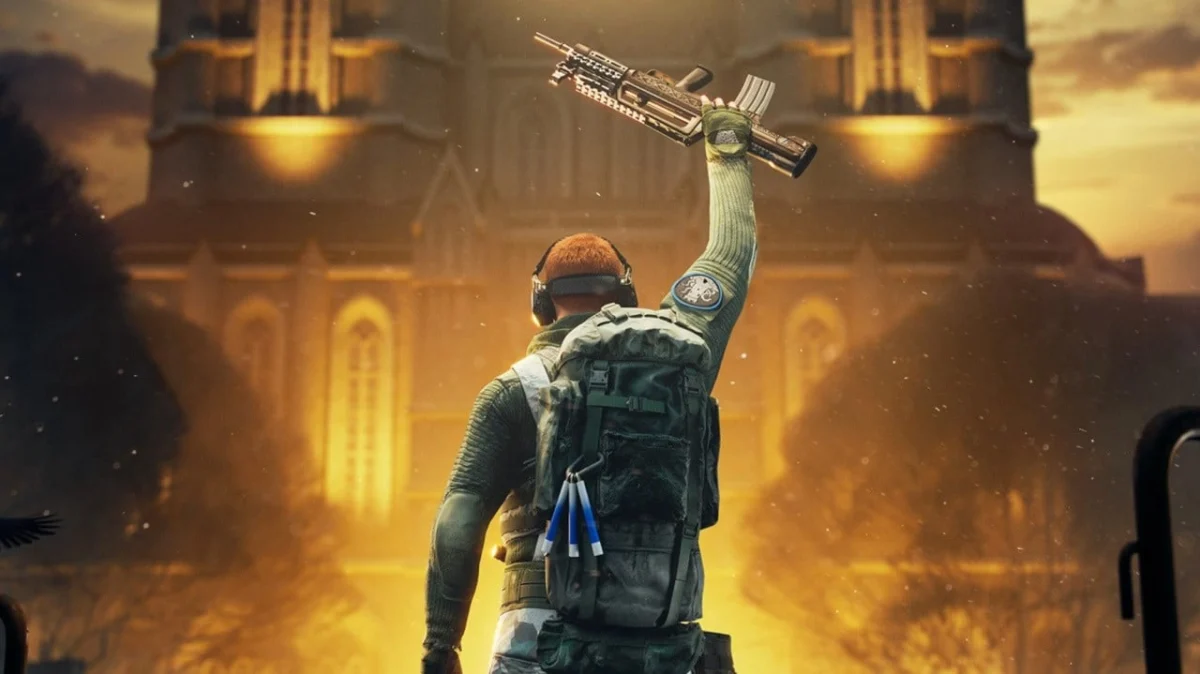
The digital gaming landscape is experiencing a significant shift as several Xbox game servers are slated for closure across various dates, affecting titles ranging from popular sports simulations to free-to-play shooters. This series of impending shutdowns, some as early as the end of August 2024 and others extending to August 2026, underscores the ongoing challenges and business realities faced by game publishers in maintaining online infrastructure for aging titles. Players of games such as NHL 22, NHL 23, and Warface: Clutch are among those who will soon lose access to online functionalities, with further titles like HAWKED, GRID Legends, and Sociable Soccer 25 following suit in September 2024. This trend highlights the transient nature of online gaming services and raises important discussions about digital game ownership and preservation.
Immediate Impact: August 2024 Server Closures
As August 2024 draws to a close, three notable Xbox titles are scheduled to have their online servers permanently disconnected, rendering their online features inaccessible. These include two installments from EA Sports’ popular ice hockey franchise, NHL 22 and NHL 23, both set to cease online operations after August 31st, 2024. Additionally, the free-to-play first-person shooter Warface: Clutch will see its servers shuttered slightly earlier, on August 25th, 2024. For players, these closures mean the end of multiplayer matches, online leaderboards, community features, and any game modes that rely on a persistent server connection.
The decision to sunset servers is a complex one, often balancing operational costs against dwindling player bases and the strategic imperative to focus resources on newer titles. For annual sports franchises like NHL, the release of new iterations typically draws players away from older versions, making the continued maintenance of legacy servers economically unsustainable over time. NHL 22, released in 2021, and NHL 23, released in 2022, have each enjoyed a lifespan of two to three years of active online support, which is a common cycle for such titles before their online components are retired. The cessation of online services for these games will impact modes such as Hockey Ultimate Team (HUT), online versus play, and any connected league features, effectively reducing them to their offline single-player components.
Warface: Clutch, a free-to-play title known for its cooperative and competitive modes, faces a similar fate. Developers of such games often cite the difficulty of the decision, acknowledging the dedicated communities that have formed around their titles. However, the operational costs associated with server maintenance, bandwidth, and security updates, coupled with a declining active player count, frequently necessitate such closures. In a statement inferred from similar industry announcements, developers often express gratitude to their player base while explaining that the decision, while not "easy," is "necessary" to reallocate resources or streamline their product portfolio. For Warface: Clutch, the imminent shutdown on August 25th serves as a final call for players to experience its online offerings before they are permanently retired.
The Broader Context of Server Sunsetting in the Gaming Industry
The closure of game servers is not an isolated incident but rather a recurring phenomenon within the dynamic video game industry. It represents a fundamental aspect of the lifecycle of modern video games, particularly those heavily reliant on online connectivity. This practice has become increasingly prevalent as games evolve into "live service" models, where ongoing updates, seasonal content, and persistent online environments are central to the player experience. However, the financial and technical commitment required to sustain these services indefinitely is immense.
Historically, server shutdowns have affected a wide array of games across all platforms, from massively multiplayer online (MMO) titles to competitive shooters and sports simulations. Major publishers like Electronic Arts (EA), Activision Blizzard, Ubisoft, and Microsoft frequently review the operational status of their older online games. Factors influencing these decisions typically include:

- Declining Player Engagement: As newer games are released or player interest wanes, the active user base for older titles shrinks, making the cost-per-player for server maintenance disproportionately high.
- Technological Obsolescence: Older game engines, network code, and server hardware may become outdated, posing security risks or compatibility issues with modern infrastructure. Migrating these systems can be prohibitively expensive.
- Resource Reallocation: Publishers often choose to reallocate engineering, IT, and customer support resources from legacy titles to support newer, more profitable ventures.
- Licensing Agreements: For games that use licensed intellectual property (e.g., sports leagues, music, movie tie-ins), the expiration of these licenses can sometimes trigger a server shutdown, especially if renewal costs are high.
- Security Concerns: Maintaining servers for games with small, dedicated communities can sometimes present security vulnerabilities that are not worth the cost to continuously patch and monitor.
The practice of server sunsetting has become an expected part of the gaming landscape, though it invariably leads to disappointment among dedicated players who lose access to content they may have invested significant time and money into. This trend further fuels discussions about the nature of digital ownership, where players typically purchase a license to access a game rather than owning a physical, perpetually playable copy.
Chronology and Future Server Closures
The current wave of server closures is part of a multi-phased approach by publishers, with announcements spanning several years. While August 2024 marks the immediate cessation of services for some titles, other games have been identified for future shutdowns, extending into 2026. This staggered timeline provides varying degrees of notice to players, allowing them to enjoy the online features for a limited period before their permanent removal.
Looking ahead, September 2024 is set to see additional Xbox titles join the "chopping block." These include HAWKED, GRID Legends, and Sociable Soccer 25. While specific dates within September were not detailed, the announcement serves as an early warning for their respective player communities. GRID Legends, an acclaimed racing title from Codemasters and EA, released in 2022, would follow a similar two-year online support cycle as the NHL titles if its servers are indeed decommissioned in September 2024. HAWKED, a relatively newer free-to-play extraction shooter, and Sociable Soccer 25, an arcade-style football game, are also part of this next wave of online retirements, indicating a broad scope of genres affected.
Beyond the immediate horizon of 2024, the gaming community has already been alerted to further server shutdowns scheduled for 2026. Madden NFL 23, another prominent EA Sports title, is slated to conclude its online services in July 2026. Released in 2022, this would provide Madden NFL 23 with a robust four-year lifespan for its online features, a relatively generous period for an annual sports game. This extended notice for Madden NFL 23 suggests a more long-term planning approach for certain high-profile titles. Furthermore, a guide referencing "July and August 2026" server closures suggests that Madden NFL 23 is just one of several titles planned for retirement around that period. This includes a batch of "five Xbox games" specifically identified for server shutdown in August 2026, implying that additional titles beyond those already named will also eventually transition to offline-only status or become entirely unplayable if they lack substantial single-player components. These future announcements underscore that server management is a continuous process, with publishers regularly assessing the viability of maintaining online services for their extensive back catalogs.
Statements and Reactions from Related Parties
While specific, detailed statements from the developers of NHL 22, NHL 23, and Warface: Clutch regarding these particular shutdowns are often concise or embedded within support forums, the general sentiment across the industry is consistent. Publishers like Electronic Arts, known for their annual sports franchises, typically issue boilerplate statements that convey regret while emphasizing strategic business decisions. An inferred statement from EA Sports might read: "We understand that players will be disappointed by the closure of online services for NHL 22 and NHL 23. This difficult decision was made to allow us to focus our resources on delivering the best possible experiences in our newer and upcoming titles. We thank all our players for their dedication and passion over the years." Such statements invariably aim to balance player sentiment with the realities of game development and live service management.
For free-to-play titles like Warface: Clutch, the developer MY.GAMES, or a similar studio, would likely echo a similar message, perhaps adding a more personal note acknowledging the community’s investment. An inferred statement from the Warface: Clutch development team might express: "The choice to sunset Warface: Clutch was not an easy one, as we cherish the community that has grown around the game. However, after careful consideration, it has become a necessary step for our long-term strategic goals. We encourage players to enjoy the game’s remaining online features until August 25th and thank everyone for their incredible support." These messages, while standard, serve as the official communication to players about the impending changes.
From the player community, reactions are often a mix of disappointment, nostalgia, and pragmatism. Forums and social media platforms frequently light up with players lamenting the loss of their favorite online modes, expressing frustration over the diminished value of their digital purchases, and sharing fond memories of their time spent in these games. Some players advocate for the implementation of peer-to-peer hosting options or the release of server software to allow communities to maintain private servers, though these options are rarely adopted by major publishers due to technical complexities, licensing issues, and potential security vulnerabilities.

Implications for Digital Ownership and Game Preservation
The ongoing cycle of server shutdowns brings to the forefront critical discussions about digital ownership and the preservation of video games. In an era dominated by digital distribution, players often do not "own" a game in the traditional sense but rather purchase a license to access its content, which is subject to the terms of service set by the publisher. When online services are discontinued, a significant portion of a game’s content, especially for online-only titles, can become permanently inaccessible. This raises questions about the long-term value and viability of purely digital libraries.
For game preservationists, server shutdowns pose a significant challenge. Many modern games, particularly live-service titles, are designed with online functionality as their core. Without active servers, these games become unplayable or are severely crippled, effectively disappearing from the historical record of gaming. This phenomenon contrasts sharply with physical media, where older games, even if no longer supported by their creators, can often still be played on original hardware or emulators. The loss of online games due to server closures means that future generations may never experience these titles as they were originally intended, impacting the cultural and technological heritage of video games. Efforts to preserve these games often fall to fan communities who attempt to reverse-engineer server software or create private servers, but these are unofficial and legally precarious endeavors.
The industry is slowly grappling with these preservation issues. Some developers have released "offline patches" that allow basic gameplay to continue without server connectivity, or have ported popular online-only experiences to platforms that do not require continuous server maintenance. However, these are exceptions rather than the norm, especially for games whose core identity is inextricably linked to their online components.
Industry Trends and Future Outlook
The trend of server shutdowns is likely to intensify as the gaming industry continues its pivot towards live-service models and subscription-based gaming. While these models offer continuous engagement and revenue streams, they also create an ever-growing portfolio of online services that eventually become too costly to maintain. The increasing sophistication of game engines and network infrastructure also means that older systems require more specialized knowledge and resources to support.
Looking forward, publishers might adopt clearer, more standardized policies regarding server lifecycles, offering players greater transparency at the point of purchase about how long online services are guaranteed. There might also be an increased focus on designing games with robust offline components, even for titles that emphasize online multiplayer, to ensure some level of playability after server retirement. The rise of cloud gaming services could also influence this dynamic; while cloud platforms abstract hardware, the underlying game servers still require maintenance. The economic realities of the gaming industry dictate that server shutdowns will remain an inevitable part of the digital lifecycle, pushing both developers and players to reconsider the ephemeral nature of online interactive entertainment. As the digital age progresses, balancing innovation with the longevity and accessibility of gaming’s rich history will remain a critical challenge for the entire industry.