


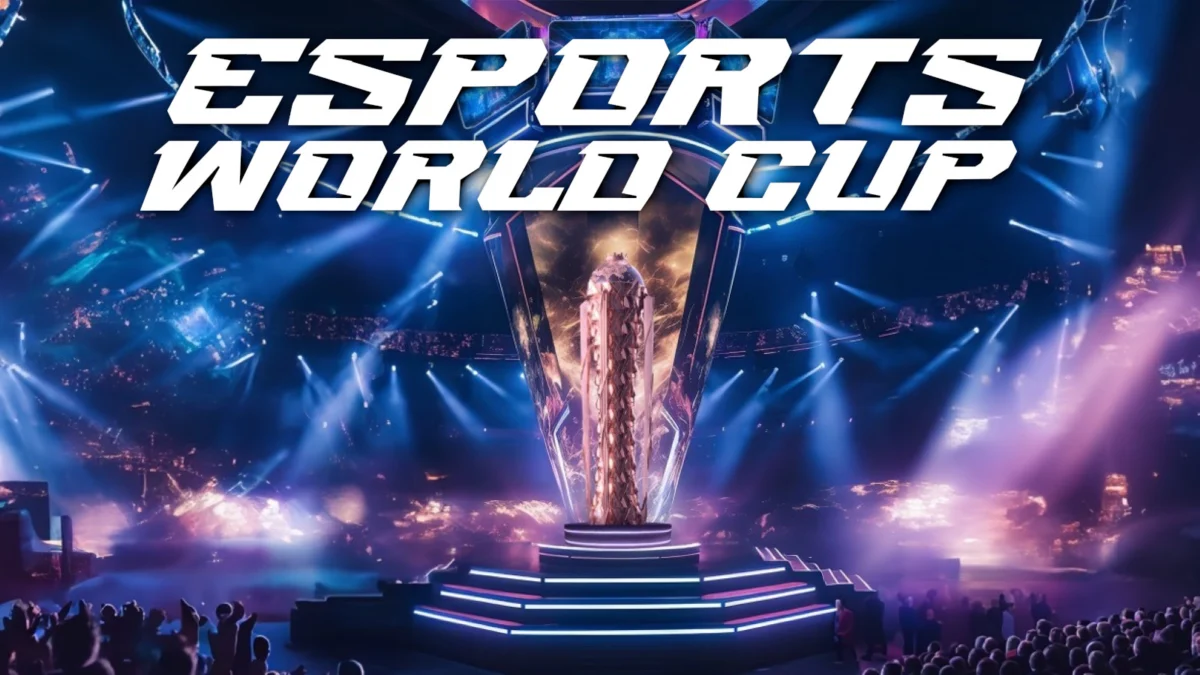
The global esports community is abuzz with a significant development that will reshape the landscape of competitive gaming in 2026. The highly anticipated Esports World Cup (EWC), originally slated to be held in Riyadh, Saudi Arabia, has officially relocated its primary venue to Paris, France. This decision, announced on May 20th, marks a pivotal moment for the burgeoning esports spectacle, underscoring the dynamic nature of international event hosting and the strategic considerations that guide such major undertakings.
A Shift Driven by Regional Dynamics
The Esports Foundation, the organizing body behind the EWC, cited "an extended evaluation process in light of the current regional situation" as the primary catalyst for accelerating the international rotation of the event. While the statement from the EWC’s official channels did not explicitly detail the nature of these "regional situations," it is widely understood within geopolitical and industry circles that ongoing conflicts and instability in the Middle East have necessitated a strategic reassessment of large-scale international events. The desire to ensure "clarity and stability" for fans, players, clubs, and teams planning their participation and travel was paramount in making this decision.
The original plan for the EWC was to establish Riyadh as its inaugural host city for the July-August 2026 edition, with the intention of a phased international rotation in subsequent years. However, the evolving geopolitical climate in the Middle East has prompted the Esports Foundation to expedite this international strategy, bringing the first non-Saudi edition of the EWC to Europe sooner than initially anticipated.
Paris: A New Chapter for the Esports World Cup
The selection of Paris as the new host city for the 2026 Esports World Cup represents a significant endorsement of the French capital’s capabilities as a global sporting and entertainment hub. Ralf Reichert, CEO of the Esports Foundation, expressed enthusiasm for this new direction, stating, "This year, we’re excited to bring EWC to Paris for its first edition outside Saudi Arabia. Paris has hosted some of the world’s biggest sporting events and is one of the great global capitals of sport, culture and entertainment."
Reichert further elaborated on the strategic importance of this move, highlighting the "passion of French fans and the strong support we’ve received locally." He added, "We’re excited to bring the global esports community there for the next chapter of EWC. Paris now becomes the first international chapter in EWC history." This statement signifies that the EWC is envisioned as a traveling tournament, with Paris now poised to set a precedent for future international host cities.
The historical context of Paris hosting major international events, including previous Olympic Games and numerous global sporting championships, lends considerable weight to its selection. Its robust infrastructure, extensive experience in managing large-scale international gatherings, and vibrant cultural scene are all key factors that contribute to its suitability as the host of such a prestigious esports event.
Official Reactions and Global Acclaim
The announcement was met with considerable enthusiasm from French officials. French President Emmanuel Macron publicly lauded the decision, expressing his delight on social media platform X (formerly Twitter). He stated, "L’EWC se jouera à Paris ! C’est une première qui nous honore. Merci à l’Arabie Saoudite pour sa confiance. Nous sommes prêts à organiser cette Coupe du monde d’e-sport 2026. Très fiers d’accueillir le monde à nouveau." This translates to: "The EWC will be played in Paris! This is a first that honors us. Thank you to Saudi Arabia for its trust. We are ready to organize this 2026 e-sports World Cup. Very proud to welcome the world again."

President Macron’s remarks reflect a broader national pride in securing such a high-profile international event and a commitment to fostering the growth of esports within France. The acknowledgement of Saudi Arabia’s initial trust and partnership also highlights the collaborative spirit that can exist even amidst strategic shifts.
The Esports World Cup: Genesis and Ambitions
The Esports World Cup, while a relatively new entrant on the global stage, is built upon the ambition to become the pinnacle of competitive esports. Its inception was rooted in a vision to create a unified, multi-game championship that would rival traditional major sporting events in scale and prestige. The original agreement with Saudi Arabia was seen as a significant investment in the global esports ecosystem, aiming to elevate the sport’s profile and provide a substantial platform for professional players and teams.
A key element of the EWC’s financial model included the intention to generate revenue through hosting fees from future host cities. This suggests a long-term strategy for the event to be nomadic, moving between different global metropolises. The current relocation to Paris, while accelerated, aligns with this overarching objective of internationalizing the tournament’s footprint.
Scale and Scope of the 2026 Competition
The 2026 Esports World Cup is poised to be a monumental event, featuring a diverse array of esports titles and a substantial prize pool. Esports teams from across the globe will converge to compete for a staggering $75 million prize pool. This figure places the EWC among the largest prize pools in esports history, underscoring the event’s commitment to attracting top-tier talent and generating significant excitement.
The competition will encompass a wide spectrum of gaming genres and disciplines, with 24 different esports titles scheduled to be represented. This expansive selection ensures broad appeal, catering to a variety of fan bases and showcasing the multifaceted nature of modern competitive gaming. Confirmed titles include highly popular games such as Overwatch, Valorant, Counter-Strike 2 (CS2), and League of Legends, alongside strategic mind sports like chess. This blend of traditional esports powerhouses and intellectual challenges highlights the organizers’ ambition to define esports broadly.
Implications of the Venue Change
The relocation of the EWC from Riyadh to Paris carries several significant implications for various stakeholders:
- For Players and Teams: The immediate benefit of the venue change is the provision of greater certainty and stability, allowing for more effective planning of training schedules, travel arrangements, and logistical support. While the specific competitive environment might differ between Riyadh and Paris, the core competitive objective remains the same. However, teams and players will need to adapt to potential differences in venue infrastructure, local support services, and travel logistics.
- For the Esports Industry: The move to Paris, a major European capital, potentially broadens the EWC’s reach to a wider European audience and provides access to established esports infrastructure and a mature market. It also signals the increasing global interconnectedness of major esports events and the influence of geopolitical factors on their execution. The precedent set by this expedited rotation may also encourage other cities to consider bidding for future iterations of the EWC.
- For Saudi Arabia: While Saudi Arabia will not host the 2026 edition, its foundational role in launching the EWC and its continued partnership as a strategic supporter of esports development remain significant. The initial investment and commitment from Saudi Arabia have been crucial in bringing the EWC to fruition, and the nation is likely to continue playing a role in the broader esports landscape.
- For Paris and France: Hosting the EWC presents a tremendous opportunity for Paris to further solidify its position as a leading global city for major events and to boost its profile within the rapidly growing esports industry. It is expected to stimulate local economies through tourism, hospitality, and related services, while also fostering a vibrant esports culture within France. The event can serve as a catalyst for further investment in esports infrastructure and talent development in the region.
The Future of the Esports World Cup
The 2026 Esports World Cup in Paris is set to be a landmark event, not only for its competitive scale and prize pool but also for its significance as the first international chapter in the EWC’s history. The decision to relocate, driven by pragmatic considerations, highlights the adaptability and forward-thinking approach of the Esports Foundation. As the event unfolds, it will undoubtedly be closely watched as a barometer for the future trajectory of large-scale international esports tournaments and their intricate relationship with the global geopolitical landscape. The successful execution of the EWC in Paris will be a testament to the city’s capabilities and the enduring appeal of competitive gaming on a global stage.