


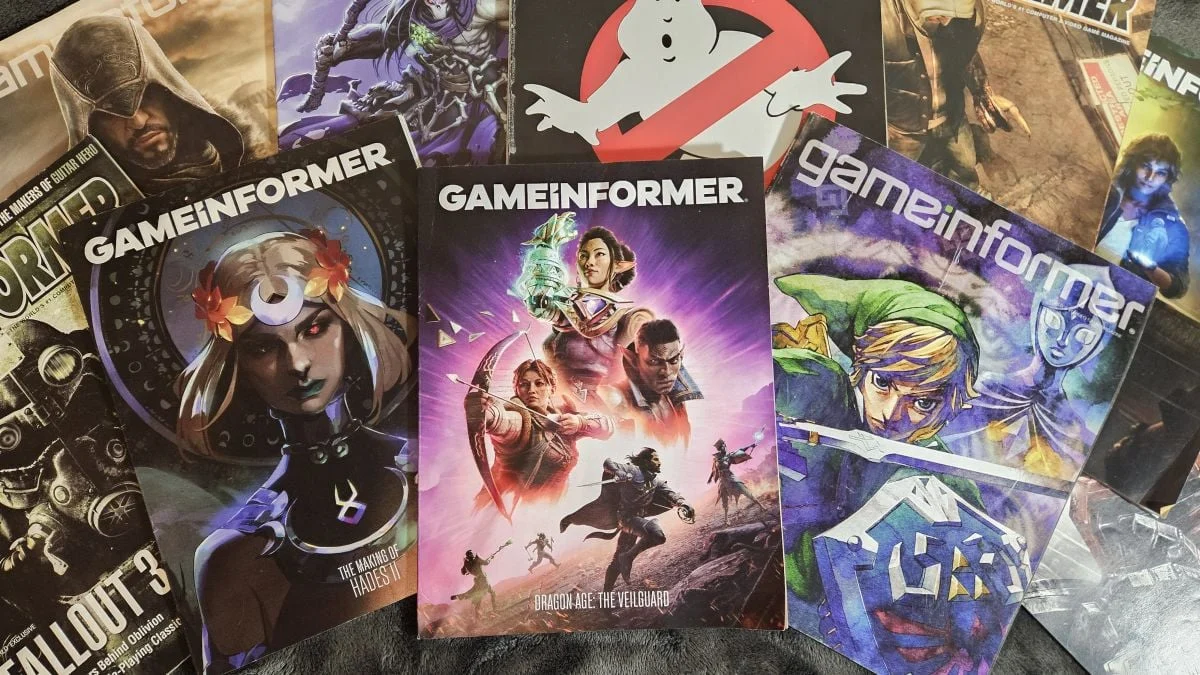
The landscape of video game media has been irrevocably altered today with the abrupt closure of Game Informer, a venerable institution that has served as a cornerstone of the industry for over thirty years. The news, which broke this morning, sent shockwaves through the gaming community, marking the end of an era characterized by its influential print magazine and extensive online presence. Parent company GameStop confirmed the decision, citing strategic realignments within its corporate structure.
The immediate aftermath of the announcement saw the entire editorial staff of Game Informer informed of their termination by GameStop corporate leadership. This comprehensive decision means not only the cessation of the print magazine, which was reportedly "about 70% done" with its next issue featuring what former content director Kyle Hilliard described as a "GREAT cover," but also the dissolution of the digital team and the discontinuation of all online operations. The swiftness and totality of the layoffs have underscored the finality of GameStop’s decision.
In an official statement disseminated across Game Informer’s social media channels, the company acknowledged the closure with a somber tone. "While our presses may stop, the passion for gaming that we’ve cultivated together will continue to live on," the statement read, a sentiment echoed by many former writers who have begun sharing their personal news and reflections on their own social platforms. This widespread sharing by former employees serves as a testament to the deep connections forged within the publication over its long history.
A Legacy Forged in Print: The Genesis of Game Informer
Game Informer’s journey began in 1991, not as a major media outlet, but as a modest, short-run magazine distributed by FuncoLand, a now-defunct video game retailer. Initially conceived as an in-house newsletter, its purpose was to engage customers and promote the products sold by its parent company. The publication’s trajectory shifted significantly in 2000 when GameStop acquired FuncoLand. This acquisition not only brought Game Informer under GameStop’s ownership but also integrated it as a key component of GameStop’s burgeoning customer loyalty program. This strategic move proved instrumental in its growth, providing a captive audience and a consistent distribution channel that few other publications could rival.
Three Decades of Games Coverage: Navigating Industry Shifts
The impact of Game Informer on the gaming industry cannot be overstated. For many, it served as their primary gateway into understanding the burgeoning world of video games. Its comprehensive coverage, spanning previews, in-depth reviews, developer interviews, and insightful features, provided a crucial educational and entertainment resource. At its zenith, Game Informer achieved remarkable commercial success, a testament to its broad appeal and the enduring demand for its content. In 2010, the magazine was ranked as the fifth largest magazine in the United States, a remarkable achievement that placed it ahead of established titans like Time and Sports Illustrated. This ranking underscored the significant cultural penetration and readership Game Informer commanded within the American media landscape.
Throughout its existence, Game Informer demonstrated remarkable resilience in the face of numerous industry-wide challenges. It successfully navigated the seismic shift from print to digital media, adapting its content strategy to embrace online platforms. Furthermore, it weathered the general decline experienced by the print journalism sector, a trend that has seen many publications struggle to maintain viability. The publication also endured multiple rounds of layoffs and internal restructuring under GameStop’s ownership, particularly during periods when the parent company was aggressively pursuing ventures into new technologies such as NFTs and blockchain. These strategic pivots by GameStop, aimed at leveraging its "meme-stock" status and navigating the volatile retail environment, often coincided with significant operational changes for Game Informer.
Despite these external pressures and internal upheavals, Game Informer consistently delivered high-quality content, often marked by striking and memorable cover art. The publication’s commitment to visual storytelling through its covers became a signature element, often featuring elaborate and artistic depictions of iconic game characters and worlds, serving as collectible pieces for dedicated fans. In a recent effort to bolster its print presence, the staff had even embarked on a initiative to re-launch a dedicated subscription service for the magazine, signaling a renewed commitment to its physical format.
The designation of Game Informer as an "institution" might seem like hyperbole to some, but for a significant portion of the gaming community, it accurately reflects its standing. For many, myself included, Game Informer was the initial portal into the world of games journalism. It was an entire magazine, from cover to cover, dedicated to exploring the latest in game development, offering insights into upcoming titles, and dissecting the current state of the industry. Its best issues were a treasure trove of information, featuring stunning artwork and revealing details about the most anticipated game releases.
Beyond the major features and previews, Game Informer’s pages were consistently populated with the voices and perspectives of the people who comprise the industry. Short opinion pieces, engaging interviews with developers, sprawling feature articles, and a particularly cherished section – letters from readers – all contributed to a sense of community and dialogue. Examining old issues, as I did in preparation for this report, one is struck by the profound influence these early publications had on shaping an individual’s understanding and appreciation of video games.
The Human Cost: Layoffs Amidst Industry Uncertainty
The closure of Game Informer not only represents the loss of a media outlet but also signifies the displacement of a dedicated team of professionals. As Game Informer staff now face the challenge of finding new employment, they join a growing number of individuals affected by the persistent trend of layoffs within the video game industry. Reports from 2023 indicated that approximately 9,000 jobs were lost across the sector, a stark reminder of the precarious nature of employment in this dynamic field. The discontinuation of established publications and the scaling back of operations by larger entities contribute to an increasingly uncertain future for many in games media.
A Historical Timeline of Game Informer
- 1991: Game Informer is launched as a short-run magazine and in-house newsletter by FuncoLand, a video game retailer.
- 2000: GameStop acquires FuncoLand, inheriting Game Informer and integrating it into its customer loyalty program.
- Early 2000s – 2010s: Game Informer grows significantly, becoming a major force in games media, renowned for its print circulation and comprehensive online content.
- 2010: Game Informer is ranked as the 5th largest magazine in the United States, surpassing established publications like Time and Sports Illustrated.
- 2010s – Early 2020s: The publication navigates the challenges of the digital transition and endures multiple rounds of layoffs and restructuring under GameStop’s ownership, coinciding with the parent company’s exploration of new ventures like NFTs and blockchain technology.
- Recent Years: Game Informer attempts to strengthen its print presence with initiatives such as a new subscription service.
- August 2024: GameStop announces the immediate closure of Game Informer, leading to the termination of all editorial staff and the discontinuation of both its print magazine and online operations.
Analysis of Implications: The Shifting Sands of Games Media
The closure of Game Informer raises critical questions about the future of dedicated games journalism, particularly in its print form. The publication’s ability to maintain a significant print circulation for over three decades, even surpassing mainstream news magazines, highlights a deep-seated appetite for in-depth, curated gaming content. Its demise, therefore, suggests that even established and well-regarded media entities are not immune to the economic pressures and strategic shifts occurring within the broader corporate structures that own them.
The decision by GameStop, a company that has itself undergone significant transformation and public scrutiny in recent years, underscores the complex interplay between retail operations, brand diversification, and media ventures. The focus on areas like NFTs and blockchain, while potentially offering new avenues for revenue, may have led to a strategic divestment from traditional media operations that were perceived as less central to the company’s core future vision.
Furthermore, the simultaneous closure of both the print magazine and the digital arm indicates a holistic business decision rather than a mere adaptation to changing media consumption habits. This suggests that the operational costs and perceived return on investment associated with Game Informer, as a whole, no longer aligned with GameStop’s corporate objectives.
The loss of Game Informer also represents a significant reduction in the number of dedicated journalism jobs within the industry. As the economic landscape of game development and publishing continues to evolve, so too does the ecosystem of media that reports on it. The closure serves as a stark reminder that even long-standing pillars of the media industry can disappear, leaving a void in coverage and impacting the careers of many talented individuals. The future of games journalism may increasingly reside in leaner, more agile digital-first operations, or potentially within broader entertainment news outlets that allocate resources to gaming coverage. The challenge for creators and consumers alike will be to ensure that the depth of coverage and the passion that defined Game Informer can be sustained and fostered in this evolving media environment.