


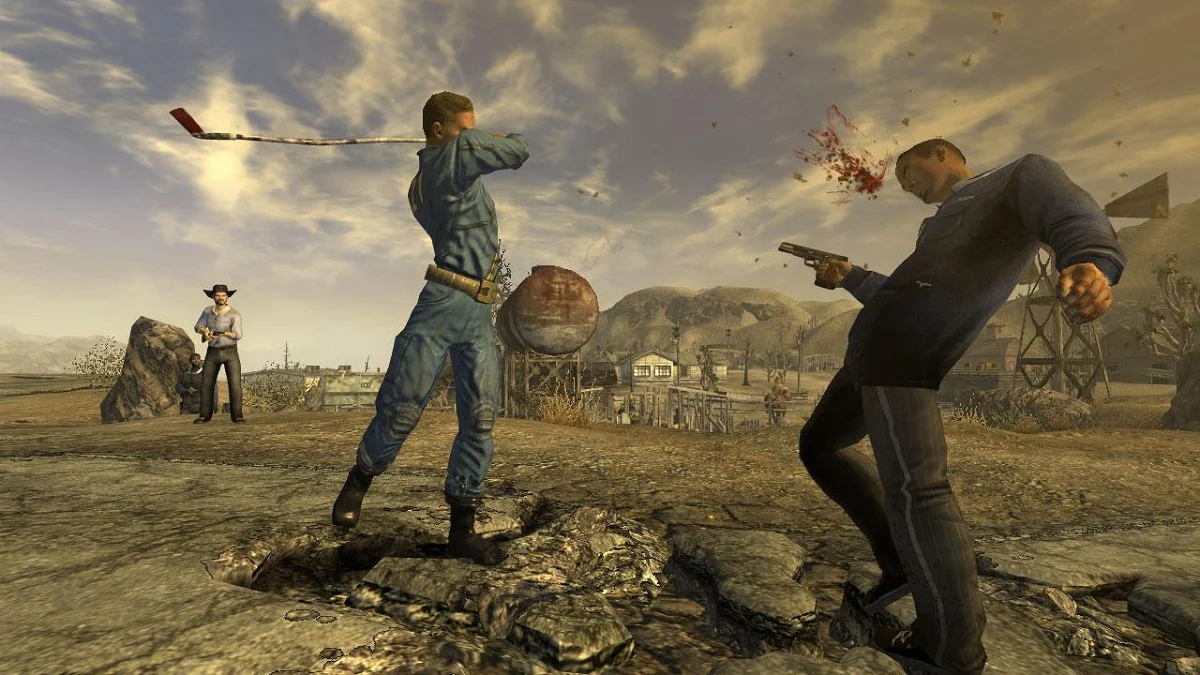
A significant development has emerged within the gaming industry, with reports indicating that Obsidian Entertainment, a studio renowned for its role-playing game expertise, is now engaged in the creation of a new installment in the critically acclaimed Fallout franchise. This strategic pivot comes in the wake of a substantial restructuring at Xbox, which has seen Obsidian, along with several other development studios under Microsoft’s umbrella, undergo considerable workforce reductions. Concurrently, a planned sequel to Obsidian’s fantasy RPG, Avowed, has reportedly been canceled.
The news, first broken by Bloomberg’s investigative journalist Jason Schreier, paints a picture of internal shifts and strategic realignments within Microsoft’s gaming division. Schreier’s report details that the layoffs at Obsidian were part of a broader "reset" initiated by Xbox, a move that is expected to impact thousands of employees across various departments over the coming year. While the exact number of affected individuals at Obsidian has been reported to be as high as 52 this week, the ripple effects of this restructuring are far-reaching, impacting the studio’s development pipeline and project priorities.
The Fallout Franchise: A Legacy and a New Direction
The prospect of a new Fallout game developed by Obsidian Entertainment is likely to resonate strongly with long-time fans of the series. Obsidian has a proven track record with the post-apocalyptic world, having developed the highly regarded Fallout: New Vegas in 2010. This title is often lauded for its intricate storytelling, player choice, and deep role-playing mechanics, elements that have become hallmarks of Obsidian’s design philosophy. The report suggests that Josh Sawyer, the director of Fallout: New Vegas, is reportedly helming this new project, a piece of information that is sure to generate considerable excitement and anticipation within the Fallout community.
The Fallout franchise, while immensely popular, has seen periods of relative quiet in terms of new mainline single-player entries. Since the release of Fallout 4 in 2015, and the online multiplayer iteration Fallout 76 in 2018, there has been a noticeable gap in the market for a traditional Fallout RPG experience. The recent surge in interest generated by the critically acclaimed Fallout television series on Prime Video has only amplified the demand for new content within this beloved universe. This strategic shift by Obsidian, if confirmed, appears to be a calculated response to both market demand and the underutilization of a highly marketable intellectual property by Bethesda and Microsoft.
Avowed: A Sequel’s Demise Amidst Strategic Realignment
The cancellation of the Avowed sequel represents a significant and undoubtedly difficult decision for Obsidian Entertainment. According to Schreier’s report, the Avowed sequel was reportedly in advanced stages of development and was progressing well, with indications that it was "on track to be announced within the next year." This suggests that a considerable amount of resources, time, and creative effort had already been invested in the project.
Sources familiar with the game’s development have indicated that while the sequel has been shelved, some Obsidian employees will continue to work on aspects of the Avowed project. This is likely a transitional measure, allowing these individuals to remain productive while awaiting the full ramp-up of new initiatives, such as the Fallout title. The possibility of the Avowed sequel being revived in the future, perhaps once new projects are established, has also been alluded to, though this remains speculative at this juncture.
Xbox’s Strategic "Reset": Layoffs and Project Reallocation
The context surrounding Obsidian’s project shift is rooted in a broader strategic overhaul at Xbox. Microsoft’s gaming division has recently implemented significant workforce reductions, impacting multiple studios. This "reset" is part of a larger trend within the tech industry, where companies are re-evaluating their operational strategies and financial priorities in response to evolving market conditions and economic pressures.
The layoffs at Obsidian, occurring alongside the cancellation of the Avowed sequel and the greenlighting of a new Fallout game, indicate a clear prioritization of established, high-demand intellectual properties over newer, potentially riskier ventures. This approach is often driven by the desire to maximize return on investment and leverage existing brand recognition in a competitive market. The implication is that Microsoft is seeking to solidify its position by focusing on franchises with a proven ability to attract a broad audience and generate substantial revenue.
Analyzing the Implications: A Calculated Risk?
From a business and strategic perspective, the decision to pivot towards a new Fallout game while canceling an Avowed sequel can be viewed as a calculated move. Fallout is a globally recognized brand with a dedicated fanbase, offering a more readily marketable proposition compared to a relatively newer franchise like Avowed. The success of the recent television adaptation further amplifies the brand’s cultural relevance and commercial potential.
However, this strategic shift is not without its human cost. The layoffs, described as unfortunate by some observers, highlight the difficult realities of the modern gaming industry, where studio restructurings can lead to significant job losses. The hope is that this change in strategy will ultimately lead to greater stability and success for Obsidian Entertainment, allowing the studio to leverage its considerable talent and expertise on a franchise with proven appeal.
The implications for the broader gaming landscape are also noteworthy. The concentration of resources on established IPs could lead to a more curated selection of AAA titles, potentially at the expense of original game development and the nurturing of new franchises. For players, this could mean a more predictable, yet potentially less diverse, future for blockbuster gaming.
A Deeper Dive into Obsidian’s History and Expertise
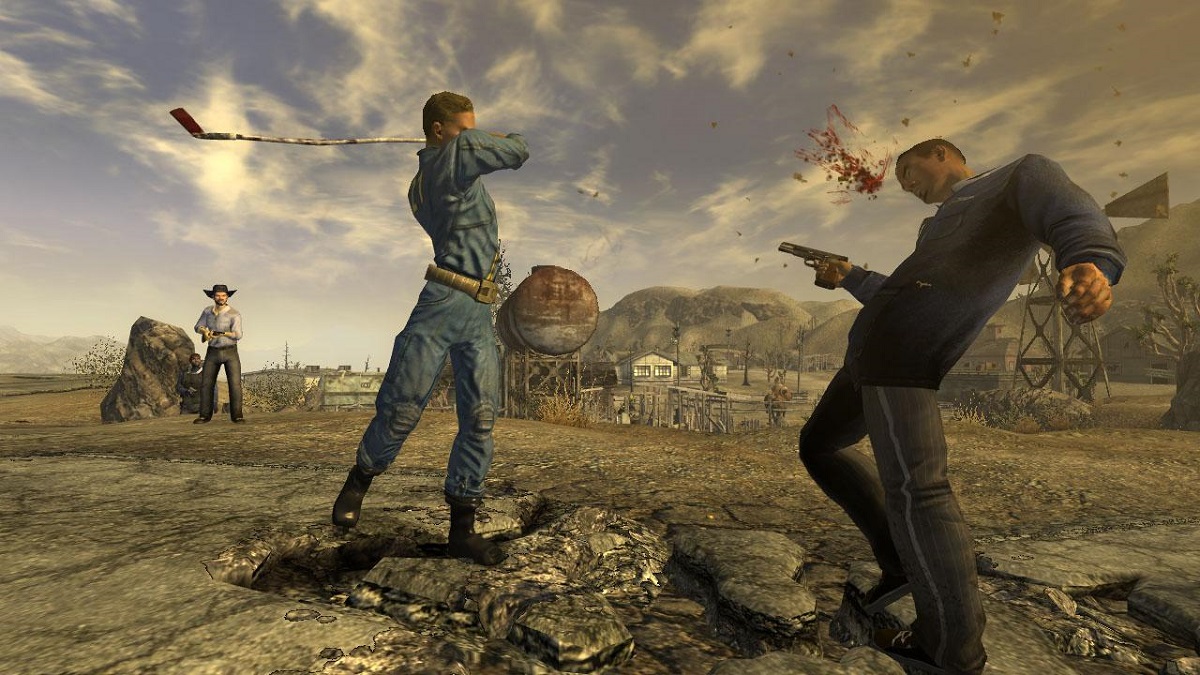
Obsidian Entertainment has carved out a significant niche in the RPG genre since its founding in 2003. The studio’s early work includes critically acclaimed titles such as Star Wars: Knights of the Old Republic II: The Sith Lords and Neverwinter Nights 2. Their reputation for delivering deep narrative experiences and complex player choices was cemented with Fallout: New Vegas, a game that, despite its age, remains a benchmark for many fans of the genre.
Following Fallout: New Vegas, Obsidian continued to develop a diverse portfolio, including Pillars of Eternity, Tyranny, and The Outer Worlds. While these titles have received positive reviews, none have achieved the same level of widespread recognition as Fallout or The Elder Scrolls series. Avowed, launched in 2024, aimed to establish a new flagship IP for the studio within the fantasy genre. Its cancellation, therefore, represents a significant setback for this particular ambition.
The studio’s experience with the Fallout universe is a critical asset. Fallout: New Vegas is celebrated for its nuanced portrayal of post-apocalyptic society, its complex faction system, and its emphasis on player agency. The skills and knowledge honed in developing that title are directly transferable to a new Fallout game, potentially allowing Obsidian to deliver an experience that appeals to both long-time fans and newcomers to the series. The reported involvement of Josh Sawyer further strengthens this expectation, as he is widely respected for his vision and understanding of the Fallout world.
The Chronology of Events: A Timeline of Uncertainty and Change
The recent developments at Obsidian Entertainment can be understood within a broader timeline of shifts at Microsoft’s Xbox division:
- Late 2023/Early 2024: Reports begin to surface regarding broader restructuring and potential layoffs within Xbox Game Studios.
- March 2024: Microsoft announces the closure of Arkane Austin, Tango Gameworks, and two other studios, alongside significant layoffs impacting various Xbox divisions, including Bethesda Softworks. This signals a period of significant strategic re-evaluation.
- Early July 2024 (Specific Date Unspecified in Original Report): Bloomberg’s Jason Schreier reports on the recent layoffs at Obsidian Entertainment, citing as many as 52 job cuts.
- Early July 2024: Schreier’s report also reveals the cancellation of the Avowed sequel and the initiation of development on a new Fallout title at Obsidian.
- Immediate Aftermath: The gaming community reacts to the news, with a mix of excitement for the potential new Fallout game and disappointment regarding the cancellation of the Avowed sequel and the impact of the layoffs.
This timeline illustrates a period of considerable upheaval within Xbox, with decisions being made to reshape the studio landscape and prioritize specific development paths. The move towards a new Fallout game appears to be a direct consequence of these broader strategic adjustments.
Official Statements and Industry Reactions (Inferred)
While no direct official statements from Microsoft or Obsidian Entertainment have been released in response to Schreier’s report at the time of its publication, industry observers would anticipate that such announcements would be forthcoming. Typically, in situations involving significant studio restructuring and project cancellations, official communications aim to provide clarity on the company’s vision and reassure stakeholders.
It is probable that any official statement would emphasize a commitment to the Fallout franchise and to Obsidian Entertainment’s talent, while acknowledging the difficult nature of workforce reductions. The focus would likely be on the future and the studio’s renewed direction.
Reactions from the wider industry, including developers, publishers, and analysts, are expected to focus on the implications of Xbox’s strategy. Some may view it as a pragmatic approach to navigating a challenging market, while others might express concern over the potential impact on creative diversity and the sustainability of original IP development. Fan reactions, as mentioned, are likely to be divided, with anticipation for a new Fallout tempered by sadness over the fate of the Avowed sequel and the job losses.
Broader Impact and Future Outlook
The decision to shift Obsidian’s focus to Fallout has significant implications for both the studio and the franchise. For Obsidian, it offers an opportunity to work on a highly recognizable and beloved IP, leveraging their proven strengths. This could lead to a period of renewed creative output and commercial success. However, it also means that the studio’s unique voice and ambition for new IPs like Avowed will be temporarily sidelined.
For the Fallout franchise, this development signals a potential return to its roots, with a studio that has a deep understanding and appreciation for its core tenets. The success of this new Fallout title could reignite the franchise’s standing in the RPG landscape, especially if it can capture the magic of Fallout: New Vegas.
The broader impact on the gaming industry is a reflection of the current economic climate and the prevailing business strategies of major players. The trend of prioritizing established IPs and consolidating resources on proven franchises is likely to continue. This raises important questions about the future of original game development and the risks associated with investing in new intellectual property. The coming years will be crucial in determining whether this strategic realignment at Xbox and Obsidian leads to sustained success or a more homogenized gaming landscape.