


The inaugural $300,000 Marvel Rivals Creator World Championship concluded last weekend, leaving a cloud of controversy over Team Canada’s dismal performance. The tournament, which ran from June 26th to June 29th, saw twelve of the world’s top content creators and their assembled teams battle for a significant portion of the prize pool. While Team AMER United emerged victorious, securing the top prize of $75,000, the narrative that captured widespread attention unfolded within the Team Canada camp. Ultimately finishing in a shared 9th-12th place and earning a modest $12,000, the team’s struggles were amplified by internal discord, with a significant portion of the blame directed towards streamer Warn.
The tournament’s format brought together diverse rosters of popular streamers and professional gamers, each vying for supremacy in the recently released hero shooter. The substantial prize pool underscored the burgeoning esports scene for Marvel Rivals, attracting considerable viewership and media interest. Team Canada, a roster that included high-profile streamers such as xQc, aramori, Dokibird, Fanfan, and Surefour, alongside Warn, entered the competition with considerable expectations. However, their performance failed to meet these projections, culminating in an early exit from the championship bracket.
The true friction within Team Canada began to surface in the aftermath of their elimination, primarily revolving around strategic decisions and individual accountability, particularly concerning hero selections.
The Spark of Discord: Hero Swaps and Blame Allocation
The core of the controversy appears to stem from a series of contentious in-game decisions and subsequent public statements made by Warn. In a post-tournament discussion that quickly gained traction online, a clip emerged that seemed to depict Warn attributing Team Canada’s losses to the performance of his teammates FanFan, Dokibird, and aramori. Conversely, he reportedly credited their few victories solely to his own contributions and those of xQc.
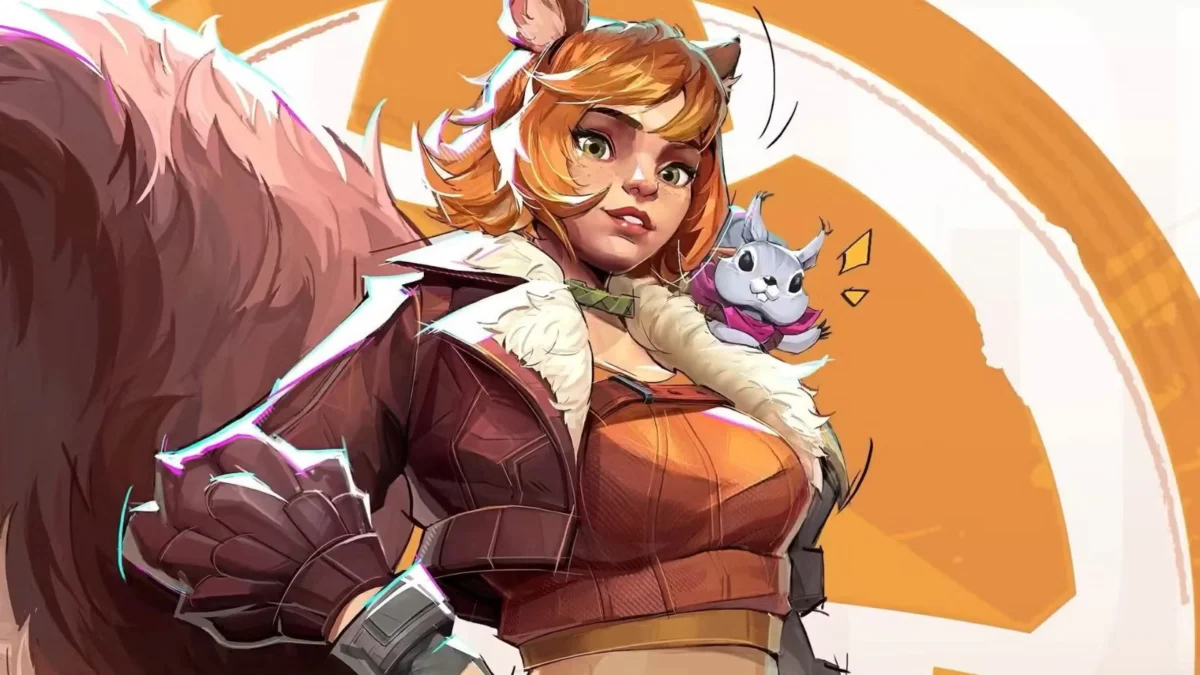
Warn later addressed these accusations, asserting that the clip was taken out of context and that his comments were not influenced by the gender of his teammates. He explained that his invitation to the tournament arrived with very little notice, allowing him only a few days to prepare. During this limited preparation period, Warn stated he focused on honing his proficiency with his preferred heroes, Squirrel Girl and Namor. This limited preparation, he implied, contributed to his less-than-optimal performance and his perception of the team’s overall strategy.
However, this explanation did little to quell the dissent from within the team. Several of Warn’s teammates openly challenged his narrative, particularly his portrayal of the team’s strategic engagement.
Teammates Respond: Challenging the Narrative
Aramori, who served as the captain of Team Canada, was particularly vocal in refuting Warn’s version of events. She took to social media platform X (formerly Twitter) to express her frustration, directly addressing Warn’s public statements. "I don’t want to sit here and let Warn act like ‘woe is me she was so mean,’" aramori posted, signaling her discontent with his attempts to deflect responsibility.
Aramori specifically highlighted the issue of hero selection, pointing to Warn’s persistent use of Squirrel Girl. "My bad, next time I’ll tell you it’s not your fault for picking Squirrel Girl over and over," she wrote sarcastically, indicating a significant strategic disagreement. This comment directly challenged Warn’s assertion that his hero choices were solely a matter of personal preference or limited practice, suggesting instead a pattern of inflexibility that negatively impacted team cohesion and performance.
To underscore the gravity of the situation and the community’s reaction to player inflexibility, aramori drew a parallel to a previous incident in the Marvel Rivals creator scene. She referenced the "Zazzastack incident" that occurred earlier in the year. In that situation, a player’s refusal to switch off the hero Black Widow during a critical $40,000 creator tournament reportedly cost their team significant momentum.
Aramori’s X post further elaborated on this comparison: "I GOT ZAZZA’D IN A TOURNAMENT 10X THE PRIZE POOL AS BASIM. KINGSMAN WAS SO MUCH MEANER AND GOT A BAJILLION FOLLOWERS." The reference to "Zazzad" as a verb, stemming from the Kingsman incident, highlights the community’s often harsh judgment of players who exhibit similar inflexibility. By invoking this past event, aramori suggested that Warn was receiving a comparatively milder public reception for what she perceived as a comparable, or even more impactful, offense given the higher stakes of the Creator World Championship.
Counterarguments and Statistical Data
Despite the vocal opposition from his teammates, Warn maintained his position that the team’s failure was a collective issue, not attributable to any single player’s actions or hero choices. He pushed back against the notion that his or any other player’s hero selection single-handedly dismantled the team’s chances.
To support his argument, data was presented, reportedly compiled by individuals tracking the team’s performance throughout the tournament. These statistics indicated that multiple players on Team Canada had struggled significantly in their respective roles. Specifically, xQc reportedly had a win-loss record of 2-6 in his tank role. Aramori’s performance as Jeff was noted as 3-5, FanFan as 1-4, and Dokibird as 2-4. This data was used to bolster Warn’s claim that the loss was a multifaceted team failure, rather than a singular point of weakness.
Broader Context: The Creator Tournament Landscape
The controversies surrounding the Marvel Rivals Creator World Championship are not isolated incidents. The game’s burgeoning esports scene, particularly within the creator community, has already witnessed significant player drama. The aforementioned Kingsman265 situation, where a streamer was removed from a $40,000 event for demanding a teammate switch heroes, set a precedent for intense scrutiny and public discourse surrounding player behavior and in-game decision-making in these high-stakes creator tournaments.
The Zazzastack incident, in particular, garnered substantial attention. The player involved, Kingsman, was widely criticized for his stubborn refusal to adapt his hero choice, which directly impacted his team’s ability to secure victory. The community’s swift and often severe reaction to Kingsman’s inflexibility created a benchmark against which future similar incidents are measured. Aramori’s reference to this event served to highlight her perception that Warn was not facing the same level of backlash for a comparable, if not more significant, issue within a tournament with a considerably larger prize pool.
The financial stakes involved in these creator tournaments, combined with the competitive nature of the games and the public platforms of the participants, create a fertile ground for such controversies. Viewers are invested not only in the gameplay but also in the personalities and interactions of their favorite streamers. When these interactions devolve into conflict or perceived unprofessionalism, the fallout can be significant and far-reaching.
Analysis and Implications
The fallout from the Marvel Rivals Creator World Championship highlights several critical aspects of the current esports and content creation landscape:
- The Pressure of High-Stakes Creator Events: These tournaments, while offering significant financial incentives and exposure, also place immense pressure on participants. The expectation of peak performance, coupled with the public nature of their actions, can lead to heightened emotions and interpersonal conflicts.
- The Role of Communication and Strategy: Effective communication and a willingness to adapt strategy are paramount in team-based esports. The Team Canada situation underscores how a breakdown in these areas can have a devastating impact on a team’s performance, regardless of individual skill.
- Community Scrutiny and Accountability: The online community plays a significant role in shaping narratives around player behavior. Incidents like the Zazzastack controversy demonstrate the power of collective opinion in holding players accountable for their actions and decisions. The differing reactions to Warn and Kingsman suggest that the community may apply varying standards of judgment based on factors such as perceived intent, individual popularity, and the context of the specific event.
- The Evolving Nature of Marvel Rivals Esports: As Marvel Rivals continues to establish its presence in the competitive gaming scene, the controversies surrounding its early creator tournaments will undoubtedly inform future event structures, player conduct guidelines, and community expectations. Organizers and participants alike will likely learn from these experiences to foster a more constructive and professional competitive environment.
The $300,000 Marvel Rivals Creator World Championship, while a success in terms of viewership and showcasing the game’s potential, also served as a stark reminder of the challenges inherent in managing competitive personalities and ensuring harmonious team dynamics in the high-pressure world of esports. The internal strife within Team Canada, particularly the public accusations and counter-accusations regarding hero swaps, has undoubtedly left a lasting impression on the burgeoning Marvel Rivals community. The resolution of such disputes, and the lessons learned from them, will be crucial for the long-term health and integrity of the game’s esports ecosystem.