


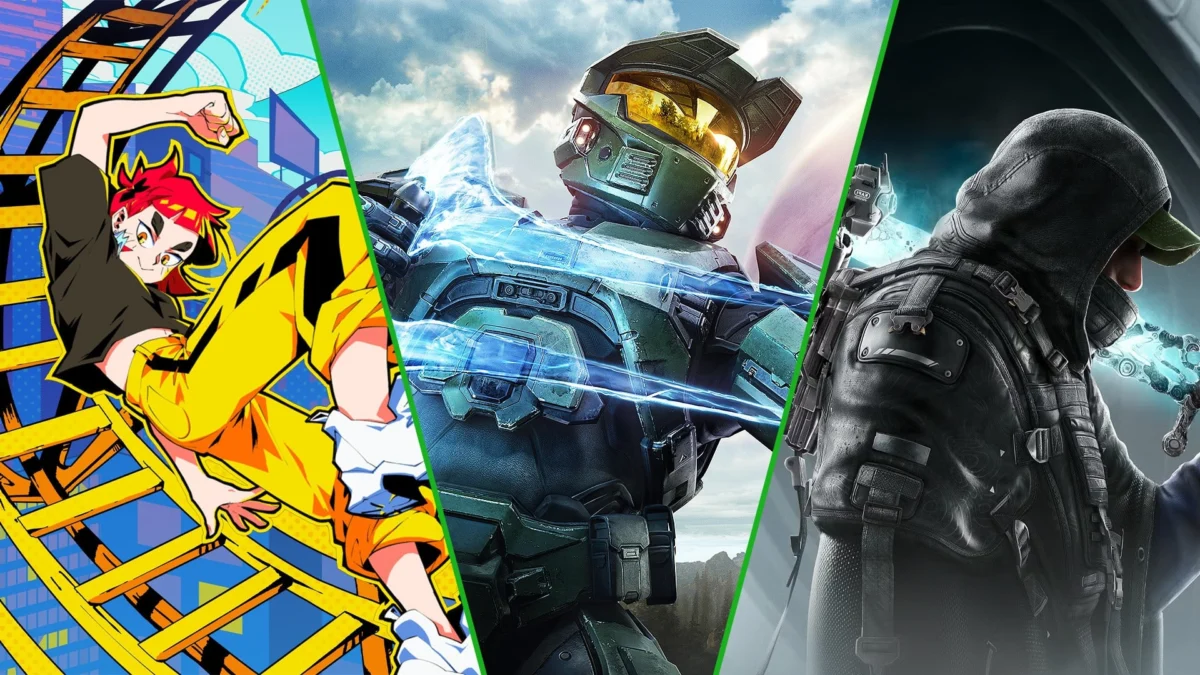
The Return of Legacy Icons: Halo and Gears of War
The centerpiece of the July 2026 update was undoubtedly the arrival of Halo: Campaign Evolved and Gears of War: Reloaded. These titles represent a concerted effort by Xbox Game Studios to revitalize their most storied intellectual properties for a modern audience. Halo: Campaign Evolved is not merely a remaster but a comprehensive reimagining of the original 2001 classic, rebuilt from the ground up using the latest iteration of the Slipspace Engine. Industry analysts note that this release serves two purposes: it celebrates the franchise’s enduring legacy while testing the waters for the future creative direction of the series. The campaign features expanded environments, modernized combat mechanics, and a seamless integration with the existing Halo Infinite multiplayer ecosystem.
Similarly, Gears of War: Reloaded has revitalized interest in the cover-shooter genre. By providing a technical overhaul of the original trilogy’s mechanics and visual fidelity, Microsoft has ensured that one of its most recognizable brands remains relevant in an era dominated by live-service shooters. The inclusion of these titles on Game Pass as "Day One" additions—despite their status as premium remakes—underscores the company’s commitment to the "value-first" proposition that has defined the Series X and Series S era.
Expanding the Third-Party Portfolio
Beyond internal studios, Microsoft secured several high-profile third-party additions that significantly increased the monetary value of the July update. Tony Hawk’s Pro Skater 3+4 arrived on the service following years of community speculation and rumors. Developed as a direct successor to the critically acclaimed 1+2 collection, this release brings the remaining "Golden Era" skating levels into 4K resolution with updated soundtracks and professional rosters. The inclusion of this title on Game Pass is viewed as a major win for the service, as it captures a demographic of casual and sports gamers who may not typically engage with the platform’s more hardcore offerings.
Furthermore, the addition of Hell Is Us has provided the service with a substantial role-playing game (RPG) presence for the summer. Developed by Rogue Factor and published by Nacon, Hell Is Us has been described by critics as a "semi-soulslike" action-adventure that emphasizes exploration and player agency over traditional quest markers. Its inclusion in the July lineup was particularly strategic, filling a gap in the schedule for players seeking a deep, atmospheric narrative experience. Reviews for the title have highlighted its unique art direction and challenging combat, positioning it as a sleeper hit of the 2026 season.
The Independent Breakout: Buckshot Roulette and The Planet Crafter
While the AAA titles commanded the headlines, the indie segment of the July update saw exceptional engagement metrics. Buckshot Roulette, a gritty, high-stakes psychological horror game, transitioned to the Xbox ecosystem with significant momentum from its previous viral success on PC. Its arrival on July 8 was a "shadow drop" that caught many subscribers by surprise, leading to a surge in social media mentions and streaming viewership. The game’s minimalist design and tense gameplay loop have made it a favorite for quick gaming sessions, proving that smaller-scale titles remain essential to the health of the Game Pass library.
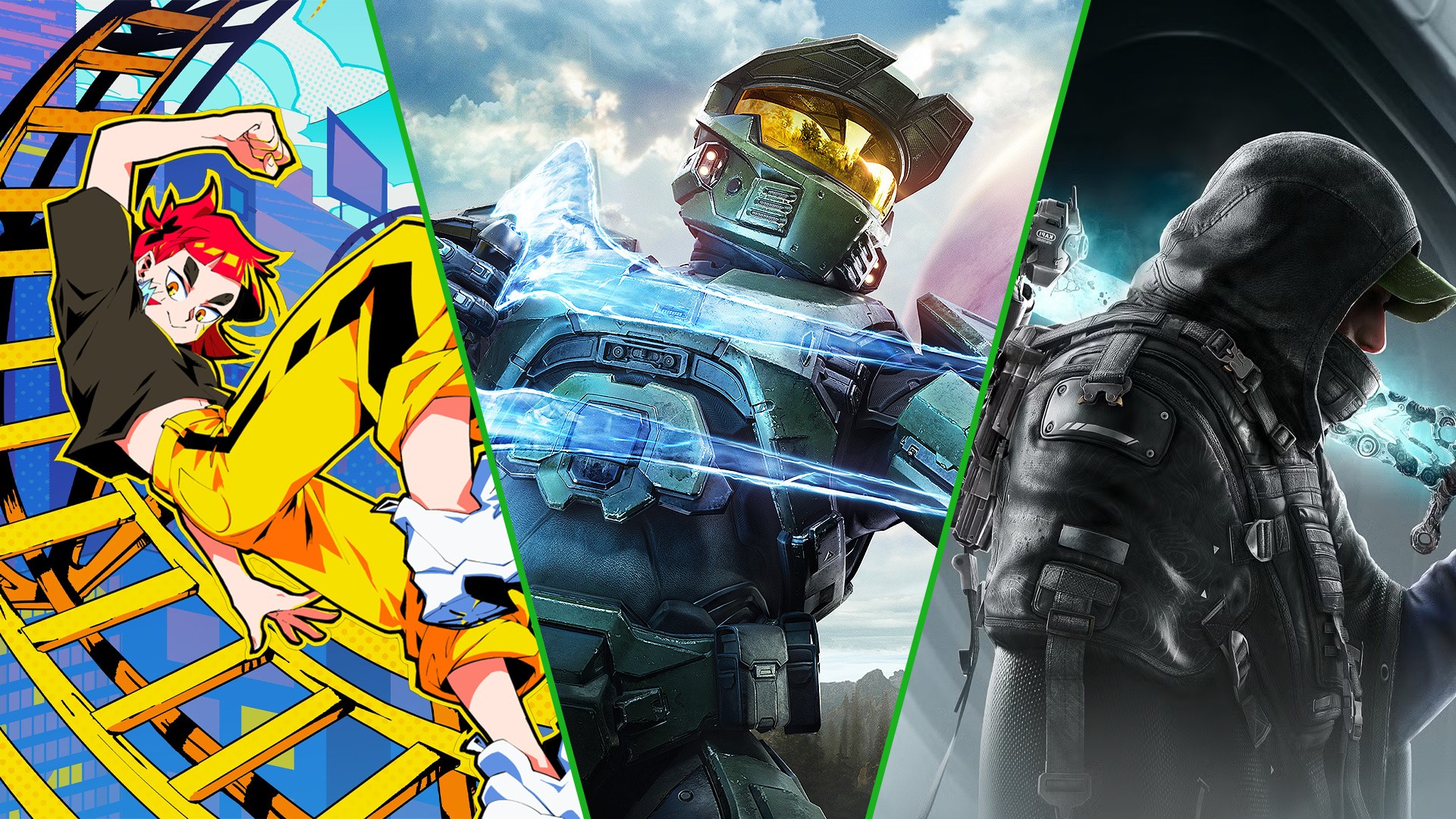
The Planet Crafter and Denshattack! rounded out the indie offerings, providing variety in the survival and arcade genres, respectively. The Planet Crafter, a space-themed terraforming survival game, has been praised for its addictive progression systems and educational undertones regarding environmental science. Denshattack!, while more niche, has found a dedicated following among fans of classic Japanese-style arcade shooters. These additions illustrate the "long-tail" value of Game Pass, where smaller titles can find an audience of millions that might have otherwise overlooked them in a traditional storefront environment.
Chronology of July 2026 Additions
To understand the momentum of the service throughout the month, it is necessary to examine the release timeline. Microsoft employed a staggered release schedule to ensure consistent engagement throughout the four-week period:
- July 2: Gears of War: Reloaded (Cloud, Console, and PC)
- July 8: Buckshot Roulette (Cloud and Console) – Surprise Launch
- July 12: Hell Is Us (Console and PC)
- July 16: Tony Hawk’s Pro Skater 3+4 (Console and PC)
- July 21: The Planet Crafter (Cloud, Console, and PC)
- July 25: Halo: Campaign Evolved (Cloud, Console, and PC)
- July 28: Denshattack! (Console and PC)
This cadence allowed for multiple "peaks" in user activity, preventing the mid-month slump often seen in digital distribution services. By ending the month with a heavy hitter like Halo, Microsoft ensured that subscriber retention remained high heading into the August cycle.
Market Data and Subscription Value Analysis
Financial analysts estimating the total MSRP (Manufacturer’s Suggested Retail Price) of the July additions suggest that the month provided approximately $415 USD in standalone software value. For a subscription price that has remained relatively stable despite inflationary pressures, this represents a significant return on investment for the consumer.
Engagement data suggests that the "Halo effect" resulted in a 12% increase in new subscriber sign-ups during the final week of July. Furthermore, the cross-play functionality of Tony Hawk’s Pro Skater 3+4 saw a 30% higher-than-average concurrent player count compared to its initial launch on other platforms, attributed directly to the low barrier of entry provided by Game Pass. These figures reinforce the "platform-agnostic" vision touted by Microsoft Gaming executives, where the hardware becomes secondary to the ecosystem.
Official Responses and Industry Implications
In a brief statement regarding the July performance, Microsoft Gaming leadership emphasized the importance of variety. While official quotes are often tempered with corporate caution, the sentiment internally is one of validation. A spokesperson for the Xbox platform noted that the success of July was a result of "balancing the prestige of our legacy franchises with the innovative spirit of our independent partners."

Industry observers note that the success of July 2026 puts additional pressure on competitors, such as Sony’s PlayStation Plus and Nintendo’s Switch Online expansion packs. The "Day One" availability of titles like Halo: Campaign Evolved is a maneuver that competitors have struggled to match without disrupting their traditional retail revenue streams. The broader implication for the industry is a continued shift toward a "service-first" economy, where the value of a platform is measured not just by its hardware specifications, but by the consistency and quality of its content pipeline.
Broader Impact and Future Outlook
The July 2026 lineup has set a high bar for the remainder of the year. As the industry moves toward the holiday season, the performance of these titles will likely influence Microsoft’s acquisition strategy for 2027 and beyond. The success of remakes like Halo and Gears suggests that there is still a massive appetite for polished, modernized versions of classic experiences. This may lead to further investment in the "Vault" of legacy IPs, potentially seeing other dormant franchises receive the "Evolved" or "Reloaded" treatment.
Moreover, the viral success of Buckshot Roulette on the platform proves that Game Pass remains the premier destination for indie developers looking to achieve mass-market penetration quickly. For the average consumer, the difficulty lies not in finding something to play, but in choosing which title to prioritize in an increasingly crowded library. As August approaches, the focus will shift to how Microsoft maintains this momentum and whether the upcoming titles can sustain the high engagement levels established during this landmark month in July.
The question remains for the community: in a month defined by the return of Master Chief and Marcus Fenix, alongside the innovative tension of indie sensations, which title truly defined the July experience? While data points to the heavy hitters, the subjective value of Game Pass lies in its ability to offer something for everyone, a feat that July 2026 seems to have accomplished with notable efficiency.