


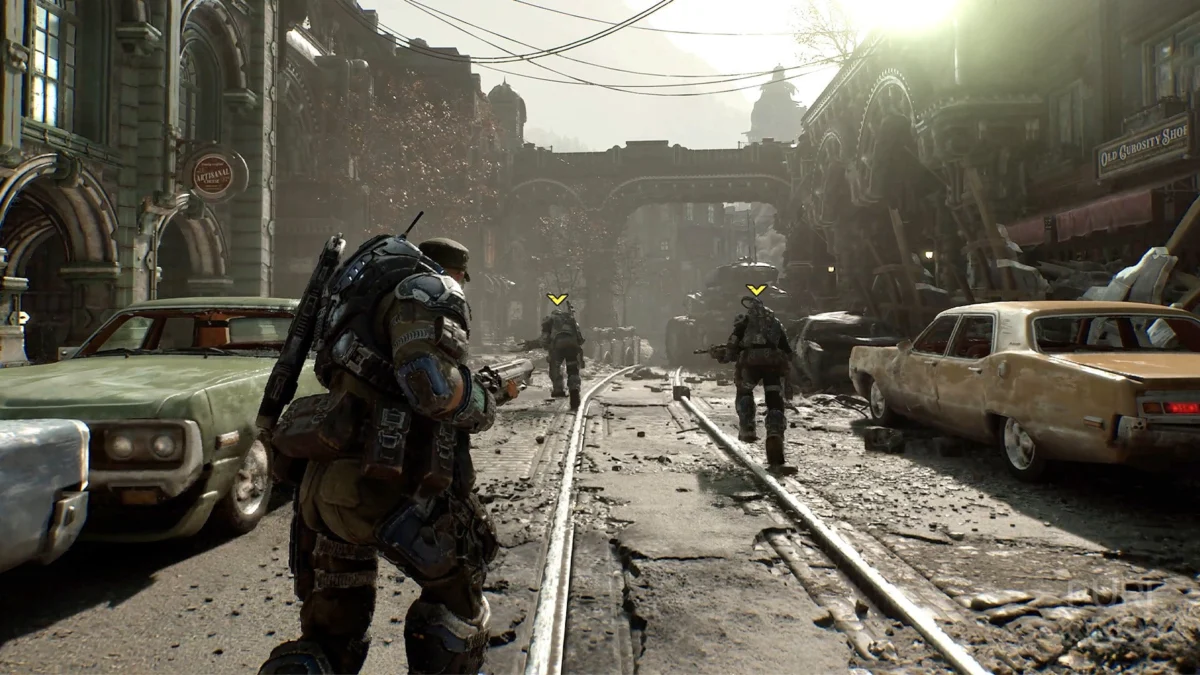
The highly anticipated return of the Gears of War franchise with "E-Day" has generated significant buzz, and recent hands-on previews of its multiplayer components indicate a bold, potentially polarizing shift in the series’ established gameplay identity. After a six-year hiatus since the release of "Gears 5," The Coalition’s latest installment, set during the catastrophic "Emergence Day," introduces substantial changes, particularly in its revamped co-operative survival mode, Horde Siege, and an entirely overhauled player movement system that redefines the core combat experience. While the expanded Horde Siege mode has been lauded as an exceptional evolution, the accelerated player mobility in both cooperative and competitive multiplayer has sparked debate regarding the series’ traditional emphasis on methodical, cover-based engagements.
The Dawn of a New Era: Gears of War’s Return and E-Day’s Significance
Gears of War holds a foundational position within the Xbox gaming ecosystem, often cited alongside titles like Halo and Forza as one of its "holy trinity" of exclusive franchises. Since its debut in 2006, the series has been synonymous with brutal, visceral third-person combat, pioneering the cover-based shooter genre and establishing a distinct aesthetic of gritty heroism against overwhelming odds. The original trilogy, developed by Epic Games, cemented its legacy, while subsequent entries under The Coalition (Gears of War 4, Gears 5) have aimed to evolve the narrative and gameplay while retaining its core appeal.
The announcement of "Gears of War: E-Day" as a prequel chronicling the pivotal "Emergence Day" – the sudden, catastrophic moment when the subterranean Locust horde first erupted to the surface, initiating a planet-wide war – immediately captivated long-time fans. This narrative choice offers a fresh perspective on the early days of the conflict, featuring a younger Marcus Fenix, the franchise’s iconic protagonist, and promising to delve into the origins of the war that defined the series. The six-year gap since "Gears 5," released in September 2019 to generally positive critical reception (Metacritic scores averaging in the low 80s), has only intensified anticipation for a new installment that could either reinvigorate or fundamentally alter the franchise’s trajectory.
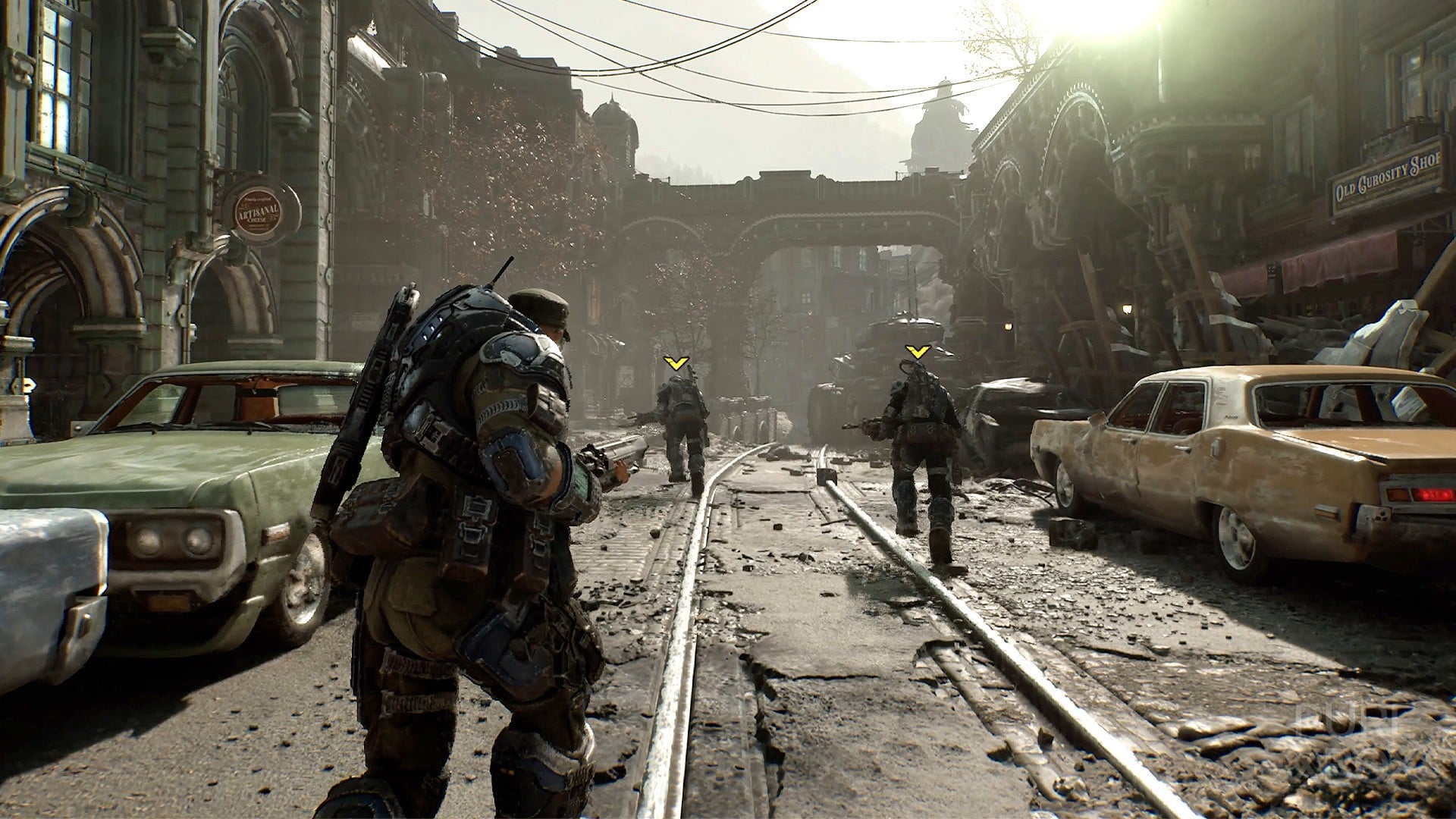
Hands-On Impressions: A Glimpse into E-Day’s Multiplayer Landscape
A recent high-profile preview event provided select journalists and content creators with the opportunity to experience "Gears of War: E-Day’s" multiplayer offerings firsthand. The focus of this exclusive access was on two distinct facets of the game: its competitive Player-Versus-Player (PvP) modes and the significantly re-engineered co-operative Horde Siege. Initial reports from the preview highlight a clear divergence in the reception of these modes, with Horde Siege emerging as a standout success, while the implications of the new movement system across all modes remain a central point of discussion.
Horde Siege: A Reinvention of Co-op Survival
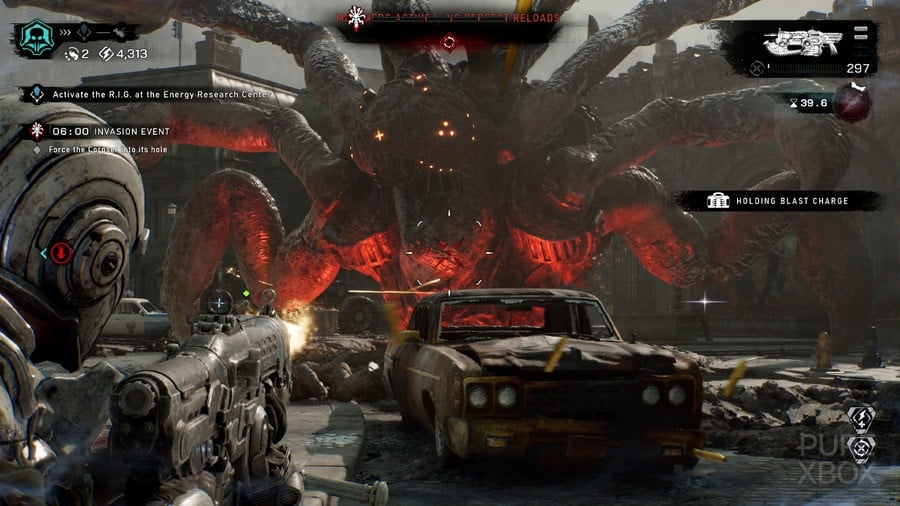
The 12-player Horde Siege mode has been widely identified as the unequivocal highlight of the "E-Day" preview. The Coalition has demonstrably "cooked" with its evolution of the venerable co-op survival experience, transforming it into a dynamic, multi-objective battleground that authentically captures the overwhelming scale and brutal force of the initial Locust invasion. Unlike previous iterations of Horde, which often focused on static defensive positions against waves of enemies, Horde Siege injects a palpable sense of urgency and strategic depth.
In this expanded mode, three distinct four-person squads are deployed across sprawling urban districts of the city of Kalona. Their mission extends beyond mere survival, encompassing a mix of primary and secondary objectives that demand coordinated effort and adaptability. These objectives range from critical tasks such as bomb defusal and destroying enemy intelligence caches to the precise assassination of high-value targets. This dynamic objective system provides significant variety to the core mission structure, preventing the repetitive nature that sometimes characterized earlier Horde modes.
The map design for Horde Siege is notably ambitious. The "Golden Quarter" map, for instance, has been described as the largest and most intricate Gears map to date, offering diverse environments like besieged bistro districts and crumbling university campuses. Players are not only tasked with holding their own defensive lines against relentless Locust assaults but are also expected to actively support other squads under pressure. The mode culminates in encounters with massive invasion bosses, such as the iconic Corpser and the colossal Brumak, before a final extraction via helicopter, reinforcing the narrative of a desperate, last-stand defense against an overwhelming threat.
The class system makes a welcome return, with each class offering unique abilities tailored to different tactical roles. Examples include the Breacher’s Adrenaline Injector, designed for aggressive pushes, and the Markman’s Pulse Drone, aiding in target identification. A new mechanic, "Weapon Parts," introduces an on-the-fly upgrade system, allowing players to scavenge components from supply drops or earn them through objective completion. These parts can be used to enhance weapon attributes, such as improving accuracy or even attaching a bayonet to a Gnasher shotgun, providing a layer of tactical customization previously unseen in Horde. The consensus from the preview is that Horde Siege not only feels like a natural fit for the "Emergence Day" narrative but also promises to be a highly replayable and engaging experience, potentially drawing in players who previously found Horde less compelling.
Redefining Movement: A Core Shift in Gameplay Philosophy
Perhaps the most significant and potentially divisive change introduced in "Gears of War: E-Day" is its completely overhauled player movement system. This departure from the established "Gears feel" is justified within the game’s narrative context by featuring a younger, more agile Marcus Fenix, unburdened by the years of war that define his later appearances. The Coalition’s design philosophy appears to lean towards a faster, more fluid combat experience, granting players substantially more freedom of movement across the environment.
The beloved "roadie run," a staple of the series, has been retired, replaced by a system that incorporates dynamic kneeslides into and around cover, as well as the ability to jump. This new mobility allows for quicker traversal and repositioning, fostering a sense of speed previously uncharacteristic of Gears. While this accelerated movement has been praised for its inherent "fun" factor – executing perfectly timed slides into close-quarters engagements and unleashing Gnasher blasts has been described as "thrilling" – it simultaneously introduces a fundamental tension.
For a franchise built upon the strategic importance of cover-based combat, where methodical positioning and tactical advancements were paramount, the increased emphasis on speed and agile movement fundamentally alters the combat dynamic. Initial observations suggest that raw speed and reactive maneuvers are now often rewarded more than careful cover management, potentially diminishing the tactical weight of the cover system itself. This shift represents a significant philosophical departure, prompting questions about whether the series is sacrificing a core tenet of its identity in pursuit of modernization. While less noticeable and even beneficial within the expansive, objective-driven chaos of Horde Siege, the implications of this new movement system become far more pronounced in competitive PvP.
Player-Versus-Player: The Crucible of Change
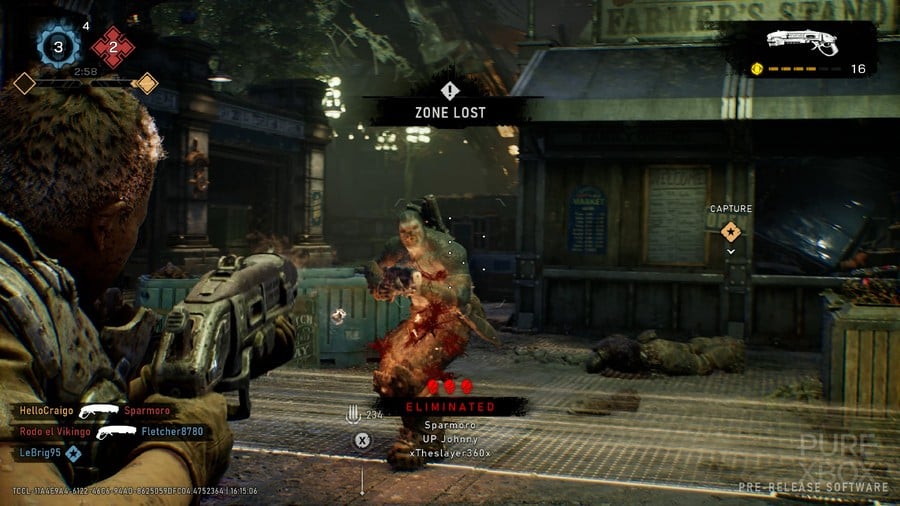
Competitive PvP in "Gears of War: E-Day" largely retains familiar modes such as Team Deathmatch and Conquest (an updated version of Control). However, every competitive encounter is now fundamentally shaped by the new movement mechanics. The infamous "wall-bouncing," a high-skill movement technique that allowed players to rapidly traverse cover, has reportedly been significantly nerfed or replaced. In its stead, players are now described as "sliding around like a jacked up Bruce Springsteen," indicating a new rhythm and flow to engagements.
This new PvP experience presents a conflict for many long-time players. While undeniably fun and fast-paced, there’s a recurring sentiment that it feels "less Gearsy" than previous iterations. The core loop of strategic cover utilization, precise shotgun engagements, and disciplined team play that defined Gears PvP for nearly two decades appears to be challenged by the emphasis on rapid traversal and reactive sliding. This could lead to a significant adjustment period for veteran players, potentially alienating those who cherished the series’ more deliberate and tactical competitive environment.
Beyond the movement, a notable omission from the preview build has been the absence of iconic Gears mechanics such as chainsaw duels and the ability to utilize enemies as meatshields. While the latter might be a casualty of the faster pace, the removal of chainsaw duels – a hallmark of the Lancer assault rifle and a unique, brutal competitive mini-game – represents a significant departure from established franchise traditions. These omissions, combined with the movement overhaul, suggest a deliberate re-evaluation of what constitutes the essential "Gears of War" multiplayer experience.
Developer Intent and Community Reception: Navigating Evolution
The design choices implemented in "Gears of War: E-Day" reflect a clear intent from The Coalition to modernize the franchise, potentially appealing to a broader audience accustomed to faster-paced shooters while also expanding the gameplay possibilities within the Gears universe. This strategy is not without precedent; many long-running franchises across the gaming industry have grappled with the challenge of evolving to remain relevant without alienating their dedicated fan bases.
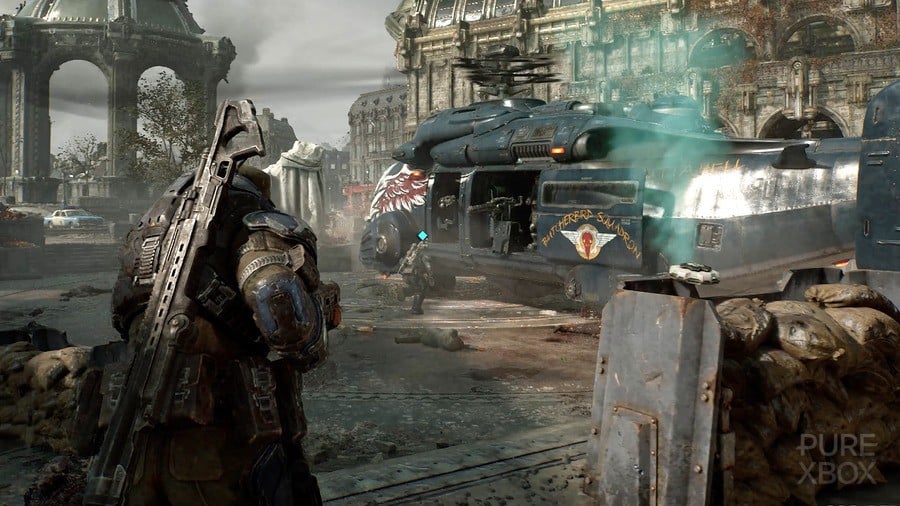
Historically, the Gears series itself has seen iterative changes, from weapon balancing to the introduction of new character abilities, but rarely has a core mechanic like player movement undergone such a radical transformation. The potential for division within the player base is significant. Veteran players, deeply invested in the established meta and tactical nuances of previous titles, may find the new pace and reduced emphasis on traditional cover mechanics jarring. Conversely, new players or those seeking a more contemporary shooter experience might find the increased fluidity and speed more appealing.
Industry analysts suggest that such bold moves often come with calculated risks. The Coalition’s approach could be an attempt to redefine the series for a new generation, ensuring its longevity in a competitive market increasingly dominated by dynamic, fast-moving titles. The game’s integration into Xbox Game Pass from day one also plays a crucial role, potentially mitigating the initial risk of a divisive launch by providing a low-barrier entry point for a vast subscriber base to experience these changes firsthand.
Broader Implications: The Future Trajectory of the Franchise
The implications of "Gears of War: E-Day’s" design philosophy extend beyond its immediate launch. The changes to movement and core combat could fundamentally redefine the series’ identity moving forward. If successful, this evolution could breathe new life into the franchise, attracting a wider audience and establishing a new paradigm for third-person shooters. However, if the balance between innovation and tradition is not carefully struck, there is a risk of alienating the loyal fanbase that has supported Gears for nearly two decades, leading to a fragmented community and uncertain long-term prospects.
The success of Horde Siege suggests that The Coalition is capable of delivering fresh, engaging co-operative experiences that resonate with the "Emergence Day" theme. The challenge lies in harmonizing these advancements with a competitive multiplayer experience that feels both modern and authentically "Gears." The long-term trajectory of the franchise will depend heavily on how these new mechanics are received by the broader player base post-launch, how The Coalition responds to feedback, and whether the perceived "identity crisis" can be resolved into a cohesive and compelling vision for the future.
Conclusion
After approximately nine hours of hands-on experience, "Gears of War: E-Day" presents a fascinating paradox. The Coalition has undeniably crafted a game that is inherently fun to play, with the expansive and strategic Horde Siege mode standing out as a triumph of cooperative design. This mode alone holds immense promise for engaging players for countless hours. However, the radical transformation of the player movement system, while contributing to a faster and more fluid experience, represents a significant departure from the series’ foundational principles. The shift in emphasis from methodical, cover-based combat to a more agile, speed-focused approach raises critical questions about the franchise’s identity, particularly within its competitive PvP landscape. While a final judgment must be reserved until the full release, The Coalition has taken a bold and potentially divisive step in attempting to modernize one of Xbox’s most iconic series. The coming months will reveal whether this evolution propels Gears of War into a vibrant new era or if, in striving to adapt, it has shed too much of what made it uniquely special.