


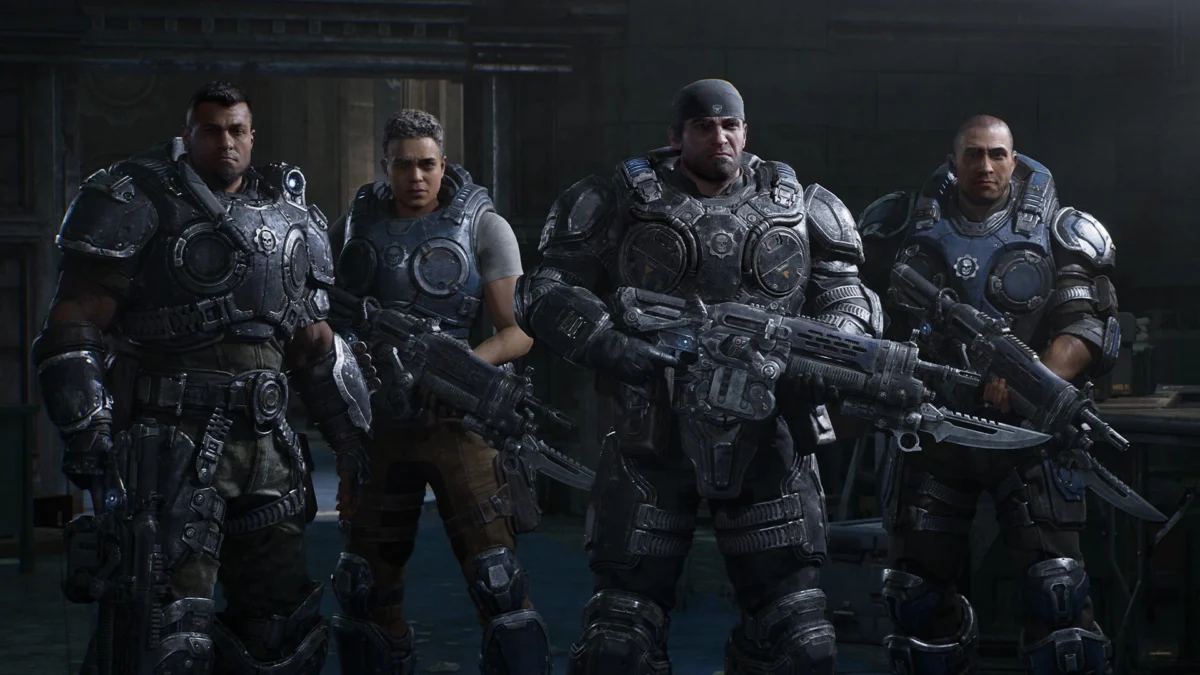
The initial wave of previews for Gears of War: E-Day has firmly established a dominant narrative: the game’s reimagined Horde mode, dubbed Horde Siege, is a resounding success, while significant overhauls to core movement and control mechanics introduce both excitement and a period of necessary adaptation for veteran players. The Coalition’s forthcoming title, a prequel to the seminal Gears of War, delves into the harrowing events of Emergence Day, focusing on the foundational brotherhood between Marcus Fenix and Dominic Santiago during humanity’s darkest hour. Developed from the ground up, the game aims to modernize the series’ signature gameplay while preserving its gritty, visceral essence.
Initial Critical Reception and Key Takeaways
Following a recent multiplayer preview event, journalists and content creators offered their first impressions, collectively pointing to Horde Siege as a standout feature. This cooperative survival mode, a staple of the Gears of War franchise since Gears of War 2, appears to have received a substantial and well-received evolution. Beyond Horde Siege, the previews also highlighted extensive changes to player movement, control schemes, and the overall feel of combat, suggesting a deliberate effort by The Coalition to refresh the long-running series for a contemporary audience.
A Deep Dive into Horde Siege: The Unanimous Acclaim
The most consistent praise across all previews centers on the new Horde Siege mode. This iteration appears to build upon the established cooperative survival formula, where players defend against increasingly difficult waves of Locust hordes, by introducing dynamic elements and strategic depth that resonate strongly with early testers. Windows Central, for instance, enthusiastically declared, "I’m not sure what the future will hold for Gears of War: E-Day overall, but one thing I can say for sure is that Gears of War: E-Day Horde Siege mode is a metric f*ckton of frantic, frenzied fun, wrapped in some of the best visuals the franchise has ever produced. I can see myself playing this for a really long time across Xbox Series X|S and particularly the Xbox Ally X." This sentiment underscores the mode’s potential for long-term engagement and its visual fidelity, positioning it as a major draw for the game.
Pure Xbox echoed this enthusiasm, stating, "After just nine hours with Gears of War: E-Day, I’m not ready to deliver a final judgement. The Coalition has certainly built something that’s very fun to play, and Horde Siege alone has me excited to jump back in." This suggests that Horde Siege is not merely an incremental update but a significant enhancement capable of driving player interest and replayability, a crucial factor for a live-service-oriented gaming ecosystem. The mode’s success is vital, as cooperative experiences often form the backbone of a game’s community and provide substantial value, especially for titles launching directly into services like Xbox Game Pass.
Redefining Movement and Control: A Period of Adaptation
While Horde Siege garnered widespread positive feedback, the extensive changes to the core control scheme and player movement mechanics presented a more nuanced discussion. The Gears of War franchise has long been synonymous with its distinctive cover-based shooting, where the ‘A’ button traditionally served multiple contextual functions, from taking cover to sprinting and rolling. The Coalition has notably remapped these actions, aiming for a more streamlined and modern control experience.
IGN’s preview articulated this shift clearly: "Gears E-Day features some important changes to how the series has traditionally controlled. The A button is fully dedicated to taking cover and moving around cover now, while sprinting (aka The Artist Formerly Known as Roadie Run) is now mapped to a left-stick click (LS) by default, and the Y button is dedicated to vaulting – and you can actually jump in this game! It took quite some time for me to rewire my brain since we’ve all been so used to the A button controlling all of these actions depending on the context you press it. But once I acclimated with the new controls, I couldn’t really go back." This observation highlights a common theme: an initial learning curve for veterans, followed by a potential preference for the new, dedicated control scheme once muscle memory adapts. The introduction of a dedicated jump mechanic, a departure from previous entries, signifies a move towards greater verticality and traversal options within the game environments.
Metro’s preview further elaborated on the tactile experience of the new movement: "Movement feels fast and solid, your slimmer but still chunky soldiers slotting positively behind cover, while guns look and sound dangerous, their recoil and muzzle flashes conferring a real feeling of power." This suggests that despite the control remapping, the fundamental ‘feel’ of Gears combat – its weight, responsiveness, and impactful weaponry – remains intact, albeit within a refined movement system. The challenge for The Coalition will be to balance this modernization with the expectations of a dedicated fanbase, many of whom have invested countless hours into the series’ traditional mechanics.
Combat Dynamics and Enemy Encounters
The previews also touched upon the combat dynamics, specifically the feel of engaging the Locust horde. Metro noted a potential concern regarding enemy resilience: "That’s undermined by exceptionally bullet spongey enemies, with Boomers and other larger foes comfortably taking several clips of ammunition directly to the head before they finally keel over. Levelling up does start to help make it feel less like you’re wielding a peashooter, but it’s a gradual process." This feedback suggests that the early game experience might involve a grind against high-health enemies, a common design choice in cooperative modes to encourage progression and strategic weapon use. However, it also highlights the importance of the progression system in mitigating this "bullet sponge" effect, implying that character and weapon upgrades will significantly alter combat efficiency as players advance.
The Independent’s preview offered a concise positive take on the overall combat engagement: "Having played Gears of War: E-Day multiplayer for around four hours on PC…It’s incredibly fun being back in the gnarly, gritty world of Gears of War, going toe-to-toe with rival squads and the Locust." This reiterates the core appeal of the Gears experience, suggesting that despite any individual mechanical adjustments, the essence of intense, brutal combat against the Locust remains a compelling draw.
The Narrative Significance of Emergence Day
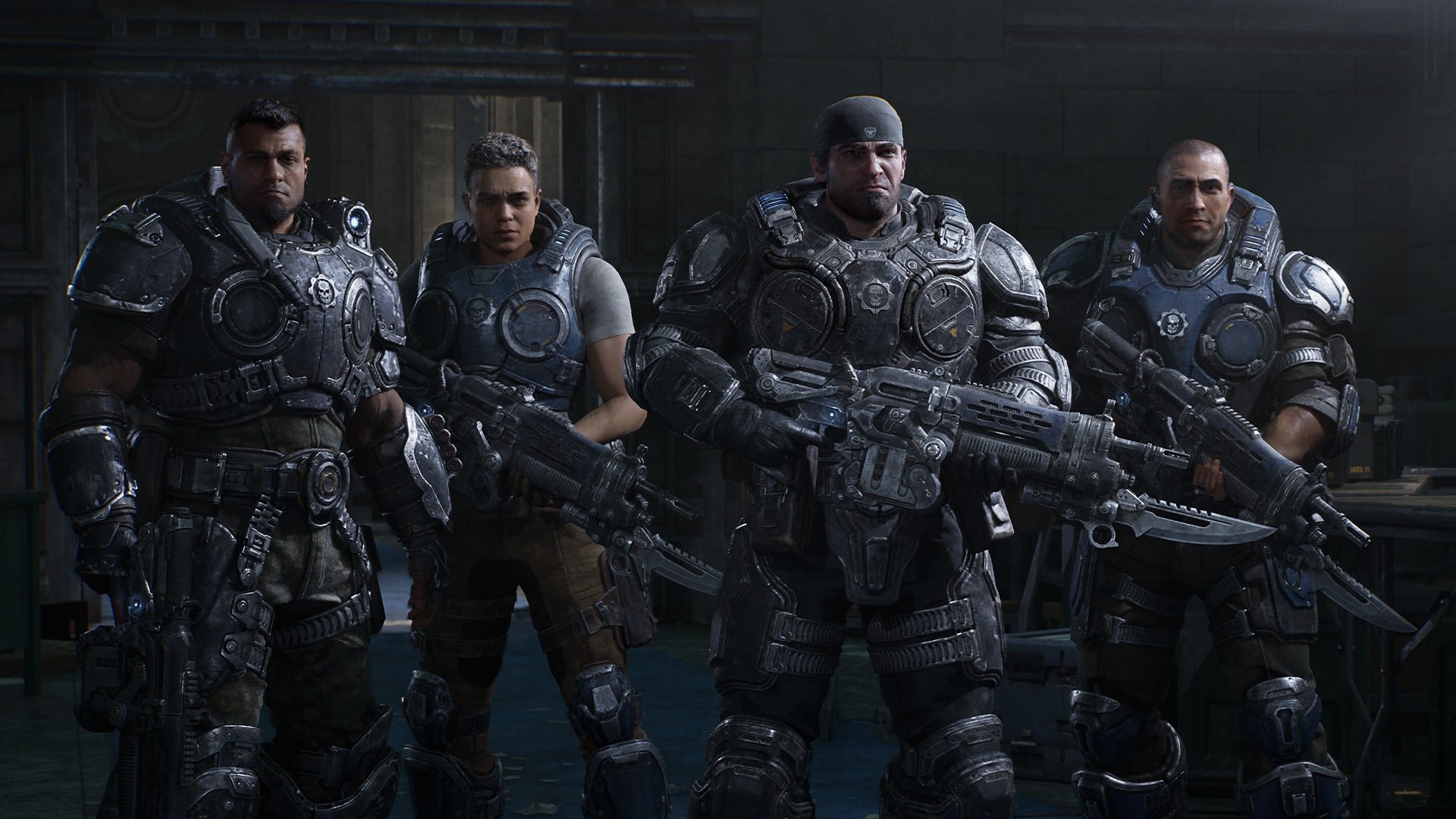
Gears of War: E-Day is set 14 years before the events of the original Gears of War, plunging players into the catastrophic genesis of the Locust War. Emergence Day marks the brutal invasion of the subterranean Locust Horde onto the surface world of Sera, an event that reshaped the planet and its inhabitants forever. This prequel allows The Coalition to explore the origins of the conflict and the nascent stages of the iconic brotherhood between Marcus Fenix and Dominic Santiago.
The narrative choice to revisit Emergence Day is strategically significant. It offers an opportunity to depict a more vulnerable, less experienced Marcus and Dom, providing crucial character development and lore expansion that fans have long desired. The original Gears of War trilogy, developed by Epic Games, established these characters and the world, but the details of the initial invasion were largely confined to background lore. By focusing on this pivotal moment, The Coalition can craft a story that resonates deeply with long-time fans while also serving as an accessible entry point for newcomers, explaining the foundational conflict without requiring prior knowledge of the later games. The raw, desperate struggle for survival against an unknown, overwhelming enemy promises a narrative tone distinct from the more established warfare seen in subsequent titles.
The Coalition’s Vision and Franchise Evolution
The Coalition, having taken the reins of the Gears of War franchise from Epic Games, has a track record of both honoring the series’ legacy and attempting to evolve it. Their previous titles, Gears of War 4 and Gears 5, introduced new characters, expanded the lore, and experimented with open-world elements. Gears of War: E-Day represents a return to a more linear, story-driven experience, albeit with significant gameplay refinements.
The decision to rebuild the game "from the ground up" indicates a commitment to leveraging modern hardware capabilities, particularly the Xbox Series X|S and powerful PCs, to deliver a visually stunning and mechanically polished experience. The introduction of major changes to movement and controls suggests a developer confident in its ability to innovate while respecting the franchise’s core identity. This balancing act is crucial for a series with such a dedicated following. The game’s development under The Coalition also highlights Xbox’s broader strategy of investing in its first-party studios to deliver flagship titles that bolster the Xbox ecosystem and Game Pass subscription service.
Broader Implications for the Xbox Ecosystem
Gears of War: E-Day is poised to be a cornerstone title for Xbox, launching day one on Xbox Game Pass across Xbox Series X|S, PC, and cloud platforms. Its inclusion in Game Pass from day one aligns with Microsoft’s strategy to provide immense value to subscribers, encouraging adoption and retention. A highly anticipated first-party exclusive with strong multiplayer components like Horde Siege is a significant asset in this strategy, potentially drawing in new subscribers and keeping existing ones engaged for extended periods. The game’s "Xbox Play Anywhere" designation further enhances its accessibility, allowing players to purchase it once and play across both Xbox consoles and PC, with shared progress.
The strong early reception for Horde Siege, in particular, suggests that E-Day could have significant longevity within the Game Pass ecosystem. Cooperative modes often foster strong communities and encourage repeat play, translating into sustained engagement metrics for the platform. The ongoing development and potential future content for Horde Siege could ensure E-Day remains a relevant and frequently played title for years to come.
Upcoming Beta Phases and Full Release Details
For eager players looking to experience Gears of War: E-Day before its full release, The Coalition has outlined two distinct beta phases. An early access Beta is scheduled for August 6-10, accessible to players who have pre-ordered Gears of War: E-Day or hold an active Game Pass Ultimate or PC Game Pass subscription. This tiered access strategy rewards early adopters and subscribers while simultaneously stress-testing the game’s servers with a dedicated player base.
Following this, an Open Beta will commence from August 13-17, making the game accessible to a broader audience. This open phase will likely serve as a crucial final test for server stability, matchmaking, and player feedback on a larger scale, allowing The Coalition to gather extensive data before launch. The full game will be available day one on Xbox Game Pass, Xbox Series X|S, PC, and via cloud streaming, cementing its position as a flagship Xbox title.
Conclusion: A Promising Yet Evolving Future
The initial previews for Gears of War: E-Day paint a picture of a franchise simultaneously looking back to its roots and boldly stepping forward. The universal praise for Horde Siege positions it as a major highlight and a strong foundation for the game’s multiplayer appeal. Concurrently, the significant overhauls to movement and control mechanics, while requiring an adjustment period for veterans, suggest a commitment to modernizing the Gears experience for a new generation of players while retaining the core feel that defines the series.
As the game moves closer to its beta phases and eventual release, the conversation will undoubtedly continue to evolve, focusing on how these new mechanics integrate into the single-player campaign and the broader competitive landscape. However, the initial consensus points towards a compelling and revitalized Gears of War experience, one that honors the past while charting an ambitious course for the future of the iconic Xbox franchise. The stage is set for Emergence Day to be not just a pivotal moment in the game’s lore, but also a significant chapter in the ongoing evolution of the Gears of War series.