


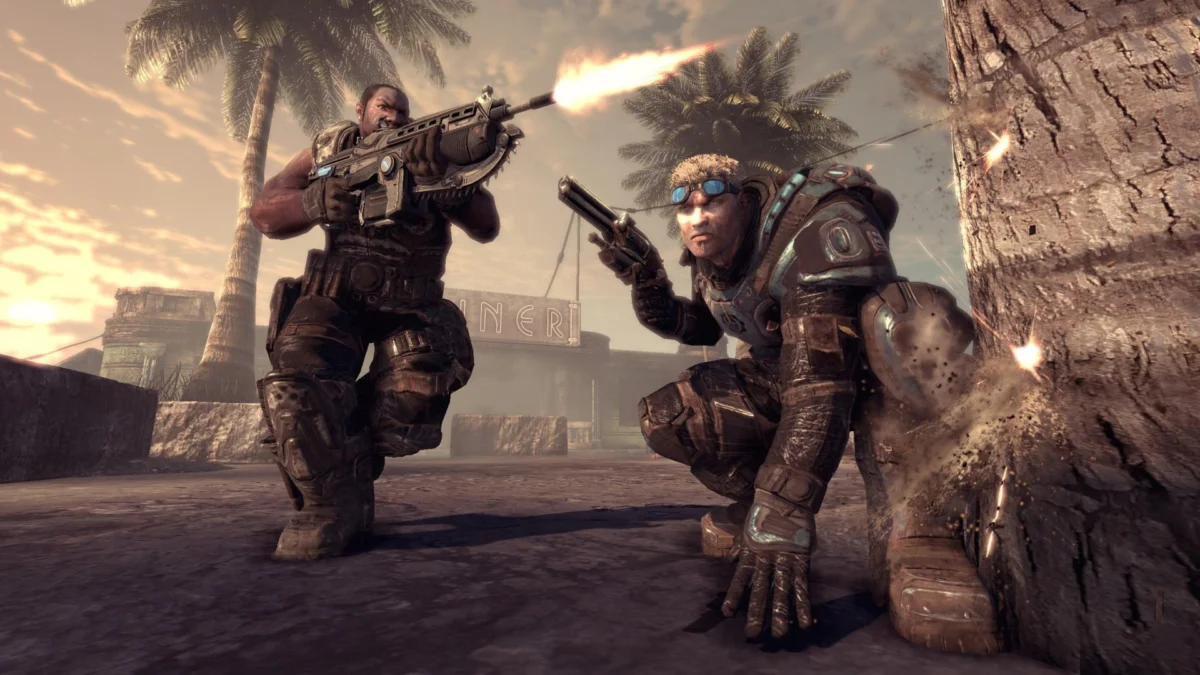
The iconic moment of Anthony Carmine’s jammed Lancer, a darkly humorous yet poignant nod to the brutal realities faced by soldiers in the Gears of War universe, encapsulates the series’ blend of visceral action and memorable character beats. As the gaming community gears up for the impending multiplayer Beta for Gears of War: E-Day, scheduled for August 6-10 for early access players (those who pre-ordered or subscribe to Xbox Game Pass Ultimate/PC Game Pass) and an Open Beta from August 13-17, the anticipation prompts a comprehensive retrospective on a franchise that has profoundly shaped the third-person shooter genre and served as a cornerstone of the Xbox ecosystem for nearly two decades. This upcoming prequel, returning to the harrowing events of Emergence Day, offers a prime opportunity to reflect on the series’ enduring legacy, its pivotal entries, and its significant impact on video game development and player experience.
The Genesis of a Shooter Icon: Epic Games and the Original Vision
The Gears of War franchise began its storied journey under the creative direction of Epic Games, spearheaded by design director Cliff Bleszinski. In the mid-2000s, as the industry transitioned to a new generation of consoles, Epic Games sought to create a title that would leverage the raw power of the Xbox 360 and its proprietary Unreal Engine 3. The vision was clear: a gritty, brutal, and immersive cover-based third-person shooter that pushed graphical boundaries and redefined tactical combat. This ambition culminated in the release of the original Gears of War in November 2006.
The development process for Gears of War was characterized by an emphasis on creating a distinct visual style—a dark, post-apocalyptic aesthetic filled with muscle-bound soldiers, grotesque alien adversaries, and environments scarred by perpetual warfare. The game’s innovative cover system, which allowed players to seamlessly snap into and out of cover, became its signature mechanic, differentiating it from contemporary shooters. This system encouraged strategic thinking and positioning, transforming firefights from simple run-and-gun encounters into a dynamic dance of aggression and defense. Epic Games invested heavily in character development, crafting a cast of hardened soldiers known as the Delta Squad, led by the stoic Marcus Fenix, whose gruff demeanor and unwavering resolve resonated with players.
A New Era of Combat: The Impact of Gears of War (2006)
Upon its release, Gears of War was an immediate critical and commercial success, garnering widespread acclaim for its groundbreaking graphics, intuitive gameplay mechanics, and intense atmosphere. Critics lauded its innovative cover system, which quickly became a benchmark for the genre, influencing countless subsequent titles. The game’s use of Unreal Engine 3 was particularly noteworthy, showcasing highly detailed character models, environmental textures, and advanced lighting effects that were unprecedented for its time. It achieved an average Metacritic score of 94/100, a testament to its quality and impact.
The "Mad World" trailer, featuring Gary Jules’ melancholic cover of the Tears for Fears song, played a crucial role in establishing the game’s tone and generating immense hype. This trailer, a masterclass in atmospheric marketing, depicted the bleakness of the world of Sera and the desperation of humanity’s struggle against the Locust Horde, captivating audiences before the game even launched. Commercially, Gears of War was a triumph for Microsoft and Epic Games, selling over one million units within its first two weeks and ultimately surpassing three million units by January 2007. It became one of the fastest-selling Xbox 360 titles, cementing its status as a flagship franchise for the console and a key competitor against Sony’s PlayStation 3. The game’s success not only validated Epic Games’ creative vision but also solidified the Xbox 360’s position in the console market, offering a unique and compelling experience that appealed to a broad audience of mature gamers.
Evolving the Saga: Gears of War 2 and 3‘s Narrative and Multiplayer Zenith
Building on the foundation of the original, Epic Games released Gears of War 2 in November 2008, expanding upon virtually every aspect of its predecessor. The sequel introduced new gameplay mechanics, including "meat shield" human shields, improved melee combat, and more diverse enemy types and environmental hazards. The narrative deepened, exploring the origins of the Locust Horde and the dire circumstances facing humanity, while also injecting more emotional weight into the characters’ journeys. The campaign was praised for its epic scope, memorable set pieces, and a more robust story that explored themes of sacrifice, camaraderie, and survival. Gears of War 2 achieved an impressive Metacritic score of 93/100, reinforcing the series’ critical acclaim and commercial viability, selling over 2 million units in its first month alone. Its multiplayer component was significantly enhanced, offering new modes, maps, and a more refined matchmaking system, which contributed to its prolonged player engagement.
The original trilogy reached its dramatic conclusion with Gears of War 3, launched in September 2011. This installment was designed to provide a definitive end to Marcus Fenix’s saga and the war against the Locust, introducing the even more formidable Lambent threat. Gears of War 3 was celebrated for its polished gameplay, visually stunning graphics, and a highly emotional narrative arc that brought closure to many character storylines. It introduced new weapon types, a four-player co-op campaign, and a highly praised "Beast Mode" multiplayer variant, allowing players to control Locust creatures. Many critics and fans consider Gears of War 3 to be the pinnacle of the original trilogy, if not the entire series, particularly due to its comprehensive and balanced multiplayer offering, which provided an unparalleled competitive experience. With a Metacritic score of 91/100, it sustained the franchise’s reputation for quality and innovation. The game’s commercial performance was robust, selling over 3 million copies in its first week, underscoring the franchise’s continued popularity and status as a tentpole Xbox title.
Navigating New Frontiers: Judgment and the Transition to The Coalition
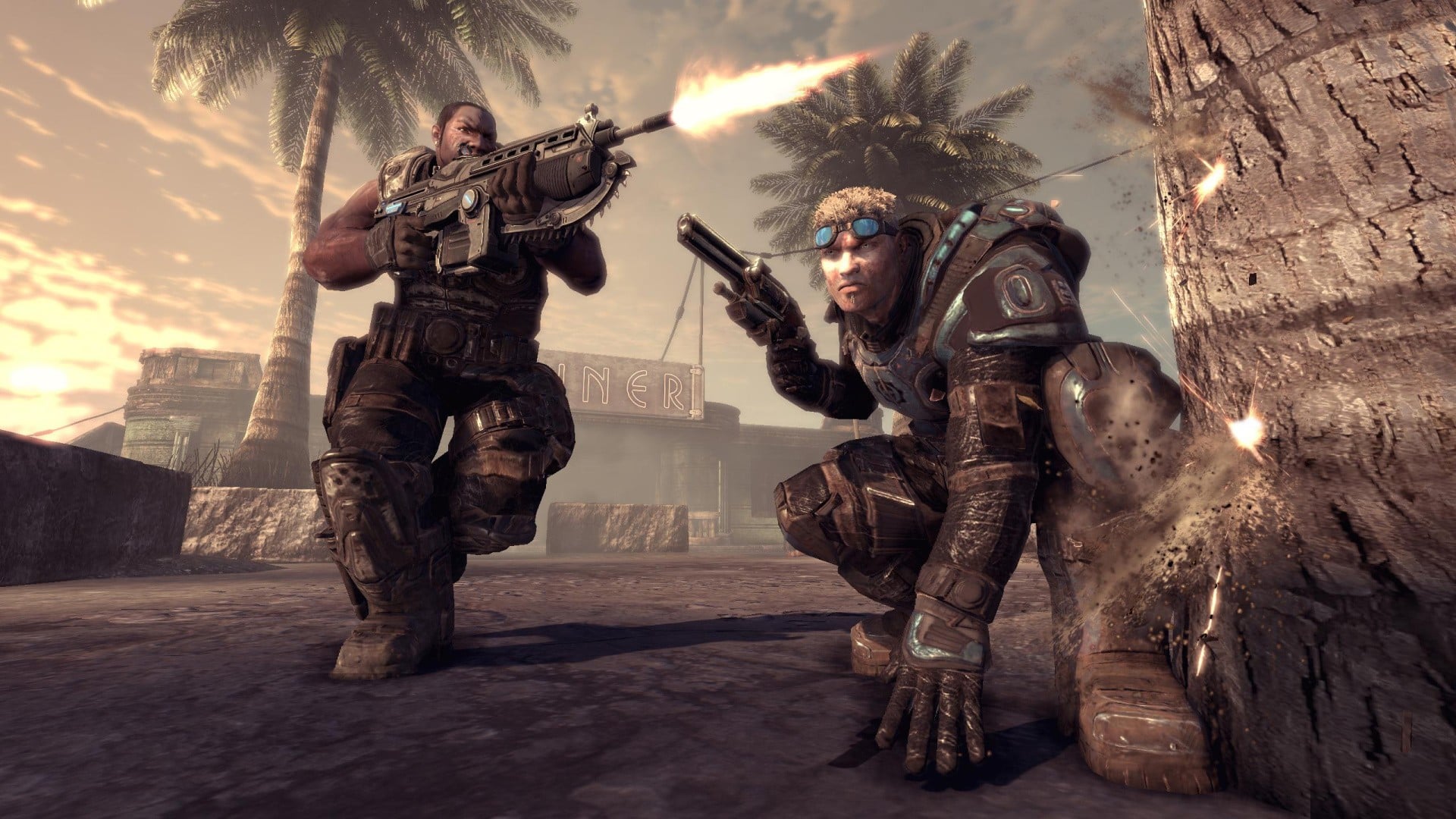
Following the conclusion of the original trilogy, the Gears of War franchise entered a period of transition. In March 2013, Gears of War: Judgment was released, developed by People Can Fly in collaboration with Epic Games. This prequel focused on Baird and Cole’s earlier exploits, introducing a "Declassified Missions" system that added modifiers to campaign segments for increased challenge and rewards. While Judgment retained the core gameplay mechanics, it introduced significant changes to the multiplayer, including a class-based system and a streamlined control scheme. However, the game received a more mixed critical reception compared to its predecessors, with an average Metacritic score of 79/100. Critics often pointed to its shorter campaign, less compelling narrative, and controversial multiplayer changes as reasons for its lukewarm reception. Despite its commercial success, selling over a million units, it marked a slight dip in the franchise’s trajectory.
A pivotal moment for the series occurred in January 2014 when Microsoft acquired the Gears of War intellectual property from Epic Games. Concurrently, Microsoft established The Coalition (originally Black Tusk Studios) in Vancouver, Canada, specifically to develop future Gears of War titles. This acquisition signaled Microsoft’s commitment to the franchise as a core pillar of its Xbox platform, ensuring its continued existence under first-party stewardship. The Coalition, composed of many industry veterans and new talents, took on the immense responsibility of carrying forward a beloved series with a dedicated fanbase.
Rebooting and Redefining: Gears of War 4 and Gears 5
The Coalition’s first major entry, Gears of War 4, launched in October 2016 as a flagship title for the Xbox One and Windows 10. Positioned as a soft reboot and the beginning of a new saga, it introduced a new generation of protagonists, led by James "JD" Fenix, Marcus’s son, and his companions Kait Diaz and Delmont "Del" Walker. The game sought to recapture the gritty essence of the original trilogy while introducing new enemy factions (the Swarm and the DeeBees) and environmental hazards like windflares. While Gears of War 4 garnered a respectable Metacritic score of 84/100, critics and fans often noted its familiar gameplay loop and a narrative that, while setting up future installments, didn’t quite reach the emotional heights of Gears of War 2 or 3. Nevertheless, it served as a solid foundation for The Coalition to build upon, demonstrating their technical prowess and commitment to the franchise. The game was also a key title for Xbox Game Pass, showcasing Microsoft’s new subscription service strategy.
The Coalition truly hit its stride with Gears 5, released in September 2019. Notably dropping "of War" from its primary title, Gears 5 was a bold evolutionary step for the series. It focused heavily on Kait Diaz’s journey to uncover her mysterious past and connection to the Locust Horde, offering a more personal and character-driven narrative. The game introduced semi-open-world segments, allowing players more freedom to explore and undertake side missions, a departure from the series’ traditionally linear level design. Graphically, Gears 5 was a technical showcase for the Xbox One X, pushing visual fidelity and performance. Critically, it was very well received, achieving a Metacritic score of 82/100 and praised for its narrative depth, stunning visuals, and refined gameplay mechanics. The multiplayer component, including the popular Horde mode and the new Escape mode, was also highly regarded, providing extensive content and replayability. Gears 5‘s integration into Xbox Game Pass from day one was a significant strategic move, contributing to its broad accessibility and player base, further cementing the service’s value proposition.
The Road to E-Day: A Return to Origins
The announcement of Gears of War: E-Day at the Xbox Games Showcase 2024 sent shockwaves of excitement through the gaming community. Rather than continuing the story of Kait and JD, The Coalition has decided to revisit the very beginning of the conflict: Emergence Day, the cataclysmic event when the Locust Horde first emerged from beneath Sera’s surface. This prequel will place players back in the shoes of a younger Marcus Fenix and Dom Santiago, offering a fresh perspective on the harrowing initial moments of humanity’s war for survival.
The decision to return to the origins is a significant one, promising to delve into the lore and character dynamics that captivated players in the original game. It allows The Coalition to explore untold stories, introduce new perspectives on established characters, and leverage modern graphical capabilities to depict the horrors of Emergence Day with unprecedented fidelity. The teaser trailer, showcasing a younger Marcus and Dom in a dire situation, resonated deeply with long-time fans, evoking nostalgia while simultaneously promising a fresh, impactful narrative. The upcoming multiplayer Beta, scheduled for early August, is a crucial step in this rollout, allowing players to experience the updated gameplay mechanics and network infrastructure ahead of the game’s full release. This strategic move aims to build community engagement, gather valuable feedback, and ensure a smooth launch for what is poised to be a landmark title for the franchise and the Xbox platform.
Technological Prowess and Industry Influence
From its inception, the Gears of War series has been a showcase for technological innovation, particularly through its use of Epic Games’ Unreal Engine. The original Gears of War was a seminal title for Unreal Engine 3, demonstrating its capabilities for creating photorealistic environments, detailed character models, and dynamic lighting. This visual fidelity set a new standard for console gaming and showcased the raw power of the Xbox 360, contributing significantly to its early success. The gritty, industrial aesthetic and the visceral combat animations became hallmarks of the series, influencing countless other third-person shooters and action games.

Beyond graphics, Gears of War redefined the cover-based shooter genre. Its "snap-to-cover" mechanic, combined with active reload mini-games and the iconic Lancer chainsaw bayonet, provided a unique and satisfying gameplay loop that was widely imitated. The series’ multiplayer modes, particularly Horde mode, pioneered cooperative wave-based survival, a concept that has since become a staple in many other games. The competitive multiplayer also garnered a dedicated following, contributing to the burgeoning esports scene of the late 2000s and early 2010s. The franchise’s consistent push for technical excellence, from its groundbreaking visuals to its refined gameplay mechanics, has cemented its place as a trendsetter in the gaming industry.
The Enduring Legacy of Delta Squad
The enduring appeal of Gears of War lies not only in its innovative gameplay and technical achievements but also in its compelling characters and narrative. Marcus Fenix, Dom Santiago, Baird, and Cole have become iconic figures in gaming history, their camaraderie and personal struggles resonating deeply with players. The series masterfully balances moments of intense action with character-driven emotional beats, particularly evident in the sacrifices made throughout the original trilogy. The introduction of new characters like JD and Kait in the later installments ensured the franchise could evolve while respecting its roots, passing the torch to a new generation while maintaining thematic continuity.
The Gears of War universe, with its rich lore, distinct aesthetic, and memorable dialogue, has fostered a passionate and dedicated fanbase. This community actively engages with the games, discusses lore theories, and participates in the competitive multiplayer scene. The anticipation for Gears of War: E-Day is a testament to this enduring loyalty, with fans eager to revisit the earliest days of the war and experience the origins of the characters they’ve come to know and love. The series has consistently provided a benchmark for what a gritty, character-driven action experience can be, proving that even in a world ravaged by war, human connections and resilience can shine through.
Anticipating the Future: Gears of War: E-Day and Beyond
As Gears of War: E-Day approaches its Beta phase and eventual release, its significance extends beyond merely being another entry in a long-running franchise. For Microsoft and The Coalition, E-Day represents a strategic effort to reinvigorate a beloved IP, leveraging nostalgia while delivering a contemporary gaming experience. By returning to the genesis of the conflict, the game aims to attract both long-time fans yearning for the series’ original tone and new players eager to understand its foundational narrative without needing to catch up on five previous mainline titles.
The game’s integration into Xbox Game Pass will undoubtedly play a crucial role in its accessibility and player adoption, aligning with Microsoft’s broader strategy for its gaming ecosystem. The success of E-Day will not only dictate the future trajectory of the Gears of War franchise but also serve as a key indicator of The Coalition’s capabilities in delivering a next-generation experience on the Unreal Engine 5. The enthusiasm surrounding the Beta and the overall reveal suggests that Gears of War: E-Day is poised to be a monumental title, reminding the gaming world why the war for Sera, and the soldiers who fight it, continue to hold a special place in the hearts of millions. The legacy of chainsaw Lancers, desperate last stands, and unforgettable characters is set to continue, ensuring that the question of whether one was "there when Carmine’s gun jammed" remains a powerful shorthand for a shared, impactful gaming history.