


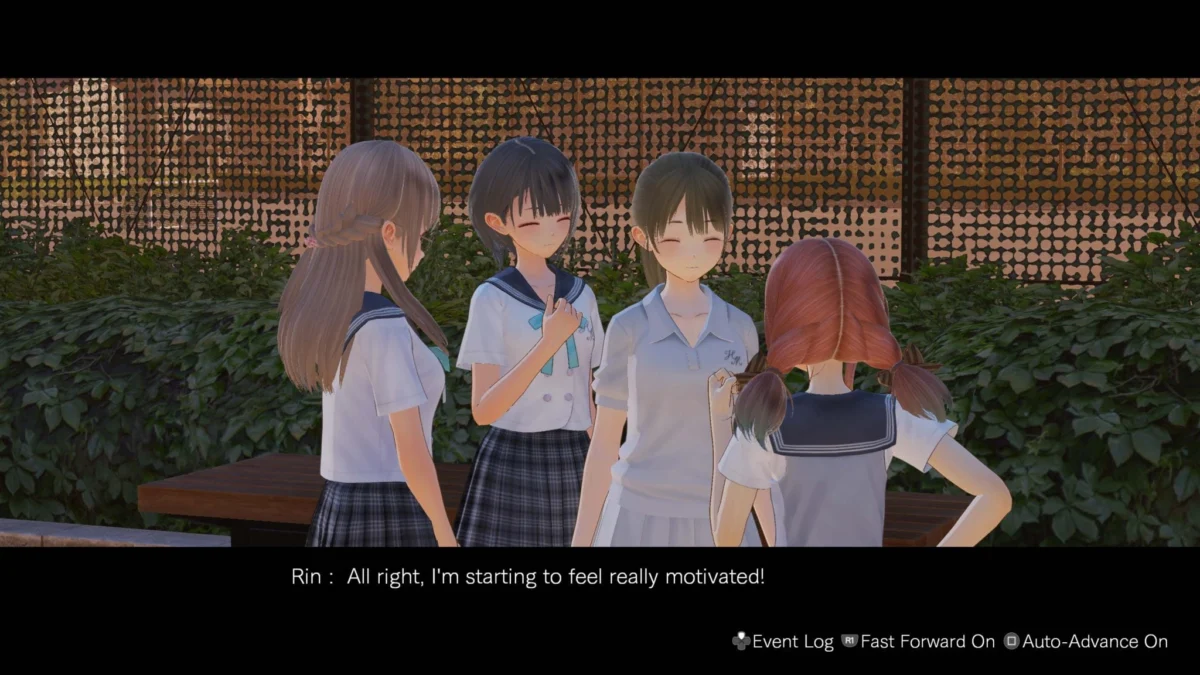
The release of Blue Reflection Quartet marks a significant milestone for developer Gust and publisher Koei Tecmo, consolidating a decade of niche magical girl role-playing experiences into a single comprehensive package for modern platforms. This collection, which includes three full-length titles and a specialized recap experience, serves as both a retrospective of a unique sub-genre in Japanese RPGs and a technical update for hardware including the PC, PlayStation 5, and Nintendo Switch. While Gust is primarily recognized for the commercial success of the long-running Atelier series, particularly the "Secret" trilogy featuring Ryza, the Blue Reflection franchise represents a more experimental, atmospheric venture into the "mahou shoujo" (magical girl) genre.
The Blue Reflection series emerged during the mid-to-late 2010s, a period characterized by a shift in Japanese game development. As the industry transitioned from the PlayStation 3 to the PlayStation 4, many mid-sized studios faced the rising costs of high-definition development. This led to the creation of what industry analysts often describe as "HD PS2" games—titles that retained the focused, often linear structure of previous generations while utilizing the increased graphical fidelity of newer hardware. Blue Reflection Quartet embodies this design philosophy, offering a blend of traditional turn-based combat, social simulation, and visual novel-style storytelling.

The Evolution of the Blue Reflection Franchise
The franchise began with the original Blue Reflection, released in 2017. The narrative follows Hinako Shirai, a talented ballet dancer whose career was cut short by a tragic knee injury. The game’s focus on Hinako’s emotional recovery sets the tone for the series, prioritizing character-driven drama over grand geopolitical conflict. Upon returning to Hoshinomiya Girls’ High School, Hinako is granted the powers of a "Reflector"—a magical warrior capable of entering "The Commons," a realm shaped by human collective consciousness.
Following the cult success of the first game, Gust expanded the universe through a multimedia project. This included Blue Reflection Ray, an anime adaptation that explored new characters and deeper lore, and Blue Reflection Sun, a title originally developed for mobile platforms. The sequel, Blue Reflection: Second Light (2021), refined the combat and social systems, receiving critical acclaim for its improved pacing and more complex "Heartscape" dungeon designs. The Blue Reflection Quartet collection brings these disparate pieces together, offering a definitive timeline for both returning fans and newcomers.
Comprehensive Contents of the Quartet Collection
The Blue Reflection Quartet is structured to provide a chronological and thematic overview of the series. The collection includes:

- Blue Reflection: The remastered version of the 2017 original, featuring the story of Hinako, Yuzu, and Lime.
- Blue Reflection: Second Light: The 2021 sequel that introduced a new cast of girls trapped in a mysterious school surrounded by water, emphasizing base-building and stealth elements.
- Blue Reflection Sun: A console-optimized version of the mobile title. This entry is notable for introducing a male protagonist who commands a squad of Reflectors, a departure from the series’ traditionally all-female cast.
- Blue Reflection Ray Recap: An interactive experience that summarizes the events of the 24-episode anime series. Rather than a direct port, this feature utilizes "walk and talk" segments and high-quality stills from the show to bridge the narrative gap between the first and second games.
This bundling strategy reflects a growing trend in the gaming industry where publishers seek to preserve "gacha" or mobile-exclusive content by porting it to traditional consoles as a premium, single-purchase experience.
Narrative Themes and Emotional Resonance
At its core, the Blue Reflection series is a "slice-of-life" drama infused with supernatural elements. Unlike many JRPGs that focus on high-stakes world-saving, these games often treat the "end of the world" as a metaphor for the internal struggles of adolescence. The narrative focuses on "Fragments"—crystallized emotions that Reflectors must collect to stabilize the hearts of their peers.
The writing frequently touches upon themes of grief, social anxiety, and the pressure of expectations. Hinako’s journey from a state of depression to finding a new purpose outside of ballet is cited by players as a standout example of realistic character growth in the genre. The social simulation aspects, known as "Date Events," allow players to strengthen bonds with classmates. These interactions are not merely cosmetic; they directly influence combat effectiveness by unlocking new supportive abilities and passive stat boosts.

Combat Mechanics and the Reflector System
The gameplay in Blue Reflection Quartet remains rooted in traditional turn-based systems but introduces several unique mechanics to keep encounters engaging. The "Timeline" system is a central feature, where the speed of a character determines their position on a horizontal bar at the top of the screen. Players can utilize specific skills to "knock back" enemies on the timeline, effectively preventing them from taking a turn if managed correctly.
Strategic depth is added through the "Ether" system. Characters must accumulate Ether to perform powerful finishing moves or to heal. In the later titles included in the collection, such as Second Light, the combat transitions into a faster, real-time command system that emphasizes "Combos" and "Resonance."
The collection also introduces several quality-of-life (QoL) improvements. A significant update is the implementation of a "Jog" function for exploration. In the original releases, movement speed within the school environments was often criticized for being too slow. The Quartet version allows for faster navigation, significantly reducing the time spent traveling between story beats. Additionally, the dialogue systems have been optimized to allow for faster text progression, catering to players who prefer a more rapid narrative pace.

Technical Analysis and Platform Performance
From a technical standpoint, Blue Reflection Quartet demonstrates the strengths and limitations of Gust’s proprietary engine. On PC, the collection supports resolutions up to 4K, providing a sharp look at the series’ distinct art style. The character designs, handled by acclaimed artist Mel Kishida, are a highlight of the package. The "doll-like" aesthetic of the 3D models is complemented by the use of cinematic widescreen bars during cutscenes, which focus the player’s attention on the actors rather than the occasionally sparse environmental textures.
Performance data indicates that the collection is well-optimized for modern mid-range hardware. Testing on an Intel Arc B580 GPU showed consistent 60 frames per second (FPS) performance at 4K resolution. For users on handheld platforms or Linux-based systems, the collection has been confirmed to run via Proton (specifically version 11.0 and variants like CachyOS Proton) without significant issues. This compatibility is crucial for the growing market of Steam Deck and ROG Ally users who favor JRPGs for portable play.
However, some technical artifacts remain. Reports have noted occasional "ghosting" on character models, a visual glitch sometimes associated with upscaling older assets to modern high-definition resolutions. Despite these minor flaws, the atmospheric lighting and "serene" art direction remain effective in creating the series’ signature moody, ethereal atmosphere.

Chronology and Industry Implications
The timeline of the Blue Reflection series is a complex web of interconnected media. The original game serves as the foundation, followed by the events of the Ray anime and the Sun mobile game, which occur roughly concurrently or in close proximity. Second Light serves as a culminating point where characters from across the various entries converge. By including the Ray recap and the Sun console port, the Quartet collection effectively solves the "fragmented narrative" problem that often plagues multimedia franchises.
The release of this collection also signals Koei Tecmo’s commitment to its "B-tier" franchises. While the Atelier series has moved into the "A-tier" in terms of budget and sales expectations, Blue Reflection occupies a space for more experimental storytelling. The success of this collection could dictate the future of the series, potentially leading to a fully-budgeted third mainline entry.
Impact on the JRPG Market
The Blue Reflection Quartet arrives at a time when the JRPG market is experiencing a renaissance. With titles like Persona and Final Fantasy reaching mainstream audiences, there is a secondary demand for "comfort" RPGs—games that offer a more relaxed, atmospheric experience. The series has been described as "chicken soup for the soul," providing a low-stress environment where players can focus on character relationships and aesthetics.

The collection’s inclusion of a male protagonist in the Sun segment also represents a tactical move to broaden the series’ appeal, though the core identity remains firmly rooted in the "magical girl" tradition. By offering over 100 hours of content across the four segments, Gust has positioned the Quartet as a high-value proposition for genre enthusiasts.
Blue Reflection Quartet stands as a definitive tribute to a series that dared to be quiet, emotional, and visually distinct in an era of loud, action-oriented blockbusters. As Gust continues to refine its development processes, this collection serves as a reminder of the studio’s ability to blend high-concept fantasy with the grounded, relatable struggles of the human heart.