


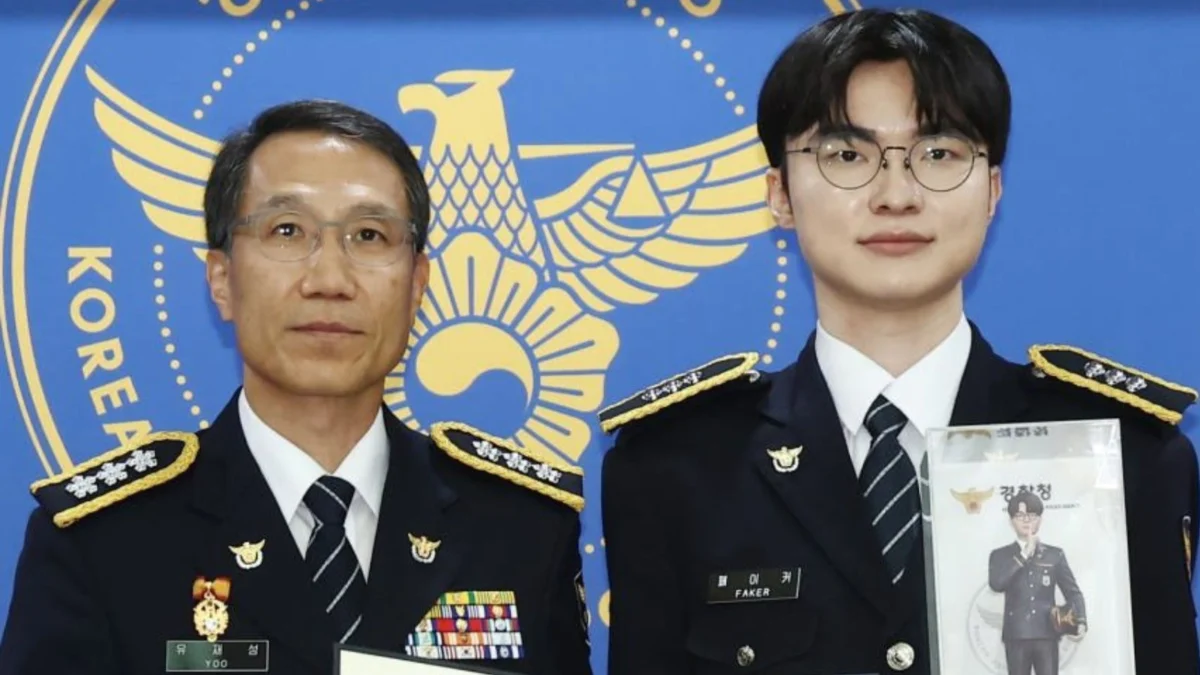
The illustrious career of Lee “Faker” Sang-hyeok, a figure synonymous with the global phenomenon of League of Legends, has been further adorned with a unique and significant accolade. The legendary esports athlete has been officially appointed as an Honorary Police Officer and a dedicated Ambassador for Youth Cyber Gambling Prevention by the Korean National Police Agency. This distinguished role sees Faker leverage his immense public profile, cultivated through years of unparalleled dominance in professional League of Legends, to champion a critical social cause: combating the rising tide of youth cyber gambling in his native South Korea.
While Faker’s name is intrinsically linked to his record-breaking achievements on the virtual battlefield, including multiple World Championship titles and a plethora of domestic league championships, his influence is now extending beyond the esports arena. The appointment signifies a concerted effort by South Korean authorities to harness the power of influential figures to address societal challenges, particularly those impacting younger generations. Faker, widely acknowledged as the greatest League of Legends player of all time, possesses a unique ability to connect with and inspire youth, making him an ideal candidate to spearhead this preventative campaign.
The official ceremony, marking Faker’s induction into this new role, was held at the headquarters of the Korean National Police Agency in Seodaemun-gu, Seoul. This strategic location underscores the gravity and national importance of the initiative. The appointment is not merely symbolic; it is a direct component of the National Police Agency’s broader strategy to proactively engage with and protect young citizens from the pervasive and often insidious dangers of online gambling.
A New Front in the Fight Against Cyber Gambling
The primary objective behind Faker’s appointment is to bolster the National Police Agency’s youth cyber gambling voluntary self-reporting program. This program aims to provide a safe and confidential avenue for young individuals who may be involved in or aware of cyber gambling activities to come forward without fear of immediate repercussions. By associating this initiative with a universally respected public figure like Faker, the agency anticipates a significant increase in both awareness and participation.
Furthermore, Faker will play a pivotal role in raising public awareness about the detrimental effects of online gambling on young people. This includes highlighting the potential for addiction, financial ruin, and the broader negative impacts on mental health and academic performance. According to reports from Maeil Business, Faker’s involvement will extend to appearing in promotional videos and posters, utilizing his recognizable image to convey the campaign’s vital messages across various media platforms. This multi-pronged approach ensures that the campaign’s reach is extensive, aiming to penetrate communities and resonate with the target demographic.
The initiative comes at a time when concerns about online gambling among youth have intensified globally, and South Korea is no exception. Data from various national surveys indicates a concerning trend of increasing engagement with online betting platforms, often disguised or accessible through seemingly innocuous online spaces. The anonymity and accessibility offered by the internet, coupled with sophisticated marketing tactics employed by illicit gambling operators, present a formidable challenge for law enforcement and public health officials. Faker’s role is designed to provide a powerful counter-narrative, emphasizing responsible digital citizenship and the availability of support systems.
A Legacy of Excellence and Public Service
Faker’s journey to this esteemed position is rooted in a career that has redefined excellence in esports. Since his professional debut in 2013, Lee Sang-hyeok has been a cornerstone of the T1 organization, leading his team to unprecedented success. His trophy cabinet boasts six League of Legends World Championships, numerous LCK (League of Legends Champions Korea) titles, and he was notably the first inductee into Riot Games’ Hall of Legends, a testament to his enduring impact and legacy in the sport. This consistent display of dedication, skill, and sportsmanship has cultivated a deep reservoir of respect and admiration among fans and the wider public.
This appointment as an Honorary Police Officer and Cyber Gambling Prevention Ambassador is not the first time Faker has been recognized for his contributions beyond the gaming world. Just months prior to this latest honor, South Korean President Lee Jae-myung bestowed upon Faker the Cheongnyong (Blue Dragon) Medal. This prestigious award is the highest sporting honor granted by the South Korean government, making Faker the inaugural esports player to receive the country’s top-tier Order of Sport Merit. This recognition from the highest echelons of government underscores the growing acceptance and respect for esports as a legitimate and impactful field of athletic endeavor.
The confluence of these high-profile recognitions highlights a significant shift in how prominent figures from the digital realm are being integrated into national campaigns and recognized for their broader societal contributions. Faker’s ability to consistently perform at the highest level in a demanding competitive environment, coupled with his perceived integrity and positive public image, makes him an invaluable asset in addressing sensitive issues like youth cyber gambling.
Official Statements and the Weight of Responsibility
In a statement released by the Korean National Police Agency, Faker articulated his commitment to his new role. He expressed, “It is an honor to be appointed as an Honorary Police Officer and public ambassador, and I feel a great sense of responsibility that comes with the role. I will actively participate in my duties as an ambassador by helping raise awareness of the dangers of cyber gambling among young people and promoting the voluntary self-reporting program.”
This statement reflects a deep understanding of the significance of his appointment and a genuine willingness to contribute to a cause that directly impacts the well-being of young Koreans. His emphasis on responsibility suggests a proactive approach, moving beyond mere ceremonial duties to actively engage in the campaign’s objectives. The direct involvement of the National Police Agency in releasing these sentiments further solidifies the official backing and strategic importance of Faker’s role.
While specific reactions from other stakeholders, such as youth advocacy groups or educational institutions, are not detailed in the initial reports, it can be logically inferred that such organizations would welcome this initiative. The involvement of a national hero like Faker is likely to be seen as a powerful catalyst for change, potentially invigorating existing efforts and opening new avenues for dialogue and intervention. The credibility Faker brings to the campaign is invaluable, potentially overcoming some of the barriers that have historically hindered awareness and prevention programs in this sensitive area.
Broader Implications and the Future of Influence
Faker’s appointment as an Honorary Police Officer and Cyber Gambling Prevention Ambassador carries significant implications, both for the campaign itself and for the broader landscape of celebrity influence. Firstly, it demonstrates a sophisticated understanding by governmental bodies of how to effectively leverage the power of digital influencers and esports personalities to address societal issues. In an era where traditional advertising methods may struggle to capture the attention of younger demographics, tapping into the established trust and admiration for figures like Faker offers a potent alternative.
Secondly, this role solidifies Faker’s transition from a purely competitive athlete to a public figure with a broader social mandate. It acknowledges that his influence extends far beyond the gaming community, encompassing a responsibility to contribute positively to the well-being of society. This recognition could pave the way for other prominent esports athletes to be considered for similar public service roles in the future, further legitimizing their contributions and impact.
The success of this initiative will likely be measured not only by the number of self-reports generated but also by a tangible reduction in youth engagement with illegal online gambling activities and an overall increase in informed decision-making among young people regarding online risks. Faker’s ongoing involvement in promotional activities, coupled with the National Police Agency’s sustained efforts, will be crucial in achieving these long-term objectives.
In conclusion, Faker’s latest honor is more than just another feather in his already illustrious cap. It represents a strategic alliance between the world of esports and national public service, aiming to protect a vulnerable segment of the population. By entrusting one of their most celebrated athletes with this critical mission, South Korea is making a bold statement about the evolving nature of influence and the potent, positive impact that individuals like Faker can have when directed towards the greater good. His journey continues to inspire, demonstrating that true greatness can extend beyond the arena, shaping a better future for generations to come.