


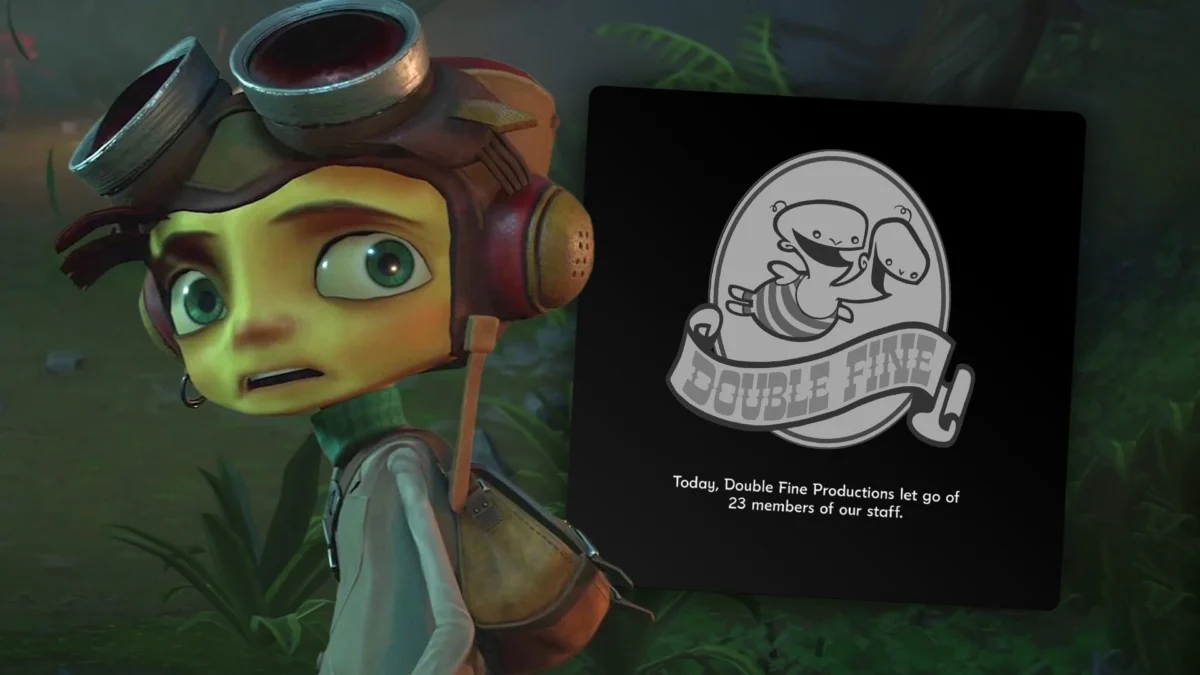
Just over three weeks following its announced departure from the Xbox Game Studios umbrella, Double Fine Productions, the acclaimed developer behind titles such as Psychonauts and Kiln, has been compelled to enact significant workforce reductions, laying off 23 employees. This drastic measure, confirmed by Studio Head Tim Schafer, is described as a painful but necessary step to ensure the long-term viability and "survival of our studio" as it navigates its newfound independence. The decision underscores the profound challenges facing even established development houses in a volatile industry landscape, particularly during periods of major corporate restructuring and strategic realignment.
The Immediate Impact and Leadership’s Stance
The layoffs at Double Fine, a studio celebrated for its distinctive narrative-driven and often whimsical games, were announced by Tim Schafer on social media. In a candid statement, Schafer expressed the gravity of the situation: "As a small, tightly-knit team, these actions are not taken lightly. Only the survival of our studio would ever make us consider such a painful action." He further emphasized the deep regret and loss felt by the studio, acknowledging that "the people we are losing were all important" and "they will be missed." This sentiment resonates deeply within a studio culture widely documented as unique and supportive, famously chronicled in their YouTube documentary series, which offers an intimate look at the development process and the close-knit nature of the team. The move reflects a critical juncture for Double Fine, as it seeks to stabilize its operations and define its strategic path forward outside the protective, albeit demanding, environment of a major publisher.
A Chronology of Shifting Fortunes: From Acquisition to Independence
To fully comprehend the current predicament at Double Fine, it is essential to trace the recent history of the studio and its relationship with Microsoft. Double Fine Productions was founded in 2000 by Tim Schafer, an industry veteran known for his work on classic LucasArts adventure games. Over two decades, the studio cultivated a reputation for innovative and critically acclaimed titles, often characterized by their unique artistic vision and humor. Despite critical success, like many independent studios, Double Fine occasionally faced financial pressures, leading to crowdfunding campaigns for projects such as Broken Age.
In June 2019, Microsoft announced its acquisition of Double Fine Productions, integrating it into the growing portfolio of Xbox Game Studios. This acquisition was part of a broader strategy by Microsoft to bolster its first-party content offerings for Xbox Game Pass and expand its presence in the gaming market. Under Microsoft’s ownership, Double Fine released Psychonauts 2 in August 2021, a highly anticipated sequel that garnered widespread critical acclaim and was celebrated as a commercial success within the Xbox ecosystem. The period under Microsoft provided the studio with significant resources, stability, and a broader platform for its creative endeavors.
However, the landscape began to shift dramatically in late 2025 and early 2026. Microsoft initiated a comprehensive "Xbox reset," a company-wide restructuring effort aimed at optimizing its gaming division’s efficiency and strategic focus. This reset, widely reported in June 2026, involved a reevaluation of its studio portfolio and business models. Initial reports indicated that multiple Xbox studios were in active negotiations with Microsoft regarding their future, with some facing potential closure.
By July 2026, the full scope of the "Xbox reset" became clearer. Microsoft announced substantial job cuts across its gaming division, totaling 1,600 positions, with an additional 1,600 expected before the fiscal year’s end. Furthermore, four studios, including Double Fine, were confirmed to be departing from Xbox Game Studios. For Double Fine, this transition meant reverting to an independent developer status. While the terms of their separation from Microsoft have not been fully disclosed, it is understood that such transitions often involve complex negotiations regarding intellectual property rights, ongoing project funding, and severance packages for departing employees if a publisher seeks to avoid direct responsibility for redundancies. The recent layoffs at Double Fine, occurring just weeks after their independence was confirmed, strongly suggest that the studio is now contending with the financial realities of operating without the significant backing of a corporate parent.
The Broader Context: A Tumultuous Period for the Gaming Industry
Double Fine’s situation is not an isolated incident but rather indicative of a challenging period for the global video game industry. The year 2026 has witnessed an unprecedented wave of layoffs and studio closures across the sector. Industry analysts report that over 15,000 jobs were cut in the gaming industry globally in the first half of the year alone, surpassing the total for the entirety of the previous year. Major publishers and developers, from established giants to smaller independent teams, have announced significant workforce reductions.
Several factors contribute to this volatile environment:
- Post-Pandemic Correction: The gaming industry experienced a boom during the COVID-19 pandemic, leading to increased investment and hiring. However, as global economies reopened, growth rates normalized, and companies are now adjusting their headcounts to align with more sustainable, albeit slower, expansion.
- Rising Development Costs: The cost of developing AAA games has skyrocketed, with budgets frequently exceeding $200 million for major titles. This escalates financial risk and puts immense pressure on studios to deliver commercial blockbusters. Even mid-tier games, Double Fine’s specialty, require substantial investment that can be difficult to recoup without the marketing and distribution power of a major publisher.
- Market Saturation and Competition: The market is saturated with games, making it harder for individual titles to stand out and achieve profitability. Intense competition for player attention and spending contributes to increased marketing costs and pressure on sales performance.
- Interest Rate Hikes and Economic Headwinds: Broader macroeconomic conditions, including persistent inflation and rising interest rates, have led to tighter capital markets and increased scrutiny on profitability. Investors are demanding higher returns, pushing companies to streamline operations and reduce overheads.
- Shift in Business Models: The industry continues to evolve with the prominence of subscription services (like Xbox Game Pass), free-to-play models, and live-service games. While these models offer new revenue streams, they also require different development philosophies and long-term engagement strategies, which can be challenging for studios traditionally focused on single-player, narrative experiences.
These overarching trends create a precarious environment for studios, particularly those transitioning out of a major publisher’s ecosystem, as they suddenly bear the full brunt of financial risks and market pressures.
The Challenges of Independent Development in a Modern Landscape
For a studio like Double Fine, returning to independence presents a unique set of challenges and opportunities. While independence offers creative freedom and direct control over intellectual property, it also entails significant responsibilities:
- Funding and Financial Stability: Without a parent company’s steady stream of funding, independent studios must secure financing for new projects through self-publishing, seeking new publishing partners, or pursuing alternative funding models like crowdfunding, which are increasingly difficult to execute successfully at scale. The immediate need for layoffs suggests Double Fine is grappling with this reality.
- Operational Overhead: Major publishers provide extensive support infrastructure, including HR, legal, marketing, public relations, quality assurance, and IT services. Independent studios must either build these departments internally or outsource them, incurring additional costs and management complexities.
- Marketing and Distribution: Reaching a global audience is a monumental task. Publishers provide vast marketing budgets and established distribution channels. Independent studios must find innovative and cost-effective ways to promote their games and navigate complex platform holder relationships.
- Talent Retention: In a competitive industry, attracting and retaining top talent can be difficult for independent studios, especially when competing with larger companies that can offer more stable employment, comprehensive benefits, and higher salaries. The current layoffs, while necessary for survival, could potentially impact future recruitment efforts.
The move to independence for Double Fine, while potentially liberating creatively, necessitates a complete recalibration of its operational and financial strategies. The layoffs are a stark indicator of the immediate need to right-size the studio to a sustainable level for its new operating model.
Microsoft’s Strategic Recalibration and Its Implications
The "Xbox reset" and the subsequent departure of studios like Double Fine reflect a significant strategic recalibration at Microsoft. For years, Microsoft had aggressively expanded its first-party studio count, acquiring numerous developers to fuel its Game Pass subscription service and compete with Sony and Nintendo. The goal, as articulated by Xbox leadership, was to "create the number one gaming company."
However, the sheer scale of these acquisitions and the ongoing operating costs appear to have prompted a re-evaluation. The 3,200 job cuts announced this fiscal year, alongside the divestment of studios, signal a shift towards a more focused and perhaps leaner operational model. It suggests that Microsoft is prioritizing efficiency and profitability, potentially streamlining its development pipeline and focusing resources on a core set of strategic titles and technologies.

From Microsoft’s perspective, allowing studios to transition to independence, rather than outright closing them, could be seen as a way to mitigate reputational damage while still reducing operational overhead. It potentially allows the company to divest itself of studios that might not fit its renewed strategic vision or were deemed less cost-effective to maintain directly, without taking full responsibility for immediate large-scale redundancies. However, the subsequent layoffs at newly independent studios like Double Fine underscore the difficult financial realities that often accompany such transitions.
The Human Element and Industry Reactions
Behind the corporate maneuvers and financial figures are the lives of 23 individuals who have lost their jobs. These developers, many of whom have contributed to Double Fine’s beloved games and unique culture, now face the daunting task of seeking new employment in an already saturated and highly competitive market. The personal toll of such events, including financial strain, emotional distress, and career uncertainty, is immense.
The news from Double Fine has resonated deeply within the broader game development community. Many developers and industry veterans have expressed solidarity and concern, highlighting the fragility of even successful studios in the current economic climate. Social media platforms have seen an outpouring of support for the laid-off employees, with calls for networking and assistance in finding new roles. The situation reignites ongoing discussions about job security, the prevalence of crunch culture, and the challenges of maintaining creative integrity amidst commercial pressures in the gaming industry. It serves as a stark reminder that even studios with a strong legacy and passionate fan base are not immune to the harsh economic realities that dictate survival.
Looking Ahead: Double Fine’s Future and the Path to Sustainability
For Double Fine Productions, the immediate future will be defined by its efforts to stabilize and redefine its operational model. The layoffs, while painful, are a strategic move to adjust the studio’s size and cost structure to align with its independent financial realities. The focus will likely shift towards securing funding for future projects, potentially through new publishing deals or by leveraging its strong brand and existing intellectual property.
The studio’s rich history, creative talent, and a dedicated fan base remain significant assets. Projects currently in development, or those planned for the future, will now be undertaken with a more streamlined team and under different financial constraints. The challenge will be to maintain its distinctive creative identity and continue producing the unique games that have earned it critical acclaim, while operating as a self-sufficient entity in a highly competitive and financially demanding industry. The resilience of its leadership, particularly Tim Schafer, will be crucial in navigating this complex period and charting a sustainable course for Double Fine Productions as a truly independent force in game development. The gaming world will be watching closely to see how this beloved studio adapts and innovates in the face of these formidable challenges.